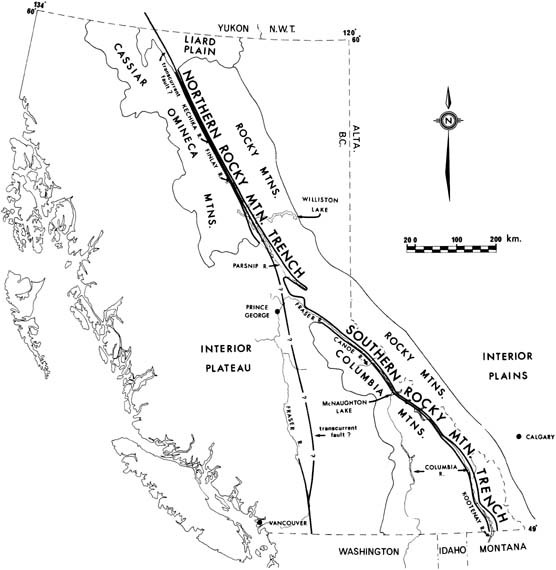
This July, the Wetlands Education Program (WEP) team ventured to the picturesque East Kootenays to host a Wetlandkeepers workshop. Located in the southeast corner of British Columbia, the East Kootenay’s are a mountainous region home to numerous small towns such as Golden, Invermere, Cranbrook, and Canal Flats, the host community of this workshop. Each of these towns can be found at the bottom of the Rocky Mountain Trench.
The Trench serves as a home for key species such as caribou (recently extirpated), elk, mule deer, black and grizzly bear as well as numerous avian species – all species that use wetlands for at least part of their life cycle. From July 22-24, 2022, workshop participants explored several wetland sites with local Dave Lewis, a contract biologist with the Columbia Basin Fish and Wildlife Program. Dave has been a longtime partner of the Wetlands Program at the BCWF and has amassed a wealth of knowledge working in environmental consulting for over 30 years.
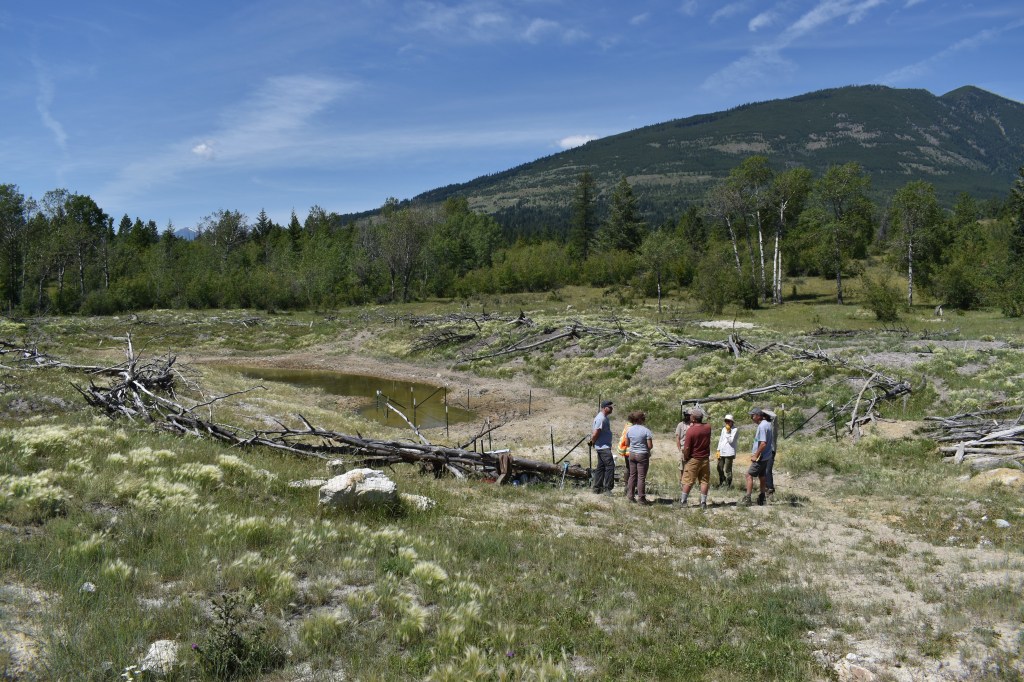
More recently, Dave has been involved in some important restoration projects at the Gyppo Logging Basin and Sun Creek near Canal Flats. Located within grazing tenures, both sites had been heavily impacted by cattle which resulted in reduced water quality, loss of habitat, and poor water retention conditions. One of the main techniques utilized at the sites to prevent further cattle degradation was exclusion fencing.
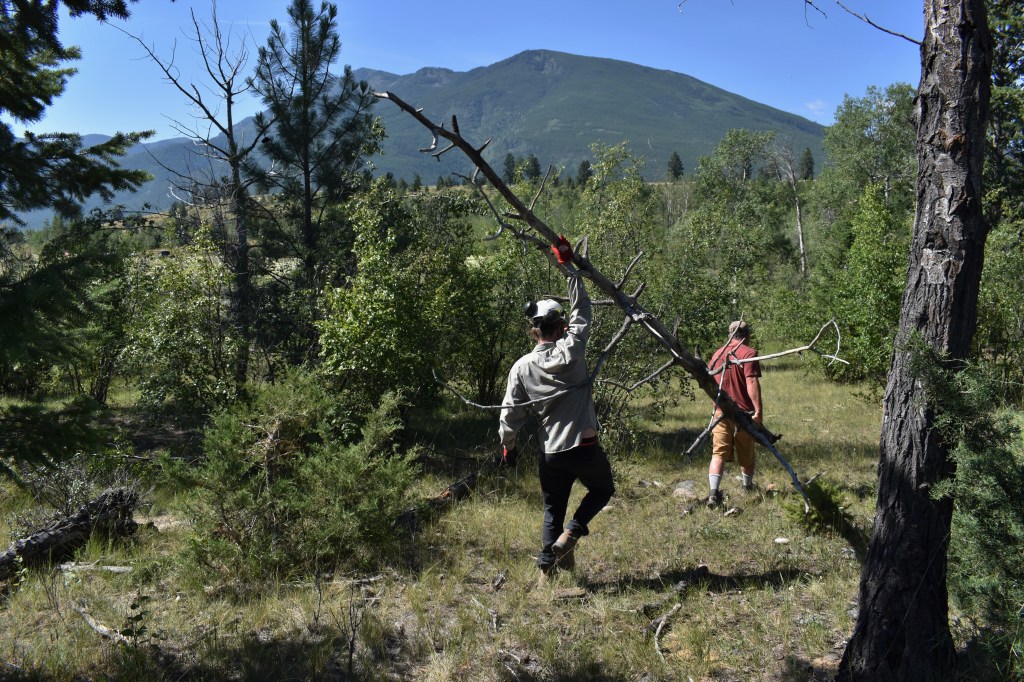
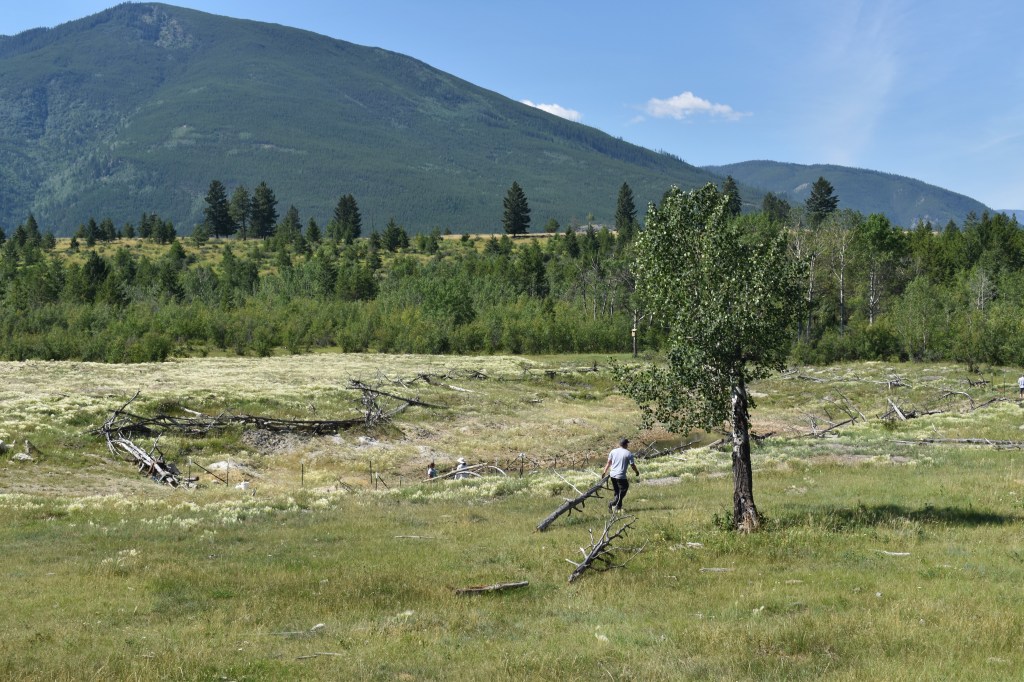
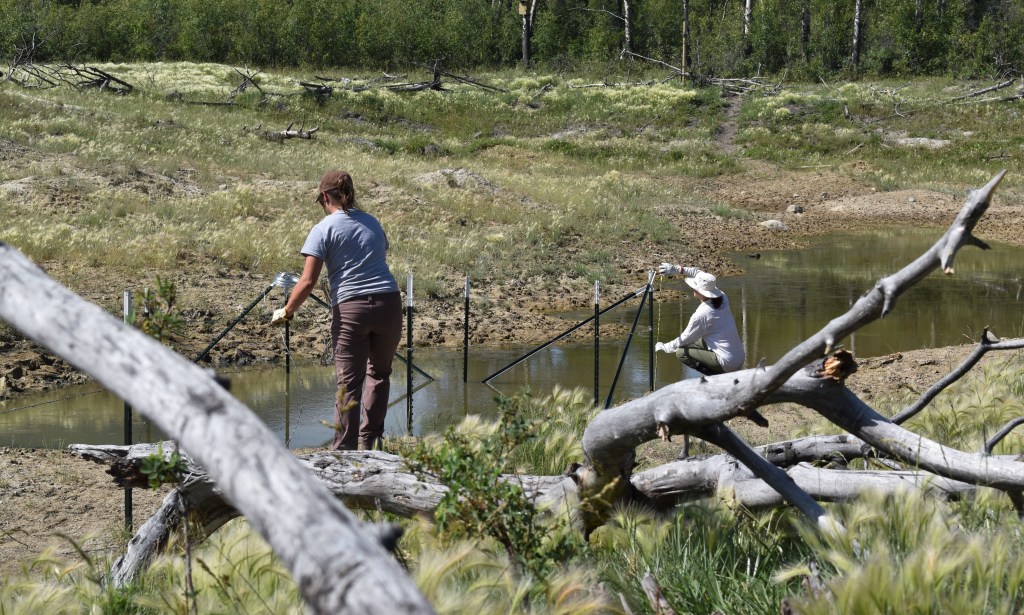
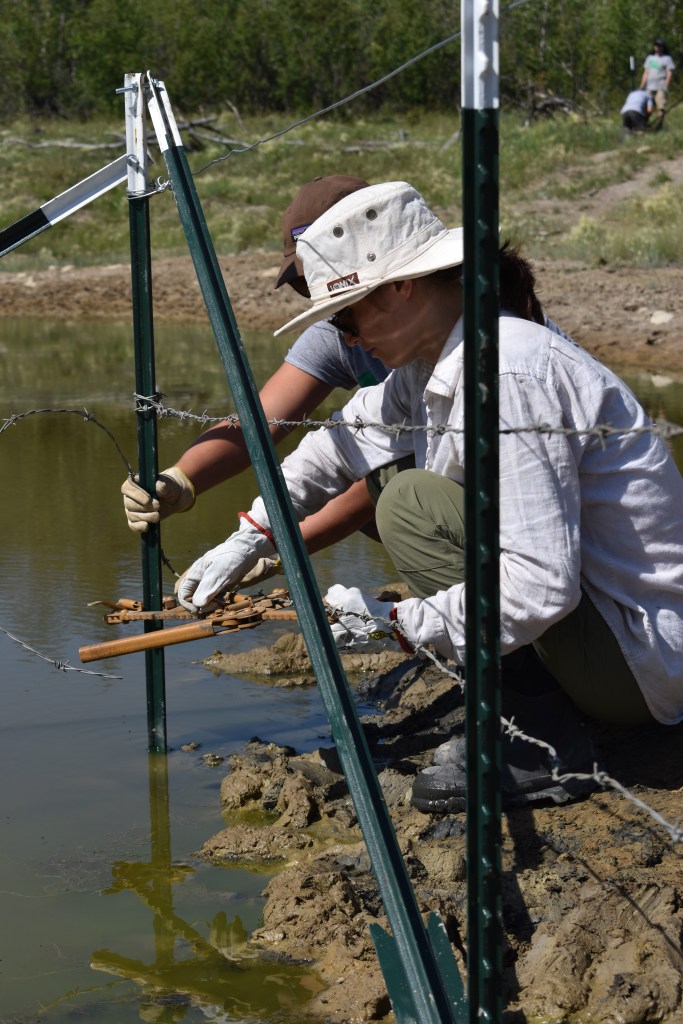
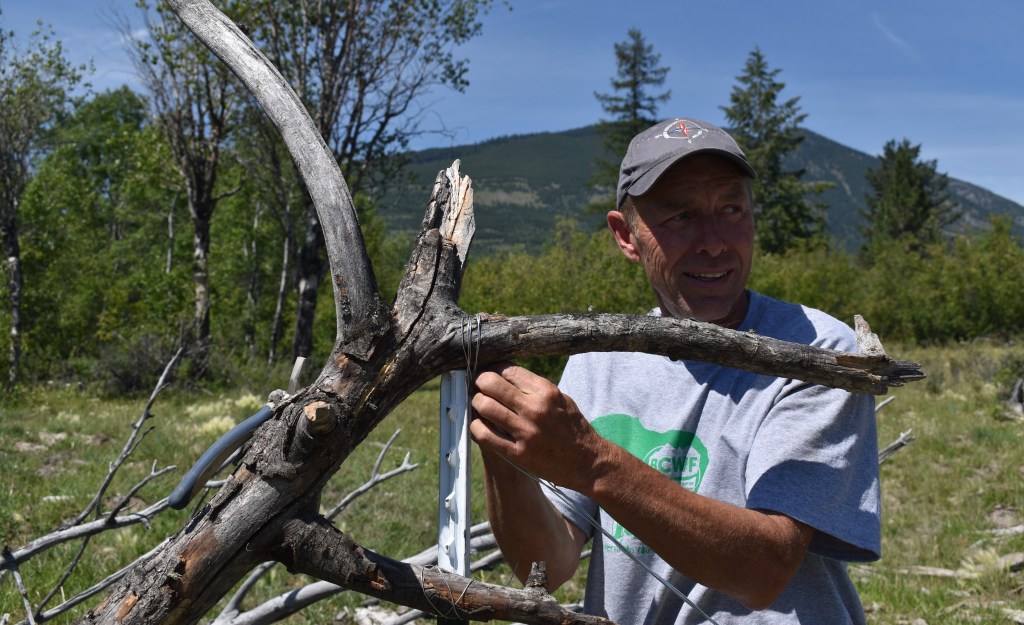
Restoration projects have high input costs and unmanaged cattle can have detrimental effects to project efforts. During the restoration of the Basin site, project proponents opted for a debris exclusion fence. The Basin site is relatively small and there was ample fallen woody material to create an effective barrier that prevented easy access, while decreasing the amount of upkeep that is required with a traditional barbwire fence. This choice of fence was also advantageous as it encourages cattle to water at a predetermined access point but does not prevent ungulates and other wildlife from being able to pass over it. Since the construction of the Basin fence in 2021, portions of the fence had been crushed under heavy winter snows which allowed for the reentrance of cattle. While visiting the site during the workshop, participants helped shore up the fence by adding more woody material to the existing fence and by binding debris to metal fence posts in key areas. In addition to this, a new cattle access point was created using metal fence posts and barbed wire. The group also stopped over at the Sun Creek restoration site where they were introduced to another method of exclusion fencing.

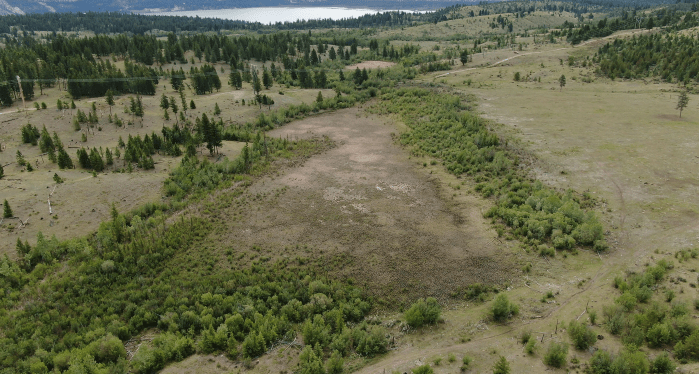
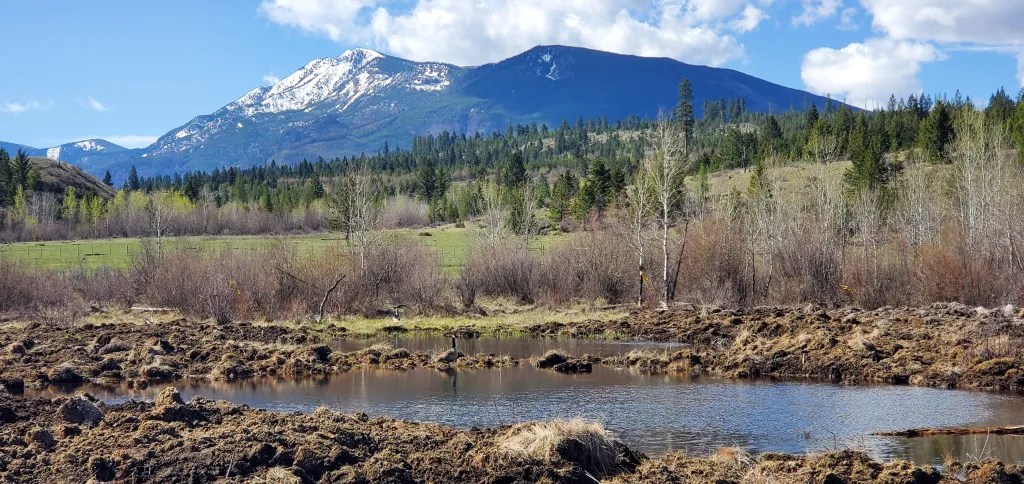
Sun Creek is located a few kilometers northeast of the Logging Basin. The property spans two conservation areas, a BC Hydro transmission line, and a grazing tenure. Like the Logging Basin, Sun Creek also suffered from the presence of cattle, however, the project site was notably larger. During the restoration planning process between the BCWF, the Nature Trust of B.C. and the Ministry of Forests, Lands, Natural Resource Operations and Rural Development, exclusion fencing was essential in preserving restoration efforts. Proponents opted for a wildlife-friendly range fence that integrated specific spacing of smooth and barbed wire to allow wildlife passage while excluding cattle. While visiting the site, Dave spoke of the successes of this phase and his aspirations for the future of the project.
Throughout the workshop, the group’s conversations always circled back to the concept of the bigger picture — water and watershed security. Often, we can suffer from tunnel vision when it comes to wetlands, but it is impossible to acknowledge the importance of wetlands without observing and addressing issues that are occurring at the watershed scale. In the Trench, one of the main issues that threatens the integrity of its wetlands is fire suppression.
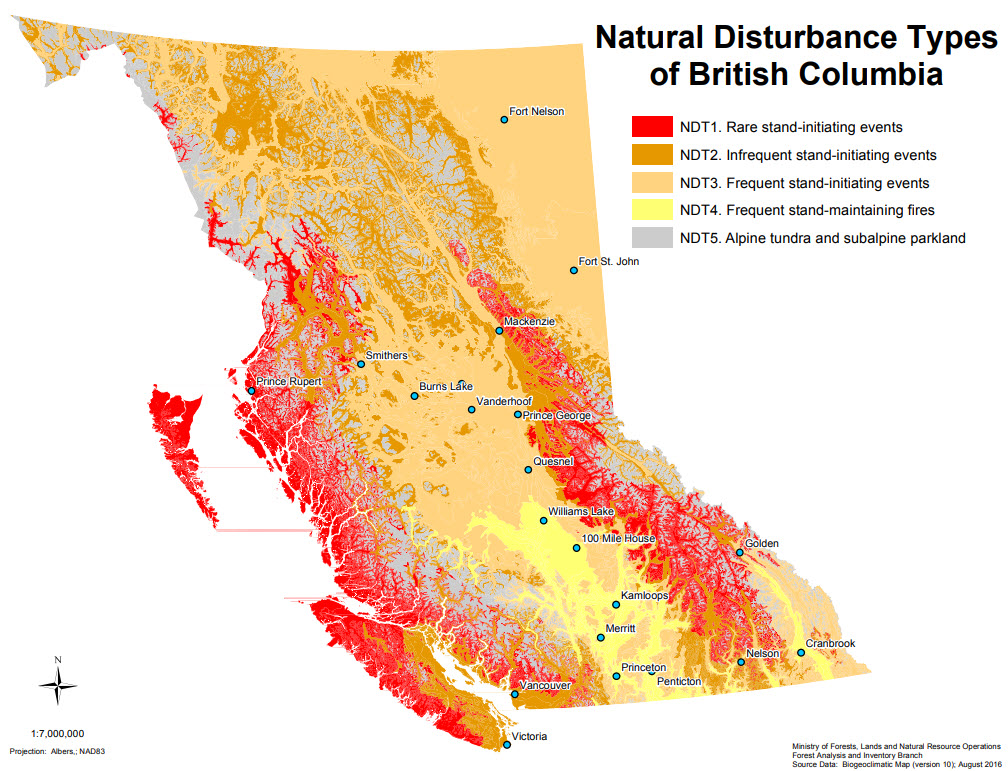
Fire is known as a natural disturbance regime, alongside insect outbreaks, disease epidemics, droughts, floods, and storms. In British Columbia, fire is the primary natural disturbance regime across much of the province. The ecosystems of B.C. have evolved over millennia, but what many might not know is that fire has been crucial to the healthy development and maintenance of several fire-prone ecosystems.
British Columbia’s Rocky Mountain Trench is an ecosystem that historically had fire reappearing in the area every four to 50 years which was essential to its maintenance. However, with over 85 years of fire suppression in the area (and across most of the province), the Trench ecosystem has drastically changed with the disappearance of fires. This is most apparent in the visible shift of dominant plant community and density of forests.
If you’ve driven down the Trench in recent years, you’ll noticed that the slopes of the adjacent valleys are covered with a dense canopy of conifers. Based on historical data, Dave described how the valley used to be populated by a diversity of bunch grasses, forbs, shrubs, and trees of varying ages. It was prime habitat for mountain goat, bighorn sheep, mule deer, and other ungulate species. Fire suppression has resulted in long-term forest succession that now dominates most of the Trench. This has had cascading effects on the surrounding watershed. Dave suspects that the high presence of conifer trees has contributed to the loss of wetlands in the area as water is being consumed by the trees instead of collecting in low-lying wetlands. Evidence of these changes was made very apparent in 2020 with a fire east of Island Pond. Prior to the fire, Dave noticed that water levels at Island Pond had been progressively dropping. Shockingly, after the fire burned the adjacent mountain, water levels swelled, and native wetland vegetation returned. Although Island Pond has had a recovery, many of the existing wetlands in the area are still struggling to survive.
The changes to the plant community have undoubted effects on the watershed however, these effects have also extended themselves to animal community composition. Habitat losses has greatly affected the presence and survival of ungulates and other wildlife in the area. The East Kootenay Trench was once prime habitat for a variety of ungulate species. The present-day forests are thick which has changed ungulate movement and habitat use. Habitat loss has also greatly affected Lewis’s woodpecker, Long-Billed curlews and badgers which are all listed as at risk or vulnerable. When such an issue goes unaddressed, species become extirpated like the Sharptailed grouse which was common in the area through the 60s and 70s.
Dave hopes with more outreach, education and increased public awareness that prescribed burning in the area be permitted more often to support a healthy watershed and healthy wildlife population. Prescribed burning is the planned and controlled application of fire to a specific land area and is one of the most ecologically appropriate and relatively efficient means for achieving planned public safety and resource management objectives. Fire is already a natural factor in B.C.’s ecosystems so it makes sense to harness this natural phenomenon to benefit us, wildlife and the watersheds we all rely on. Future projects should strive to bring together diverse groups to work collectively to maintain the health and integrity of the ecosystem.
This workshop was held on the unceded territories of the Ĩyãħé Nakón mąkóce (Stoney) and Ktunaxa ɁamakɁis. The B.C. Wildlife Federation operates on the unceded ancestral, traditional and contemporary territories of the Semiahmoo, sq̓əc̓iy̓aɁɬ təməxʷ (Katzie), S’ólh Téméxw (Stó:lō), Á,LEṈENEȻ ȽTE (W̱SÁNEĆ), Kwantlen, Stz’uminus, and Hul’qumi’num Treaty Group Nations.
This workshop was held free of charge for participants, and would not have been possible without the generous financial support of the following contributors/Ce projet a été réalisé avec l’appui financier de:
The Real Estate Foundation of BC, Healthy Watersheds Initiative, Watersheds BC, Columbia Basin Trust, Wildlife Habitat Canada, TD Friends of the Environment Foundation, Fish & Wildlife Compensation Program, the Province of British Columbia, and Environment and Climate Change Canada.
 BCWF Watershed Team
Leave a comment