
Author: BCWF Watershed Team
-

Participate in the Upcoming Engagement Session Focused on Wetlands‑Related Permitting in B.C.
The Ministry of Water, Land and Resource Stewardship (WLRS) invites you to participate in an upcoming engagement session focused on a suite of wetlands‑related initiatives underway to improve natural resource permitting in British Columbia. This session builds on proposed changes introduced in Fall 2025 and incorporates feedback received through previous engagement activities with First Nations…
-
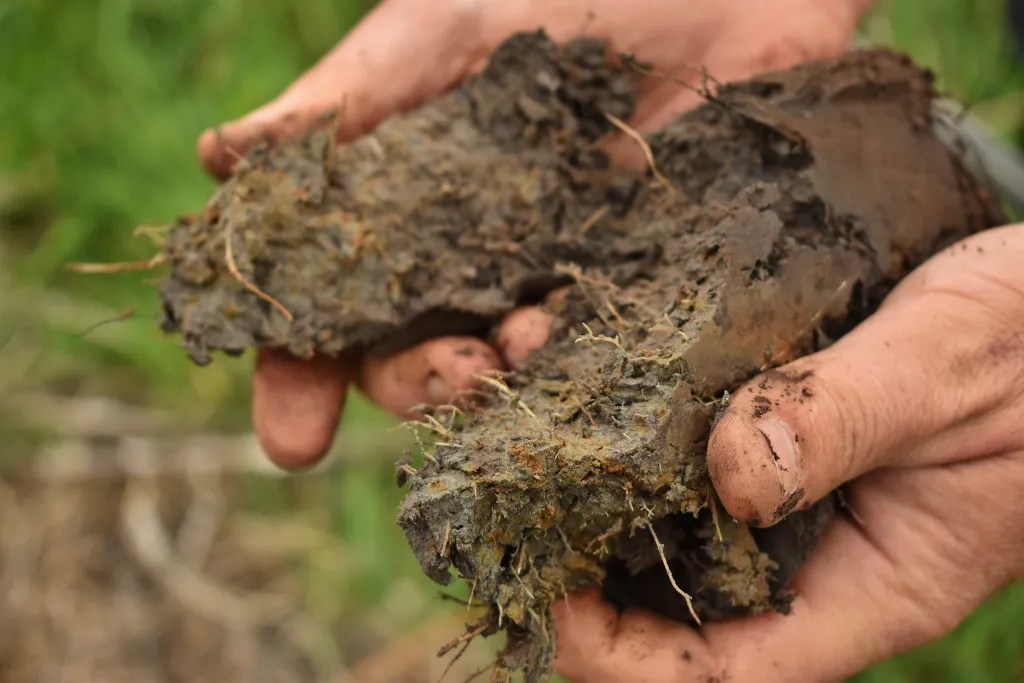
Registration Now Open! Wetland Classification, Delineation, WESP, Beaver Co-Existence, and More!
Join us For Hands-On Wetland Assessment Training in the Lower Mainland! Wetlands play an important role in flood mitigation, carbon storage, and provide critical habitat to hundreds of species, yet identifying and assessing them in the field can be challenging without hands-on experience and training. Wetland Assessment Course This July, the BCWF’s Wetlands Education Program will be offering a multi-session Wetland Assessment Course in the…
-

Species Profile — North American Beaver
Perhaps the only rodent anyone really appreciates, the North American beaver (Castor Canadensis) is the second-largest rodent in the world with a body length of up to 80 cm and an average weight of 16-30 kg. Across North America, beavers are known for building dams on rivers and streams—earning the name ecosystem engineers for their…
-

Final Report 2025
Healthy watersheds play a critical role in supporting fish, wildlife, and communities across British Columbia. In 2025, prolonged dry periods, wildfire risk, and intense rainfall events highlighted the importance of restoring and protecting wetlands and streams. In response to these growing climate concerns, the BC Wildlife Federation’s Watershed Team has continued to advance restoration and…
-

Aspiring Biologist Profile — Kaia Bjorklund
Kaia Bjorklund grew up in the forests and fens of Prince George where the land served as both her school and her playground. A member of the Lheidli T’enneh First Nation, she is a passionate, aspiring biologist with a strong connection to her heritage and the environment. Her love for nature led her to study…
-

When Roads Meet Wetlands — Assessing Impacts Across Northern B.C
Northern B.C. is shaped by wetlands — and by the roads that cross them. Understanding how the two interact is essential for protecting ecosystems and planning future development. This past field season, the BCWF Watershed Team and our First Nations partners hit the ground running, putting the Federation’s newest conservation tool, the Road Impact Wetland…
-
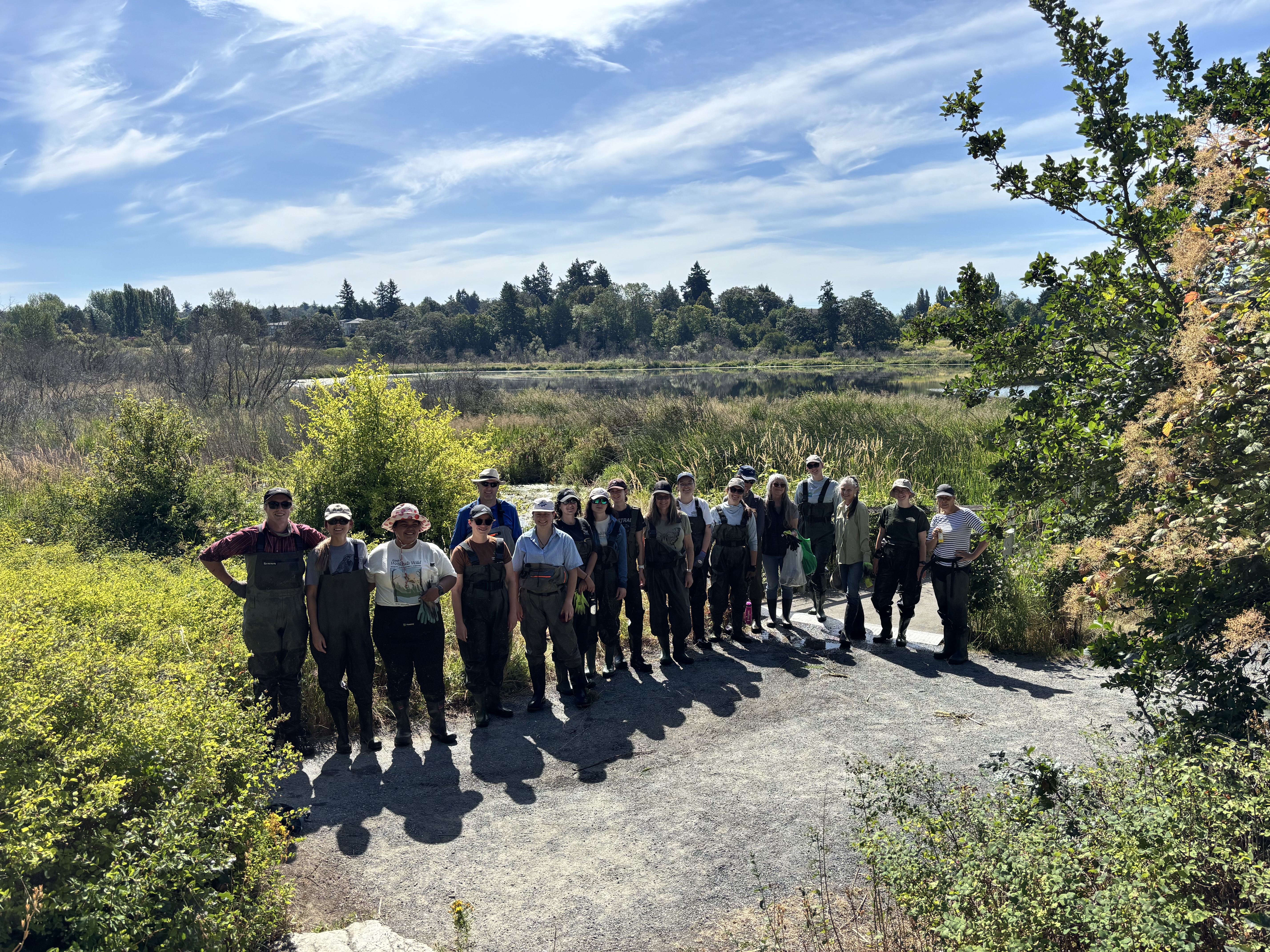
Building Wetland Stewardship Skills in Victoria B.C.
This July, the B.C. Wildlife Federation’s Wetland Education Program (WEP) facilitated a 2.5‑day Wetlandkeepers workshop in Victoria, B.C., in partnership with the Bilston Watershed Habitat Protection Association and Swan Lake Nature Sanctuary at Swan Lake Christmas Hill Nature Sanctuary—a living classroom rich with native plants, visiting and resident birds, and even a Western Painted Turtle.…
-
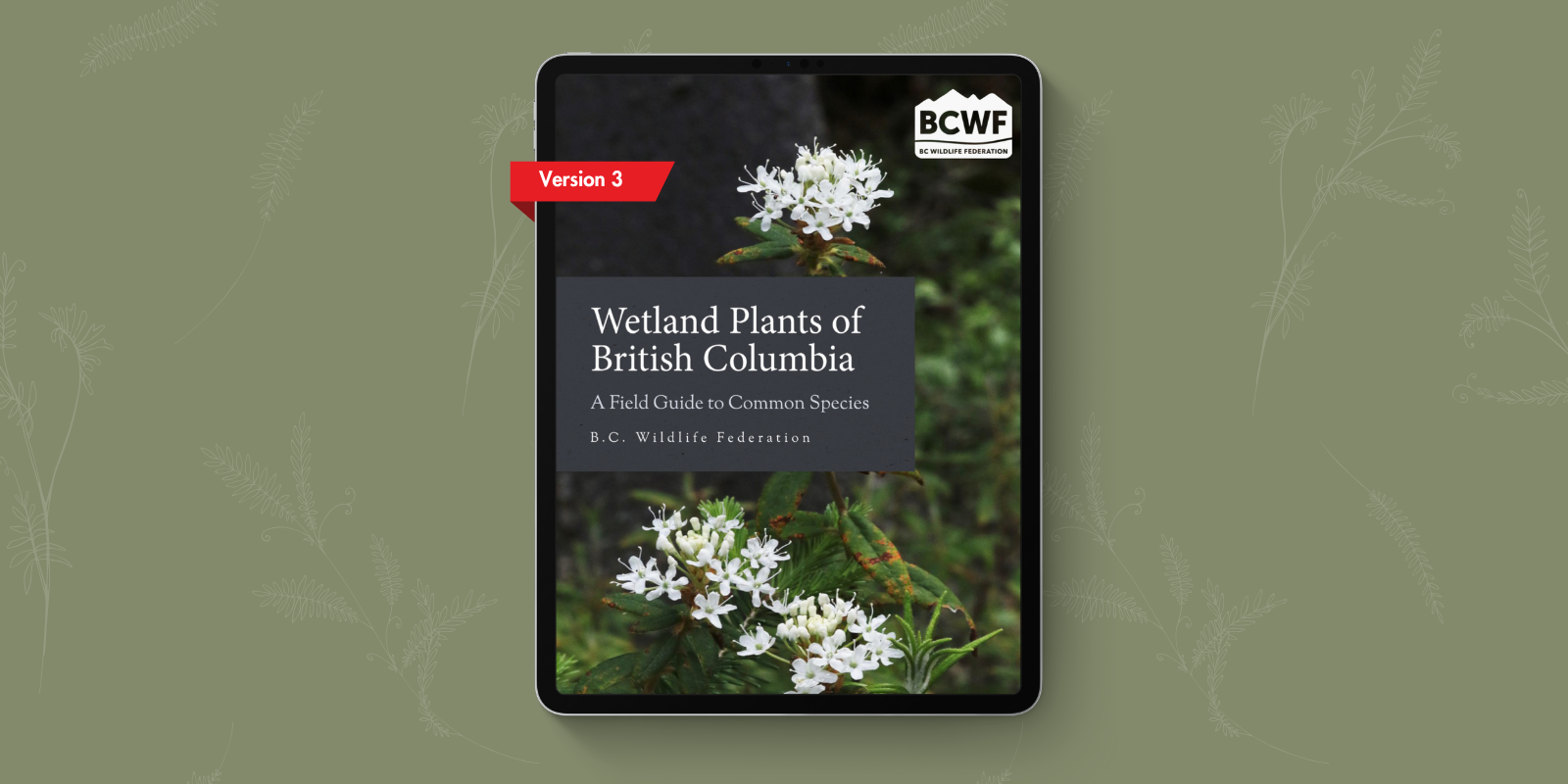
Now Available! Wetland Plants of British Columbia, Version 3
We’re excited to announce that Wetland Plants of British Columbia, Version 3 is now published and available for free download! Wetlands are essential ecosystems in British Columbia—rich in biodiversity and home to a wide variety species. This guide introduces common indicator species found in wetland habitats across the province and is designed to support users…
-
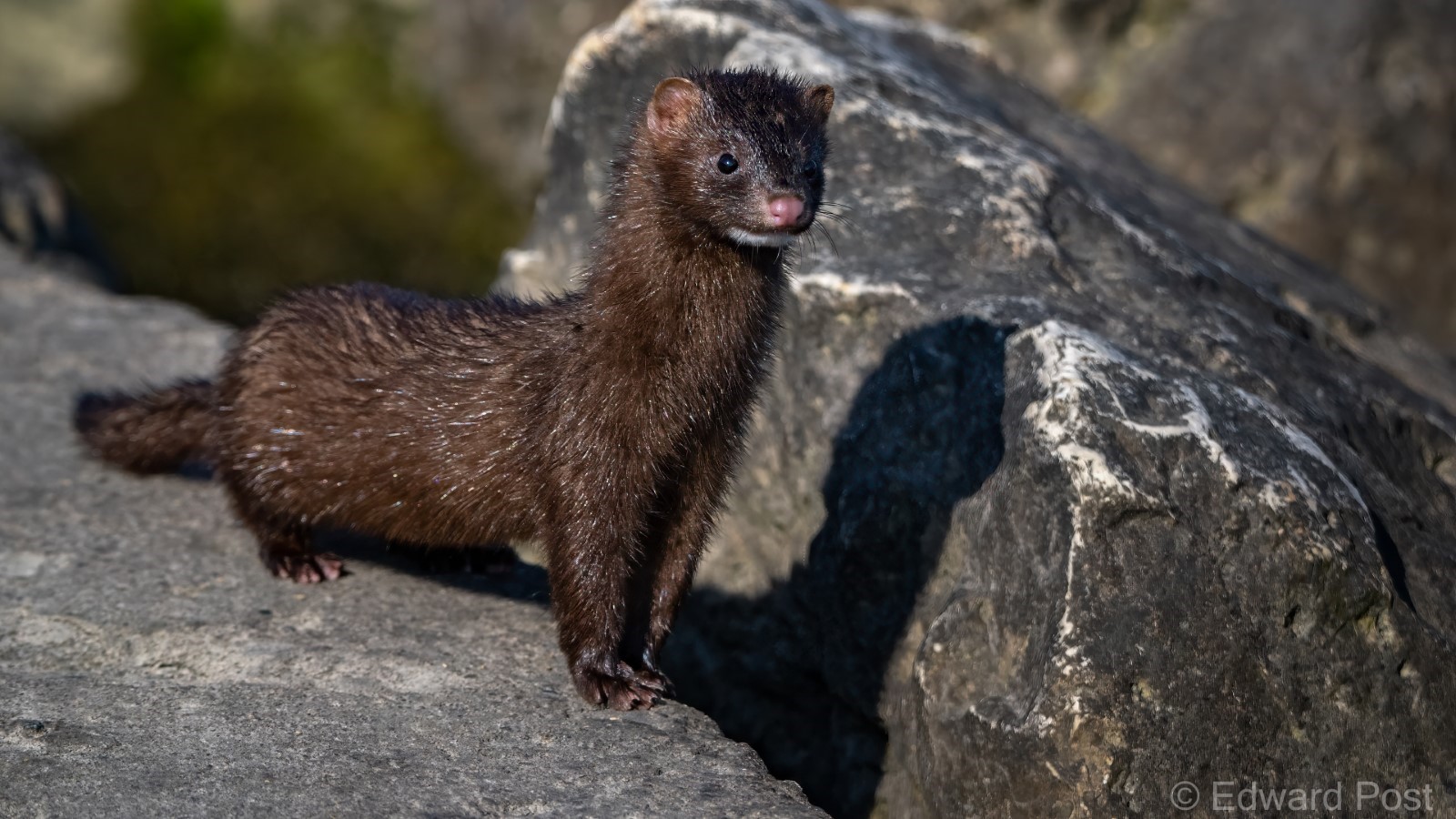
Species Profile — American Mink
The American Mink (Neovison vison) is an intriguing and often overlooked member of British Columbia’s wetland ecosystems. Native to North America, its range has expanded to Europe—and, to a lesser extent, parts of South America—largely due to fur farming and accidental or intentional releases. While it resembles a typical weasel, its larger, more robust form…
-
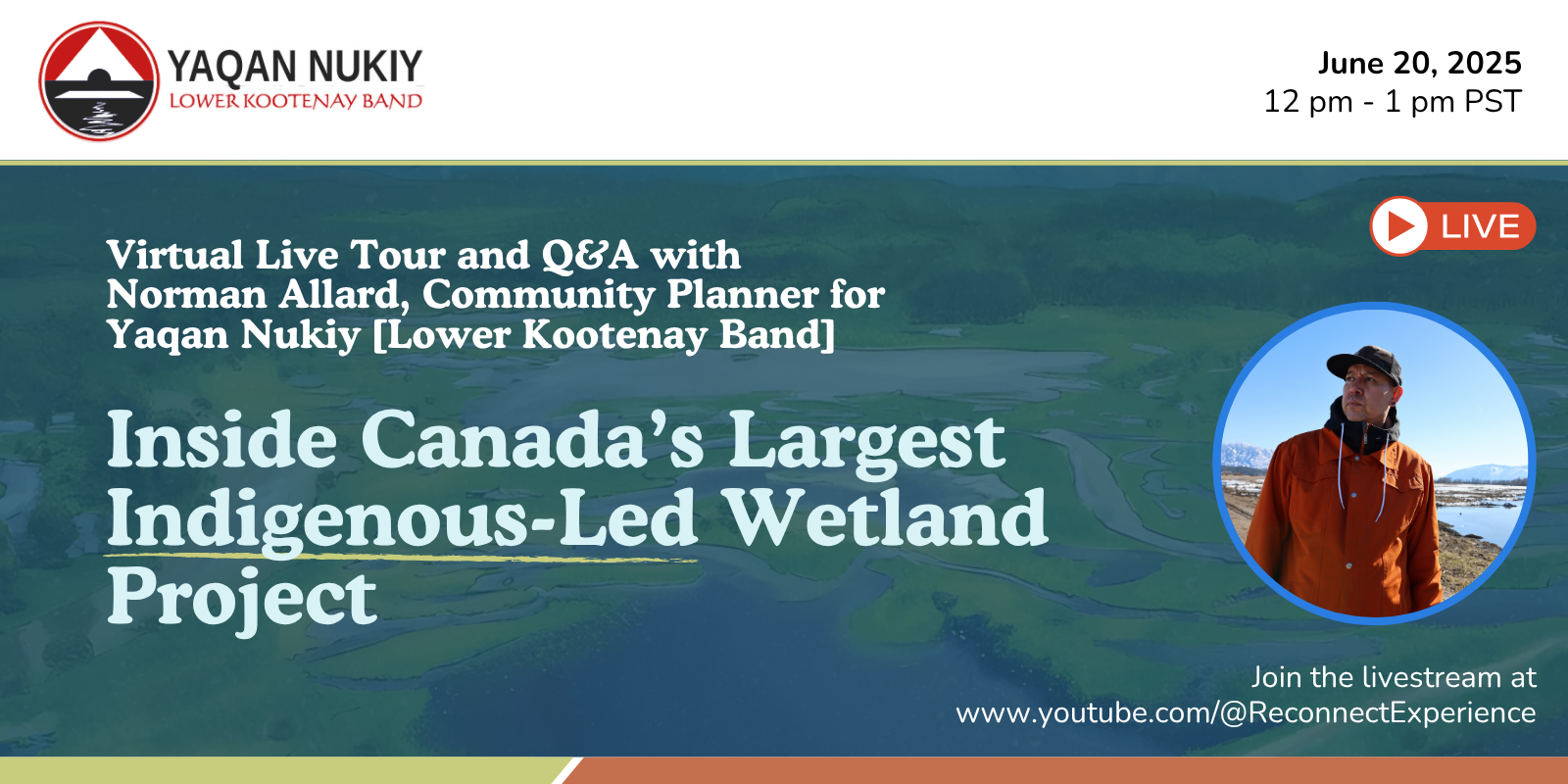
Upcoming Event — Virtual Tour of Canada’s Largest Indigenous-Led Wetland Restoration
Event Cancelled — Please check Norman Allard’s LinkedIn profile for rescheduling updates in the coming weeks. Inside Canada’s Largest Indigenous-Led Wetland Project Virtual Live Tour and Q&A with Norman Allard, Community Planner for Yaqan Nukiy (Lower Kootenay Band) Date: June 20, 2025Time: 12:00 p.m. – 1:00 p.m. PSTWhere to watch: www.youtube.com/@ReconnectExperience Join Norman Allard, Community Planner…