
Tag: Environment
-
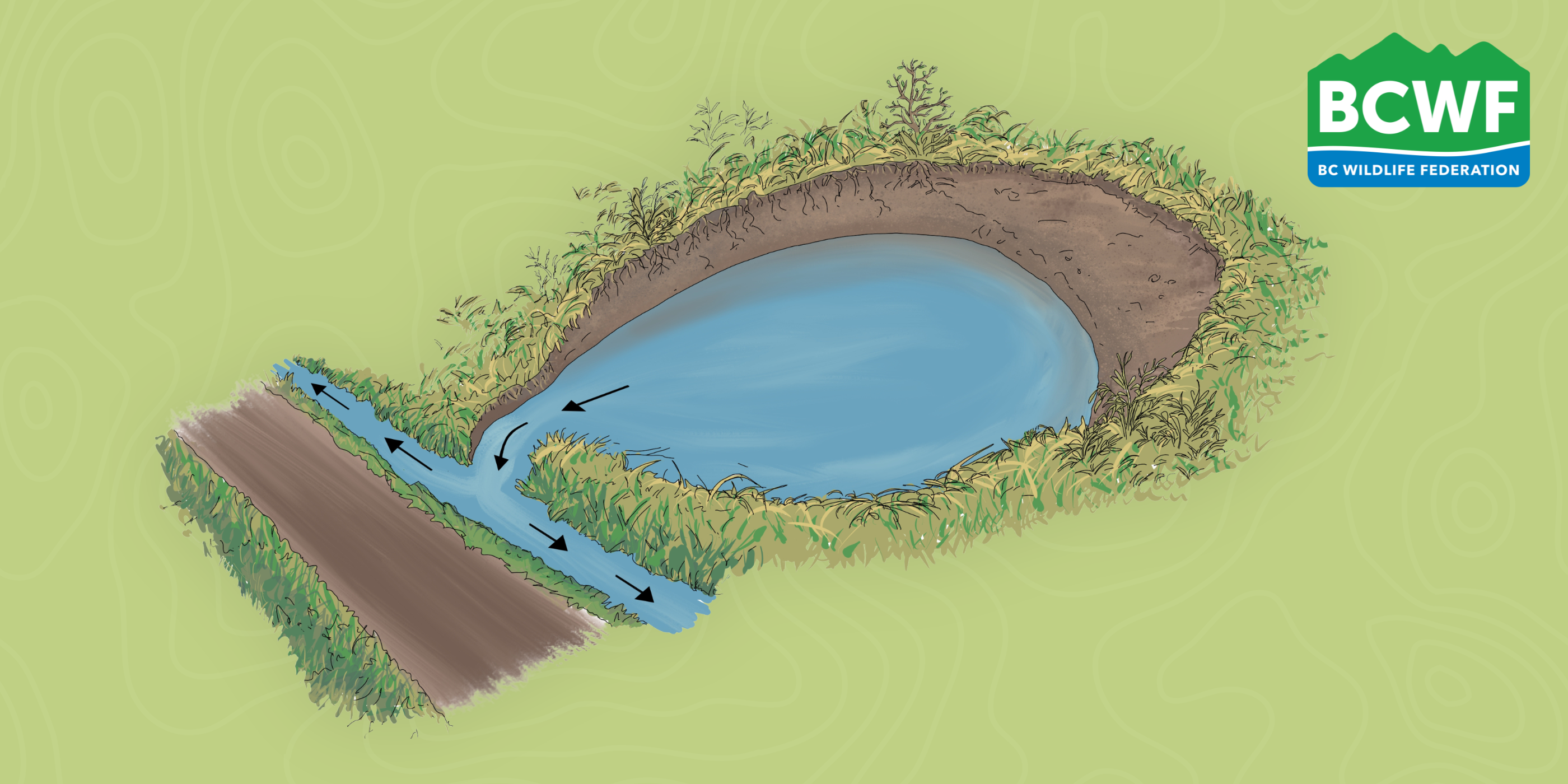
Road Impacts on Wetlands
Across British Columbia, roads often cross or run alongside wetlands. When this happens, they can change how water moves across the land and reduce habitat for fish and wildlife. Wetlands provide year-round food, cover, and water for a diverse range of fish and wildlife species, including moose, elk, waterfowl, salmon, and beavers. They also support…
-
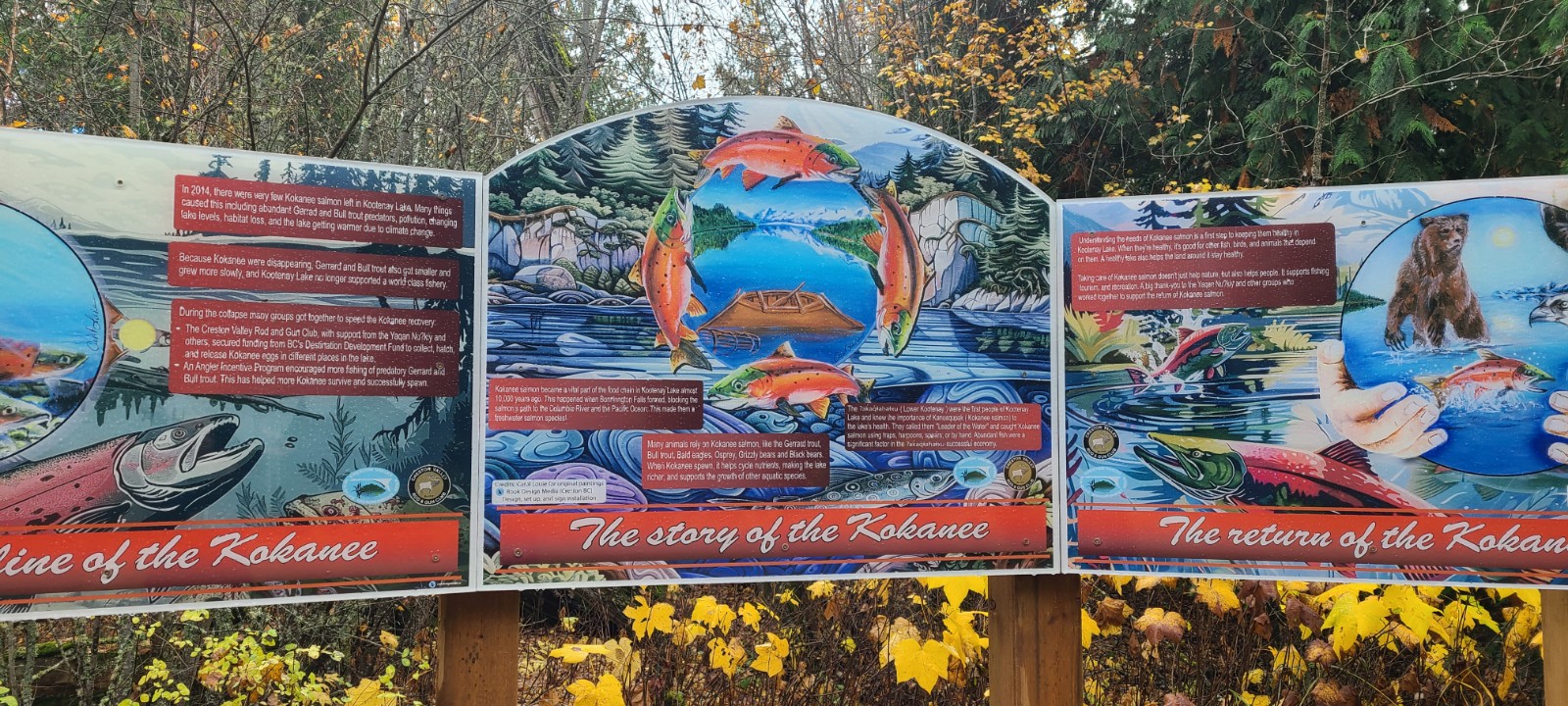
Creston Rallies to Restore Kootenay Lake’s Kokanee Salmon
Kootenay Lake’s Giants of Gerrard rainbow trout once routinely grew to an astonishing 30 pounds, but a decades-long ecological crisis triggered by hydro developments dating back to the 60s badly disrupted the lake’s Gerrard and Kokanee salmon populations. Now, an ambitious grassroots project spearheaded by the Creston Valley Rod & Gun Club is fighting to…
-
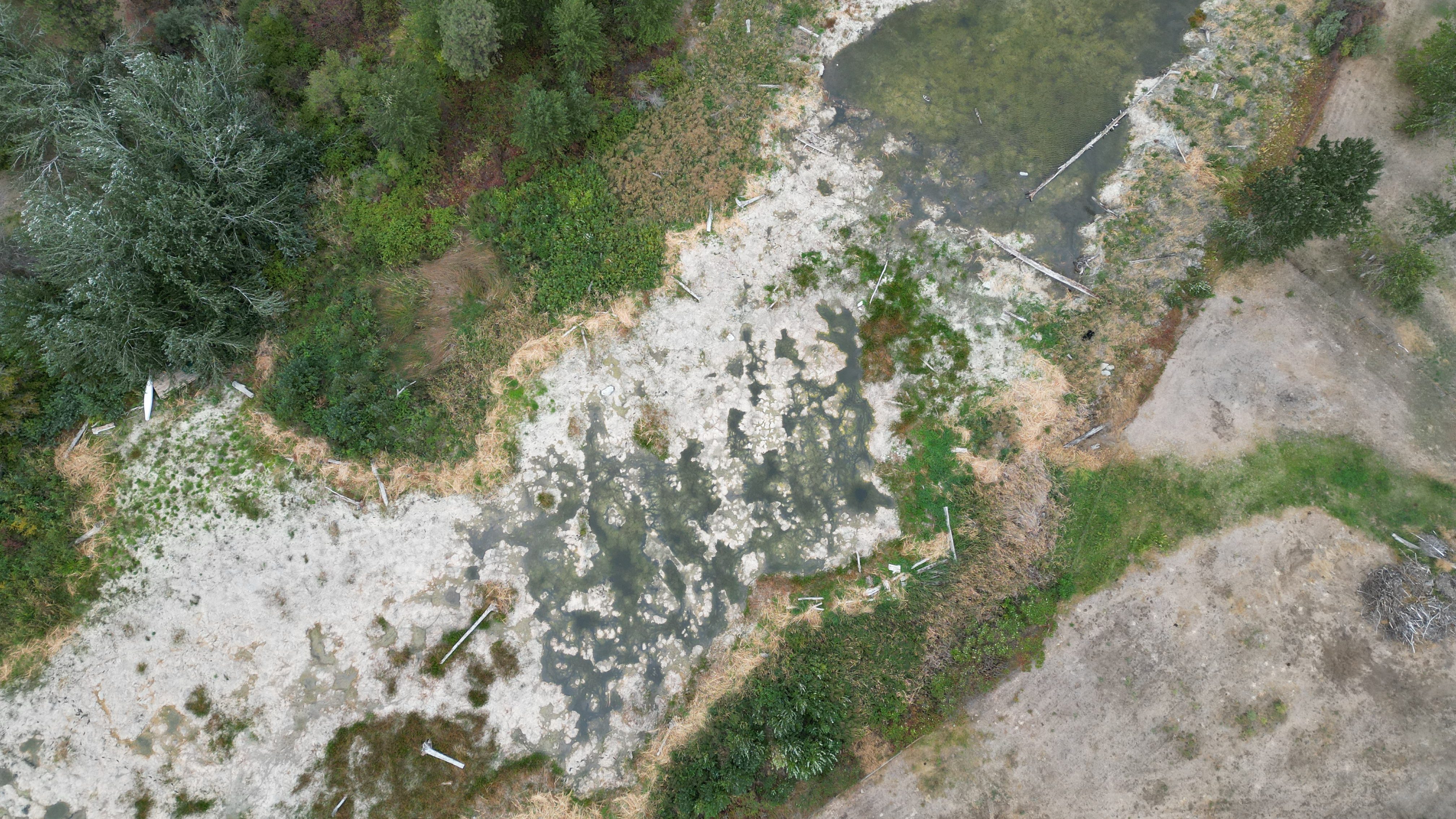
Low Water at Ginty’s Pond Highlights Need for Continued Investment in Watershed Restoration
For nearly four decades, wildlife biologist Al Peatt has kept a close eye on Ginty’s Pond, a wetland in the semi-arid, desert-like climate of B.C.’s Similkameen Valley. In 1990, under his leadership as one of the founding directors of the Southern Interior Land Trust (SILT), the organization acquired the property to protect its wildlife habitat…
-
Now Available! Wetland Plants of British Columbia, Version 3
We’re excited to announce that Wetland Plants of British Columbia, Version 3 is now published and available for free download! Wetlands are essential ecosystems in British Columbia—rich in biodiversity and home to a wide variety species. This guide introduces common indicator species found in wetland habitats across the province and is designed to support users…
-

Understanding Beaver Dam Analogues — Q&A with Jennifer Rogers
Restoring streams, floodplains, and wetlands doesn’t always require heavy machinery. Sometimes, simple, nature-based solutions are the most effective. That’s the idea behind low-tech process-based restoration (LTPBR)—an approach that uses natural materials and processes to support ecosystem recovery. Two widely used techniques involve building simple, hand-crafted structures inspired by nature: Beaver Dam Analogues (BDAs) and Post-Assisted…
-
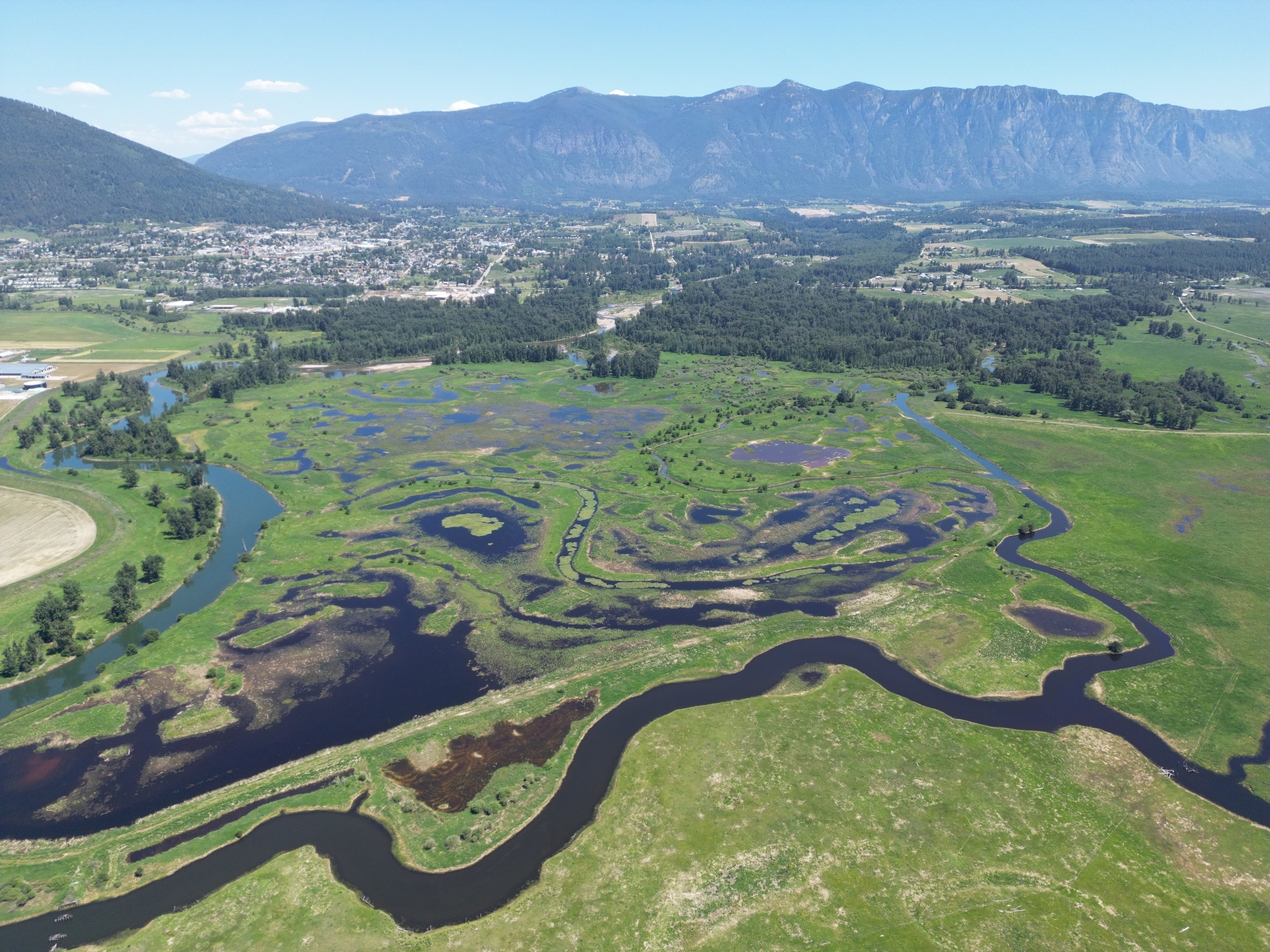
Reviving the Land — The Yaqan Nukiy Wetland Renaturalization Project
What happens when you let the land lead? In B.C.’s central Kootenay region, a wetland revitalization project led by the Yaqan Nukiy People (Lower Kootenay Band) is showcasing exactly that. Guided by millennia of Indigenous knowledge, the Yaqan Nukiy Wetland Project is one of the most ambitious restoration efforts in Canada. With a focus on…
-
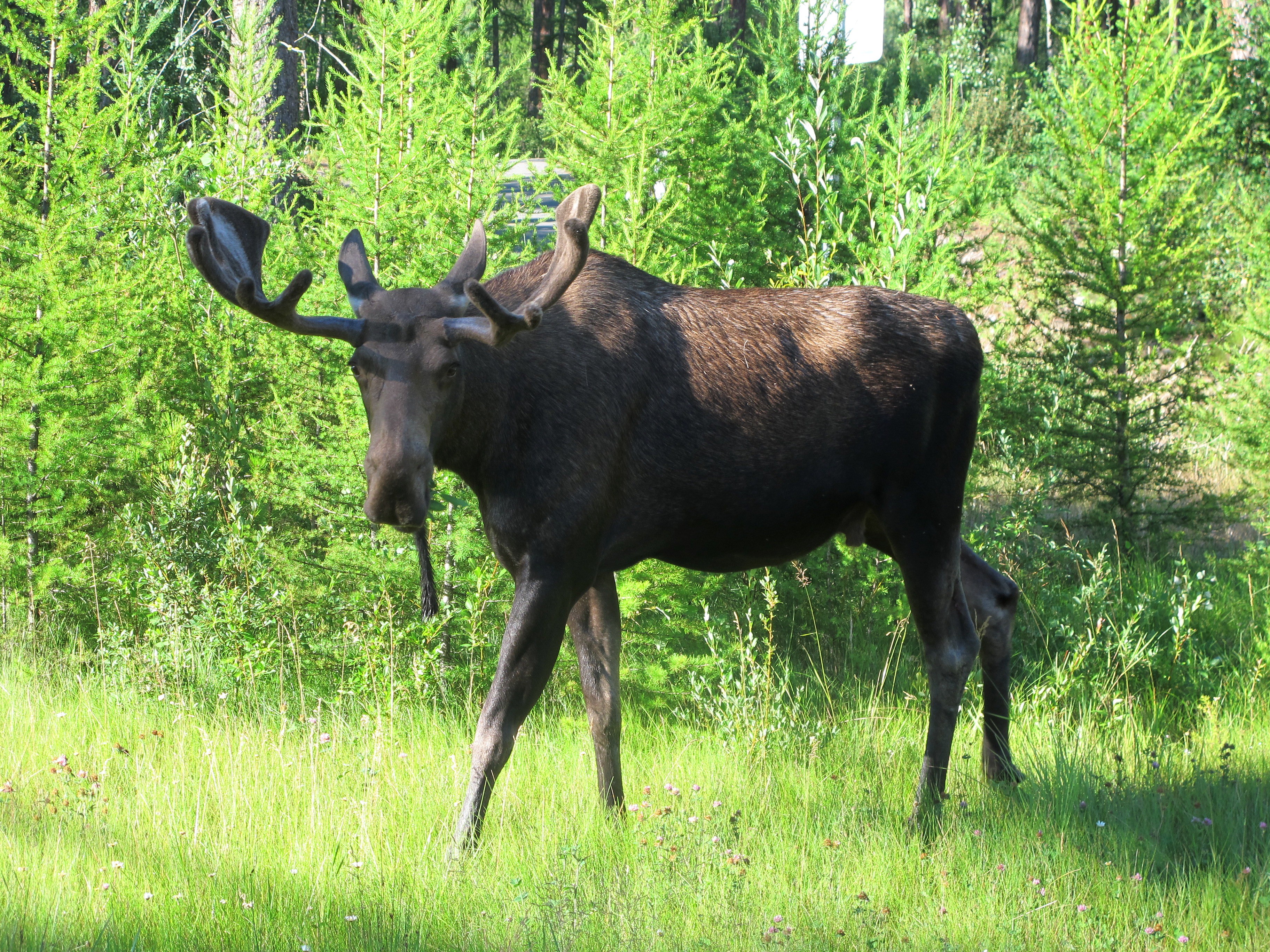
Species Profile — Moose
When we think of wetland species we often think of animals such as birds, amphibians, and aquatic insects. However, wetlands are renowned for being an ecological hotspot that house a surprising list of tenants – one of them being moose. Moose (Alces alces) aren’t always thought of as a wetland species, but they’re frequently seen…
-

Assessing Road Impacts on Wetlands in Northern B.C.
Introducing BCWF’s RIWHA Tool Across British Columbia, roads and industrial infrastructure continue to reshape wetland ecosystems—this is especially true in northern B.C., where decades of hydroelectric development and land-use change have left lasting marks on the landscape. To better understand and respond to these impacts, the B.C. Wildlife Federation has launched a new tool: the…
-
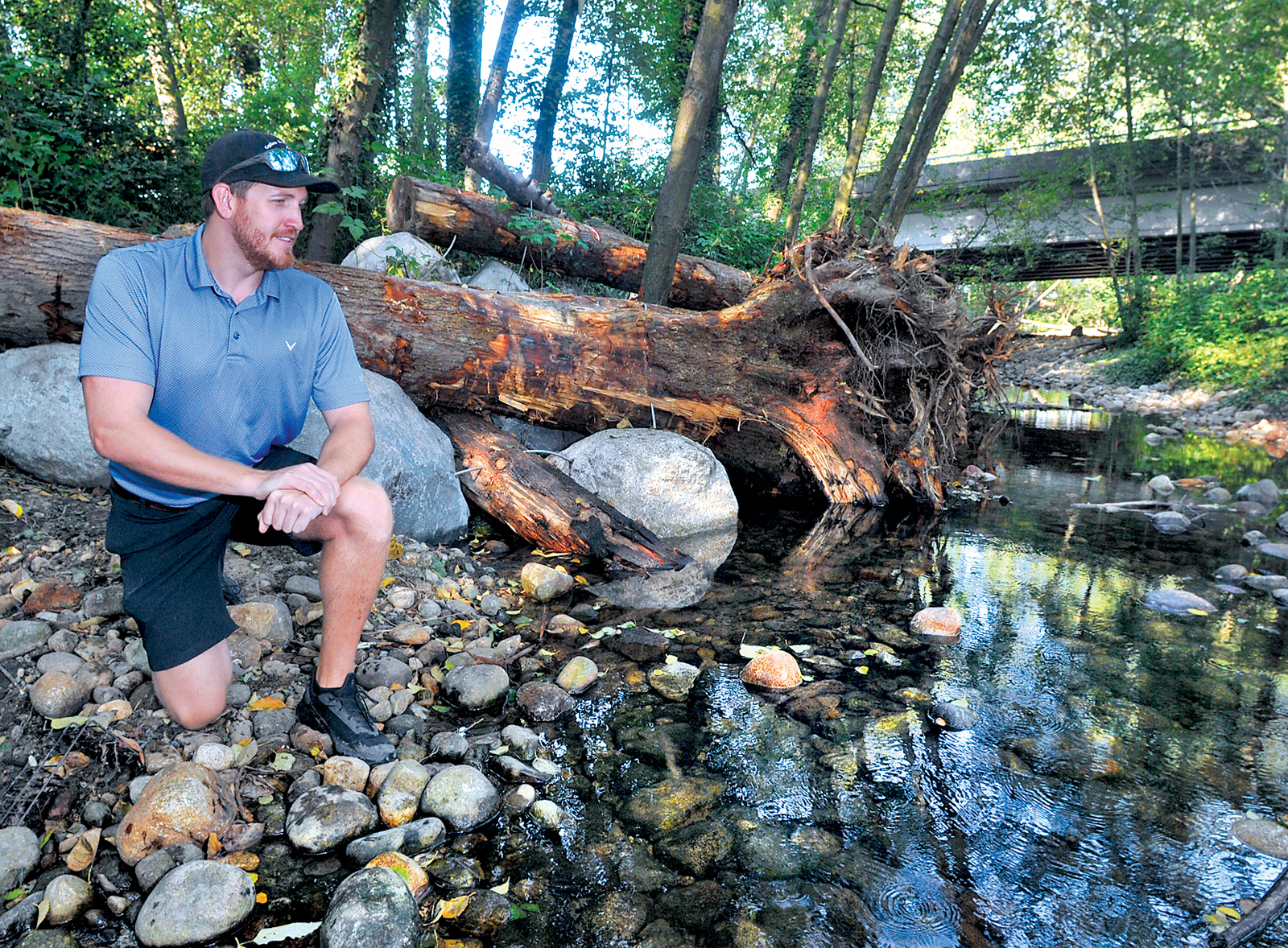
Bringing Back the Chum — Mosquito Creek Restoration
Mosquito Creek in North Vancouver was once a thriving salmon-bearing stream, but decades of urbanization, channelization, and flood control measures dramatically changed its course—both literally and ecologically. Since the 1960s, human impacts have degraded the creek’s natural habitat, making the return of salmon a rare sight. Recognizing the urgent need for restoration, the North Shore…
-
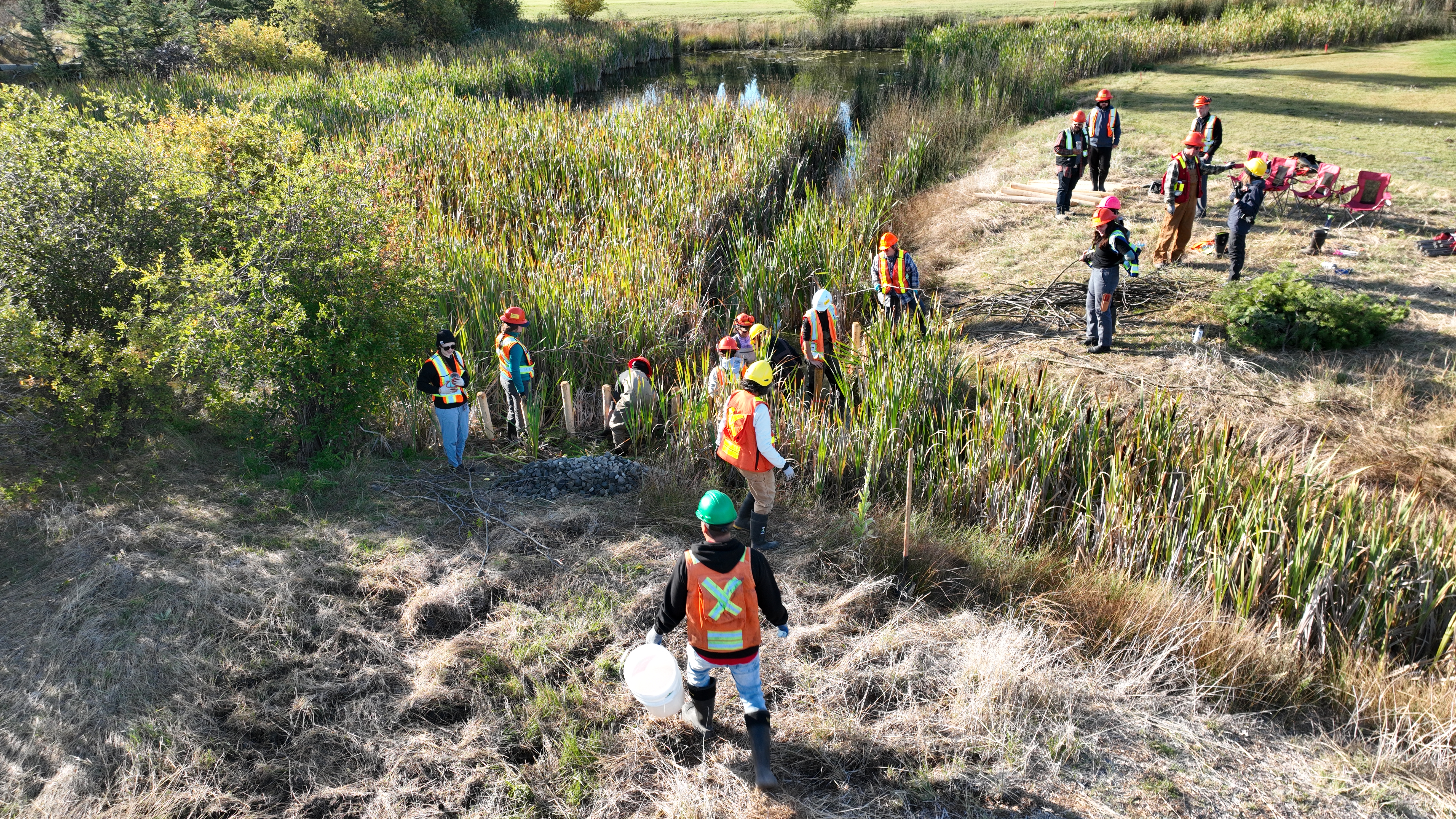
BCIT students cut their teeth on beaver-based restoration
For the first time, BCIT Master of Ecological Restoration students took instruction in beaver-inspired wetland restoration techniques with the goal of combating escalating droughts, floods, and wildfires. BCIT alumna and the B.C. Wildlife Federation’s Beaver Restoration Assessment Lead, Jen Rogers, led the new beaver-inspired workshops at Logan Lake last September. The BCIT training session included…