Did you know that North America was once covered with wetlands? It’s a wild thought when you look at today’s landscape, where fewer than 20% of wetlands remain in many developed areas.
Wetlands are one of nature’s most valuable ecosystems. They provide critical services like flood control, groundwater recharge, carbon sequestration, and natural water filtration.
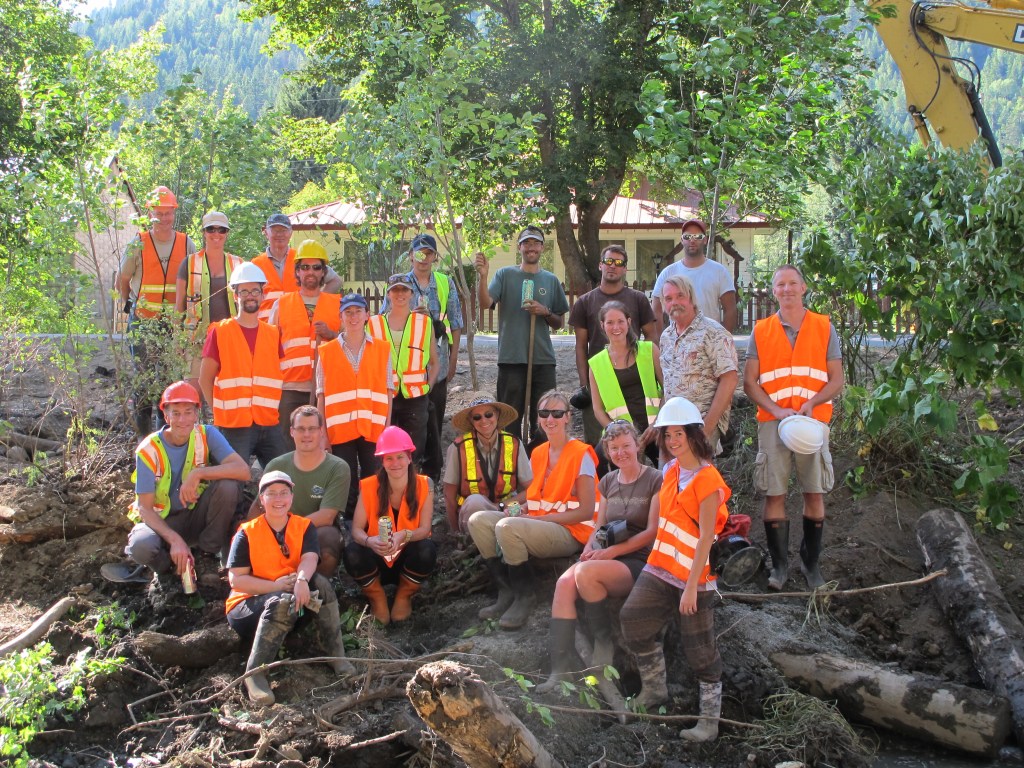
These are just a few of the eye-opening facts that enticed nearly 30 eager participants to attend the 2013 West Kootenays Wetlands Institute! This was the 11th Institute the B.C. Wildlife Federation has run to train wetland stewards across the province.
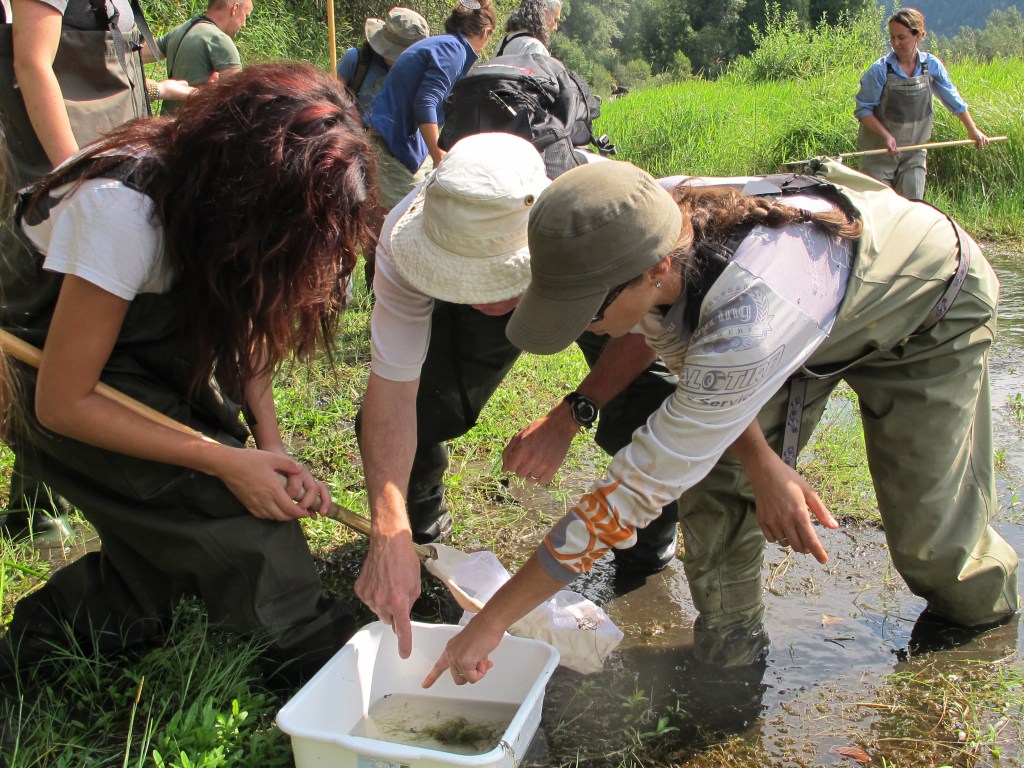
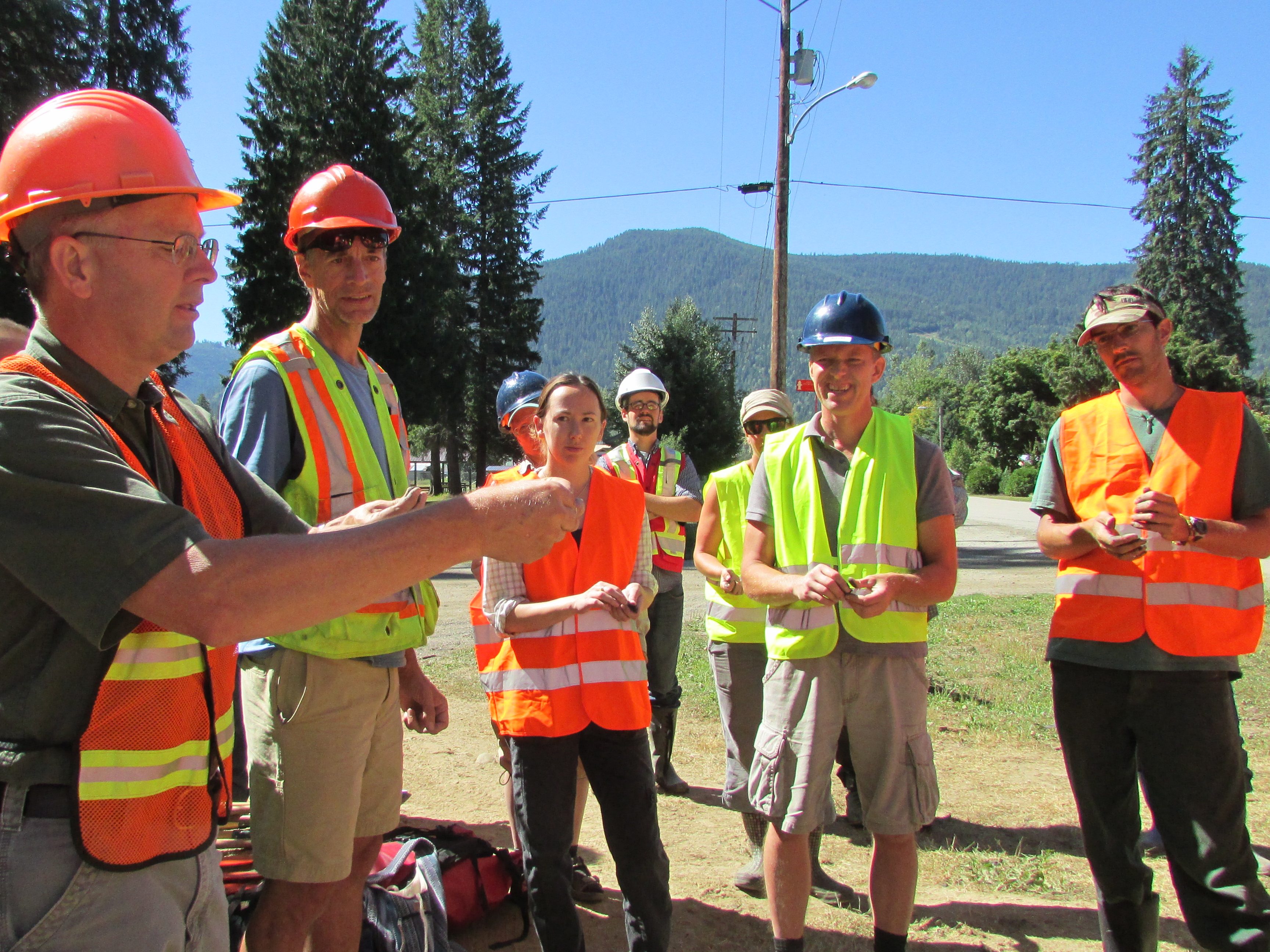
The Institute kicked off with Wetlands Education Coordinator Neil Fletcher, who explained the importance of wetlands and the need for more trained wetland stewards. Participants—ranging from habitat officers to woodworkers and arriving from as far as Terrace—travelled throughout Salmo, Castlegar, and Passmore over the week. They developed a broad skillset including plant and invertebrate identification, wetland classification, sourcing funding for wetland projects, and methods for engaging the public in wetland restoration.
Hands-On Restoration and Expert Training
Keynote trainer Tom Biebighauser of the Center for Wetlands and Stream Restoration started the week with a bang—sharing the dramatic history of wetland drainage in North America, including the extensive use of dynamite. Biebighauser has built over 1,500 wetlands across the continent, working to restore the natural, habitat-rich landscape that existed before European colonization.
Participants got hip-deep in restoration efforts, improving a stormwater retention wetland near KP Park in Salmo and enhancing a wetland complex at Tulaberry Organic Farm in Passmore. They sourced onsite natural materials to build toad houses, dragonfly perches, and rock bridges, while also planting cuttings, saplings, and seeding to prevent invasive species. Biebighauser provided hands-on training on wetland design, soil sampling, and restoration planning. Thor Smestad of Treebear Native Plants and Ecological Services supported participants with techniques for successfully planting live stakes.
At Sunshine Bay Regional Park, participants met Kurt and Jennifer Dehnel of the Harrop Riparian Society, who explained how wetlands around Kootenay Lake have been degraded by recreational use. The Harrop Riparian Society is working with local communities to increase education and encourage wise use of these important areas.

Fighting Invasive Species and Protecting Biodiversity
Participants also engaged in important invasive species work. Sarah MacCrimmon from the Invasive Species Council of BC led an inspection of a demonstration boat for potential zebra mussels as part of the Clean, Drain, Dry program. Jen Vogel of the Central Kootenay Invasive Species Committee led a field session removing seed heads from invasive yellow flag iris (Iris pseudacorus) at Mel Deanna Pond.
Early risers joined bird expert Janice Arndt to pilot a new Marsh Monitoring Program protocol for waterfowl and songbirds.
Diverse Perspectives and Practical Training
The week also featured a variety of guest speakers:
- Jennifer Yeow from the Slocan River Streamkeepers shared riparian and wetland monitoring efforts in the Slocan Watershed, including data crucial to assessing impacts from the recent Lemon Creek jet-fuel spill.
- Claire de la Salle from the Kootenay Conservation Program discussed working with private landowners to protect wetlands. The KCP has helped conserve over 300,000 hectares of high-value lands, including wetlands.
- Russ LaRoche, Woodlands Manager with FLNRO, led a discussion on forestry regulations and wetland protection.
- Brian Heise, Associate Professor at Thompson Rivers University, gave an interactive presentation on invertebrate identification and survival strategies.
To boost communications skills, Lorna Visser of Carmanah Strategies taught participants how to craft effective conservation messages. Rachel Schott of the BC Wildlife Federation provided tips for promoting wetland initiatives on social media. Neil Fletcher shared strategies for writing successful grant applications, while Irene Manley from the Fish and Wildlife Compensation Program explained how grants are evaluated.
Wetland Policy, Planning, and Watershed Management
Mid-week, the Institute hosted a one-day Wetland Workshop for participants and regional representatives.
- Deborah Carlson from West Coast Environmental Law discussed using the Green Bylaws Toolkit to strengthen wetland protection.
- Greg Sauer, municipal planner with the City of Kelowna, presented on wetland mapping tools and municipal land-use policies.
- Graham Watt, coordinator of the Kettle River Watershed Management Plan, addressed the challenges of watershed-based management for wetland and riparian protection.
Heading Home with Muddy Boots and New Skills
After a week of engaging presentations, muddy gumboots, and multi-stakeholder collaboration, participants left the Institute as empowered wetland stewards, ready to apply their skills to projects across the province. Go forth and restore wetlands!
The Institute would not have been possible without the financial support of Habitat Conservation Trust Foundation, Wildlife Habitat Canada, Columbia Basin Trust, Fish and Wildlife Compensation Program, the Real Estate Foundation of BC, Shell Canada, Environment and Climate Change Canada, and the Government of British Columbia.
 BCWF Watershed Team
Leave a comment