
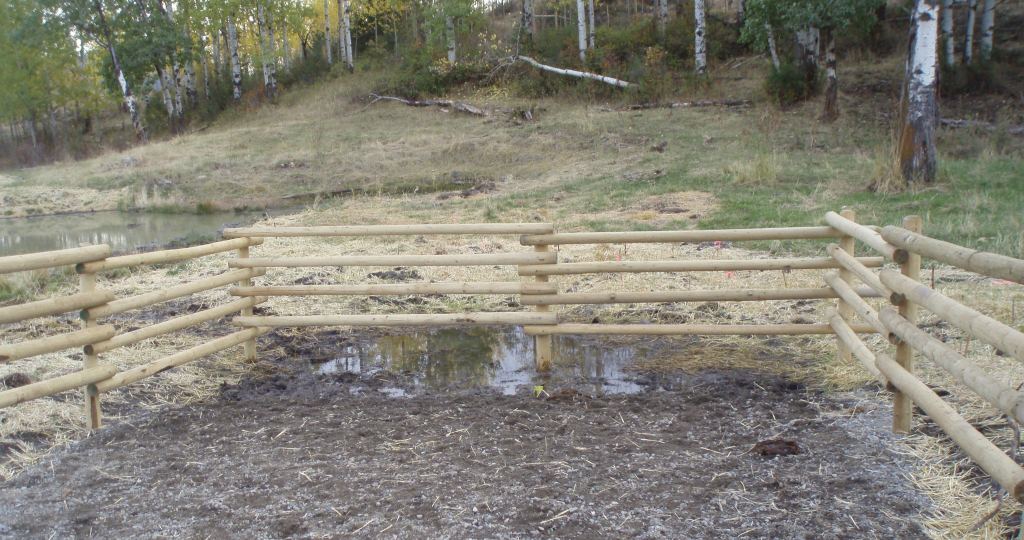
The Stud’s Pasture Wetland on the Tk’emlups Indian Reserve near Kamloops, BC was restored as part of the Wetlands Institute in the summer of 2010. It is currently being monitored by enthusiastic past participants of that institute, Sue Huddart & Diane James. They have since been featured as wetland stewards in our article for Womens Outdoor World Magazine:
“When Sue & Diane completed the program they had become motivated to continue monitoring the restored wetland and champion continued collaboration within their community and BCWF. When asked about the most valuable part of the course, “The whole thing- it opened up a new world. Most valuable was the knowledge that now lets me contribute/get involved with future wetland projects in my community.“
Recently, Neil, his wife (& resident photographer) Eryne, and assistant Natashia Cox traveled from Vancouver to Kamloops to look at the potential for further restoration to this site (for more information on this experience, click here). The wetland that we built last year has matured: plants that we put in during the institute are coming back with the Spring weather and the water level is quite high. Sue and Diane have seen a pair of Golden eye ducks in the wetland as well, indicating that it has potential to house wildlife. We have determined that the site will be further restored this fall in the 2011 Kamloops Restoration Workshop.
June 4th, 2011 was the Stud’s Pasture Wetland’s 1st birthday! Read Sue’s update on this glorious success…
Our passionate Stewards from the 2010 Wetlands Institute, Diane and Sue, have decided to share the birthday of their pet wetland. On June 4th, they donned their custom made Swamp Patrol t-shirts and decided to celebrate the momentous occasion. Sue described the event with pride in an email:
“Yesterday was the SP 1 year birthday. There were 6 geese and 2 mallards on the water when we got there. We celebrated by digging up thistles for a couple of hours. It barely made a dent but a few more visits should help. We bought the swamp a birthday present with our beer can money! 3 bales of barley straw to put out on the ice this winter.”

Update Two from Sue (October 10, 2011)
Diane, Ernest and I visited the new wetlands this weekend, so I thought it a good time to update people on the progress of each site. Both projects are now fenced which is particularly good in the case of Strawberry Hill. Two days after we finished planting, cows were all over the site and in the water. Luckily, it seems the plants survived and the cows are now excluded.
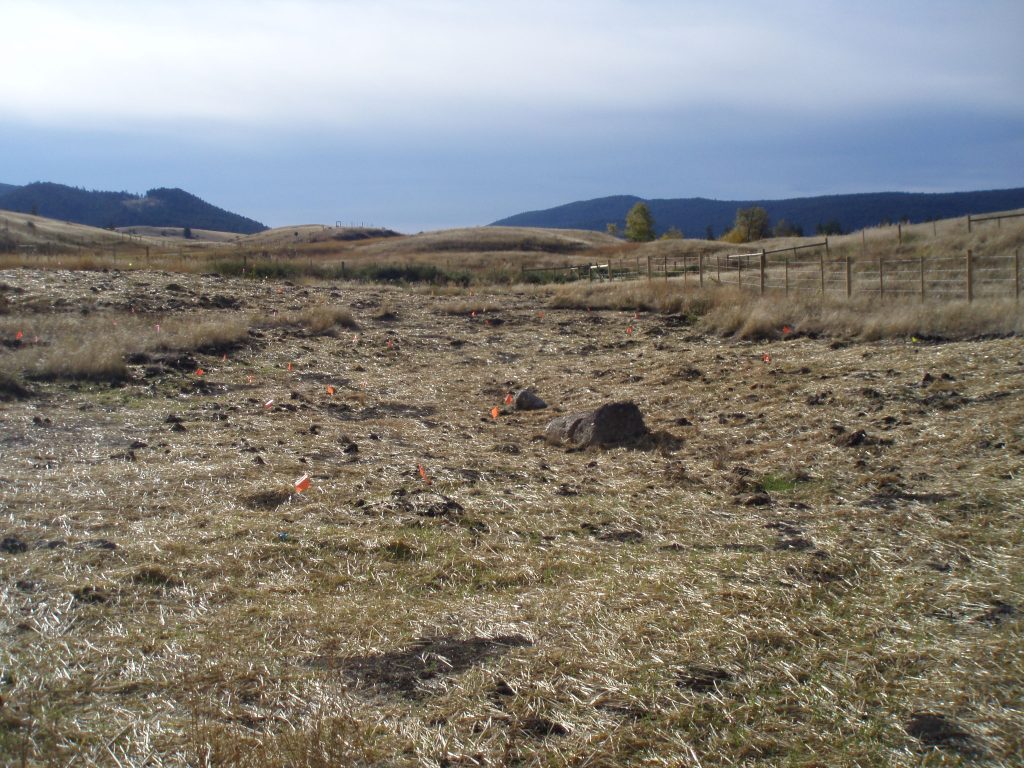
There was some initial excitement as the water at the base of the ramp had risen overnight, then concern when, 2 days later, it was gone. Ernest suggested that the ground was just getting saturated where it had previously been dry, and sure enough, there was water when we visited this weekend. Not a lot, but there nonetheless!
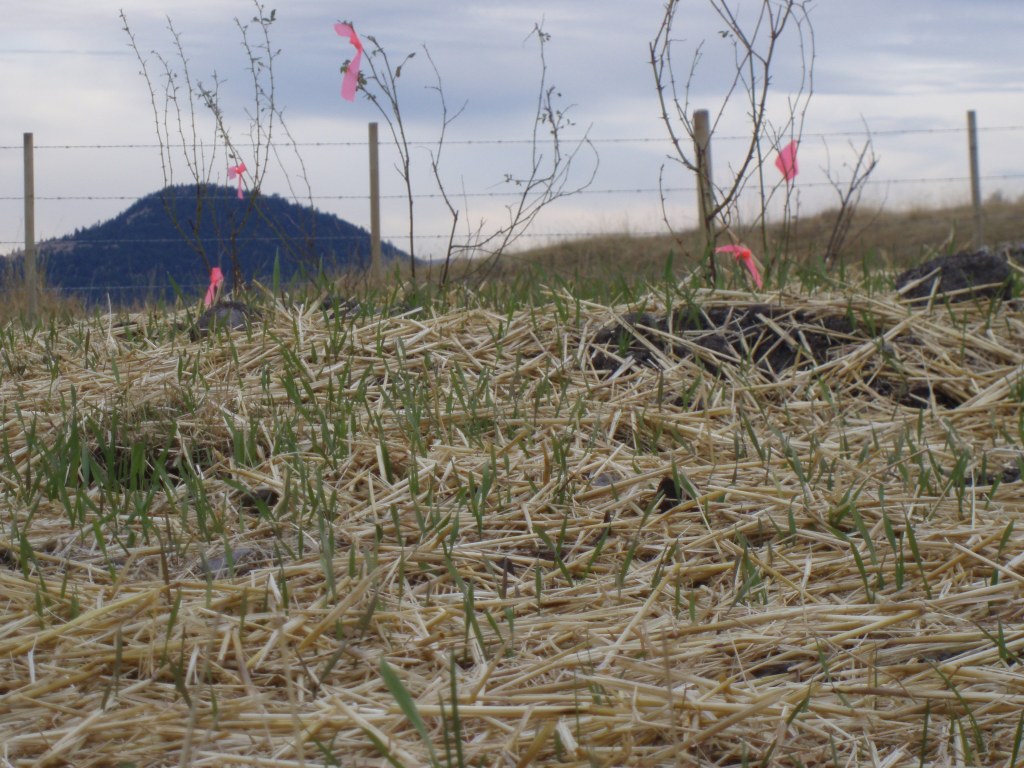
Overall, he thought the project was a big improvement to the original wetland. The fall rye was sprouting and the fall colours really highlighted the setting.
Ernest was concerned that the ramp did not extend far enough into the ‘pond’, and that more depth was needed to ensure water through the summer. If funds were available, it would not take much to have a smaller machine fix the problem. A slightly steeper ramp would not deter cattle.
Stud Pasture is also doing well with good plant survival and slightly higher water levels in the 2 deepest holes of the complex. The water is clear and full of insects. I think it will look great in spring when the melt fills all the depressions. There is no recent sign of cattle use in this area, but the original site is a popular bedding ground for a lot of deer, possibly a moose and tons of little critters like mice and voles. A big improvement over what was a compacted mud hole less than 18 months ago. Ernest was impressed with our gathering and spreading of the foxtail barley seed, and speculated that that was perhaps one of the most useful things we did to combat the potential weed problem.
The biggest changes will be evident next spring at high water and as plants begin to grow. Stay tuned for contrast photos!
Update Three from Sue (April 13, 2012)
Weather is warming and a seasonal update is long overdue. The Strawberry site is still frozen. However, even in January, a small area of open water was being used by a variety of critters as evidenced by the number of tracks circling the water. The big surprise though, was Stud Pasture. We had put 3 barley straw bales on the ice so that they would sink into the water when the ice melted. According to Ernest, they would help to inhibit the growth of filamentous algae. The bales were bought with funds raised through collecting discarded bottles and cans! They were placed on the ice in late January.

About Sue Huddart: Wetland Steward and self proclaimed “Swamp Patrol” Sue Huddart and her partner Diane James have taken great initiative in monitoring the Stud’s Pasture Wetland, after the BCWF Wetlands Institute of 2010. In collaboration with the Wetlands Education Program and the Tk’emlups Indian Band, they are currently they are also helping to monitor the Strawberry Hill wetland that will be a site of the September 2011 Kamloops Wetland Restoration Workshop. This will be in the hope of providing habitat for wildlife including the Spadefoot, a species at risk.
 BCWF Watershed Team
Leave a comment