Restore a Wetland, Create Beautiful Habitat
Do you want to increase natural biodiversity in your community? Restoring a wetland on your land or school is a great way to steward British Columbia’s natural spaces and protect the province’s fish, wildlife and habitat for future generations.
Partnering with a conservation organization like B.C. Wildlife Federation can transform your vision of a wetland restoration into reality. Below, you’ll find information on restoring wetlands, including why wetlands are important, what to consider if you think you have a candidate site for restoration, resources for landowners, and more.
Why Should We Restore Wetlands?
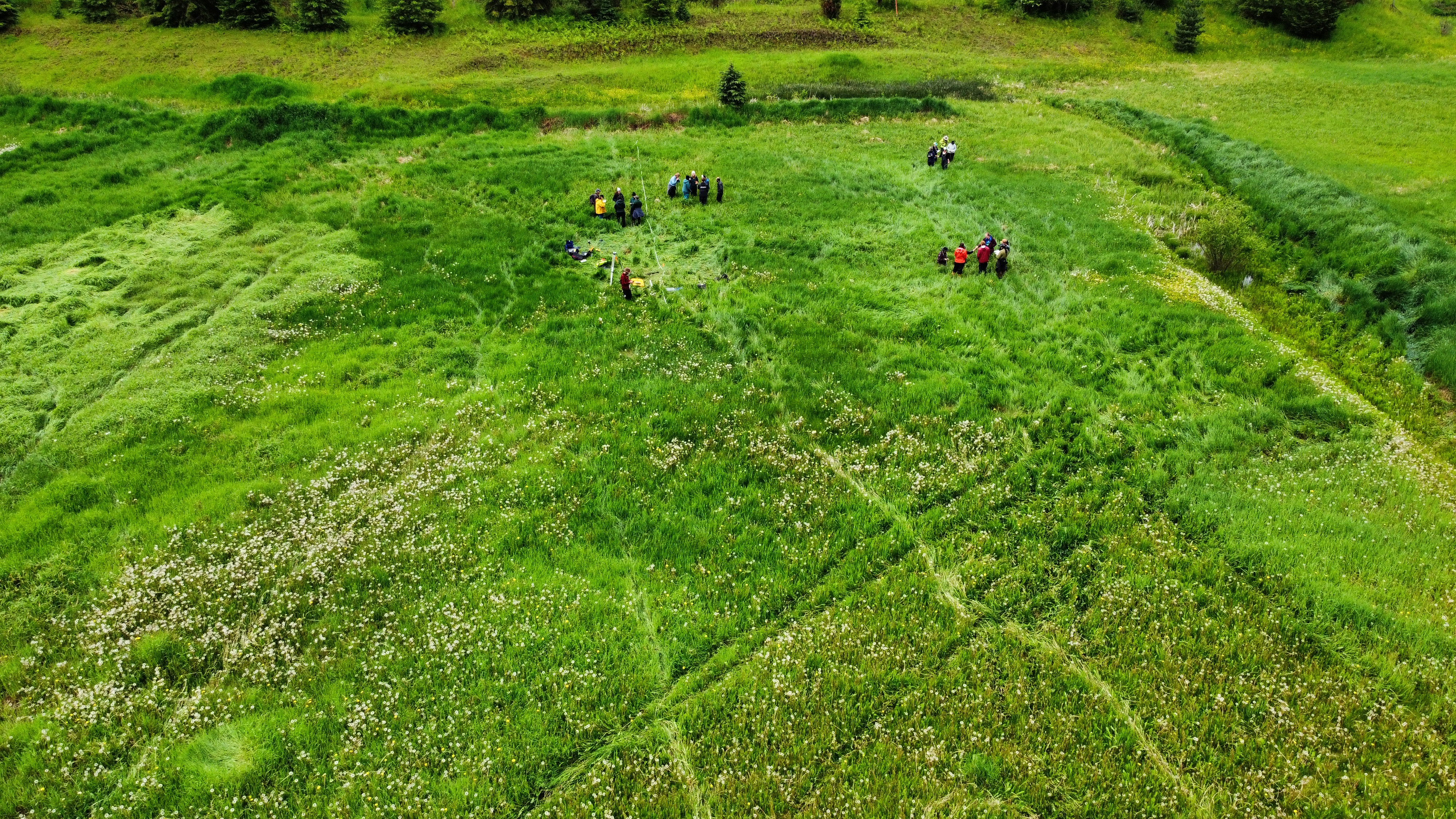
Wetlands are an integral part of British Columbia’s landscape. These ecosystems have countless benefits; they can purify water, control floods, mitigate climate change, provide wildlife habitat, and more. Unfortunately, wetlands are disappearing from our landscape. Over the last century, many wetlands across Canada have been degraded or entirely destroyed, especially in populated areas.
Since much wetland habitat is under private ownership, landowners have a unique opportunity to steward the province’s natural spaces and maintain their value for future generations.
Is Your Site a Candidate for Restoration?
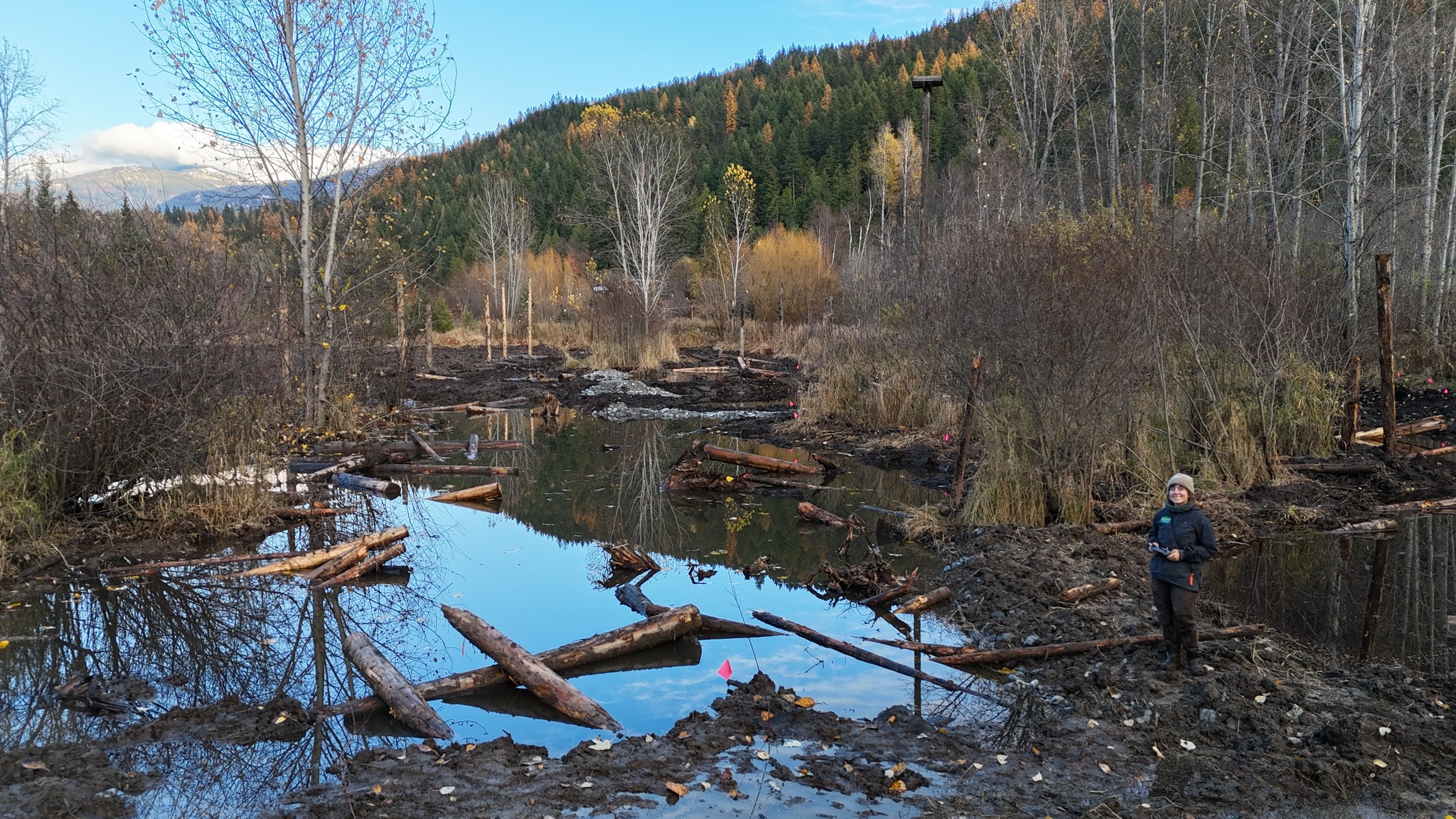
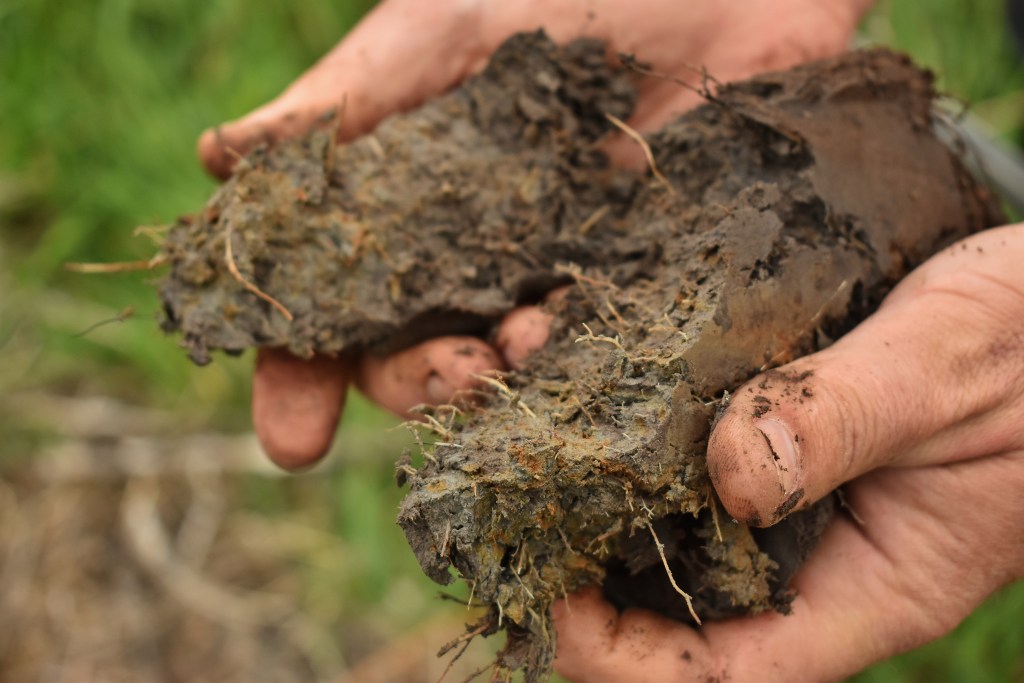
Think you have a wetland site that is in need of restoration or enhancement? Please carefully consider the following questions and send us an email at wep@bcwf.bc.ca with your answers.
- Please clearly list what your concerns are about the current state of existing wetlands, if applicable.
- If there is no existing wetland(s), please detail why you believe this is a candidate site for restoration.
- Were there wetlands on your site previously?
- What are your goals and specific objectives for the potential wetland project?
- What is the size of the area to improve?
- Confirm the location (with a pin or a map).
- Are there risks to neighbours or infrastructure on your property if you create a wetland?
- Are you the land owner of this parcel? If not, who is?
- If you are the landowner, are you willing to sign a stewardship agreement for the property?
- Do you have any resources you can contribute to this project? (e.g., time, funding, supplies)
- Are you a current BCWF member or club member?
Wetland Restoration Techniques
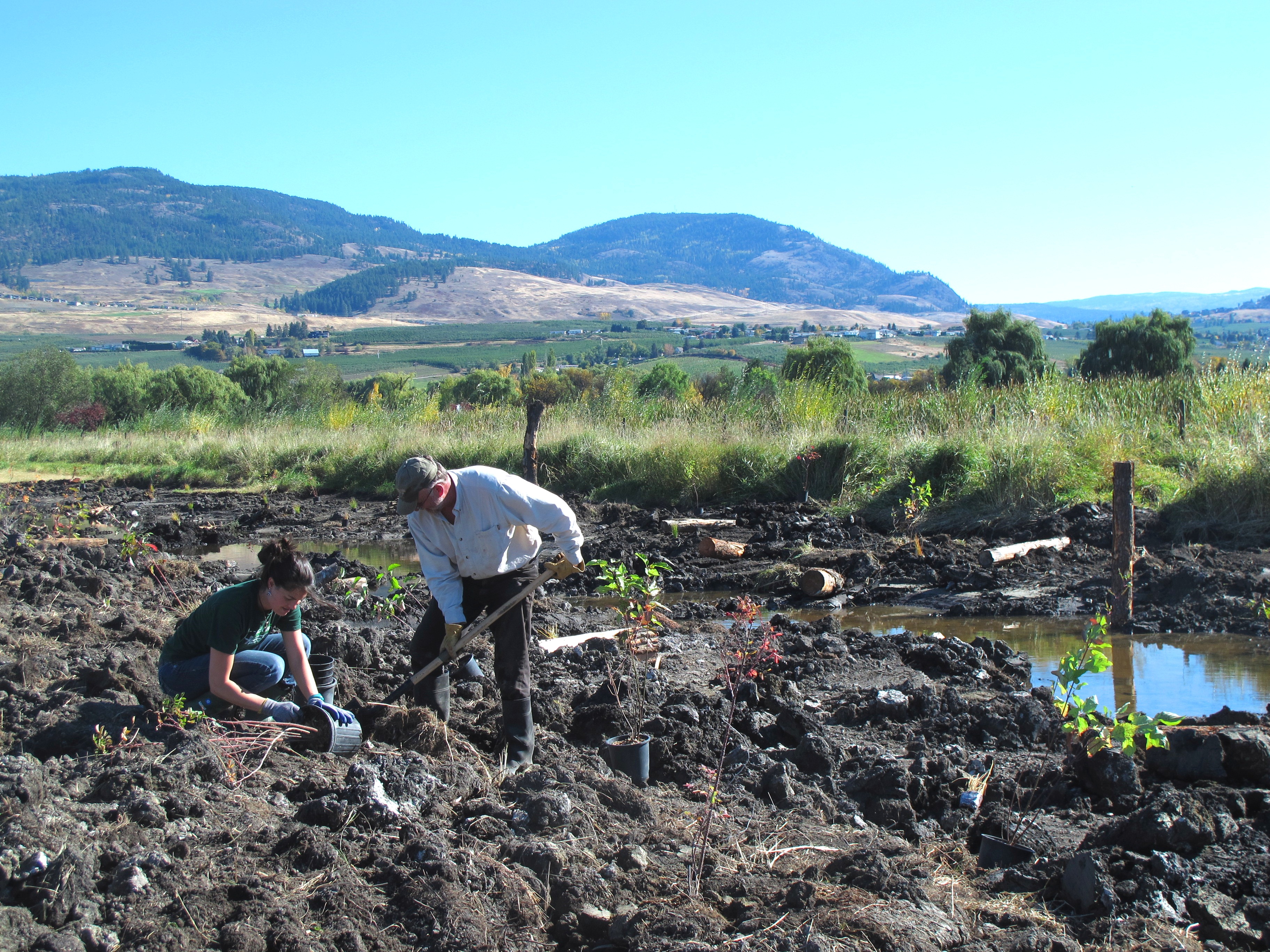
If your site is a candidate, then you should be able to create a natural-looking, low-cost wetland with one of the following techniques:
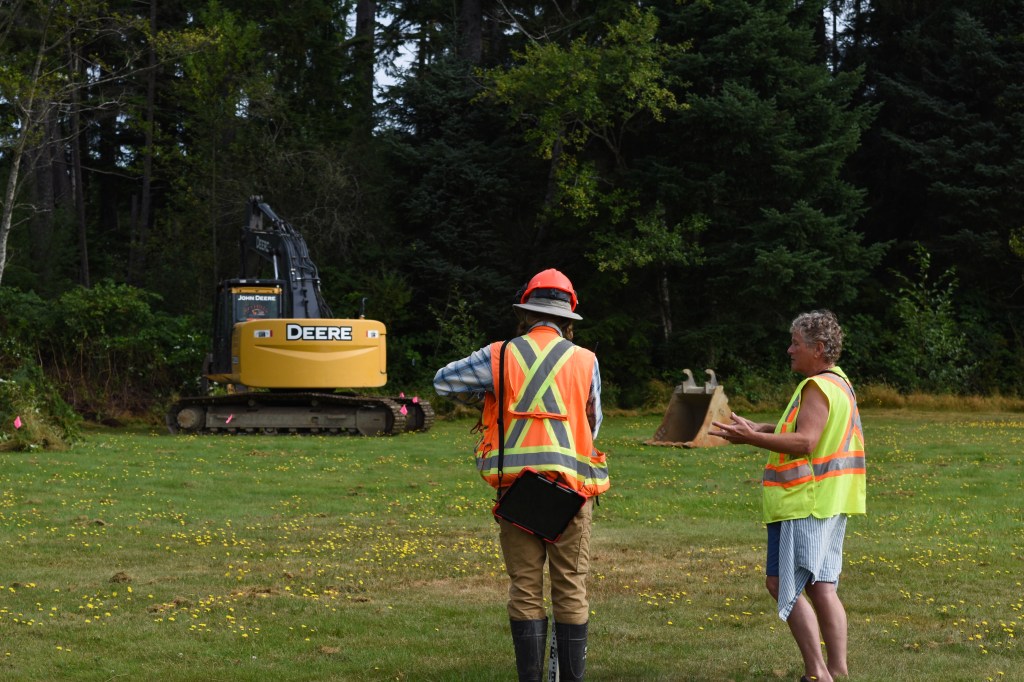
Groundwater: Exposing groundwater by removing or shifting soils. This technique does not require clay soils.
Surface Water: By creating groundwater barriers (underground dams with clay), you can hold water back to create a wetland slope.
Liner: If your water table is too deep, you may need to use a liner. If there is clay on site, you can make a natural liner to retain water. Otherwise, you will need to use an artificial liner.
Wetland Maintenance & Monitoring
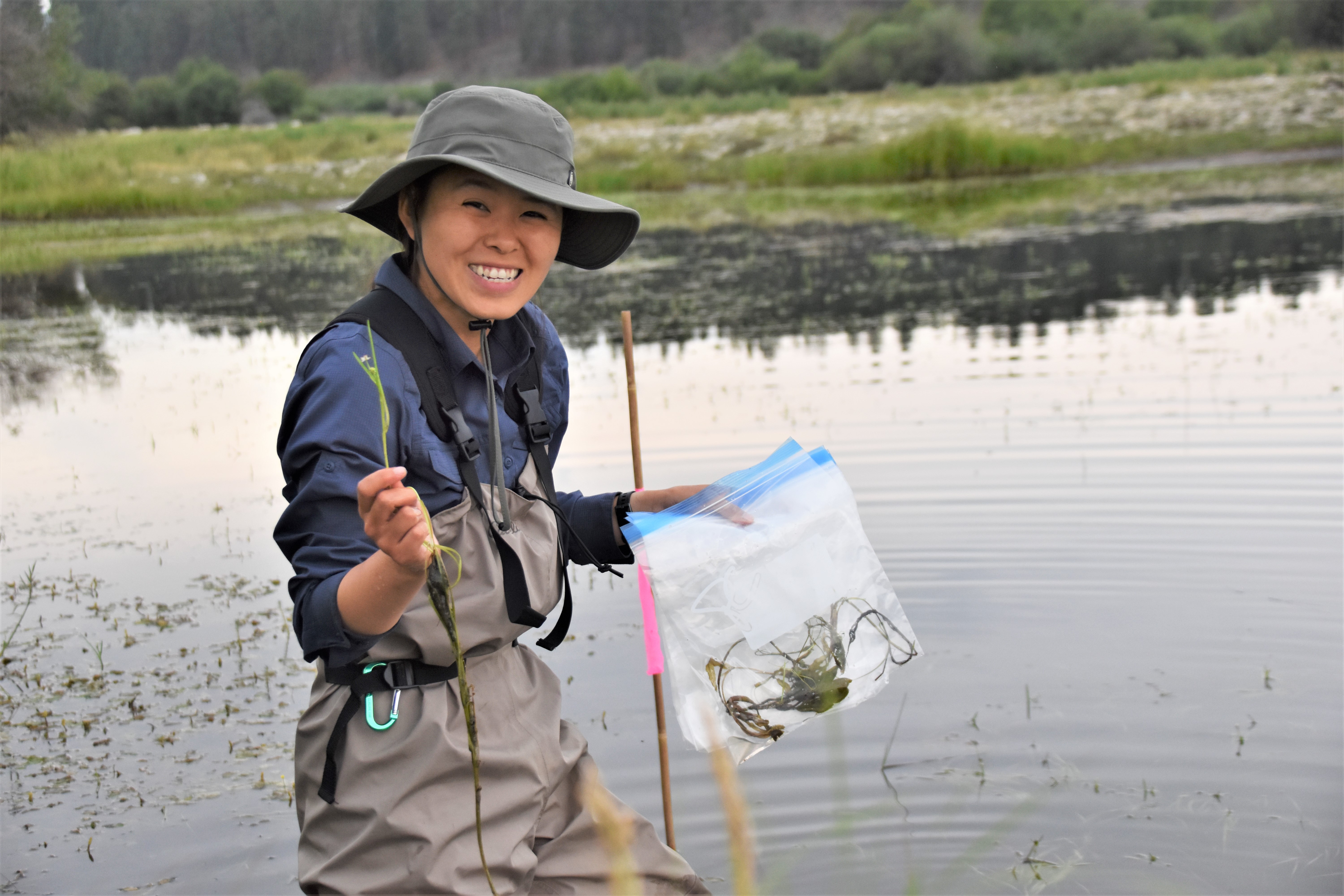
How do we know if our conservation efforts are working? How do we determine the impact we are having on our wetlands and riparian habitats?
Wetland monitoring is just as important as the initial restoration projects taking place across the province. Monitoring, maintenance, and data collection help us evaluate the effectiveness of restoration techniques and improve the performance and function of future projects.
Some of the wetland monitoring activities that can be conducted include bird monitoring, amphibian monitoring, wildlife surveys, plant surveys, photo point monitoring, and water quality monitoring.
Ongoing maintenance also helps ensure restored wetlands continue to function as intended—this may include managing invasive species, reinforcing restoration structures, or adapting to changing site conditions.
Through these efforts, our teams assess restoration outcomes, track overall wetland health, and identify opportunities for improvement. These activities are carried out when funding allows.
I’m Ready to Restore a Wetland. What’s Next?
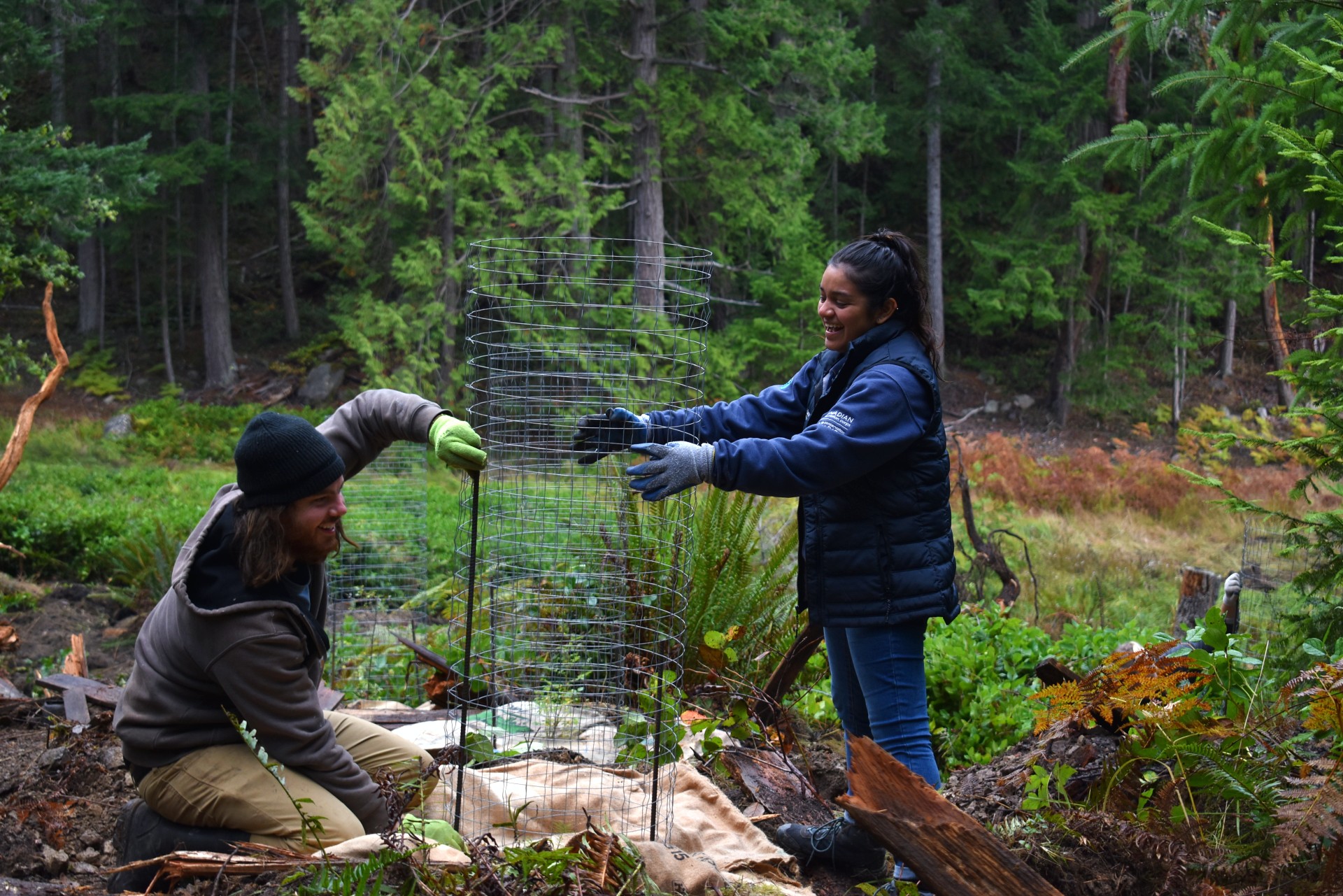
Wetland restoration projects are typically completed at little cost to the landowner, thanks to financial support from generous sponsors. We recommend that before you restore wetlands on your property, you attend a wetlands training event like the Wetlands Institute. Additionally, restoring wetlands do take lots of work. As a landowner or site manager, you would be expected to:
- Sign an agreement that confirms your intent to protect the wetland. Agreements have various levels of commitment to suit your needs and help assure partnering organizations that their investment in nature is more secure.
- Provide in-kind (volunteer) support throughout the restoration process (ex. helping plan the restoration, providing supplies, providing photos and updates, etc.).
- Maintain the site should the need arise (ex. removing invasive plants).
Connect with us to explore the possibilities of restoring wetlands on your private land. Email us at wep@bcwf.bc.ca to start the conversation—we’d love to hear about your site and how we might support your restoration goals.
Conservation on Private Land
Private land stewardship is what happens when landowners make a personal commitment to conserving and stewarding the natural areas on their land. These stewards play a pivotal role in conserving Canada’s wild spaces. With 9.7% of Canada’s land being private property, restoring and conserving wetlands on private land is crucial to protecting these at-risk ecosystems and the value they provide for both wildlife and humans.
Wetlands Education Program (WEP)
Looking to become a wetland steward in your community? Want to learn more?
In 1996, the BCWF launched the Wetlands Education Program (WEP) in response to the rapid loss of wetlands in British Columbia. The goal was to raise awareness, foster stewardship, and provide British Columbians with the knowledge and tools to protect these vital ecosystems. Early program leaders helped establish long-standing initiatives like Wetlandkeepers and the Wetlands Institute, laying the foundation for what would, years later, become a province-wide team of wetland restoration professionals.
Today, the WEP team continues to work alongside communities to offer accessible courses that equip participants with the skills and knowledge to care for wetlands in their own backyards.
Wetland Restoration Success Stories
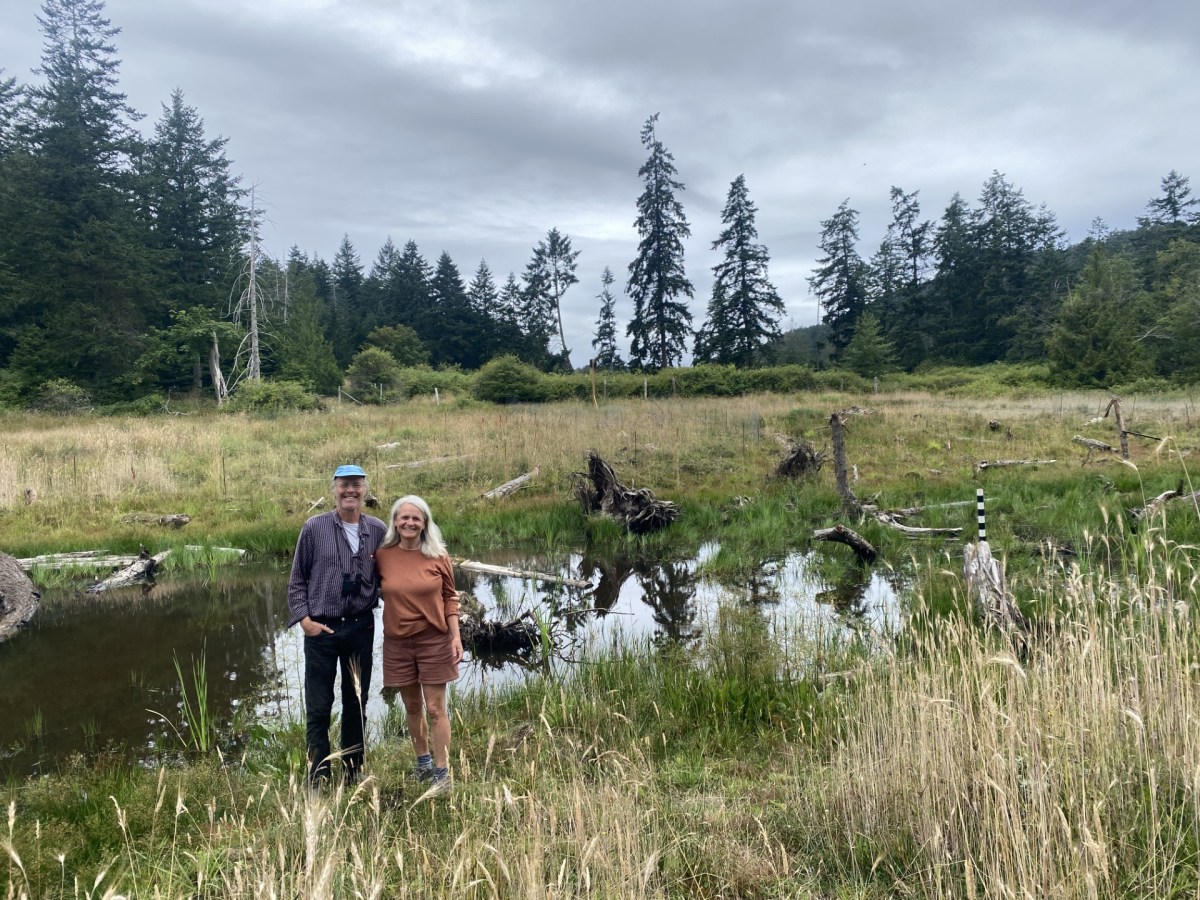
Wetland Revival on Pender Island Thanks to Local Landowners
Not all restoration happens in parks or protected areas. Increasingly, it’s private landowners who hold the key to restoring important habitats. On South Pender Island, one such restoration project has transformed a former soggy grazed field into an emerging wetland, showing how individual stewardship can help reverse habitat loss and support species at risk. In…

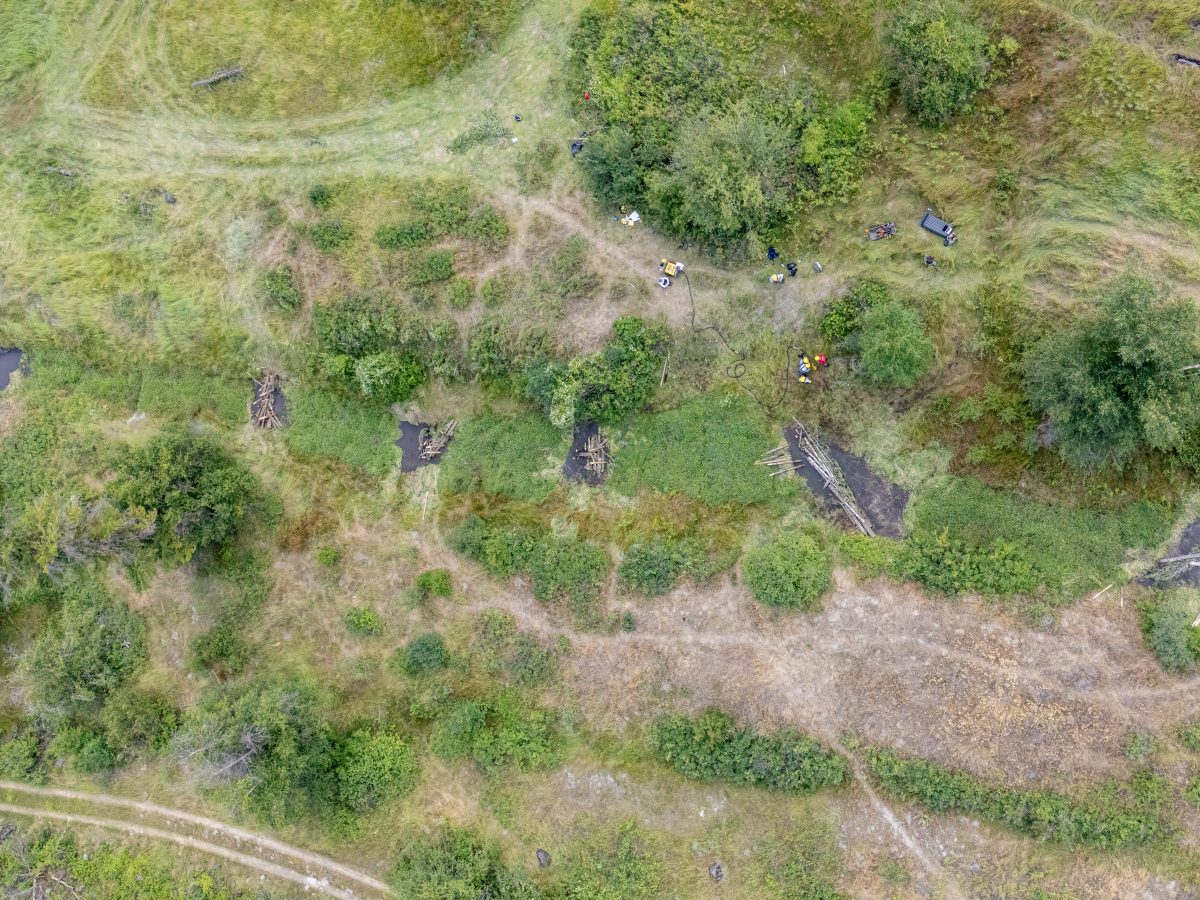
Kicking Off 2025 with Hands on Restoration and Training in the South Okanagan
The South Okanagan is one of the driest regions in British Columbia, yet it’s full of life. Alongside vibrant vineyards, sparkling lakes, and rolling grasslands, the region is home to an incredible diversity of fish and wildlife that flourish where water flows. From the smallest stream to the quietest wetland to the broadest lake, these…
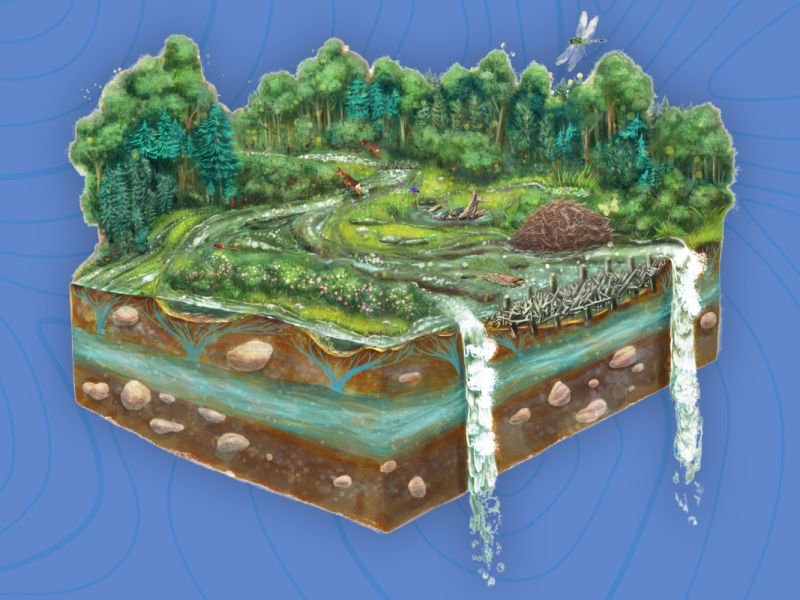
Understanding Beaver Dam Analogues — Q&A with Jennifer Rogers
Restoring streams, floodplains, and wetlands doesn’t always require heavy machinery. Sometimes, simple, nature-based solutions are the most effective. That’s the idea behind low-tech process-based restoration (LTPBR)—an approach that uses natural materials and processes to support ecosystem recovery. Two widely used techniques involve building simple, hand-crafted structures inspired by nature: Beaver Dam Analogues (BDAs) and Post-Assisted…
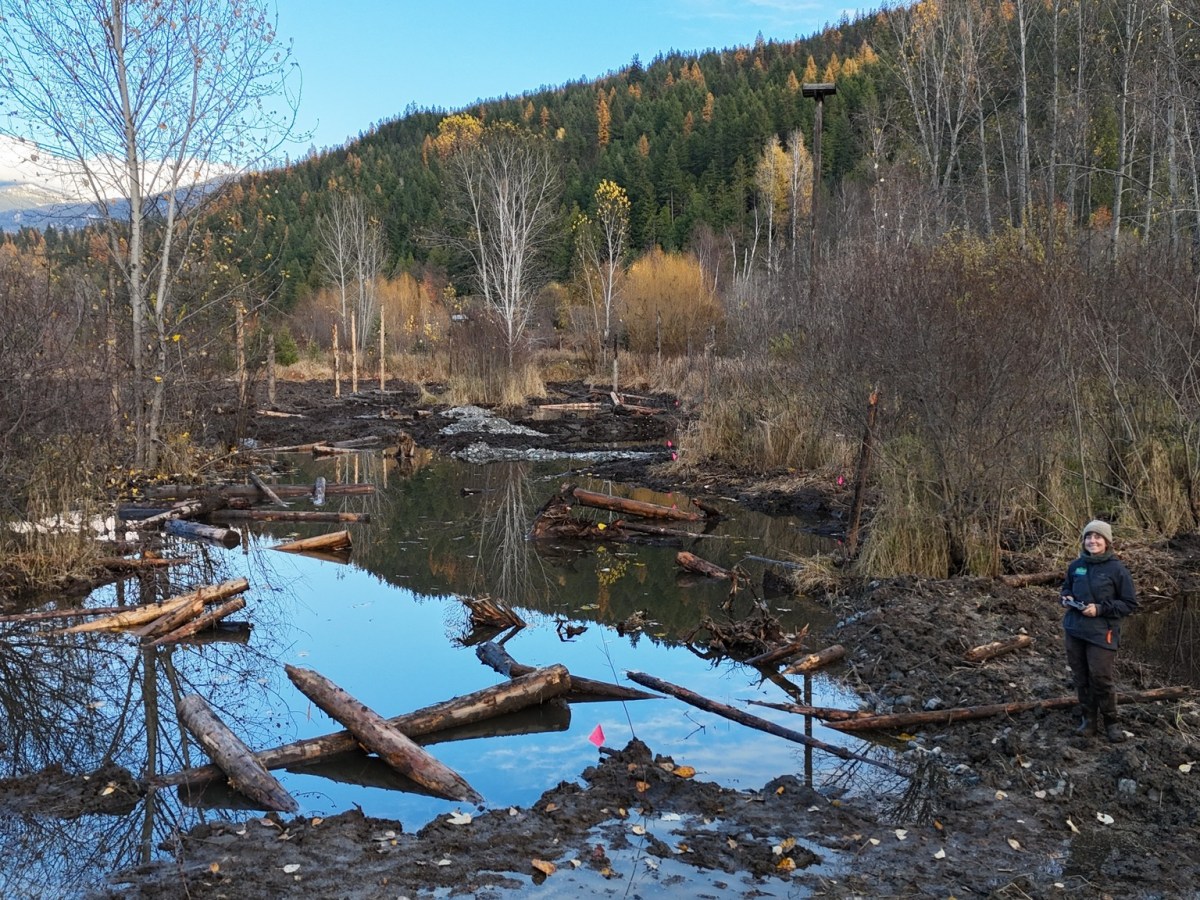
Restoring Balance — Wetland Renewal at Crooked Horn Farm
In the heart of Winlaw, B.C., Crooked Horn Farm has transformed a portion of its farmland into a vibrant wetland habitat through a partnership with the Slocan River Streamkeepers, the B.C. Wildlife Federation, and two organic farm owners. This initial project, introduced in 2016 and carried into 2017 by local conservationist and Program Manager for…
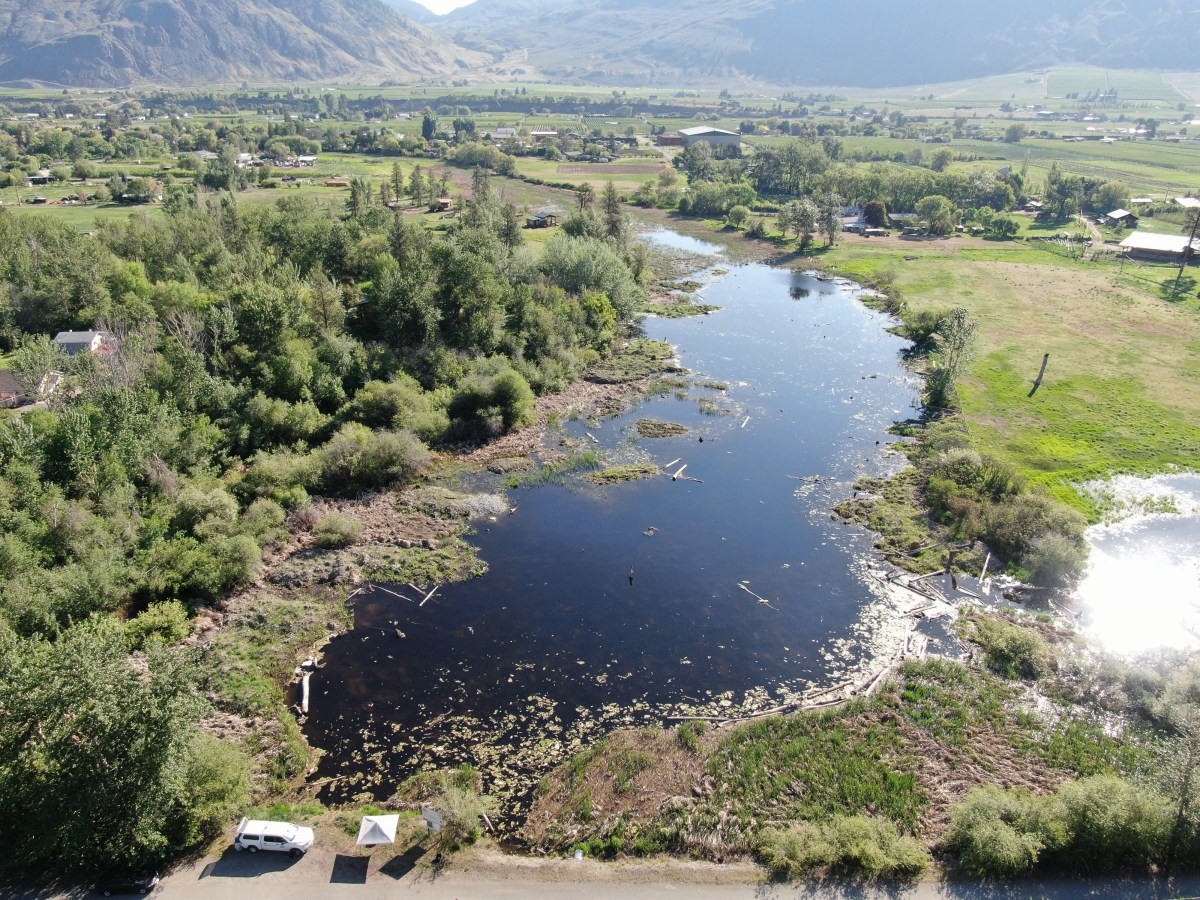
nʔaʕx̌ʷt (Ginty’s Pond) — The Power of Partnerships
As much as 85% of wetlands have been lost in the Okanagan and Similkameen region. Given the heavy dependency on water conservation in farming communities like Cawston, BC—known as the Organic Capital of Canada—the opportunity to restore Ginty’s Pond (nʔaʕx̌ʷt) back to an open water wetland was a clear choice for Josie Symonds, a senior…
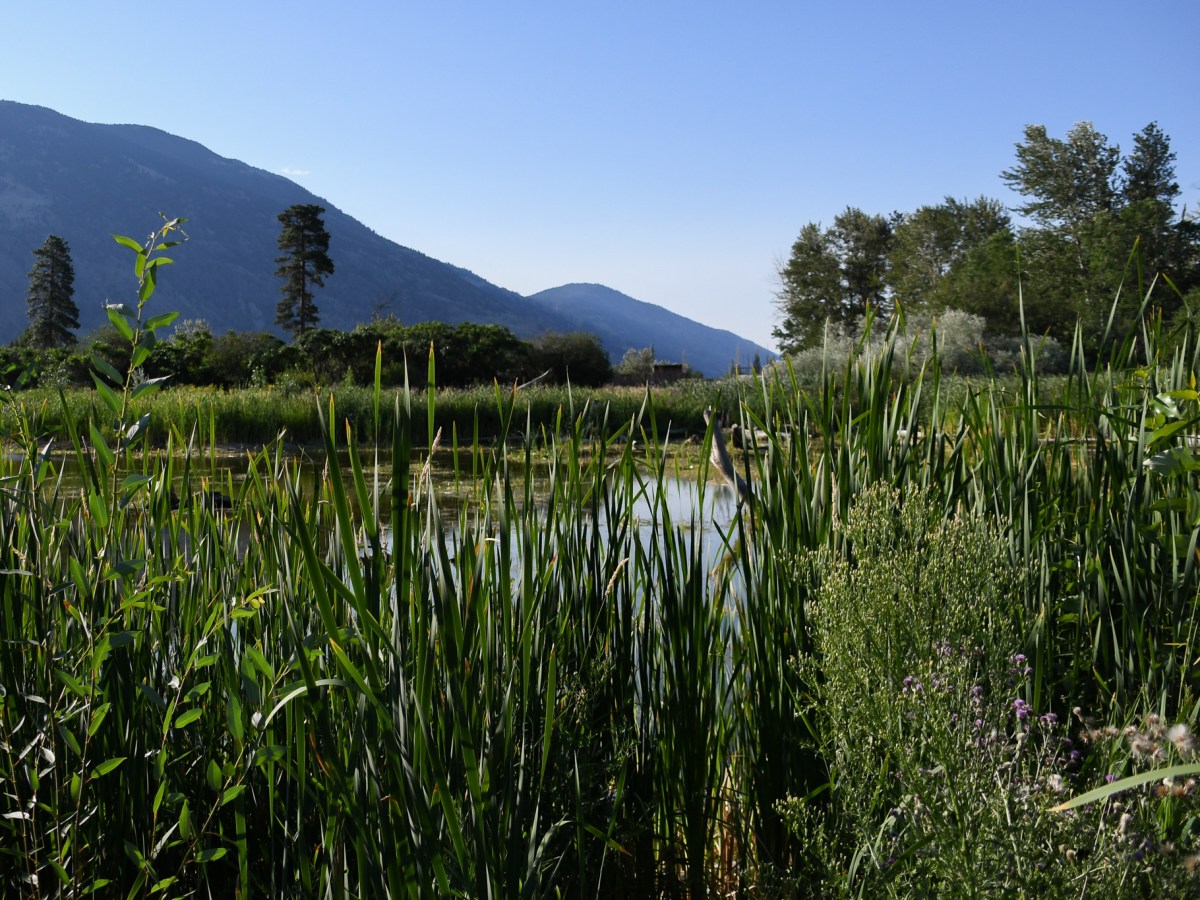
Ginty’s Pond (nʔaʕx̌ʷt) Wetland Restoration Enters Second Phase
The B.C. Wildlife Federation is excited to announce the start of the second phase of the Ginty’s Pond (Nʔaʕx̌ʷt) wetland restoration. Located in Cawston within the territory of the Smelqmix people of the Sylix Nation, the historical nʔaʕx̌ʷt wetland was once an oxbow pond of the Similkameen River. Over the years, significant agricultural water use…
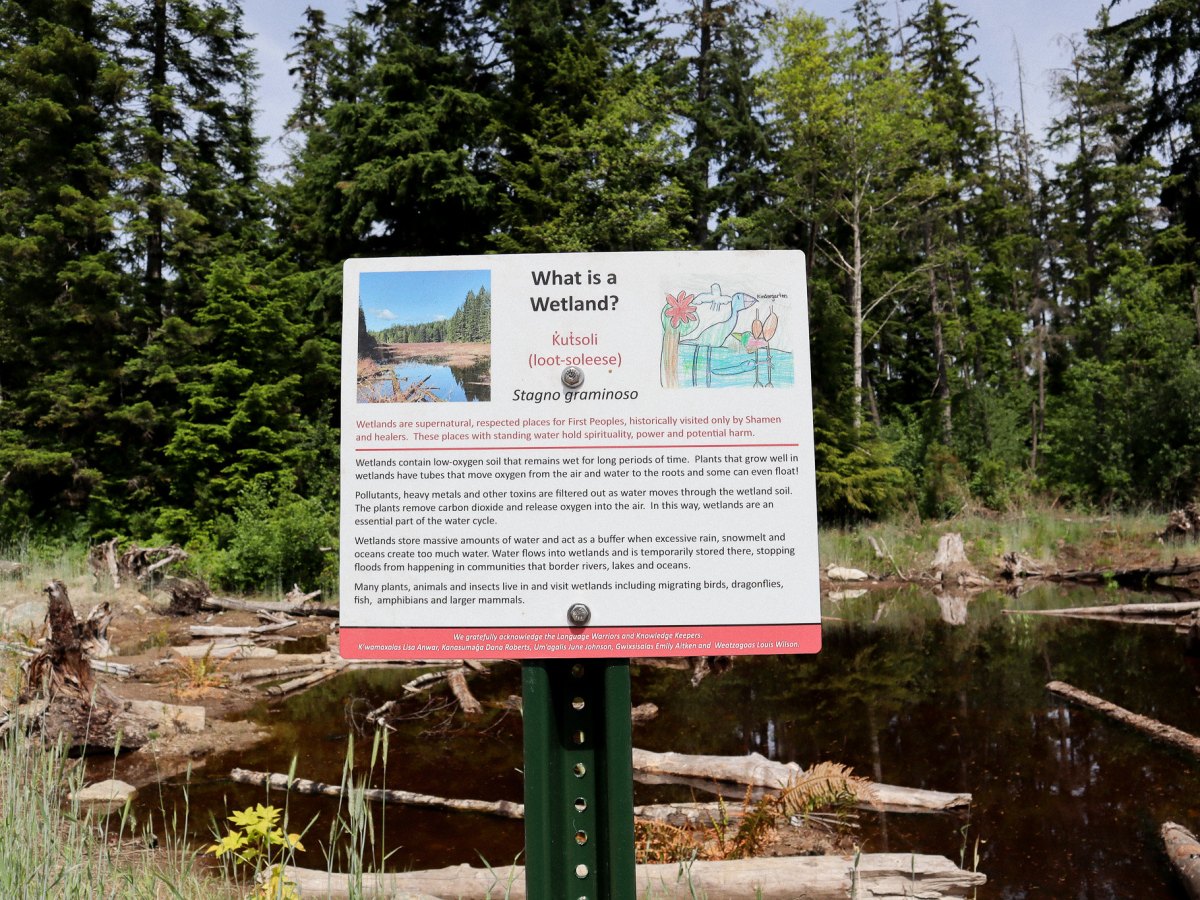
Quadra Island Wetland Restored
The rejuvenated wetland surrounding Quadra Island Elementary has transformed the way students learn by turning the school’s backyard into a vibrant classroom of native flora and fauna. Last year’s efforts converted a soggy segment of a sports field back to its original state. Nestled in the north-west corner of the schoolyard, this restored wetland serves…
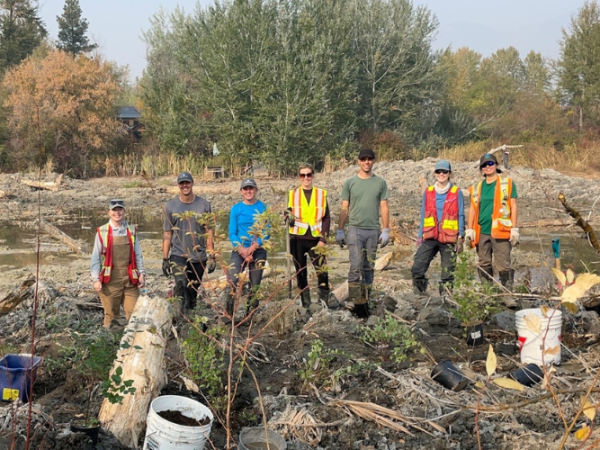
Communities Come Together to Revitalize Ginty’s Pond
After years of planning, work is finally underway to restore Ginty’s Pond to an open-water ecosystem. An essential wetland habitat in B.C.’s Interior, conservation efforts at this wetland will protect several federally listed species at risk, such as the Yellow-breasted Chat, Western Screech Owl, Interior Snakes, Great Basin Spadefoot, and Western Painted Turtles. Although this…

The Wetlands Institute Inspires Ongoing Backyard Restoration Efforts
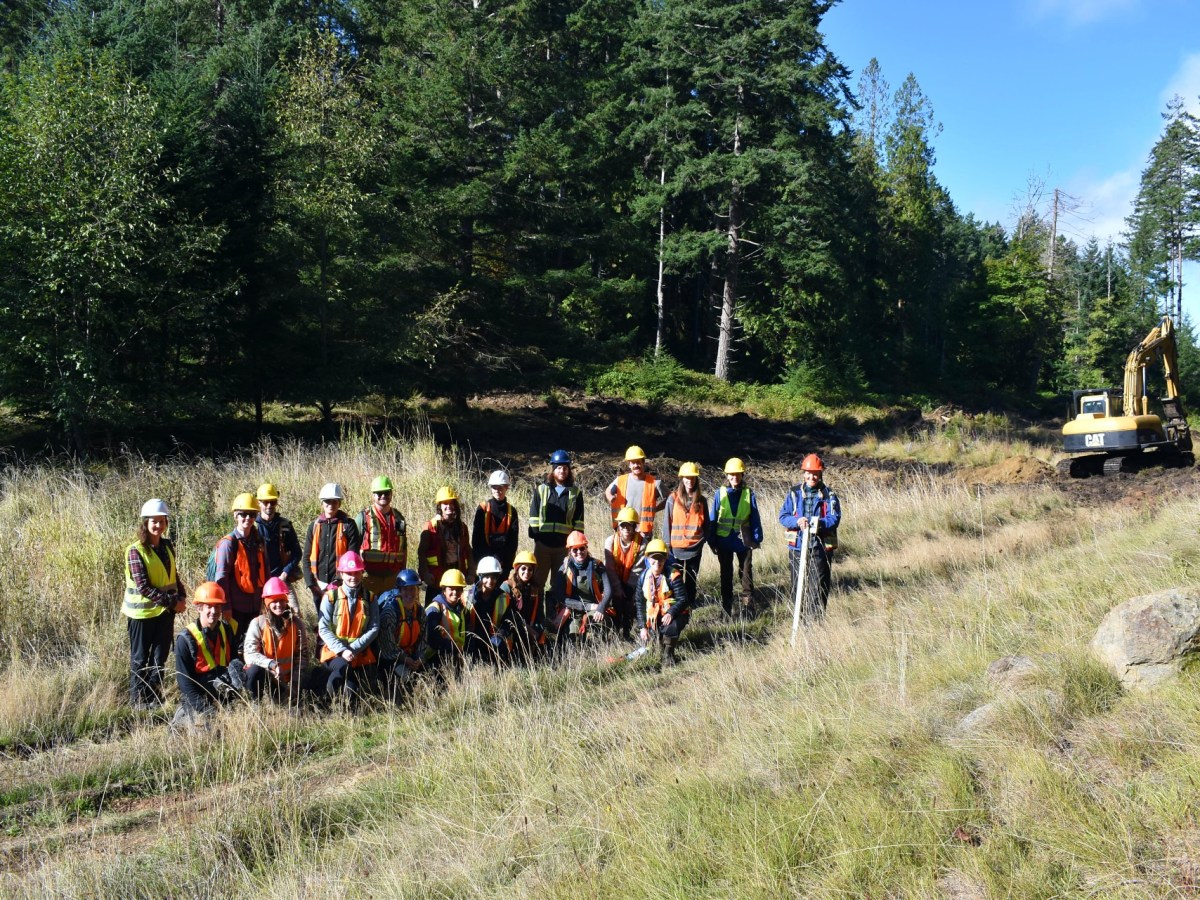
As the B.C. Wildlife Federation prepares for its upcoming 2023 Wetlands Institute, we are inspired to look back on the transformative journeys of past participants. Among them is the heartwarming story of Susan DeBeck, who attended the program in 2021. While many come to the Institute with backgrounds in environmental science, Susan stands out as…
Ginty’s Pond Restoration Supports Community & Wildlife
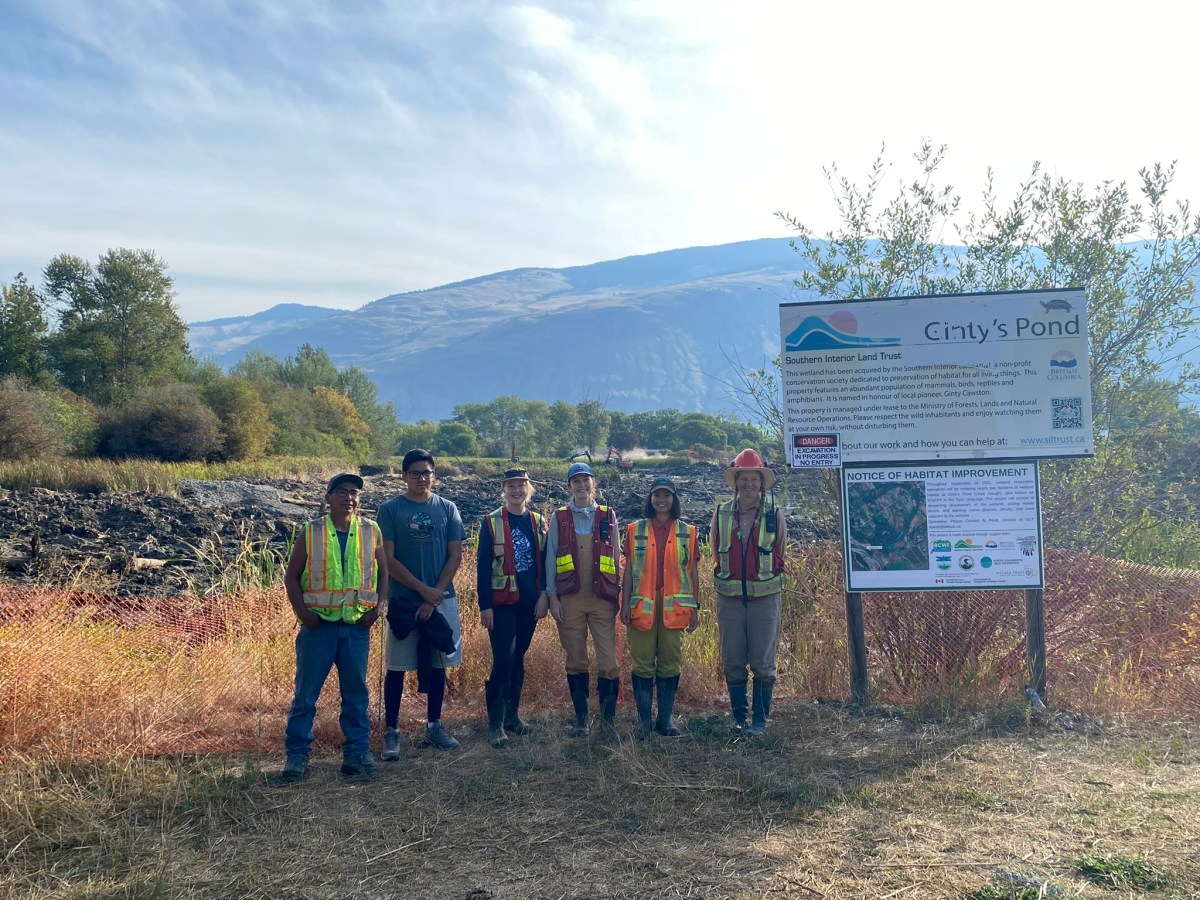
After many years of planning, work is finally underway to restore Ginty’s Pond to an open-water ecosystem. An essential wetland habitat in the B.C. Interior, restoration efforts at this site will help protect several federally listed species at risk, including the yellow-breasted chat (Icteria virens), western screech-owl (Megascops kennicottii), Great Basin gophersnake (Pituophis catenifer deserticola),…
Quadra Island community comes together to install 500 native plants at new B.C. wetland
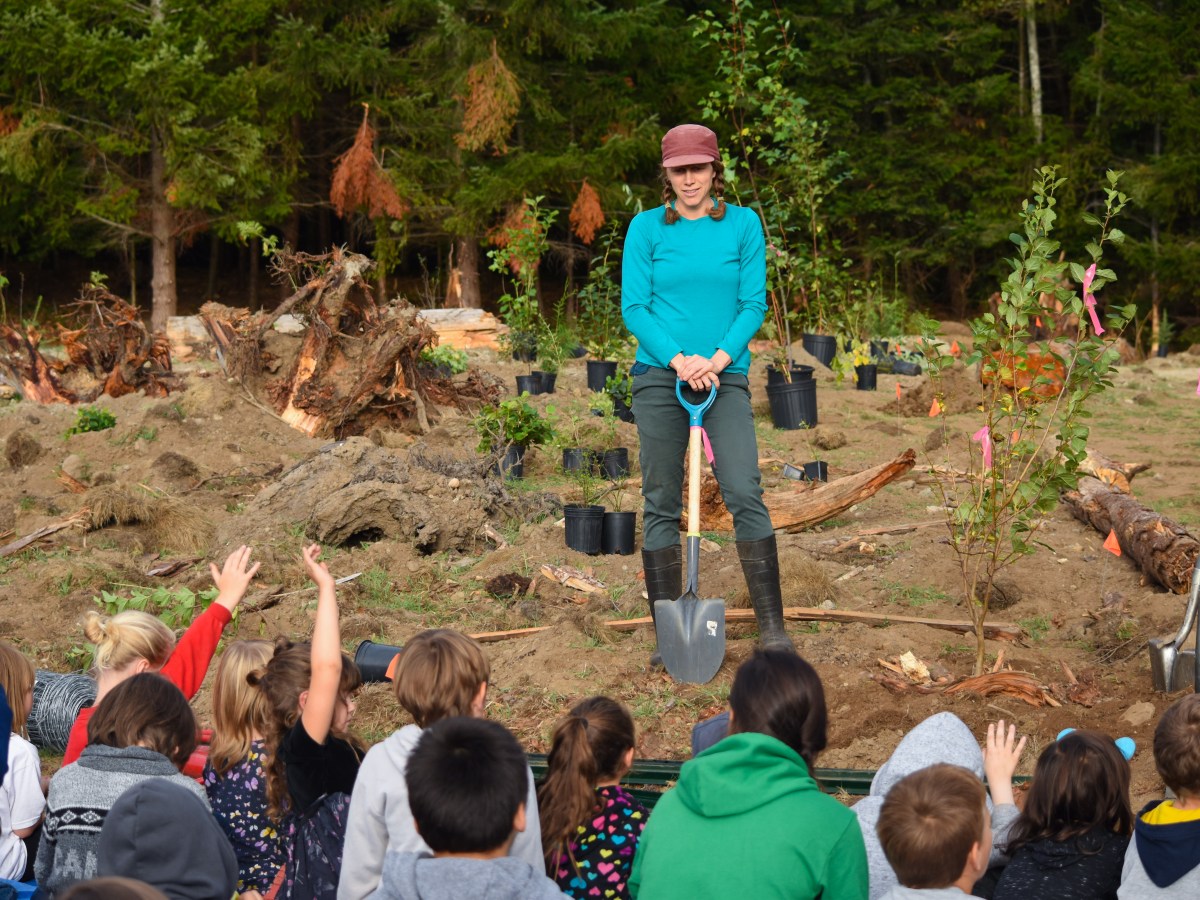
When COVID-19 hit, elementary school teacher Sheldon Etheridge shifted to outdoor learning, guiding his students to a nearby forested area for immersive education. But as the weather turned wet, he noticed that a muddy, unused section of the sports field was trying to return to its former life as a functioning wetland. He decided to…
Quadra Island Schoolyard Given New Life with Wetland Build
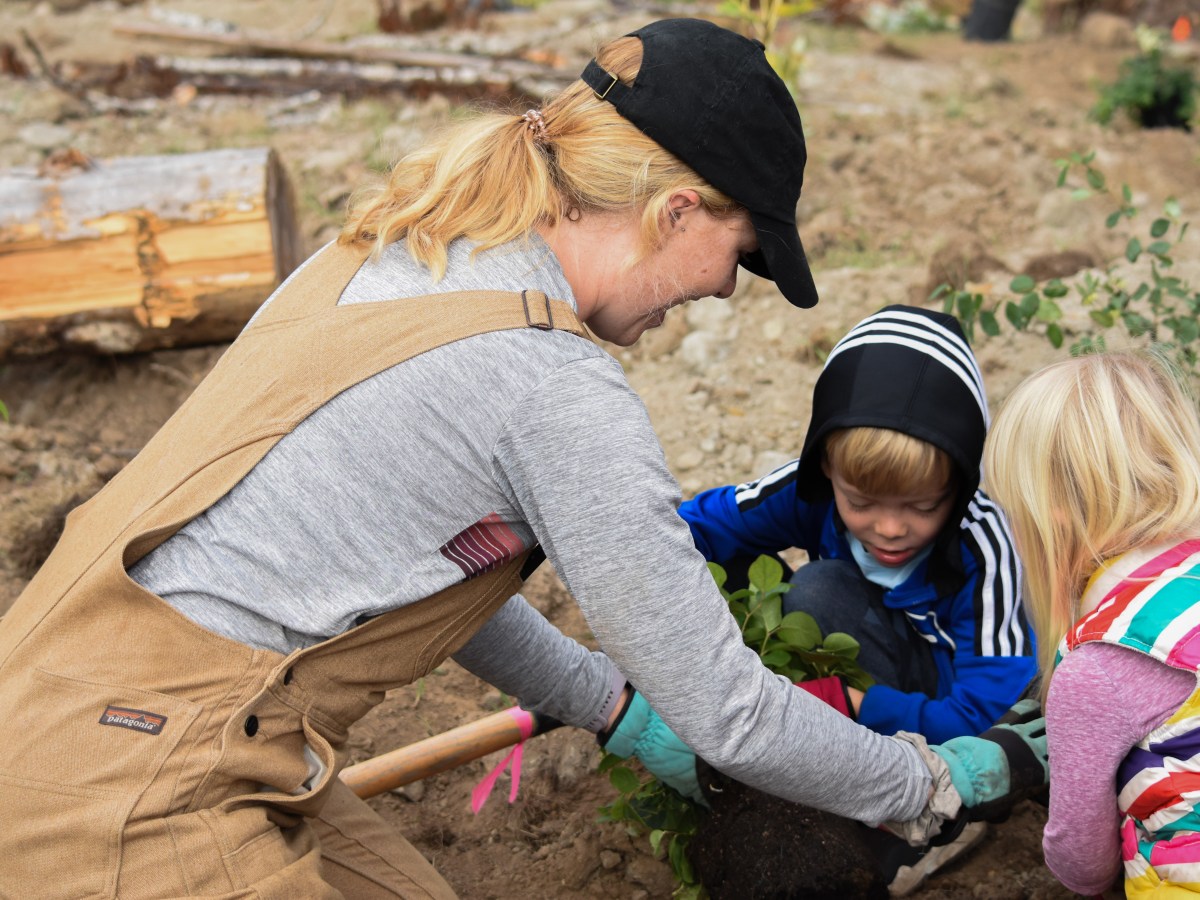
A schoolyard on Quadra Island is being given new life as the B.C. Wildlife Federation, Quadra Island Elementary School, and School District 72 restore a historic wetland to provide habitat for native plants and animals, while also creating an outdoor classroom for students. At first glance, the school’s large sports field surrounded by towering trees…
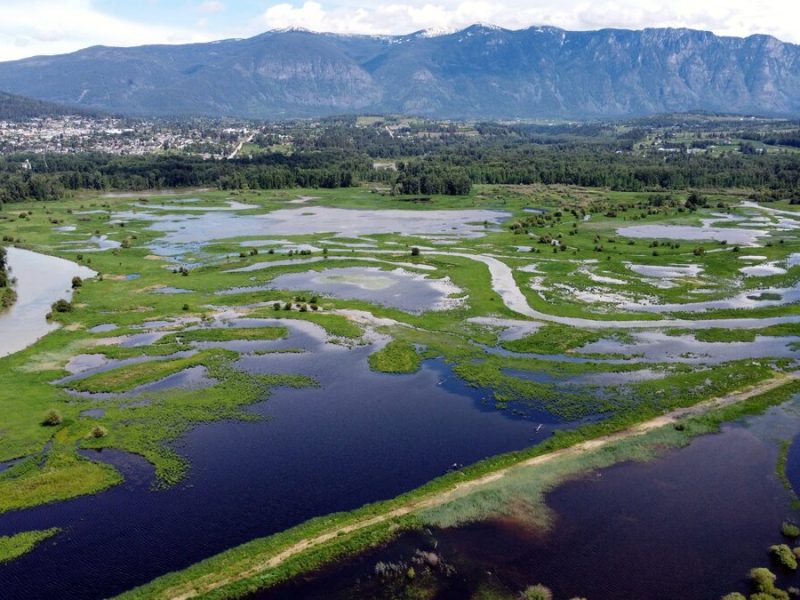
Watershed Renewal Project in Partnership With B.C. First Nation Bearing Fruit as Wildlife Return
When water began to gather and flow again in the Yaqan Nukiy Wetland in British Columbia’s Creston Valley after decades of aridity, word spread quickly among the region’s wild creatures. We are just five years into a project that will restore 517 hectares of floodplains, streams and rivers, and the sandhill cranes and blue…
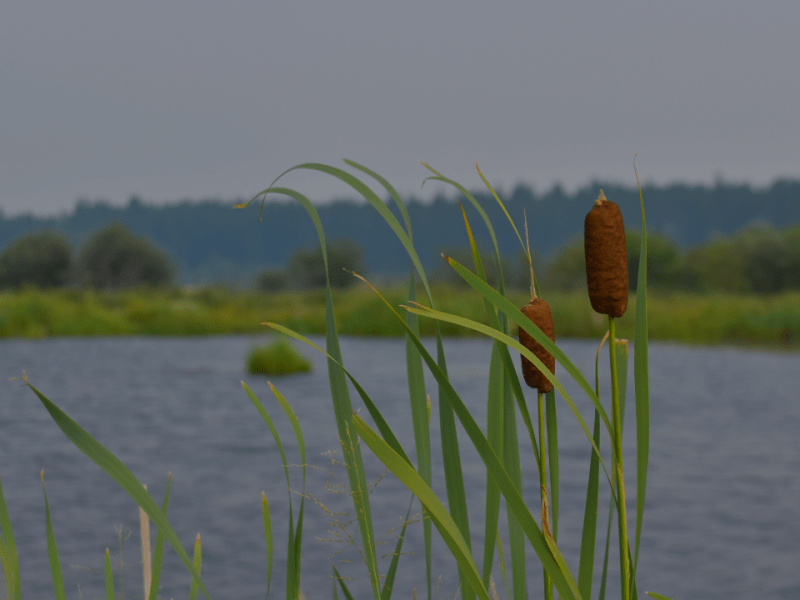
A Mini Documentary — Wetlands Conservation through Private Land Stewardship in the Kootenays
Last summer, the WEP team travelled to the Kootenay Region to visit and interview several of the private landowners who had worked with the B.C. Wildlife Federation in the past to create and restore wetlands on their property. We met and interviewed the people behind four incredible wetlands conservation projects on private land to share…
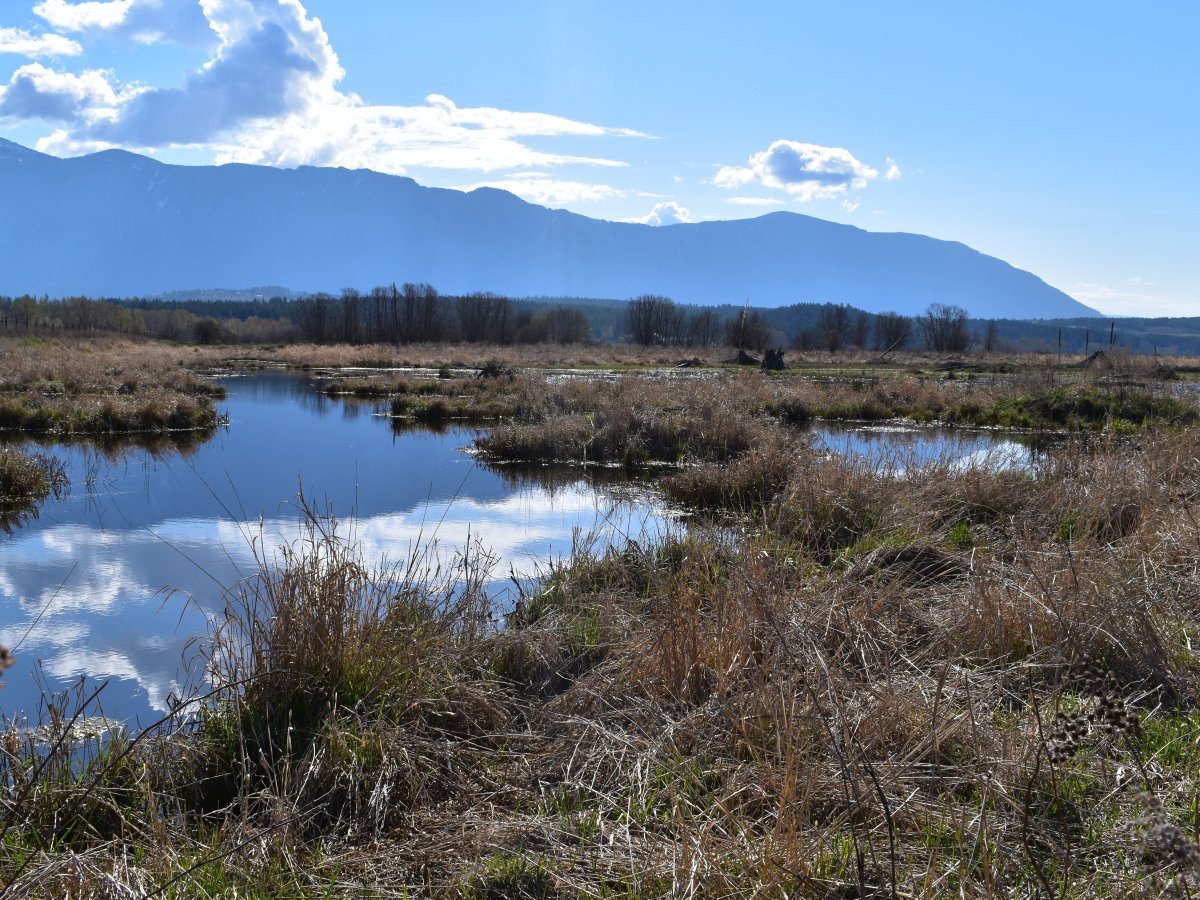
The Yaqan Nukiy Wetland Project
Over the last three years, the B.C. Wildlife Federation’s Wetlands Education Program has been working in partnership with the Lower Kootenay Band on two landscape-scale restoration projects on traditional Yaqan Nukiy territory. The project site is well over 517 hectares in size.
 BCWF Watershed Team