Wetland Ecosystem Services Protocol (WESP)
The WESP tool, created by Dr. Paul Adamus is currently being used in various adaptations in Atlantic Canada, Alberta, Alaska, and the State of Oregon. This tool has been regionally adapted in neighboring jurisdictions based on the same principles and using regionally available data for each jurisdiction. Similarly, the version of WESP adapted for B.C. is sometimes referred to as WESP-B.C.
WESP aims to provide a standardized method for assessing the important function and value of wetlands. In British Columbia, the WESP tool is being developed by the BCWF’s Watershed Team in partnership with First Nations, non-profits, and the provincial government.
Currently, land managers and decision makers have no standardized tools in B.C. to measure the relative functional attributes of wetlands which leads to discrepancies and subjectivity in decisions related to protection and mitigation measures. Functional assessment tools are becoming a standardized practice in many other jurisdictions in North America.
Although the WESP model itself is not a regulatory tool, it can support individuals involved in decision making processes, by providing information on the functions and values of a wetland. WESP could also be utilized as a supporting tool in regulated processes should B.C. develop stronger regulations around wetland conservation. This tool has the potential to improve the conservation of wetlands by better understanding their distribution on the landscape and support land managers to better care for them.
In order to use WESP on a site of interest a reference set of 100 wetlands is necessary. We are currently working on building a calibration dataset for each ecoprovince in B.C. in order to make the WESP tool available. While creating calibration datasets, field data collected is also supporting the Canadian National Wetland Inventory.
The WESP tool utilizes over 60 field questions and over 40 office/GIS questions to determine 17 functions and attributes of a wetland complex relative to other wetlands in the region.
At this time, WESP is only being calibrated for non-tidal wetlands in B.C.
WESP Benefits
Through the use of the WESP tool, we can rapidly assess the following ecosystem functions and attributes:
- Hydrologic functions (water storage and delay, soil stabilization, sediment retention, nutrient removal and retention);
- Water purification functions (soil stabilization, sediment retention, nutrient removal and retention);
- Aquatic life support (aquatic primary productivity, nutrient export, stream flow and temperature support);
- Climate support (carbon accretion capacity, carbon stock);
- Wildlife habitat (fish habitat, waterbird habitat, other wetland bird habitat, keystone mammal habitat, pollinator habitat, native plant habitat); and
- Social and cultural attributes (fire resistance, cultural values).
The benefits of having a WESP model available in B.C. are numerous, including:
- Rapid assessment of wetland ecosystem services for use by conservation organizations and decision makers in compensatory mitigation;
- Assessing effectiveness of wetland restoration and enhancement projects, and;
- Allowing for comparative assessments of wetlands to target conservation and restoration efforts.


WESP Progress

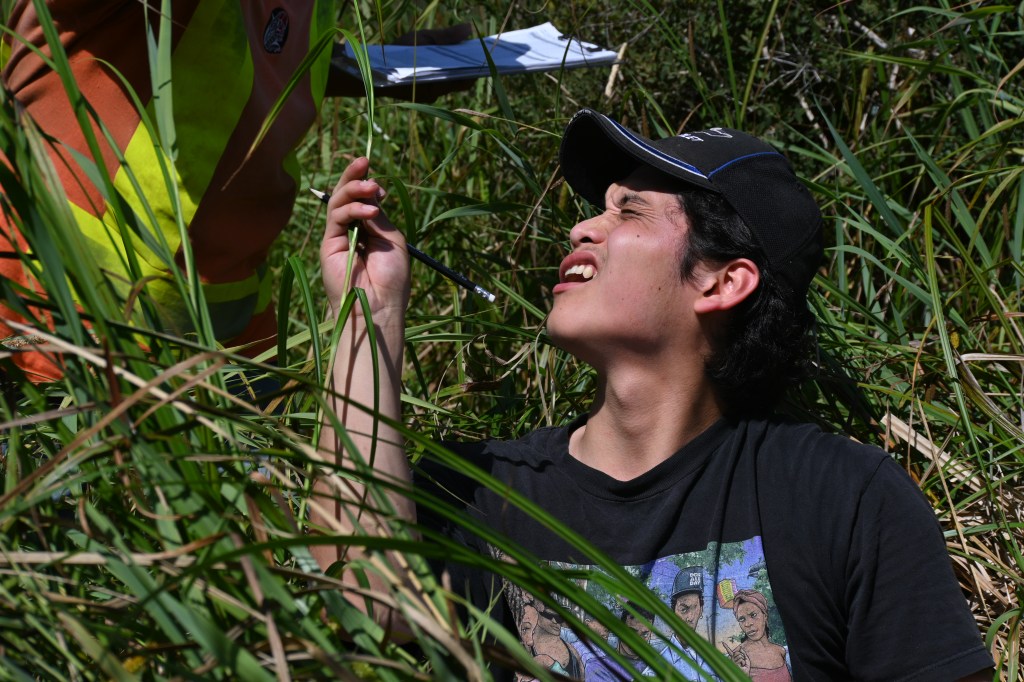
Since the inception of WESP in 2021, our team has assessed a total of 340 wetland sites across nearly five of eight ecoregions in British Columbia. To be functional, the WESP tool must be calibrated across all eight ecoprovinces of British Columbia, each defined by unique climate, geological history, and ecological features. This pan-province approach ensures that the tool captures the diversity and complexity of B.C.’s wetlands, creating a robust framework for their long-term conservation.
Progress to date has been made in the following ecoprovinces:
- Completed: Sub-Boreal Interior, Boreal Taiga Plains, Southern Interior Mountain, and Georgia Depression
- In Progress: Southern Interior, Central Interior, and Northern Boreal Mountains
- Remaining: Coast & Mountain
WESP Field Assessment Form
This form for completing the Wetland Ecosystem Services Protocol (WESP) only includes the field assessment questions. This form does not include the corresponding office analysis and GIS calculations or regional model that must be completed to finish the assessment of a site. It is recommended that users complete training on this protocol with a qualified trainer before completing WESP independently, please contact BCWF for more information or to connect with a trainer.
Contact Kyla Rushton at kyla.rushton@bcwf.bc.ca to be added to the list for future public training opportunities.
Completing this ambitious project requires sustained long-term investment. Without it, the potential of this transformative tool may remain unrealized, risking inconsistencies in wetland conservation across the province. Thank you to the Province of BC’s Watershed Security Fund, Habitat Conservation Trust Foundation, and the British Columbia Conservation Fund (BC Parks Foundation) for supporting this work to date.
For questions about the Wetland Ecosystem Services Protocol, please contact Kyla Rushton at kyla.rushton@bcwf.bc.ca.
WESP Updates
Advancing Wetland Conservation — 2024 End of Season WESP Update
Over the past three years, the B.C. Wildlife Federation’s Wetland Ecosystem Services Protocol (WESP) initiative has achieved remarkable milestones, setting the groundwork for a standardized approach to conserving wetlands in British Columbia. The WESP tool, originally developed by Dr. Paul Adamus, aims to provide a standardized method for assessing the critical functions and values of…
Keep reading
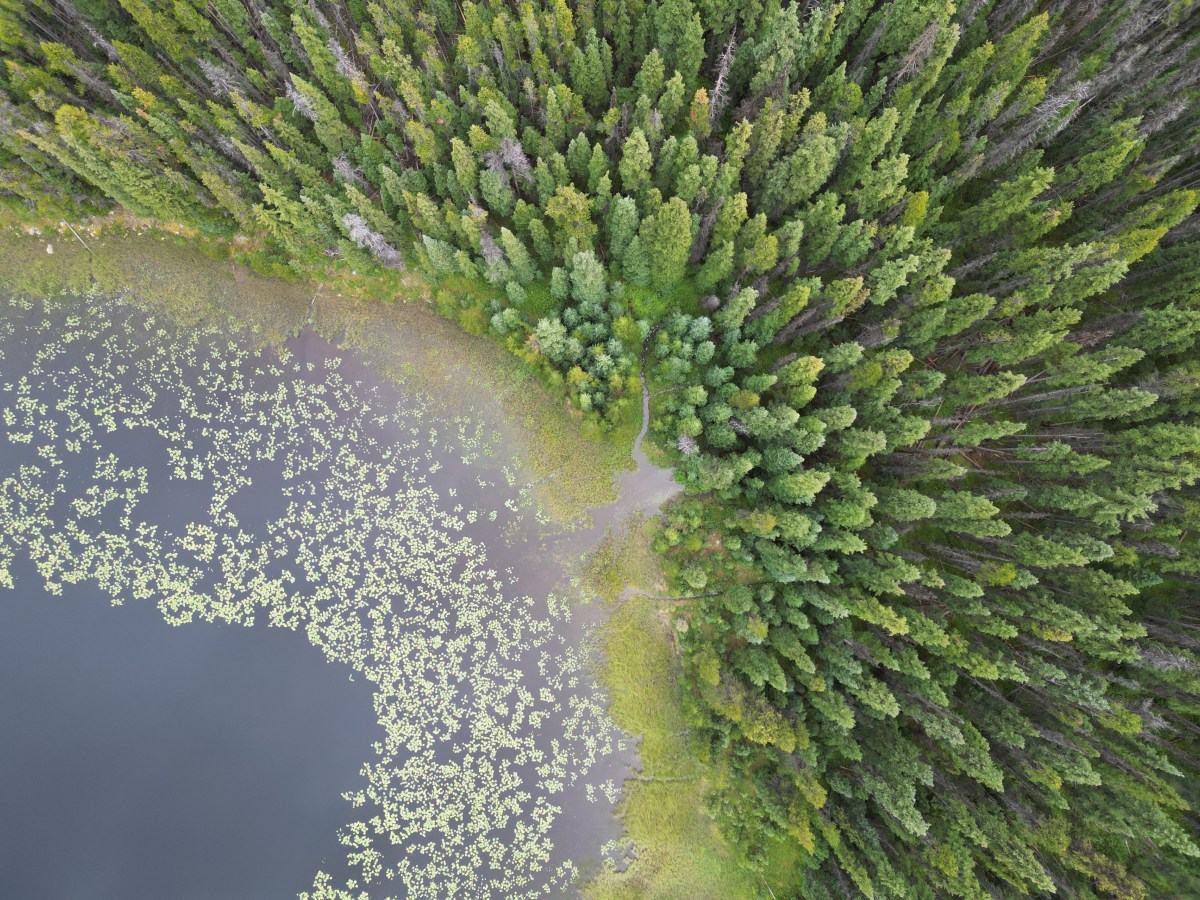
Wetland Ecosystem Services Protocol — A Powerful Tool For Assessing Wetlands
A new assessment tool for wetlands offers a practical way to view these critical habitats, quantify the services they provide, and identify high-value wetlands for restoration and enhancement. “The Wetland Ecosystem Services Protocol (WESP) will shape wetland policy in B.C. by providing decision-makers with information about the natural ecosystem benefits provided by wetlands,” said Kyla…
Keep reading
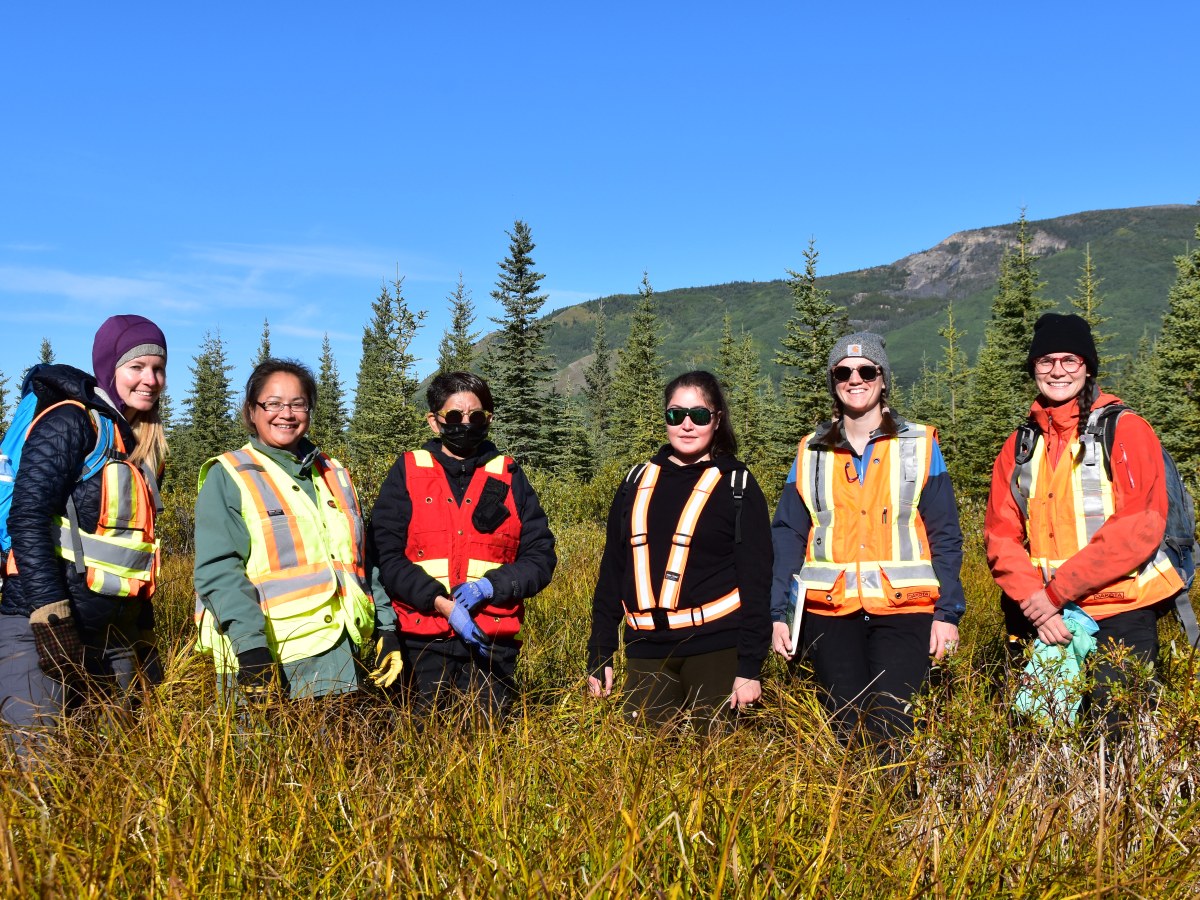
Northern Lights College Students Help Assess Wetland Health in the Northeast
The B.C. Wildlife Federation’s Wetlands Workforce (WW) crews have been out in wetlands across the province collecting data for a rapid wetland health assessment.
Keep reading

The Workforce Calibrating B.C.’s Wetlands
Every day a new wetland that brings with it bigger challenges, unexpected answers, and a greater understanding of its functions and values. Wetlands Workforce work-pods have been out in the field conducting the Wetlands Ecosystem Services Protocol (WESP).
Keep reading
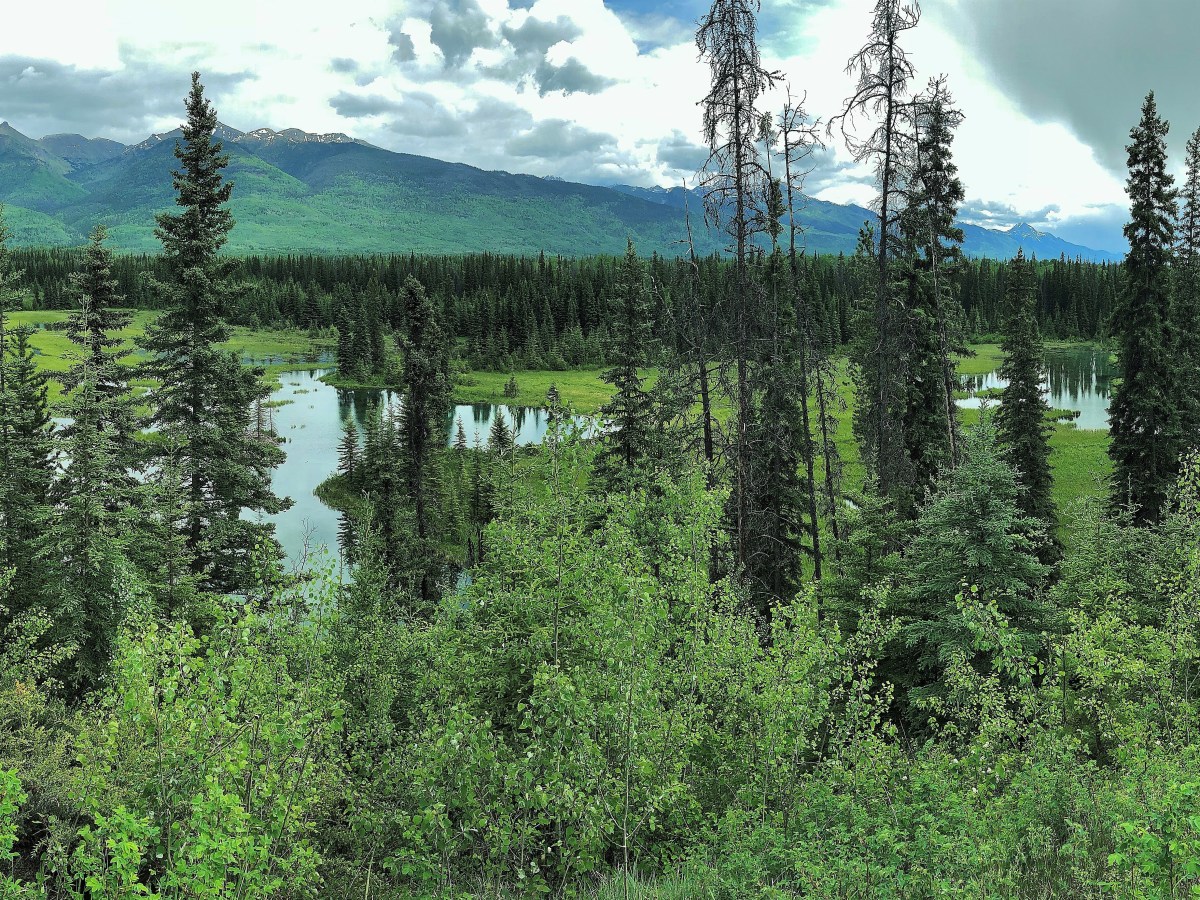
Wetland Ecosystem Services Protocol and Predictive Mapping
Two of the major tasks our Wetlands Workforce crews are working on this year are the Wetlands Ecosystem Services Protocol (WESP) and Predictive Mapping.
Keep reading
 BCWF Watershed Team