Category: Projects
-
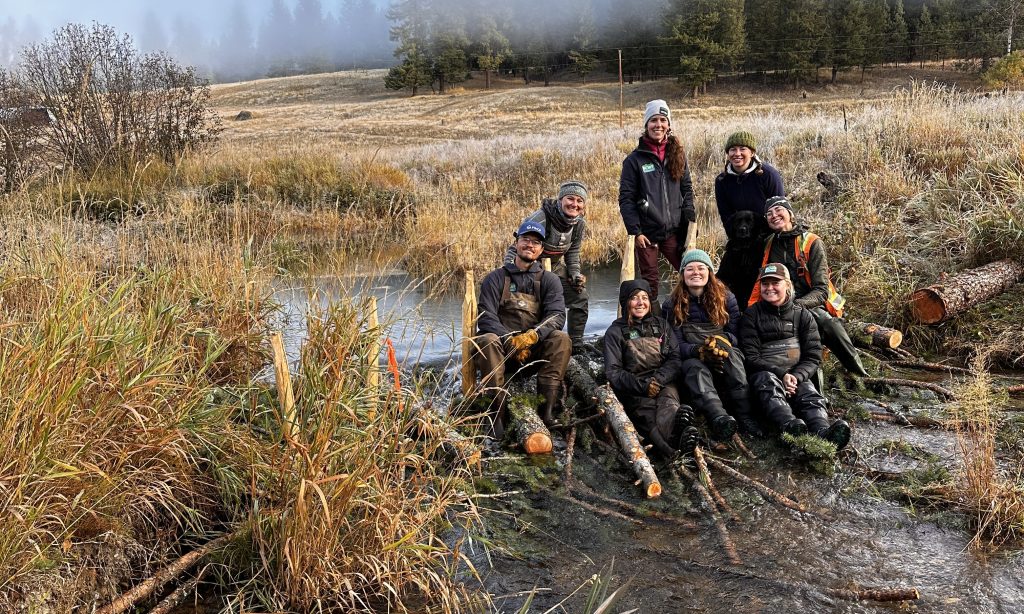
Beavers Return to Earl Ranch
When our team returned to Earl Ranch this fall for routine maintenance and effectiveness monitoring, one year after building ten Beaver Dam Analogues (BDAs) in the stream flowing through the property, the signs were unmistakable: freshly peeled branches, packed mud, and the glint of pooled water spreading across the floodplain. The beavers were back. “If…
-
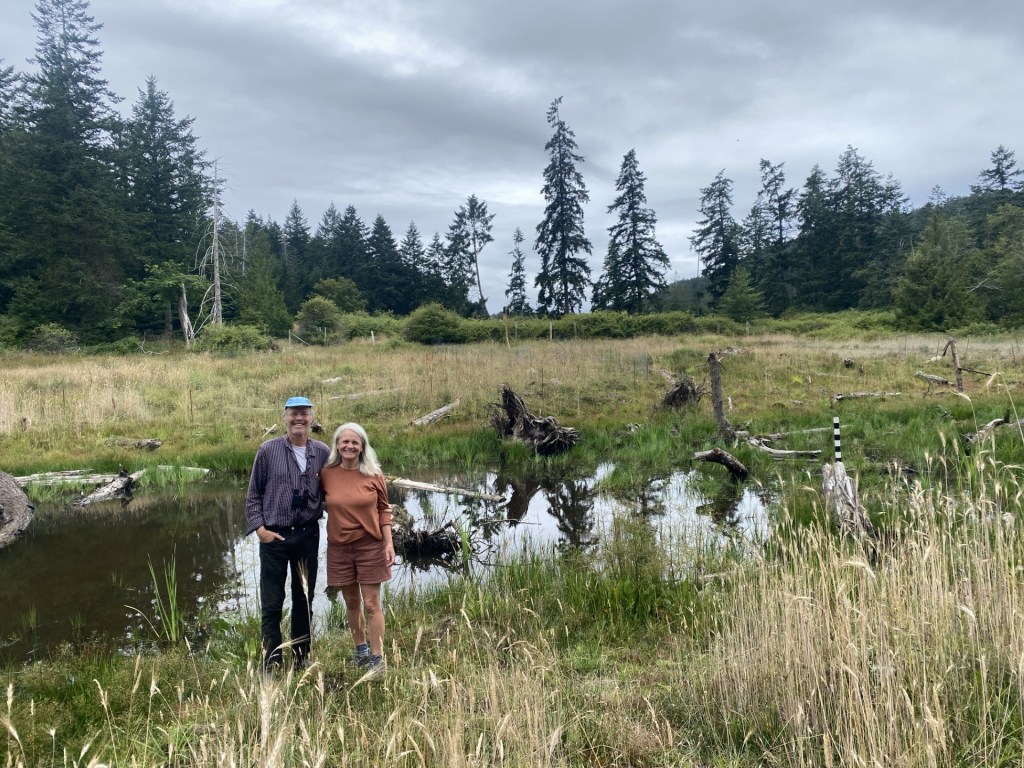
Wetland Revival on Pender Island Thanks to Local Landowners
Not all restoration happens in parks or protected areas. Increasingly, it’s private landowners who hold the key to restoring important habitats. On South Pender Island, one such restoration project has transformed a former soggy grazed field into an emerging wetland, showing how individual stewardship can help reverse habitat loss and support species at risk. In…
-
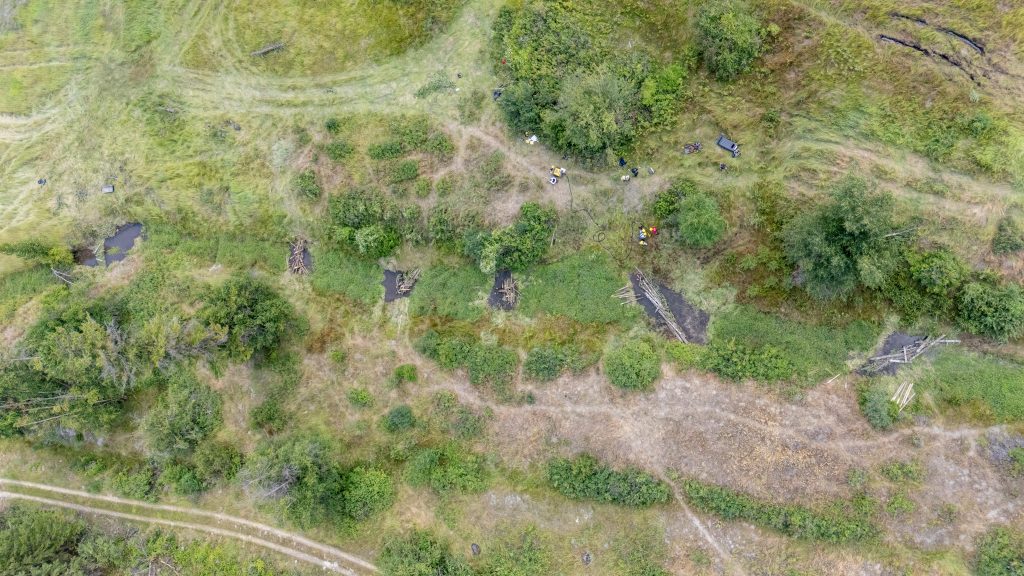
Kicking Off 2025 with Hands on Restoration and Training in the South Okanagan
The South Okanagan is one of the driest regions in British Columbia, yet it’s full of life. Alongside vibrant vineyards, sparkling lakes, and rolling grasslands, the region is home to an incredible diversity of fish and wildlife that flourish where water flows. From the smallest stream to the quietest wetland to the broadest lake, these…
-
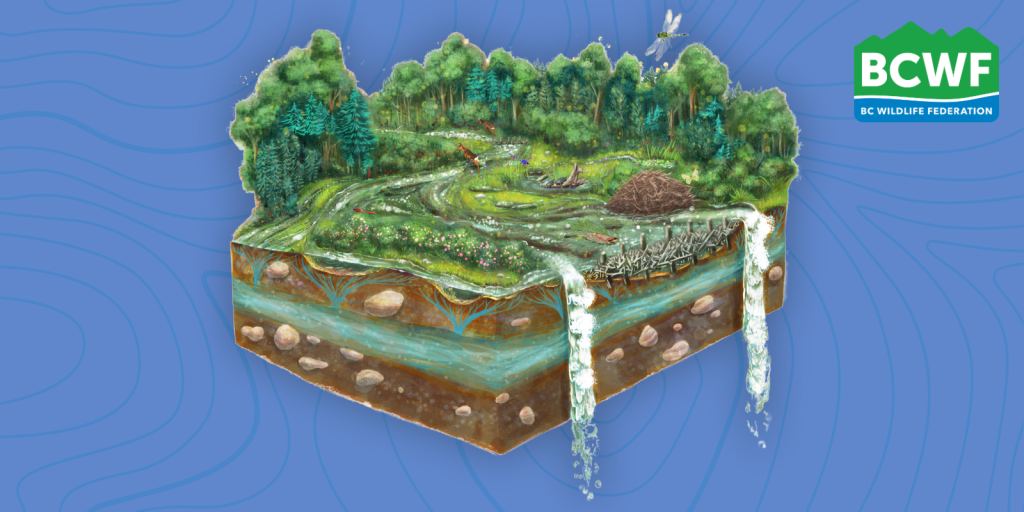
Understanding Beaver Dam Analogues — Q&A with Jennifer Rogers
Restoring streams, floodplains, and wetlands doesn’t always require heavy machinery. Sometimes, simple, nature-based solutions are the most effective. That’s the idea behind low-tech process-based restoration (LTPBR)—an approach that uses natural materials and processes to support ecosystem recovery. Two widely used techniques involve building simple, hand-crafted structures inspired by nature: Beaver Dam Analogues (BDAs) and Post-Assisted…
-
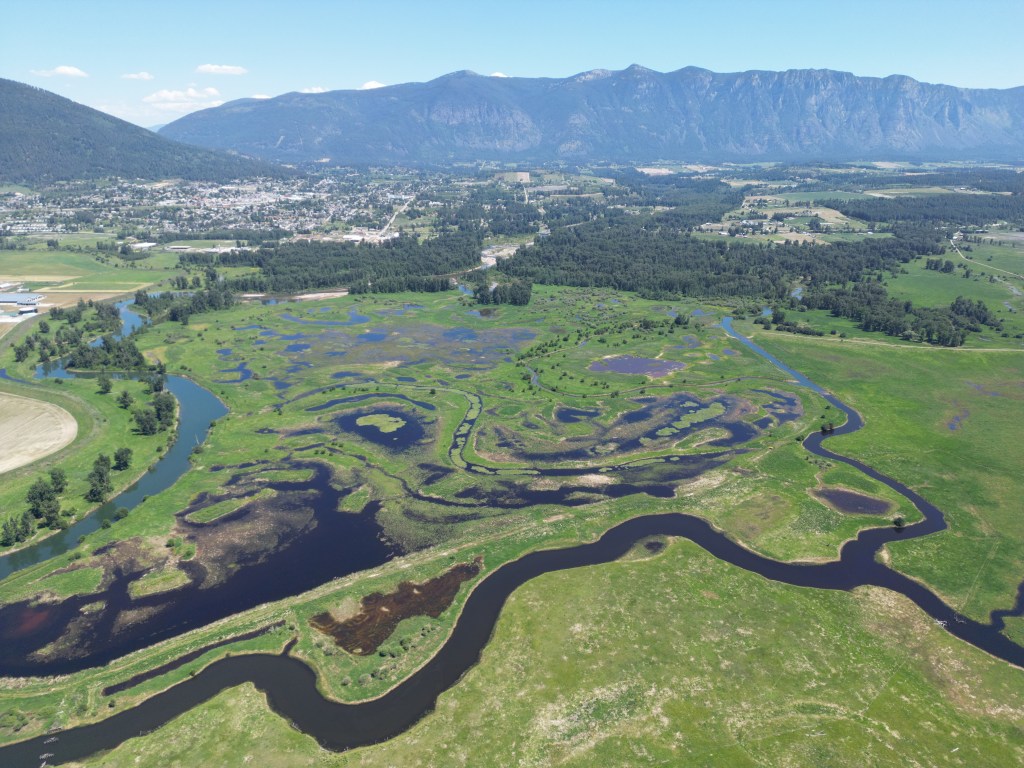
Reviving the Land — The Yaqan Nukiy Wetland Renaturalization Project
What happens when you let the land lead? On Yaqan Nukiy territory, millennia of Indigenous knowledge is guiding one of the most ambitious wetland projects in Canada—transforming not only ecosystems, but the broader understanding of how restoration can be approached. The Yaqan Nukiy Wetland Project, located on 517 hectares of Lower Kootenay Band reserve lands…
-
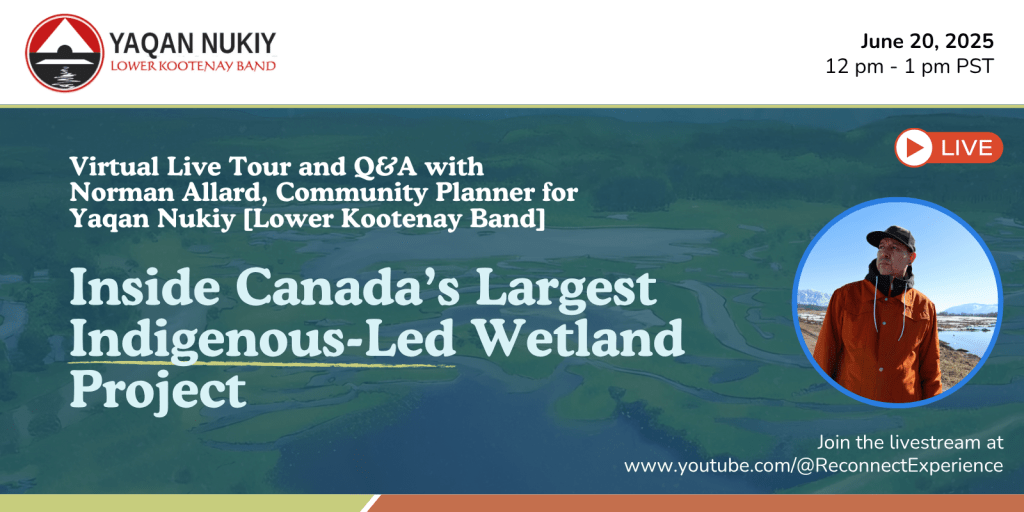
Upcoming Event — Virtual Tour of Canada’s Largest Indigenous-Led Wetland Restoration
Event Cancelled — Please check Norman Allard’s LinkedIn profile for rescheduling updates in the coming weeks. Inside Canada’s Largest Indigenous-Led Wetland Project Virtual Live Tour and Q&A with Norman Allard, Community Planner for Yaqan Nukiy (Lower Kootenay Band) Date: June 20, 2025Time: 12:00 p.m. – 1:00 p.m. PSTWhere to watch: www.youtube.com/@ReconnectExperience Join Norman Allard, Community Planner…
-

Assessing Road Impacts on Wetlands in Northern B.C.
Introducing BCWF’s RIWHA Tool Across British Columbia, roads and industrial infrastructure continue to reshape wetland ecosystems—this is especially true in northern B.C., where decades of hydroelectric development and land-use change have left lasting marks on the landscape. To better understand and respond to these impacts, the B.C. Wildlife Federation has launched a new tool: the…
-
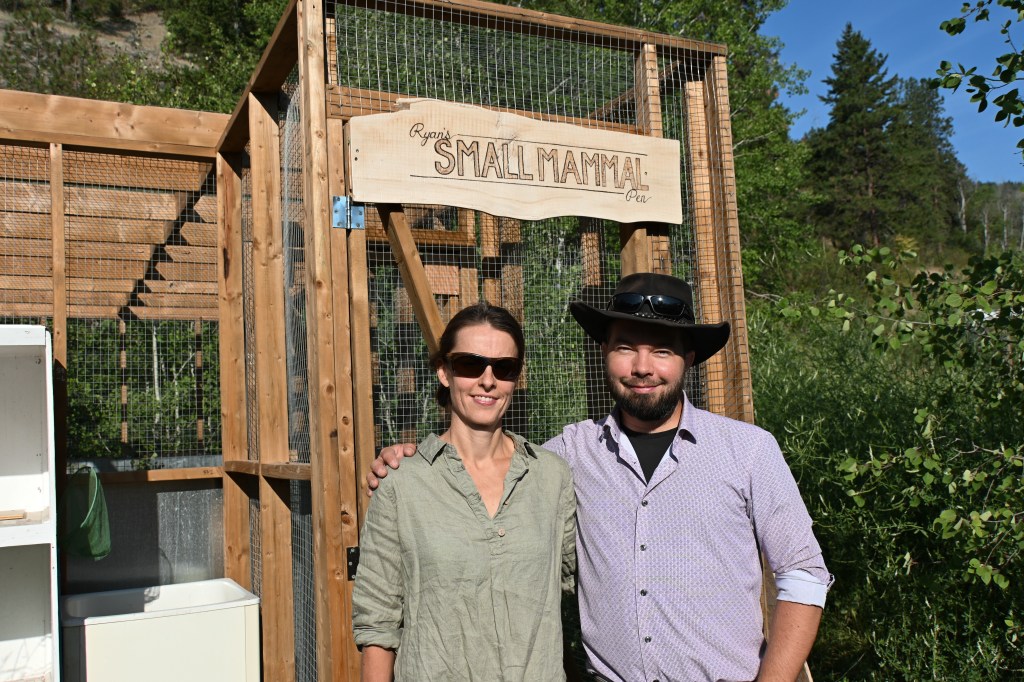
Partnering with Beavers — An Inside Look at the Work of the Interior Wildlife Rehabilitation Society
On this April 7th, International Beaver Day—a day some of our staff believe should be an international stat holiday—we recognize the vital role beavers play in shaping and restoring ecosystems. These remarkable rodents are nature’s engineers, creating wetlands that support biodiversity, improve water quality, and help mitigate the effects of climate change. But what happens…
-
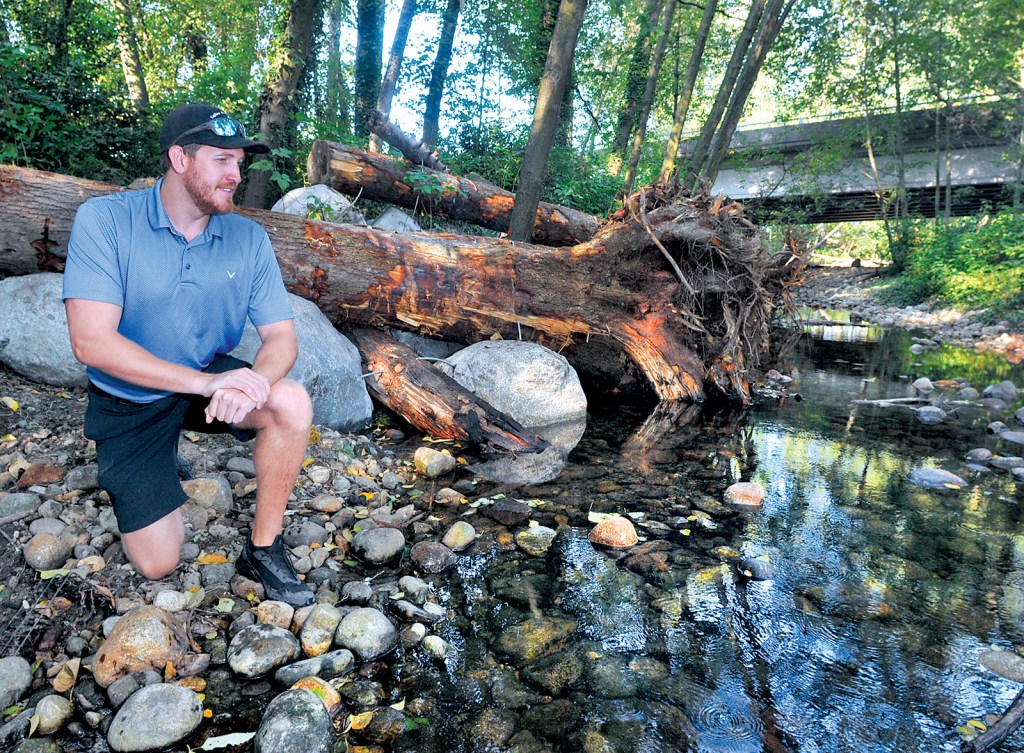
Bringing Back the Chum — Mosquito Creek Restoration
Mosquito Creek in North Vancouver was once a thriving salmon-bearing stream, but decades of urbanization, channelization, and flood control measures dramatically changed its course—both literally and ecologically. Since the 1960s, human impacts have degraded the creek’s natural habitat, making the return of salmon a rare sight. Recognizing the urgent need for restoration, the North Shore…
-
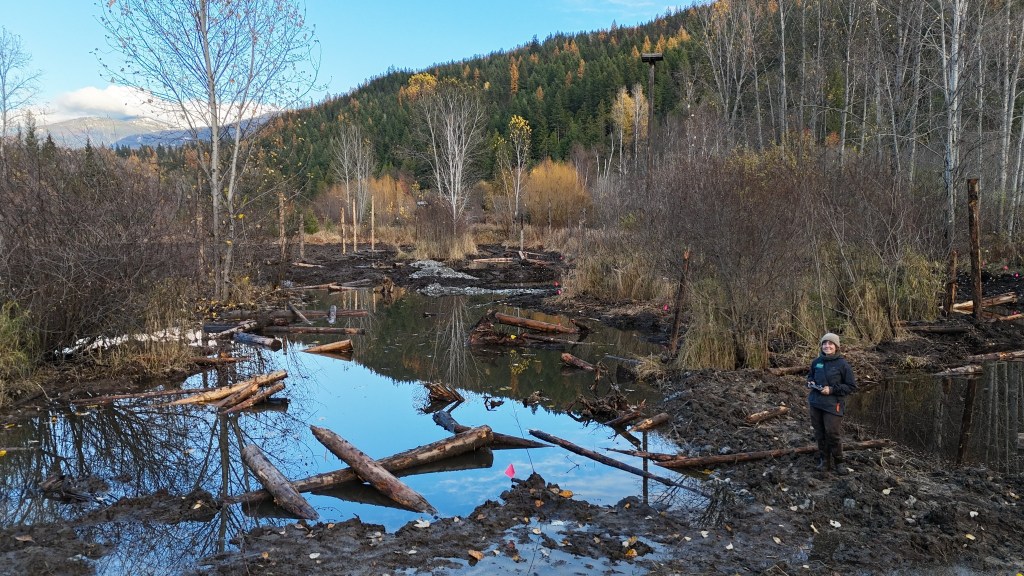
Restoring Balance — Wetland Renewal at Crooked Horn Farm
In the heart of Winlaw, B.C., Crooked Horn Farm has transformed a portion of its farmland into a vibrant wetland habitat through a partnership with the Slocan River Streamkeepers, the B.C. Wildlife Federation, and two organic farm owners. This initial project, introduced in 2016 and carried into 2017 by local conservationist and Program Manager for…
 BCWF Watershed Team