
Category: Projects
-
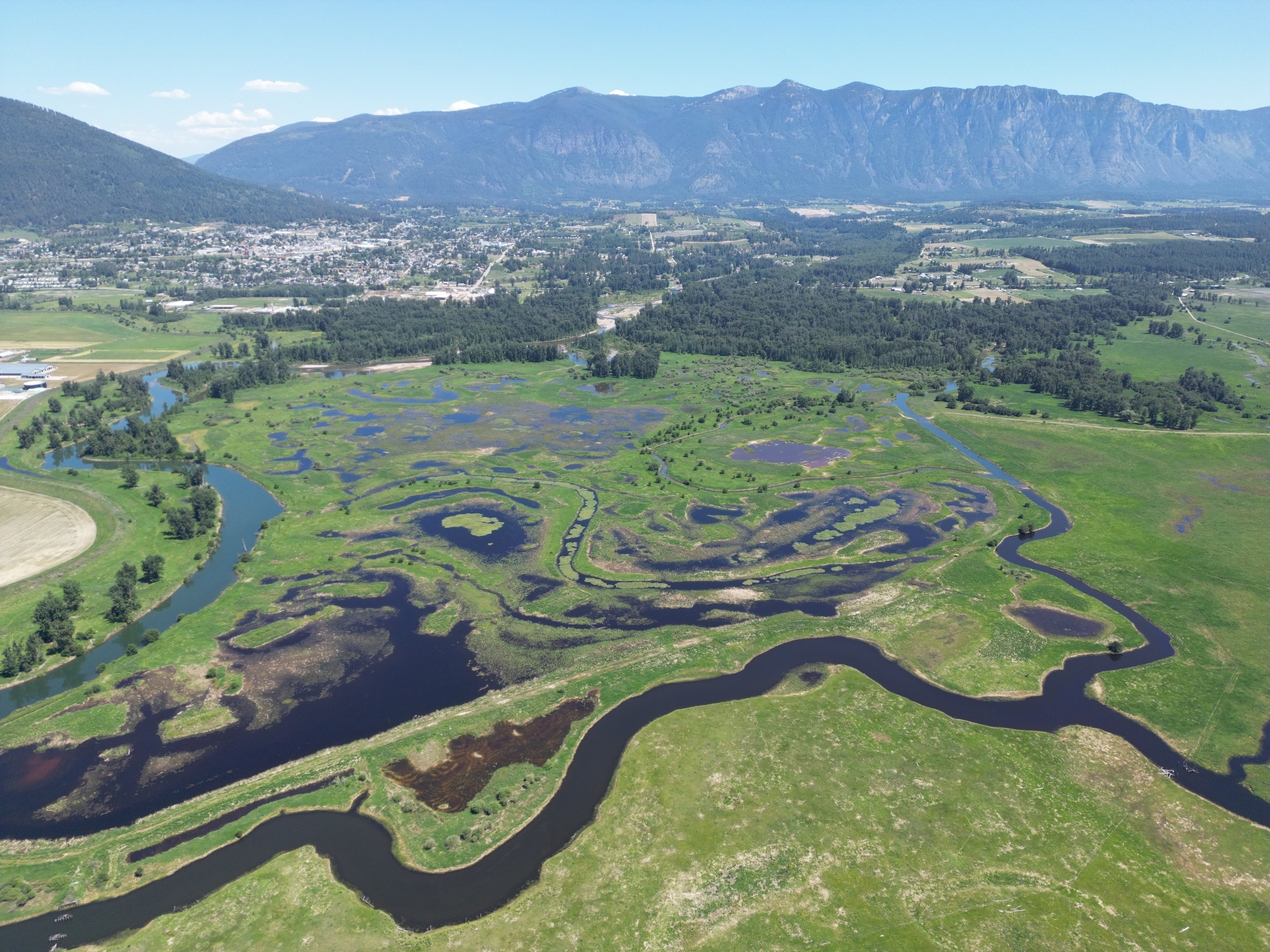
Reviving the Land — The Yaqan Nukiy Wetland Renaturalization Project
What happens when you let the land lead? In B.C.’s central Kootenay region, a wetland revitalization project led by the Yaqan Nukiy People (Lower Kootenay Band) is showcasing exactly that. Guided by millennia of Indigenous knowledge, the Yaqan Nukiy Wetland Project is one of the most ambitious restoration efforts in Canada. With a focus on…
-

Upcoming Event — Virtual Tour of Canada’s Largest Indigenous-Led Wetland Restoration
Event Cancelled — Please check Norman Allard’s LinkedIn profile for rescheduling updates in the coming weeks. Inside Canada’s Largest Indigenous-Led Wetland Project Virtual Live Tour and Q&A with Norman Allard, Community Planner for Yaqan Nukiy (Lower Kootenay Band) Date: June 20, 2025Time: 12:00 p.m. – 1:00 p.m. PSTWhere to watch: www.youtube.com/@ReconnectExperience Join Norman Allard, Community Planner…
-

Assessing Road Impacts on Wetlands in Northern B.C.
Introducing BCWF’s RIWHA Tool Across British Columbia, roads and industrial infrastructure continue to reshape wetland ecosystems—this is especially true in northern B.C., where decades of hydroelectric development and land-use change have left lasting marks on the landscape. To better understand and respond to these impacts, the B.C. Wildlife Federation has launched a new tool: the…
-
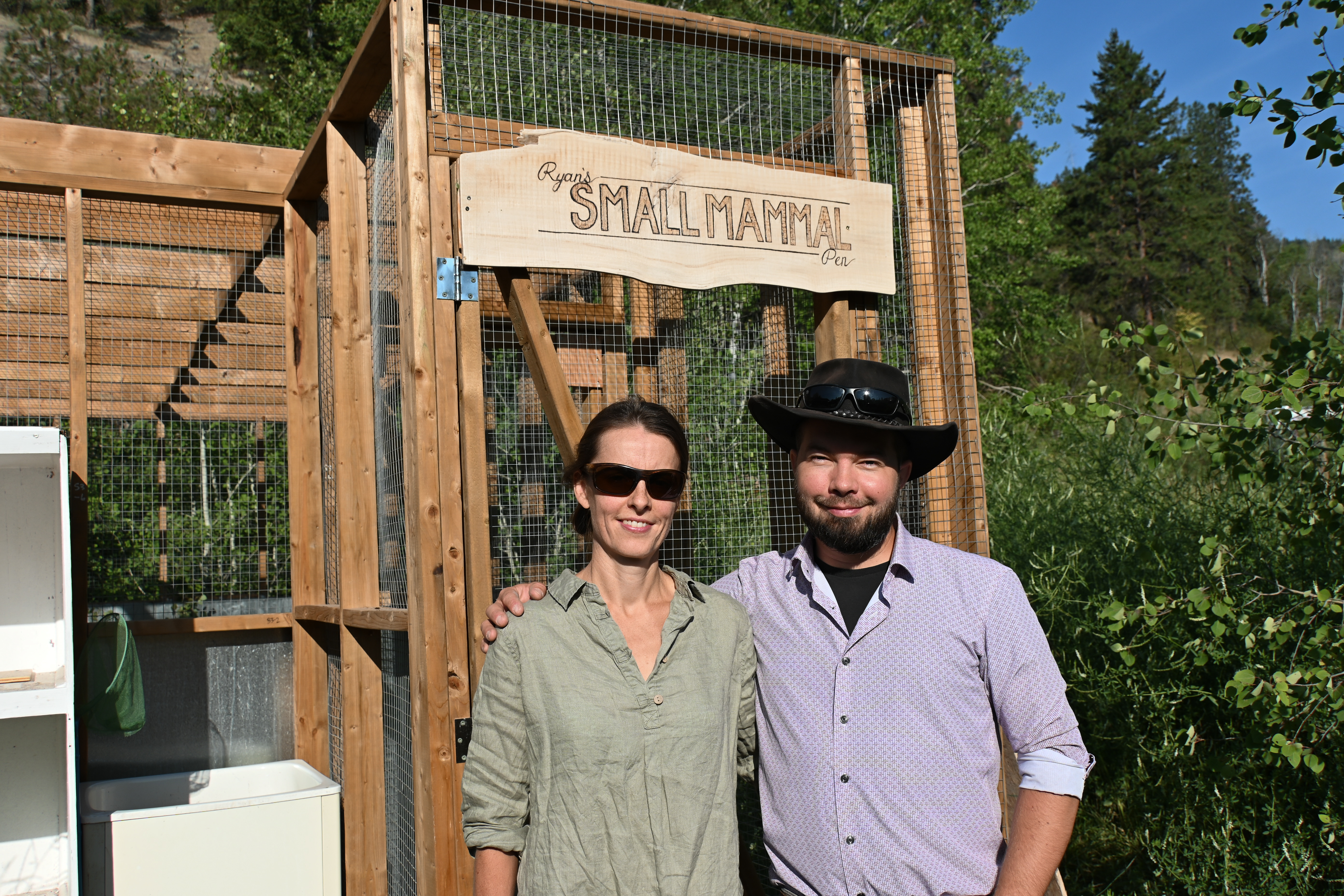
Partnering with Beavers — An Inside Look at the Work of the Interior Wildlife Rehabilitation Society
On this April 7th, International Beaver Day—a day some of our staff believe should be an international stat holiday—we recognize the vital role beavers play in shaping and restoring ecosystems. These remarkable rodents are nature’s engineers, creating wetlands that support biodiversity, improve water quality, and help mitigate the effects of climate change. But what happens…
-
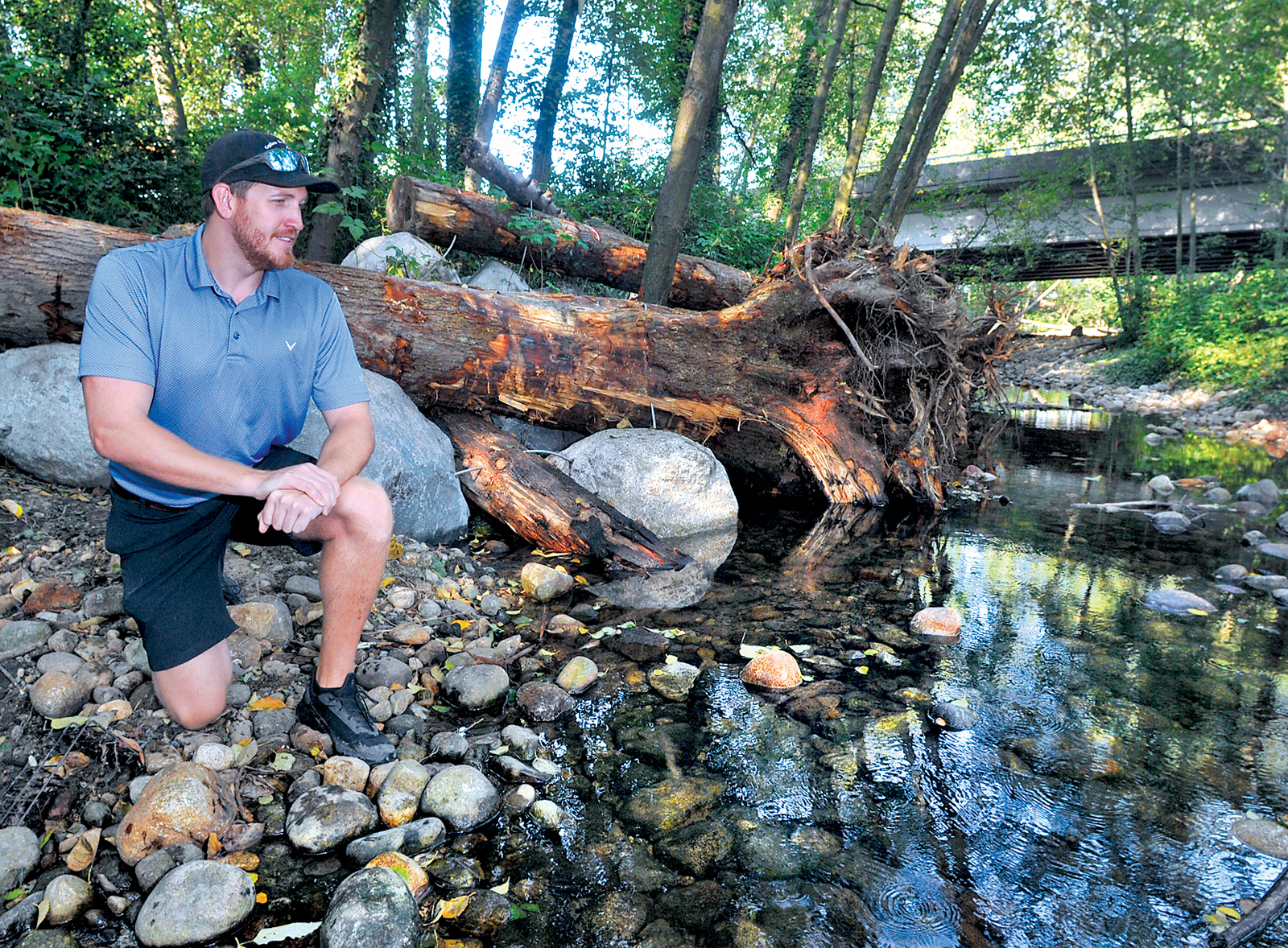
Bringing Back the Chum — Mosquito Creek Restoration
Mosquito Creek in North Vancouver was once a thriving salmon-bearing stream, but decades of urbanization, channelization, and flood control measures dramatically changed its course—both literally and ecologically. Since the 1960s, human impacts have degraded the creek’s natural habitat, making the return of salmon a rare sight. Recognizing the urgent need for restoration, the North Shore…
-
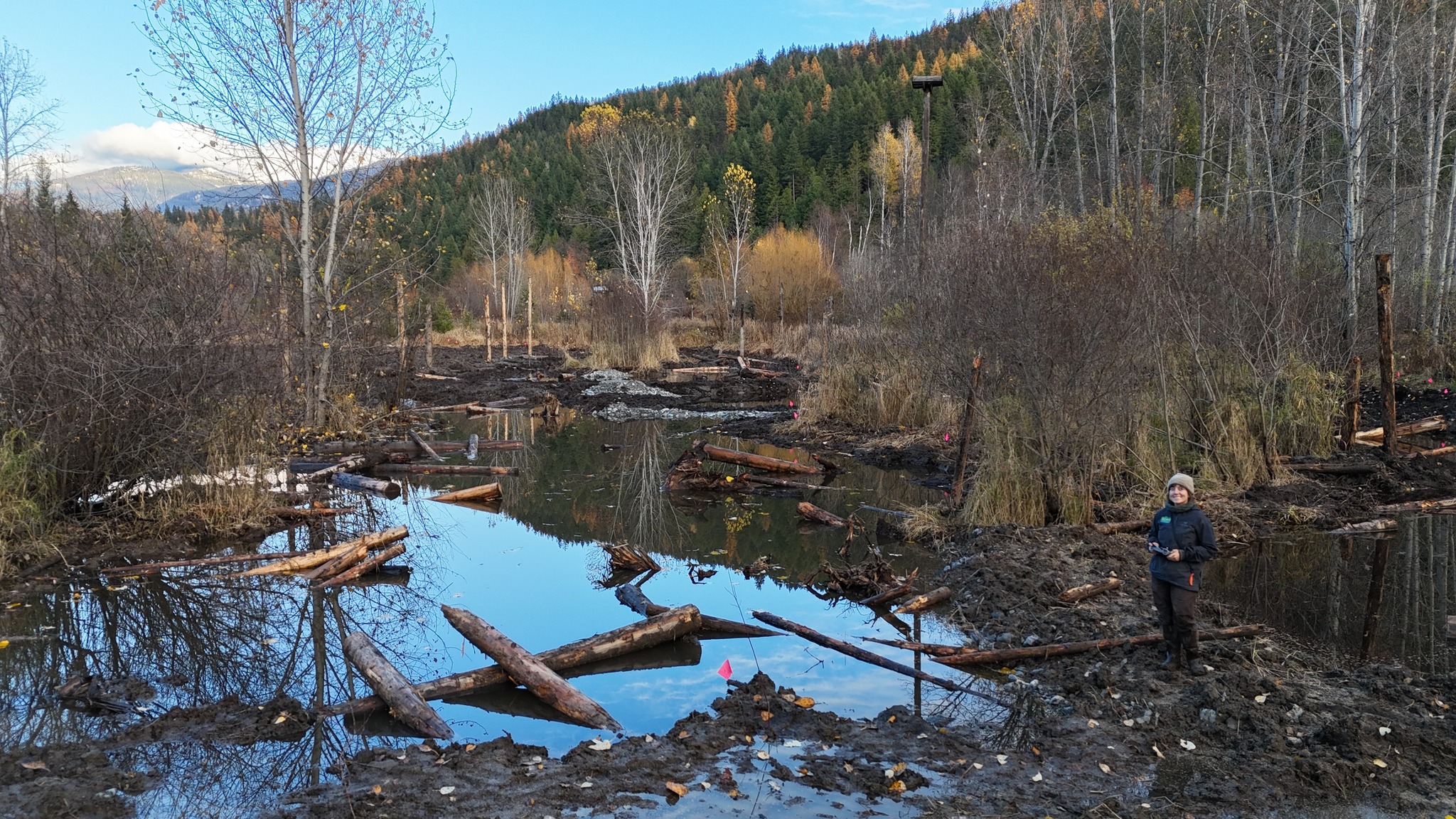
Restoring Balance — Wetland Renewal at Crooked Horn Farm
In the heart of Winlaw, B.C., Crooked Horn Farm has transformed a portion of its farmland into a vibrant wetland habitat through a partnership with the Slocan River Streamkeepers, the B.C. Wildlife Federation, and two organic farm owners. This initial project, introduced in 2016 and carried into 2017 by local conservationist and Program Manager for…
-
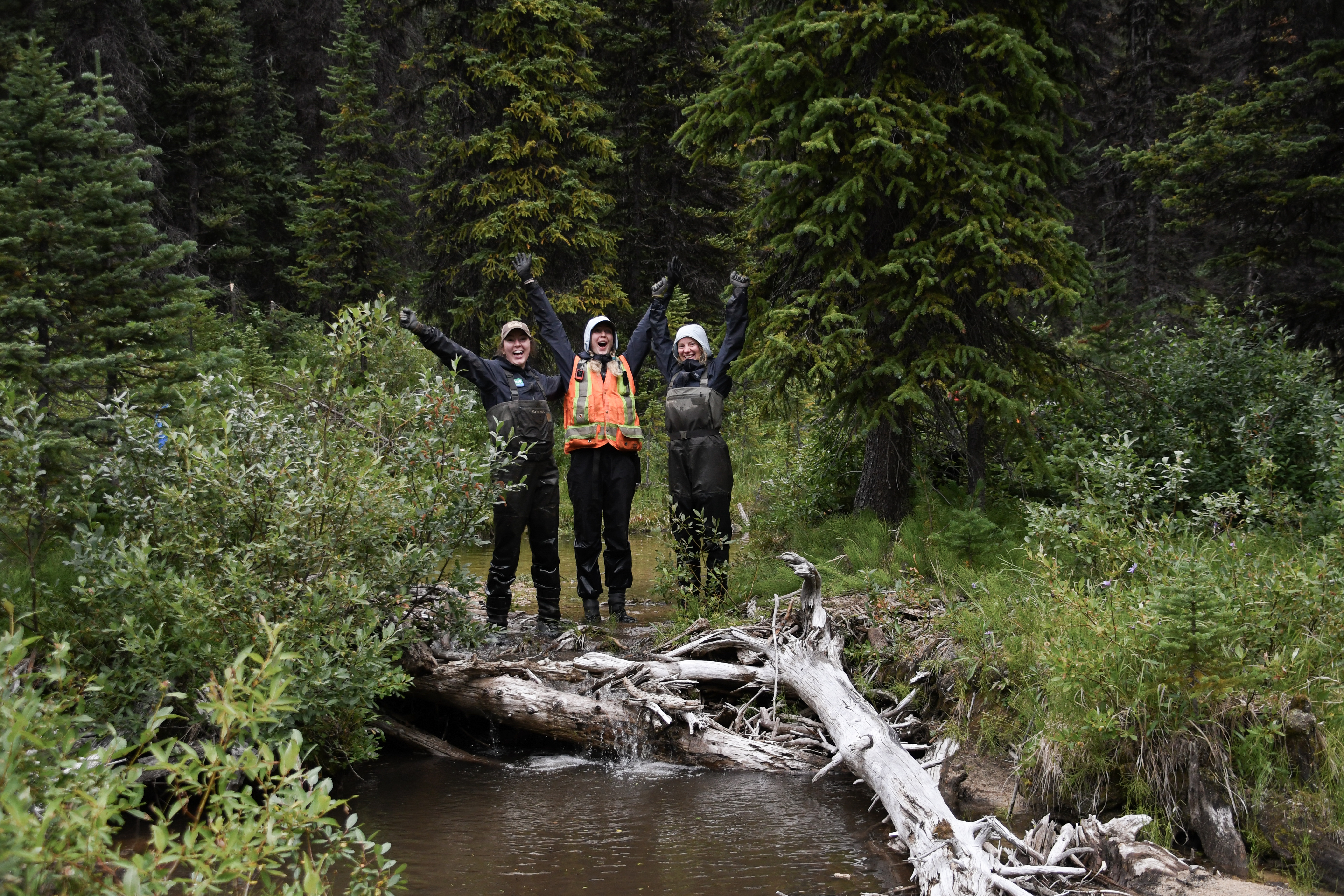
Building Like Beavers — BCWF’s 10,000 Wetlands Project Update
BCWF’s 10,000 Wetlands Project Aims to Restore British Columbia’s Watersheds After centuries of beaver exploitation and loss of productive beaver habitat, the B.C. Wildlife Federation is transforming ecosystem restoration in British Columbia through its innovative 10,000 Wetlands project. This initiative leverages low-tech process-based restoration (LTPBR) techniques, inspired by beavers’ tenacious dam-building tendencies, to address pressing…
-

Microplastics Are No Small Problem
Microplastics are everywhere—floating in our waterways, drifting through the air we breathe, and settling in delicate ecosystems. These tiny plastic particles aren’t just a concern for humans, who unknowingly consume thousands of them daily; they’re also invading fish and wildlife habitats, disrupting food chains and threatening biodiversity. But what exactly are microplastics, and why do…
-

Toxic Tire Leaching — A Threat to Salmon Survival
The importance of removing harmful debris, such as tires, from the Fraser River Estuary cannot be overstated. Between 2021 and 2024, the B.C. Wildlife Federation’s Fraser River Tidal Marsh Clean-up team worked tirelessly to tackle this issue. Crew members reported finding a wide range of random debris in the estuary—shoes, hats, flip-flops—scattered across islands where…
-
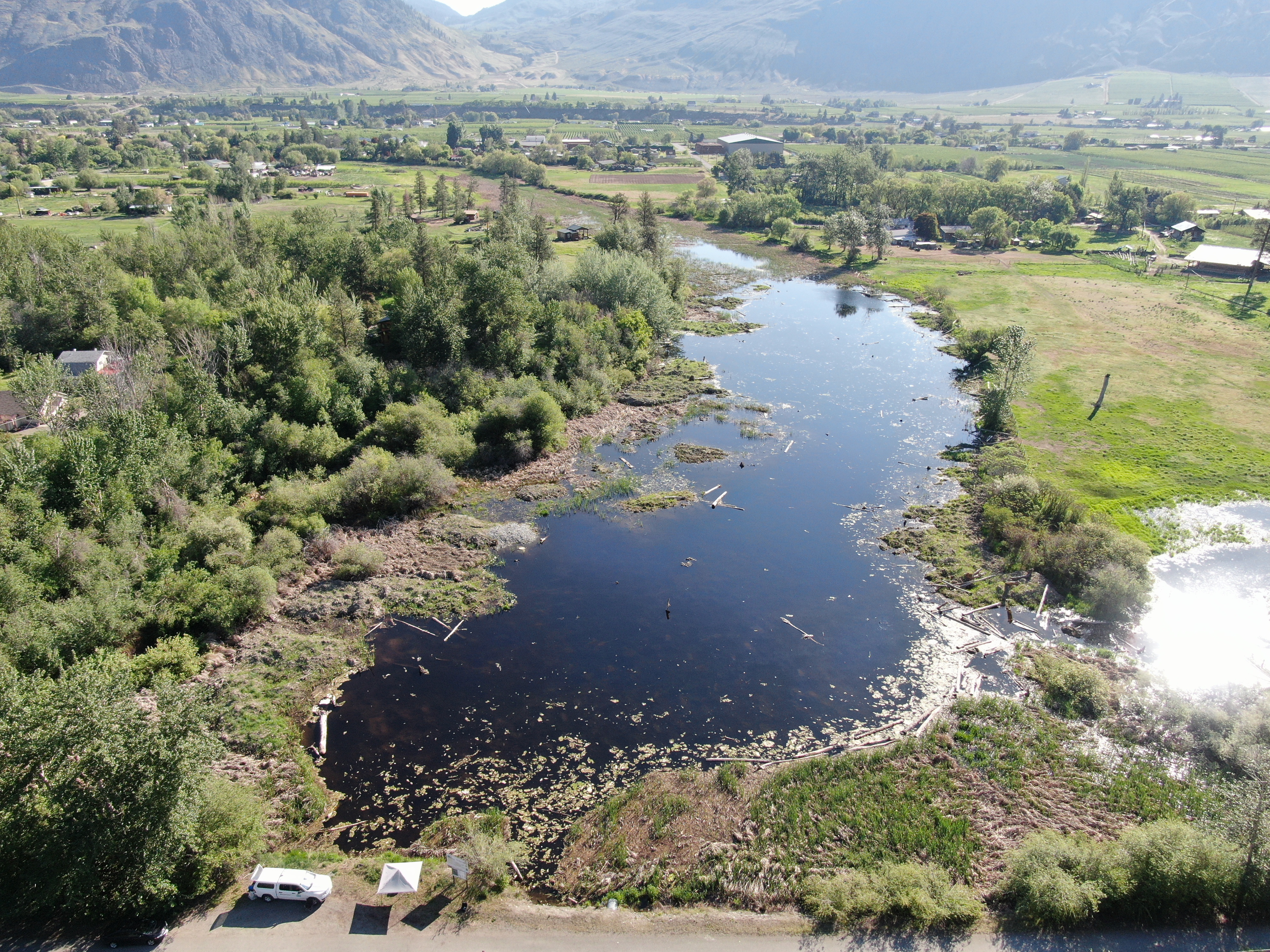
nʔaʕx̌ʷt (Ginty’s Pond) — The Power of Partnerships
As much as 85% of wetlands have been lost in the Okanagan and Similkameen region. Given the heavy dependency on water conservation in farming communities like Cawston, BC—known as the Organic Capital of Canada—the opportunity to restore Ginty’s Pond (nʔaʕx̌ʷt) back to an open water wetland was a clear choice for Josie Symonds, a senior…