Author: Jamie Long
-
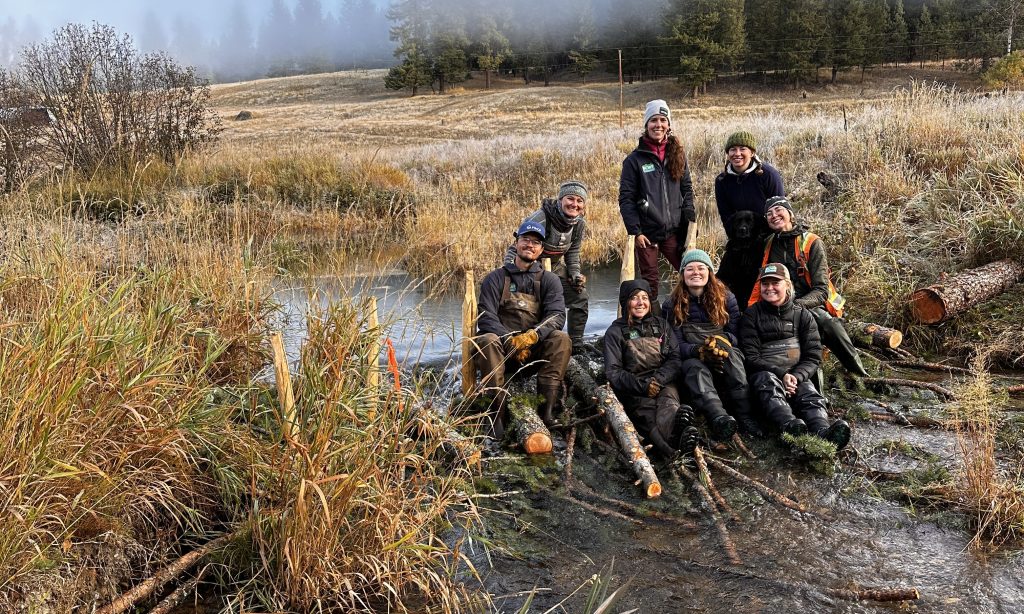
Beavers Return to Earl Ranch
When our team returned to Earl Ranch this fall for routine maintenance and effectiveness monitoring, one year after building ten Beaver Dam Analogues (BDAs) in the stream flowing through the property, the signs were unmistakable: freshly peeled branches, packed mud, and the glint of pooled water spreading across the floodplain. The beavers were back. “If…
-
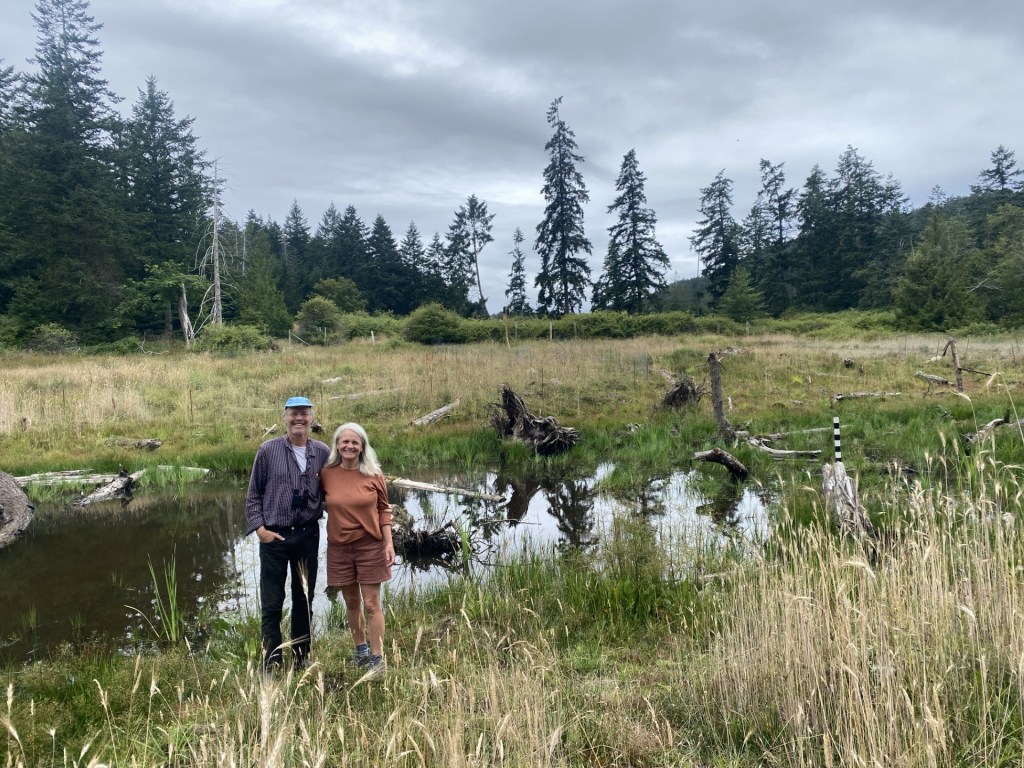
Wetland Revival on Pender Island Thanks to Local Landowners
Not all restoration happens in parks or protected areas. Increasingly, it’s private landowners who hold the key to restoring important habitats. On South Pender Island, one such restoration project has transformed a former soggy grazed field into an emerging wetland, showing how individual stewardship can help reverse habitat loss and support species at risk. In…
-
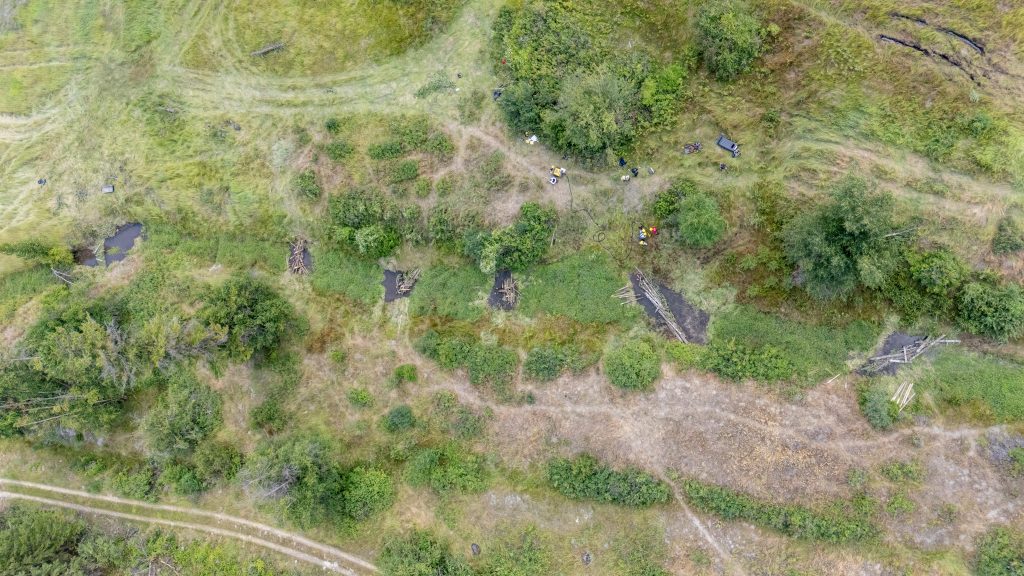
Kicking Off 2025 with Hands on Restoration and Training in the South Okanagan
The South Okanagan is one of the driest regions in British Columbia, yet it’s full of life. Alongside vibrant vineyards, sparkling lakes, and rolling grasslands, the region is home to an incredible diversity of fish and wildlife that flourish where water flows. From the smallest stream to the quietest wetland to the broadest lake, these…
-
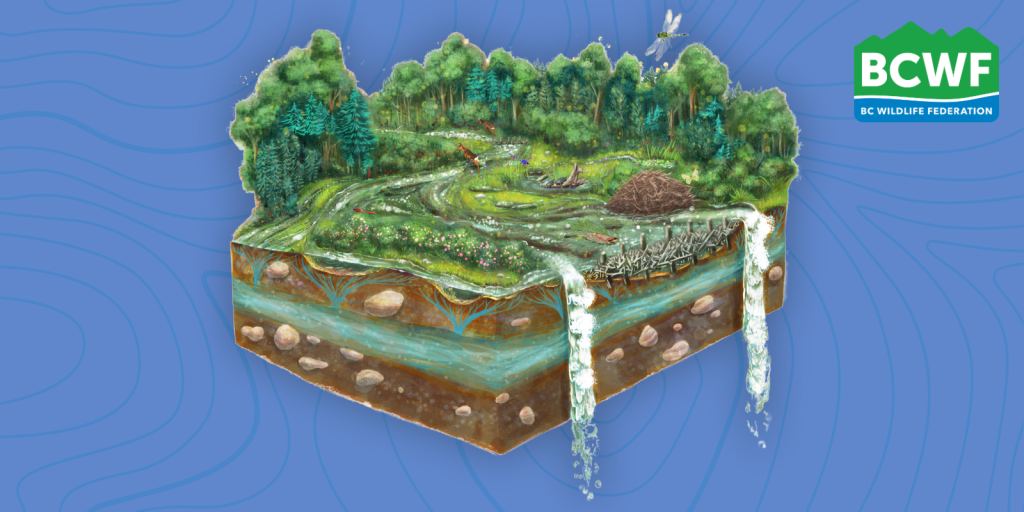
Understanding Beaver Dam Analogues — Q&A with Jennifer Rogers
Restoring streams, floodplains, and wetlands doesn’t always require heavy machinery. Sometimes, simple, nature-based solutions are the most effective. That’s the idea behind low-tech process-based restoration (LTPBR)—an approach that uses natural materials and processes to support ecosystem recovery. Two widely used techniques involve building simple, hand-crafted structures inspired by nature: Beaver Dam Analogues (BDAs) and Post-Assisted…
-
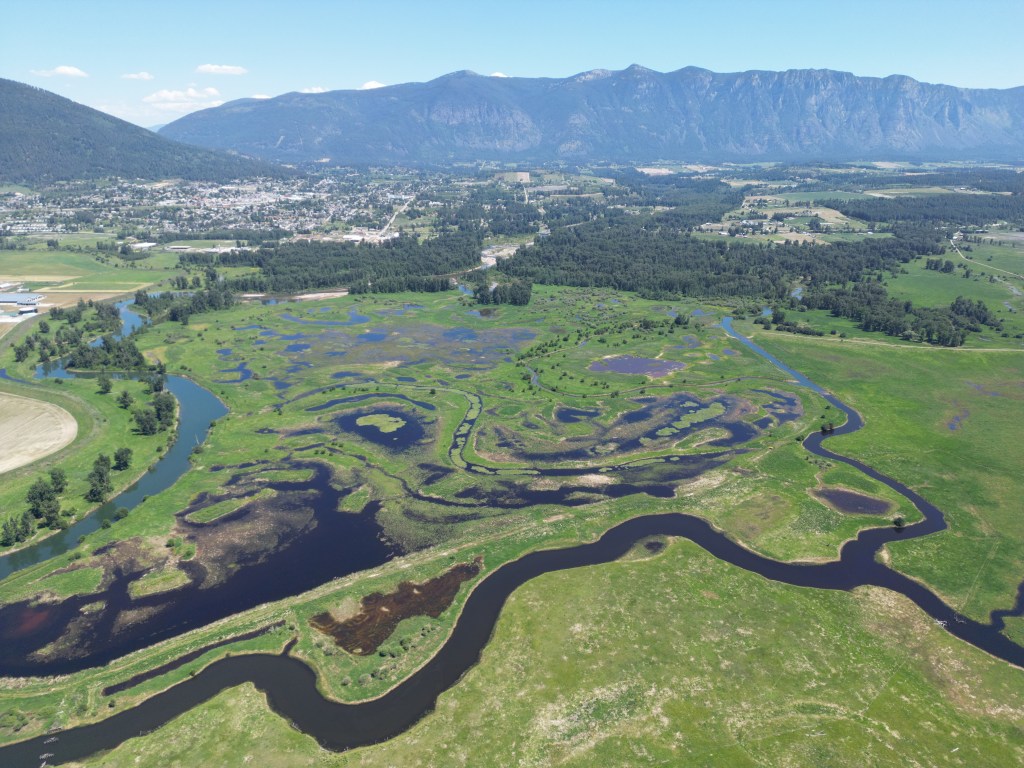
Reviving the Land — The Yaqan Nukiy Wetland Renaturalization Project
What happens when you let the land lead? On Yaqan Nukiy territory, millennia of Indigenous knowledge is guiding one of the most ambitious wetland projects in Canada—transforming not only ecosystems, but the broader understanding of how restoration can be approached. The Yaqan Nukiy Wetland Project, located on 517 hectares of Lower Kootenay Band reserve lands…
-

Welcome to the Team! Meet Our New & Returning Conservation Stewardship Staff
As the summer field season kicks off, we’re excited to welcome back several dedicated members—and introduce one new face—to the B.C. Wildlife Federation’s Watershed Team (aka the Conservation Stewardship department)! Sabine Rankin – Junior Restoration Technician Welcome to the team, Sabine! Sabine Rankin holds a B.Sc. in Biological Sciences from Simon Fraser University with a…
-

Assessing Road Impacts on Wetlands in Northern B.C.
Introducing BCWF’s RIWHA Tool Across British Columbia, roads and industrial infrastructure continue to reshape wetland ecosystems—this is especially true in northern B.C., where decades of hydroelectric development and land-use change have left lasting marks on the landscape. To better understand and respond to these impacts, the B.C. Wildlife Federation has launched a new tool: the…
-
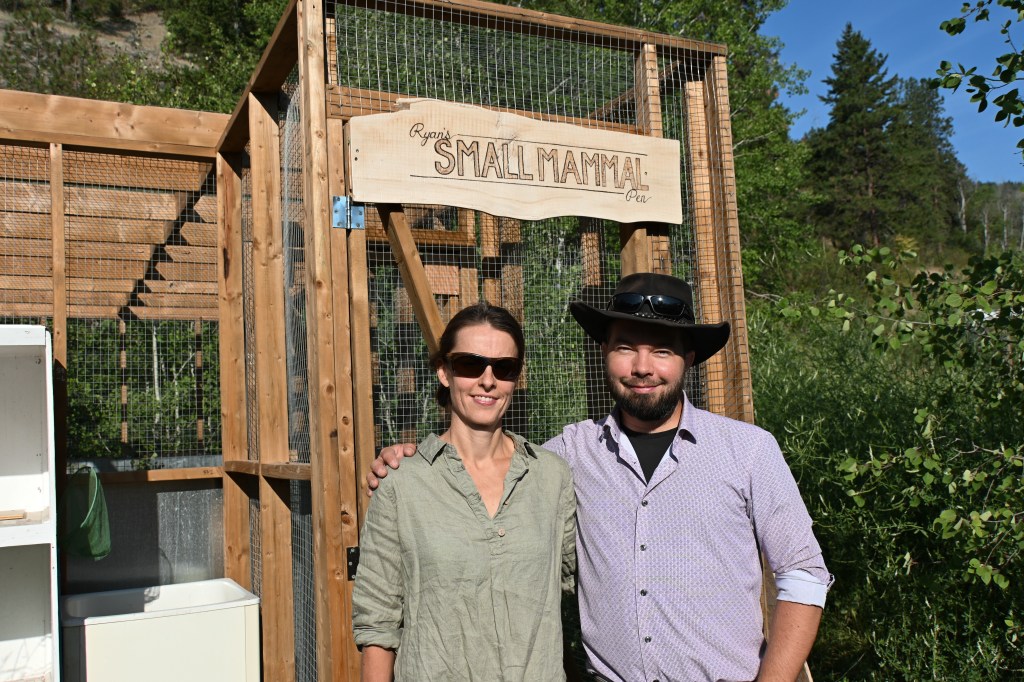
Partnering with Beavers — An Inside Look at the Work of the Interior Wildlife Rehabilitation Society
On this April 7th, International Beaver Day—a day some of our staff believe should be an international stat holiday—we recognize the vital role beavers play in shaping and restoring ecosystems. These remarkable rodents are nature’s engineers, creating wetlands that support biodiversity, improve water quality, and help mitigate the effects of climate change. But what happens…
-
Celebrating World Water Day 2025 — Protecting B.C.’s Watersheds
“If there is magic on this planet, it is contained in water” – Loren Eiseley Water connects us all—it nourishes ecosystems, sustains communities, and shapes the landscapes we call home. This World Water Day, we recognize the importance of protecting and restoring our freshwater resources in British Columbia. From wetlands and rivers to glaciers and…
-
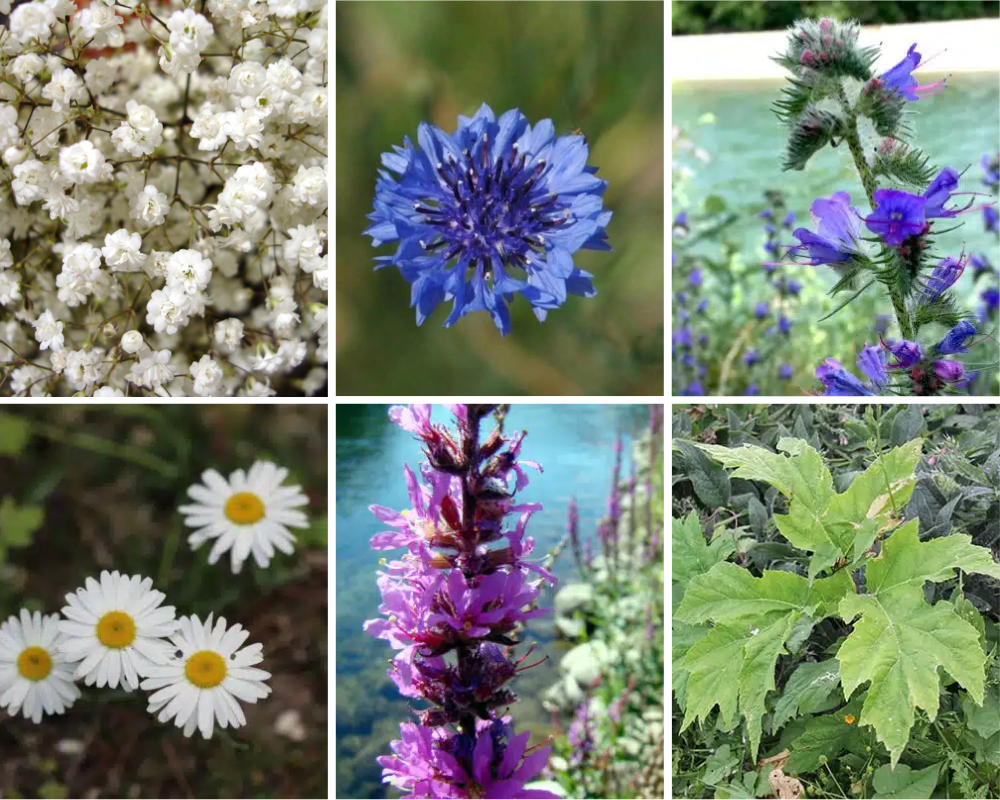
Common Wetland Invasives
In recognition of National Invasive Species Awareness Week 2025, the B.C. Wildlife Federation is highlighting the growing threat of invasive species in B.C.’s wetlands. Since 1996, the BCWF has been a leader in wetland conservation, working to protect, restore, and spread the word about these critical ecosystems across the province. Wetlands play a crucial role…
 BCWF Watershed Team