
Author: Jamie Long
-
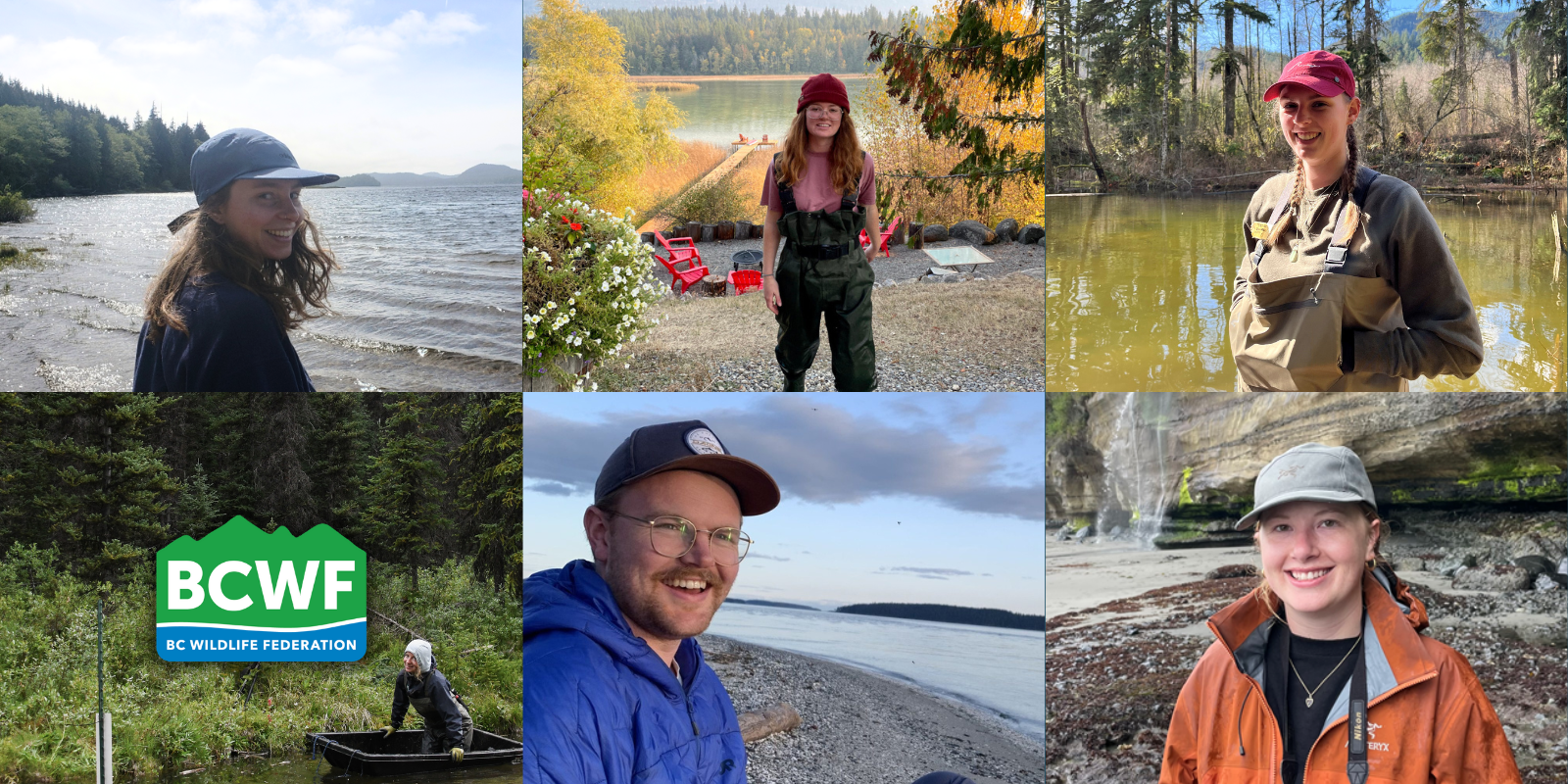
Welcome to the Team! Meet Our New & Returning Conservation Stewardship Staff
As the summer field season kicks off, we’re excited to welcome back several dedicated members—and introduce one new face—to the B.C. Wildlife Federation’s Watershed Team (aka the Conservation Stewardship department)! Sabine Rankin – Junior Restoration Technician Welcome to the team, Sabine! Sabine Rankin holds a B.Sc. in Biological Sciences from Simon Fraser University with a…
-

Assessing Road Impacts on Wetlands in Northern B.C.
Introducing BCWF’s RIWHA Tool Across British Columbia, roads and industrial infrastructure continue to reshape wetland ecosystems—this is especially true in northern B.C., where decades of hydroelectric development and land-use change have left lasting marks on the landscape. To better understand and respond to these impacts, the B.C. Wildlife Federation has launched a new tool: the…
-
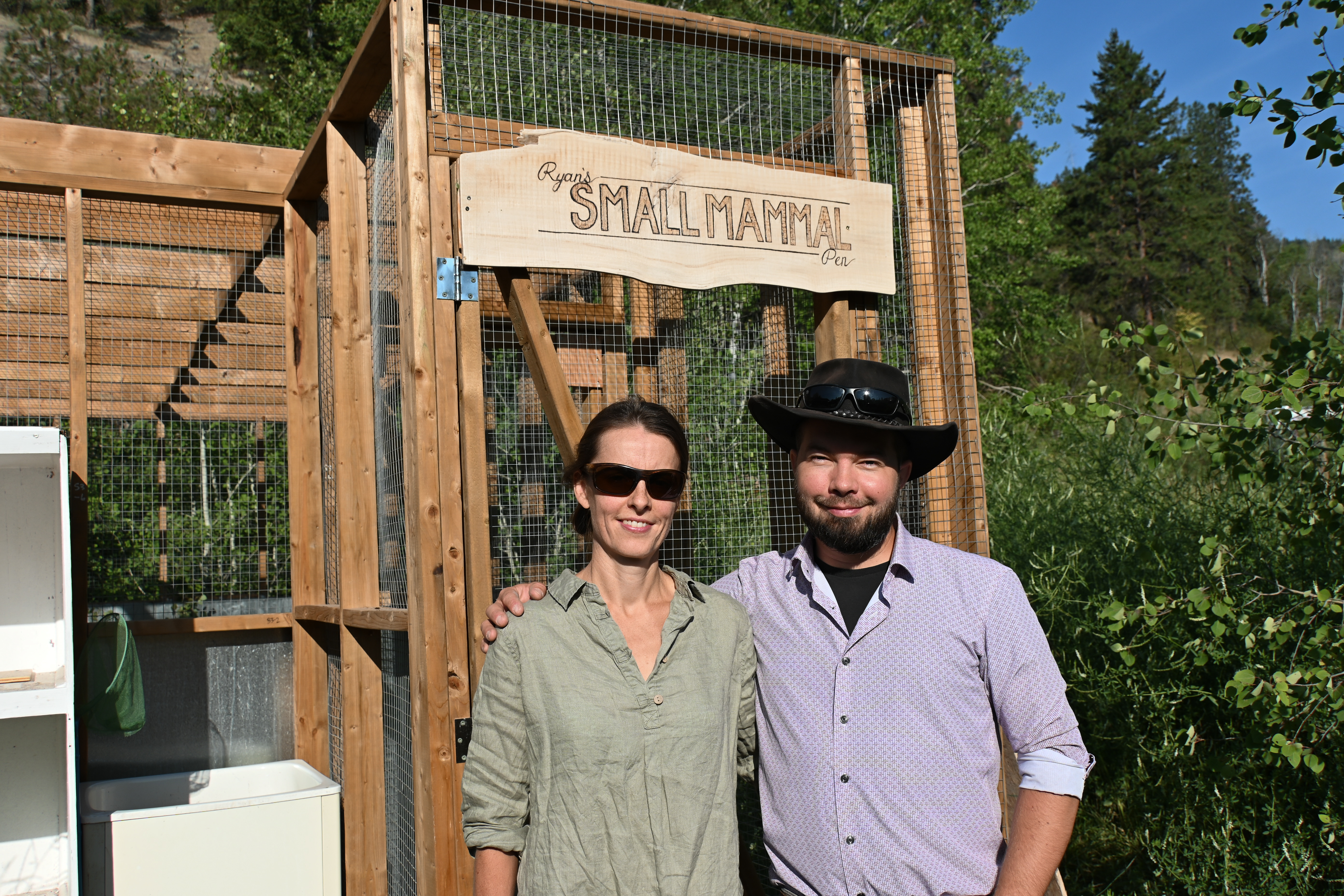
Partnering with Beavers — An Inside Look at the Work of the Interior Wildlife Rehabilitation Society
On this April 7th, International Beaver Day—a day some of our staff believe should be an international stat holiday—we recognize the vital role beavers play in shaping and restoring ecosystems. These remarkable rodents are nature’s engineers, creating wetlands that support biodiversity, improve water quality, and help mitigate the effects of climate change. But what happens…
-

Celebrating World Water Day 2025 — Protecting B.C.’s Watersheds
“If there is magic on this planet, it is contained in water” – Loren Eiseley Water connects us all—it nourishes ecosystems, sustains communities, and shapes the landscapes we call home. This World Water Day, we recognize the importance of protecting and restoring our freshwater resources in British Columbia. From wetlands and rivers to glaciers and…
-
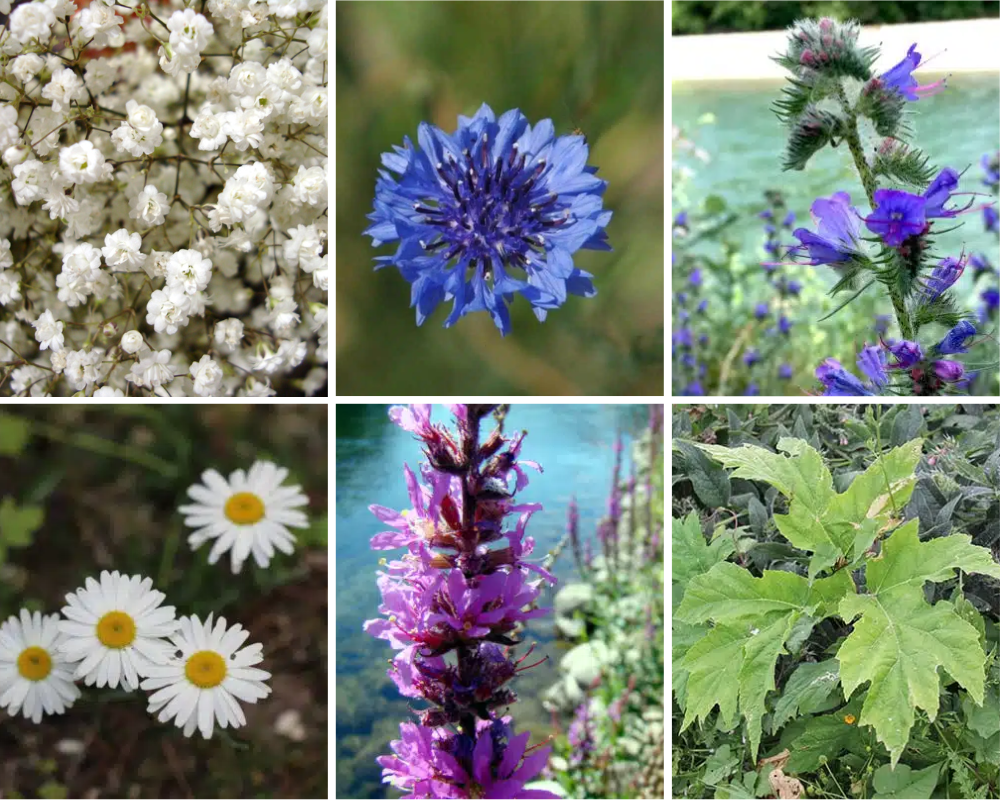
Common Wetland Invasives
In recognition of National Invasive Species Awareness Week 2025, the B.C. Wildlife Federation is highlighting the growing threat of invasive species in B.C.’s wetlands. Since 1996, the BCWF has been a leader in wetland conservation, working to protect, restore, and spread the word about these critical ecosystems across the province. Wetlands play a crucial role…
-

Whirling Disease — A Threat to B.C.’s Fish and Freshwater Ecosystems
Invasive species can have devastating impacts on B.C.’s freshwater ecosystems, threatening fish populations, altering habitats, and compromising water quality. One of the most concerning emerging threats is whirling disease, a microscopic parasite that affects juvenile salmonid fish, including trout and whitefish. For National Invasive Species Awareness Week 2025, the B.C. Wildlife Federation is bringing attention to whirling disease,…
-
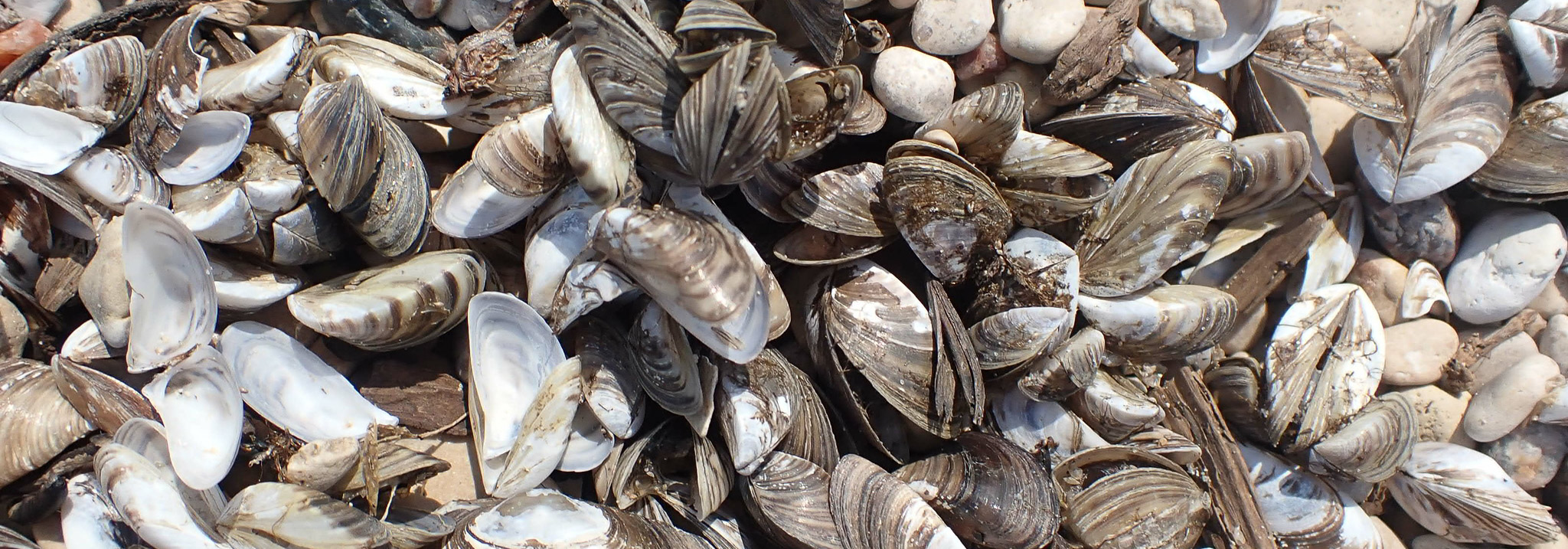
Invasive Mussels — An Immediate and Preventable Threat
Invasive species pose a serious risk to B.C.’s lakes and rivers, with the potential to disrupt entire ecosystems. Among the most destructive are zebra mussels (Dreissena polymorpha) and quagga mussels (Dreissena rostriformis bugensis), which spread rapidly, damaging aquatic habitats, fisheries, and water systems.] For years, the BCWF has advocated for protections against these invasive mussels,…
-

Happy International Day of Women and Girls in Science!
Today, February 11, 2025, is the tenth annual United Nations International Day of Women and Girls in Science. About three quarters of the staff at the B.C. Wildlife Federation are women, all of whom work hard to restore habitat, protect watersheds, advocate for fish and wildlife conservation, and enhance conservation awareness across the province. The BCWF…
-
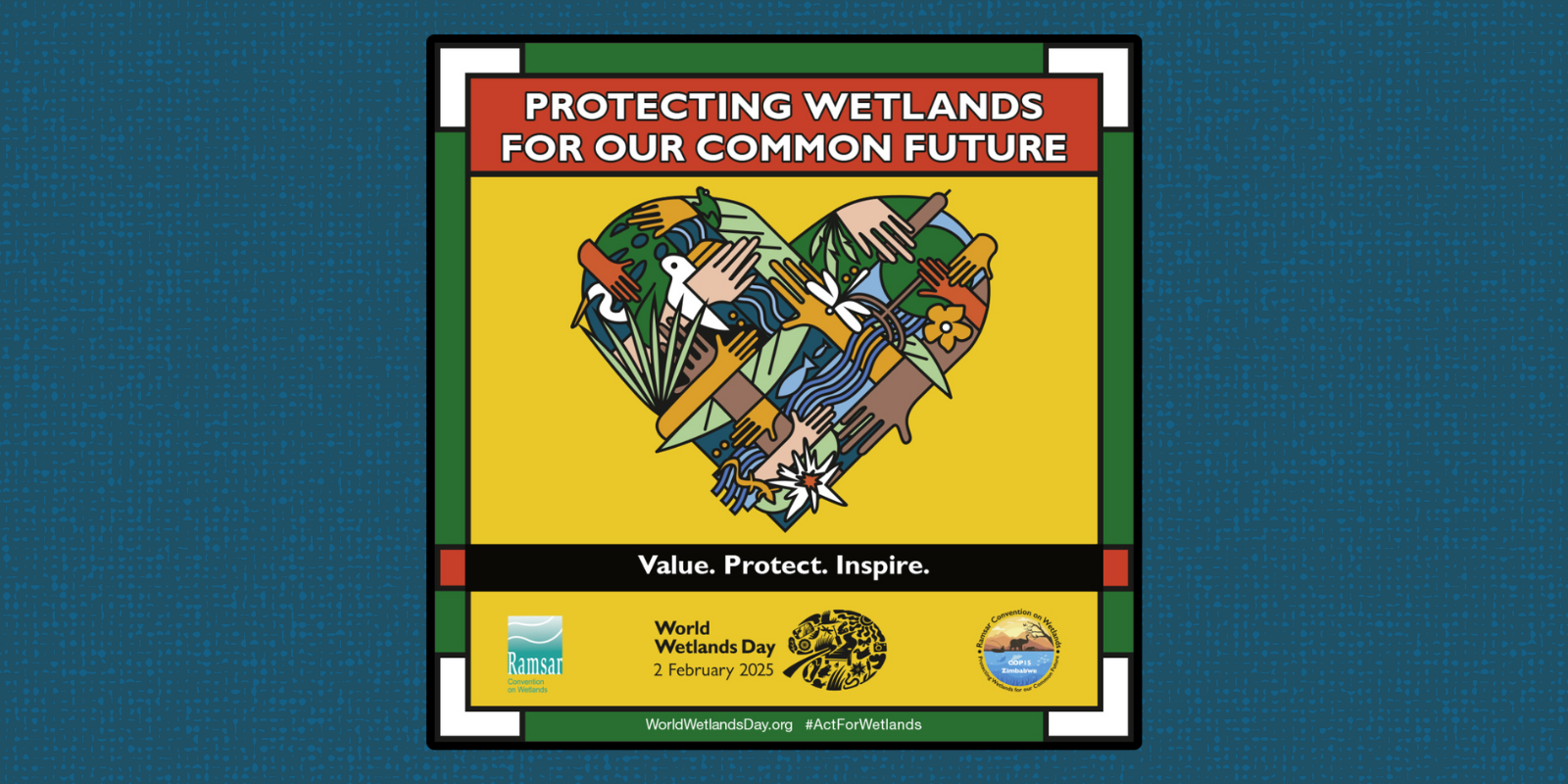
World Wetlands Day 2025 — Protecting Wetlands for Our Common Future
Today’s youth play a crucial role in what must be a collective effort to protect, restore, and sustainably manage wetlands across B.C., Canada, and the world. On World Wetlands Day 2025, the B.C. Wildlife Federation is embracing the theme Protecting Wetlands for Our Common Future, emphasizing the importance of collaborating with young people to value…
-
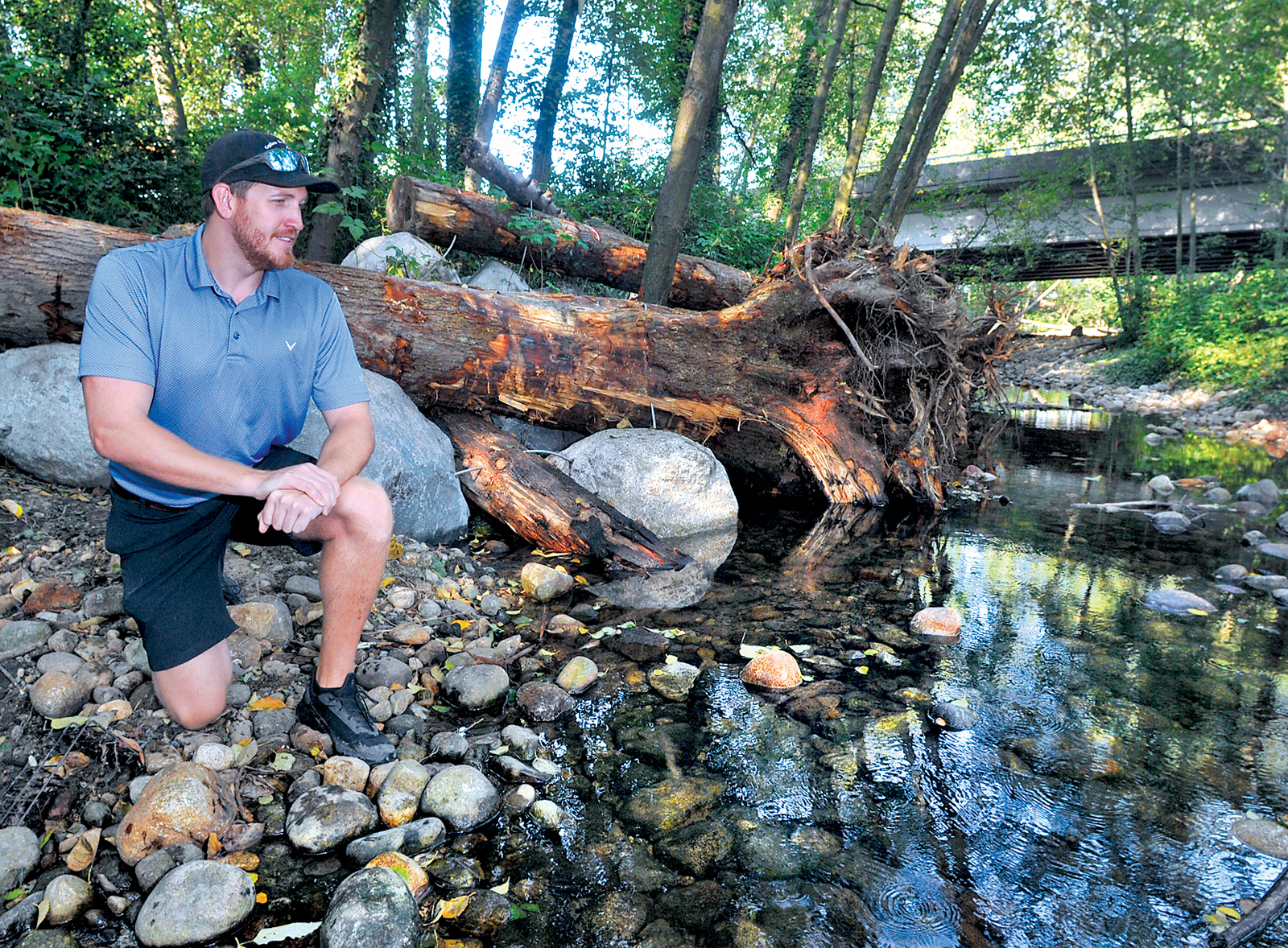
Bringing Back the Chum — Mosquito Creek Restoration
Mosquito Creek in North Vancouver was once a thriving salmon-bearing stream, but decades of urbanization, channelization, and flood control measures dramatically changed its course—both literally and ecologically. Since the 1960s, human impacts have degraded the creek’s natural habitat, making the return of salmon a rare sight. Recognizing the urgent need for restoration, the North Shore…