
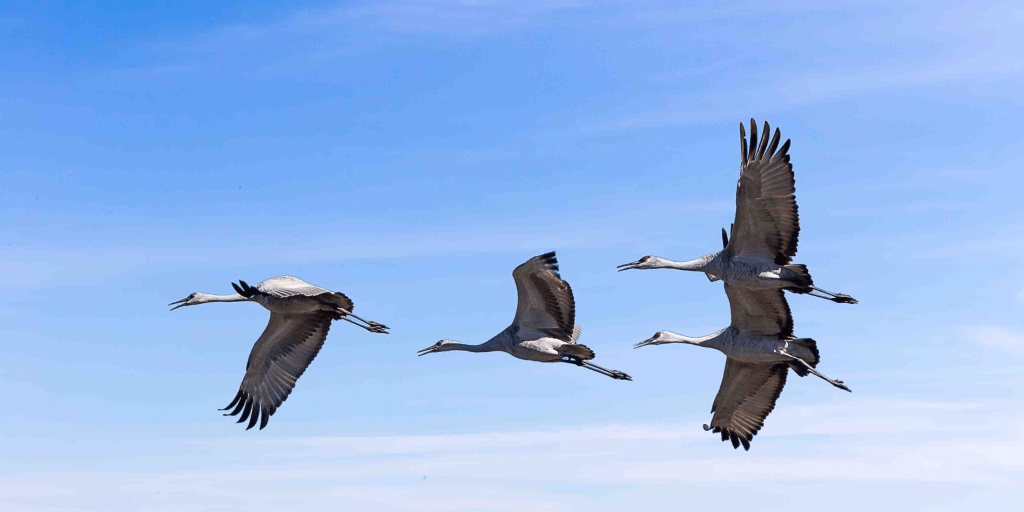
Each year, World Migratory Bird Day unites people across the globe in celebrating one of nature’s most awe-inspiring phenomena—the seasonal movement of billions of birds across vast distances. In 2025, the focus is on how we can make our communities—rural and urban alike—safer, healthier, and more welcoming for migratory birds.
When Is World Migratory Bird Day?
In Canada and the United States, WMBD is officially celebrated on the second Saturday of May. In Mexico, Central and South America, and the Caribbean, it’s recognized on the second Saturday of October. However, the spirit of WMBD goes far beyond a single day—every day is Bird Day, and you’re encouraged to celebrate and take action for birds throughout the year.
Creating Bird-Friendly Cities and Communities
This year’s theme, “Creating Bird-Friendly Cities and Communities,” highlights the importance of incorporating bird-friendly design into the places we live and work. As human development expands, it increasingly overlaps with critical bird habitat. Urban sprawl, light pollution, reflective windows, pesticides, and the loss of native plants all pose serious threats to migratory species.
The 2025 campaign calls on governments, planners, businesses, educators, and individuals to build and maintain environments that help birds thrive—especially during their long, perilous migrations.
What Makes a Community “Bird-Friendly”?
A bird-friendly community provides safe places for birds to feed, rest, nest, and travel. You can help support these species by:
- Planting native plants that offer food and shelter
- Reducing or eliminating pesticide use
- Providing access to clean water
- Turning off unnecessary night lighting during migration periods
- Designing or retrofitting buildings to reduce window collisions
These small changes can help ensure that migratory birds can complete their journeys safely and successfully—while also enhancing the health and beauty of our communities.


Migratory Birds and the Pacific Flyway
British Columbia is part of the Pacific Flyway, a major north-south migratory route stretching from Alaska to South America. This flyway is essential to millions of birds that depend on its wetlands, shorelines, forests, and grasslands to survive.
Species commonly seen migrating along the Pacific Flyway include:
- Sandhill cranes (Antigone canadensis)
- Western sandpipers (Calidris mauri)
- Snow geese (Anser caerulescens)
- Yellow warblers (Setophaga petechia)
- Swainson’s thrushes (Catharus ustulatus)
- Tree swallows (Tachycineta bicolor)
- Greater white-fronted geese (Anser albifrons)
Wetlands and estuaries along the B.C. coast, like the Fraser River Delta, provide critical stopover habitat where birds can rest and refuel. As these habitats come under increasing pressure, it becomes even more important to protect and restore them.
Get Involved: Local Events and Resources
You can celebrate and take action by participating in bird-themed events, workshops, and webinars:
- Celebrate WMBD at Blackie Spit — May 10
Enjoy some birdwatching and bird-theme activities at Elgin Heritage Park with the Friends of Semiahmoo Bay Society, Birds Canada and Surrey Parks.
- Greater Vancouver Bird Celebration — May 9–25
Explore bird walks, talks, art exhibits, family activities, and more.
- Creston Valley Bird Festival – May 9-12
Celebrate the birds, art, and the agriculture of the Creston Valley. Explore migratory birds with presentations, hikes, field trips, and tours by canoe or kayak.
- Pacific Americas Flyway Youth Forum — November 7–9
Youth Engaged in Wetlands, World Wetland Network, B.C. Wildlife Federation and many other organization are launching this dynamic virtual event focused on connecting young conservationists with wetlands and bird conservation—save the date!
- BCWF Species Profiles
Learn more about wetland species found across B.C., their unique adaptations, and their roles in maintaining healthy ecosystems.
Learn more from bird experts across the Americas with past webinars, presentations, and more at the link below.
 BCWF Watershed Team
Leave a comment