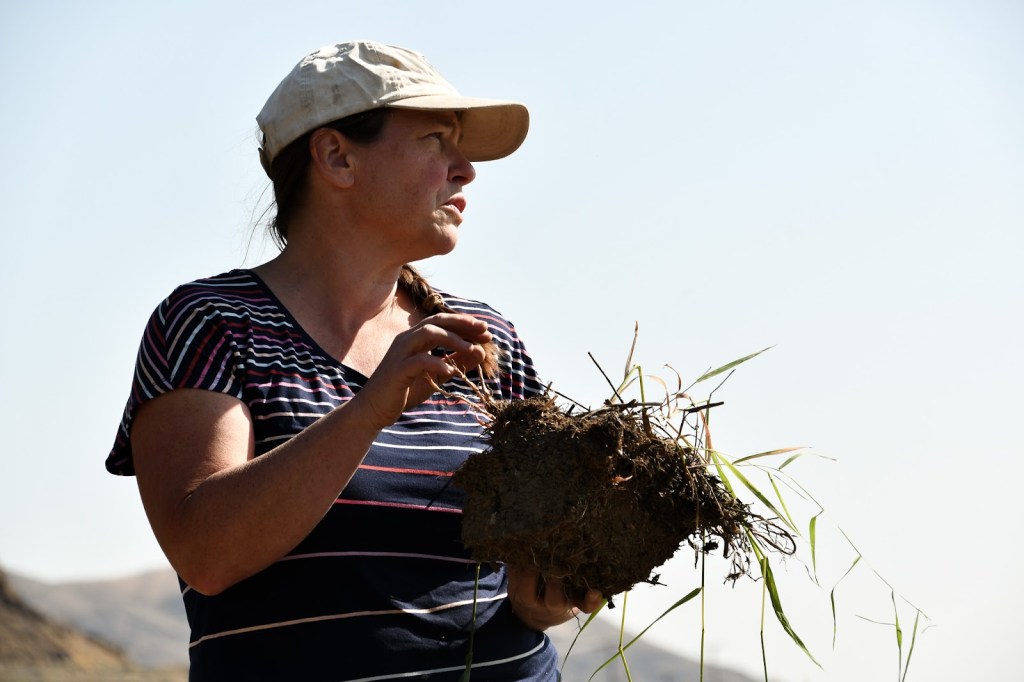
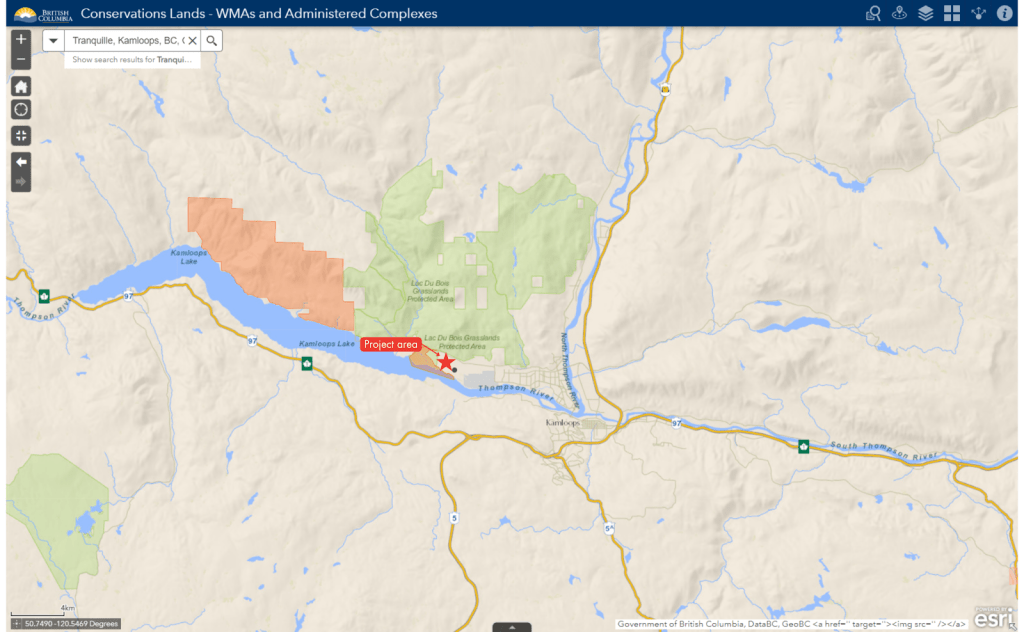
For over a decade, Dr. Catherine Tarasoff has been working to mitigate the impacts of invasive species in British Columbia. Equipped with a PhD in Weed Science (otherwise known as Crop Science) from Oregon State University, Dr. Tarasoff’s expertise highlights the necessity of knowledge-driven management strategies to combat these ecological threats. One particular focus has been the invasive reed canarygrass (Phalaris arundinacea), which has significantly impacted ecosystems across the province. Her current project takes place in the Tranquille Wildlife Management Area in Kamloops, BC.
“It’s extremely important to understand a plant’s biology before attempting control,” says Dr. Tarasoff.
The Threat of Reed Canarygrass to Fish and Wildlife
Reed canarygrass, a cosmopolitan weed—otherwise known as a weed that has a wide geographic distribution around the world—has become a significant problem in southern BC’s wetlands and streams. Originally introduced to the Kamloops region as forage for cows, its aggressive nature and dominant force quickly began out competing native plants and significantly reducing biodiversity.
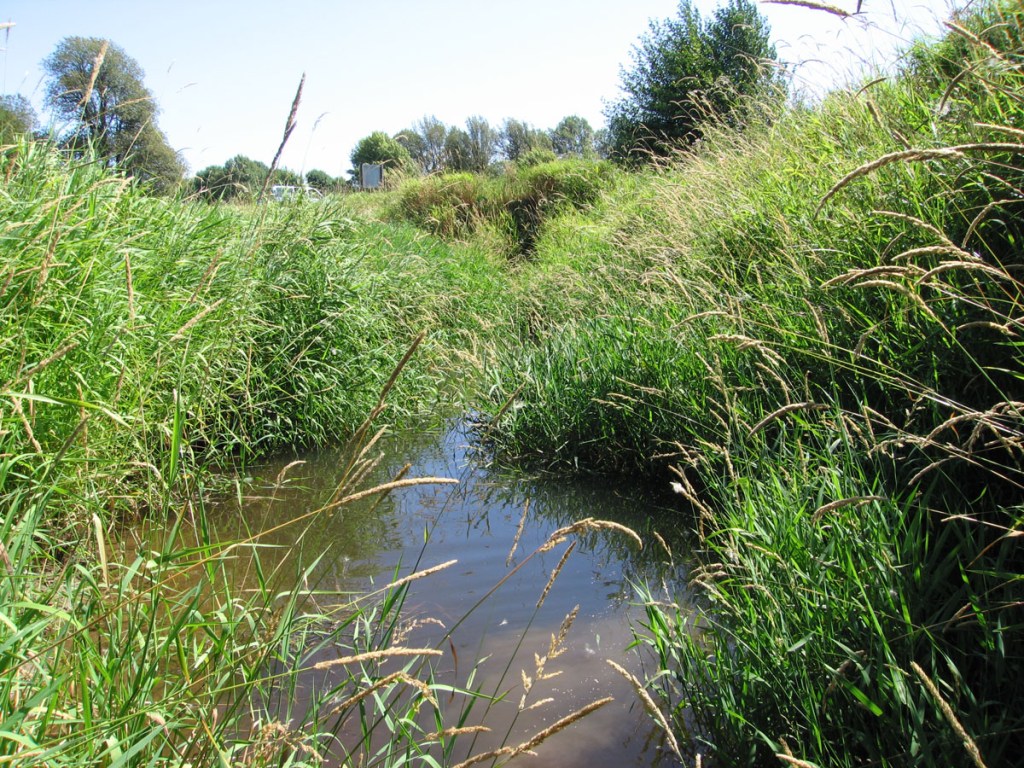
The grass’s rapid spread, facilitated by its rhizome-based growth, makes it a formidable opponent to native wetland communities. Its spread leads to monocultures, resulting in the elimination of the riparian canopy, which in turn warms rivers and streams. Furthermore, these monocultures disrupt nutrient cycling, increase erosion, alter stream dynamics, contribute to sedimentation, destabilize stream banks, and fill streams with silt, creating poor habitats for fish and negatively affecting wildlife and plant diversity.
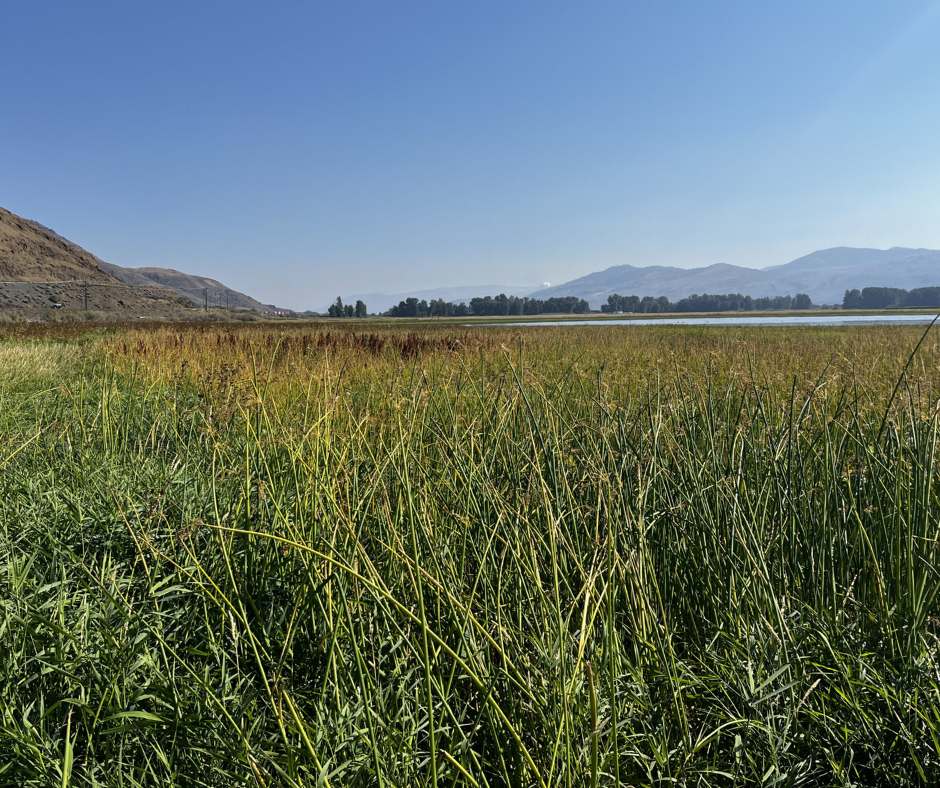
This specific site, the Tranquille Wildlife Management Area, is utilized by several fish and wildlife species that rely on healthy, diverse, and robust habitats.
When reed canarygrass invades a stream, it’s a clear sign of trouble. This invasive grass thrives in wetlands, quickly forming dense mats that disrupt water flow in streams. Such disruptions are particularly harmful to salmon in the slower, lower parts of streams where the water naturally spreads out and moves more sluggishly. Although these areas might not resemble the stereotypical salmon habitat of fast-flowing, crystal-clear streams over rocky beds, they are crucial for the survival of young salmon, including Chinook and coho species. These slower waters serve as key nurseries, but when reed canarygrass takes over, it strangles the waterways with its growth, drastically reducing salmon populations. The grass creates a uniform environment that lacks the variety of habitats salmon and their prey need to thrive (Skagit Fisheries Enhancement Group, 2019).
Research indicates that reed canarygrass reduces the presence of specific types of insects crucial for salmon diets, such as Diptera and Chironomidae flies. This reduction in prey directly impacts the survival and growth of salmon in affected waterways (Skagit Fisheries Enhancement Group, 2019).
Additionally, reed canarygrass’ reduction in forage for insects leads to a loss of insect biodiversity, and its replacement of trees, shrubs, and woody plants further results in poor nesting sites for birds. Compounding these challenges, reed canarygrass is wind-pollinated, allowing it to thrive in the absence of insect and bird biodiversity.
“Unfortunately, the presence of reed canarygrass in this area is negative for a variety of wildlife species,” explains Dr. Tarasoff. “For example, it has suppressed the growth of native vegetation, including willows and red osier dogwood, which essentially eliminates healthy forage for ungulates.”
According to the Province of BC, bird species that utilize the site include Canada geese, swans, and other waterfowl. Furthermore, ducks such as mallards, goldeneyes, and wood ducks nest here, and the area teems with shorebirds and songbirds. Tranquille is also known to attract raptors, including bald and golden eagles, ospreys, and various falcons when in healthy condition. Mammals like coyotes, mule deer, beaver, muskrat, black bear, and river otter have been seen using the area as habitat as well. When flooded, the wetlands of this area also support fish habitats, aiding in carp spawning and providing a rearing area for salmon (Government of British Columbia, n.d.).
Innovative Solutions: The Benthic Barrier Trial
In late 2022, Dr. Tarasoff, the Kamloops Naturalist Club, and BC Parks initiated a four-year trial using benthic barriers to combat reed canarygrass in the Tranquille Wildlife Management Area. The trial involved deploying four 75×25 ft solid benthic barriers after cutting the grass and applying special perimeter containment. This method aims to starve the plant by blocking sunlight and disabling rhizomes from spreading.
“Special containment is required for treating reed canarygrass because it uniquely spreads through fast growing rhizomes” Dr. Tarasoff explains.
“Roots and rhizomes are completely different. Rhizomes are underground stems that can extend up to 3 meters under ideal conditions and produce shoots that appear above ground. Fortunately, the bulk of the rhizomes are found in the top 5-8 cm of the soil. If perimeter containment is not utilized, the reed canarygrass will simply grow out from under the barrier”
Understanding Benthic Barriers
A benthic barrier is a thin, rubbery sheet designed to eradicate vegetation by preventing photosynthesis. Without the ability to absorb sunlight and photosynthesize, the suppressed vegetation is unable to produce the energy for plant growth and maintenance. Opting for a benthic barrier to clear reed canarygrass from the selected site was a natural choice for Dr. Tarasoff and her team, as herbicides are not legally permitted in or around aquatic ecosystems.
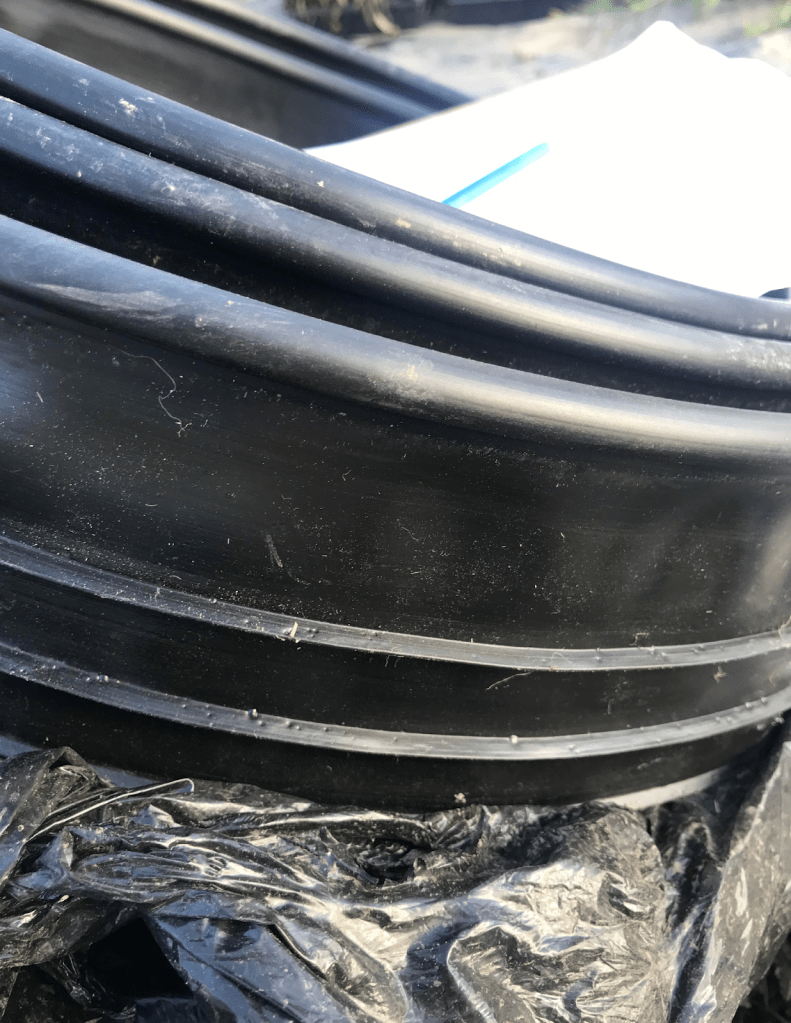
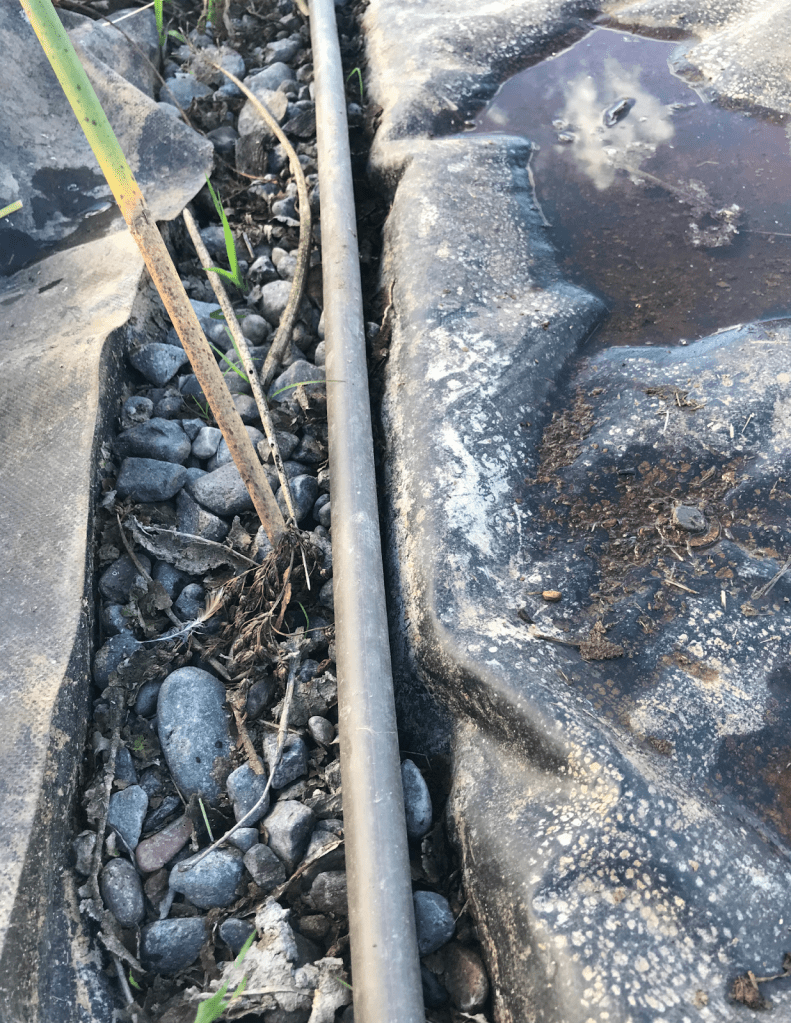
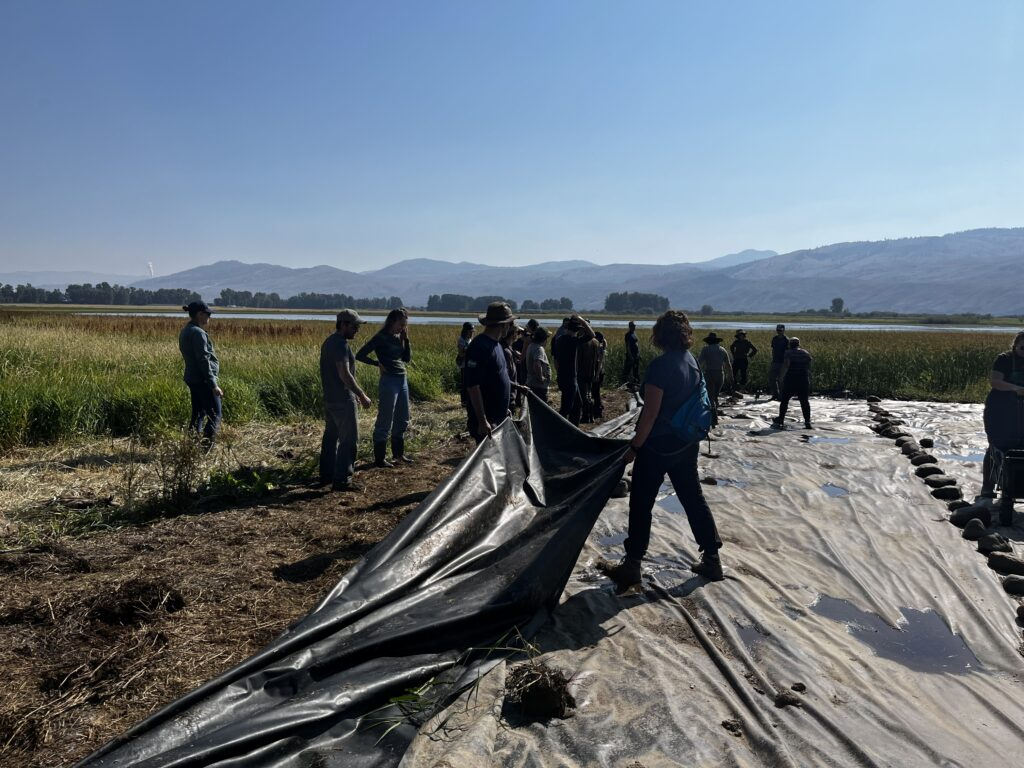
In September 2023, the B.C. Wildlife Federation’s Wetlands Institute joined Dr. Tarasoff’s four-year trial. Throughout the trial, samples collected after each yearly barrier removal will help determine the time needed for a benthic barrier to effectively remove reed canarygrass from a site.
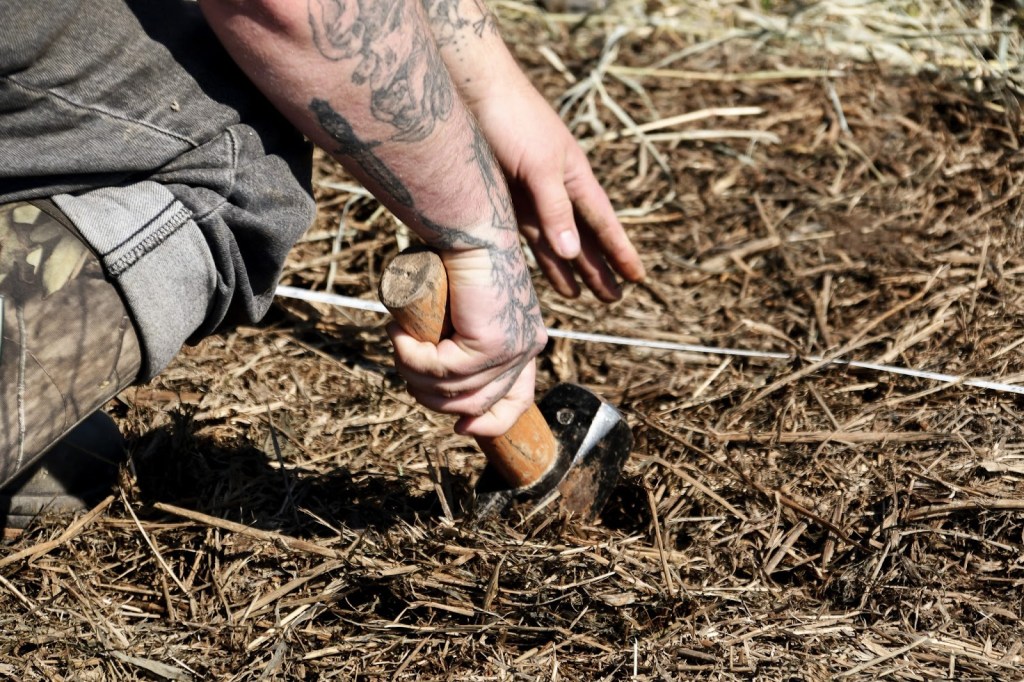
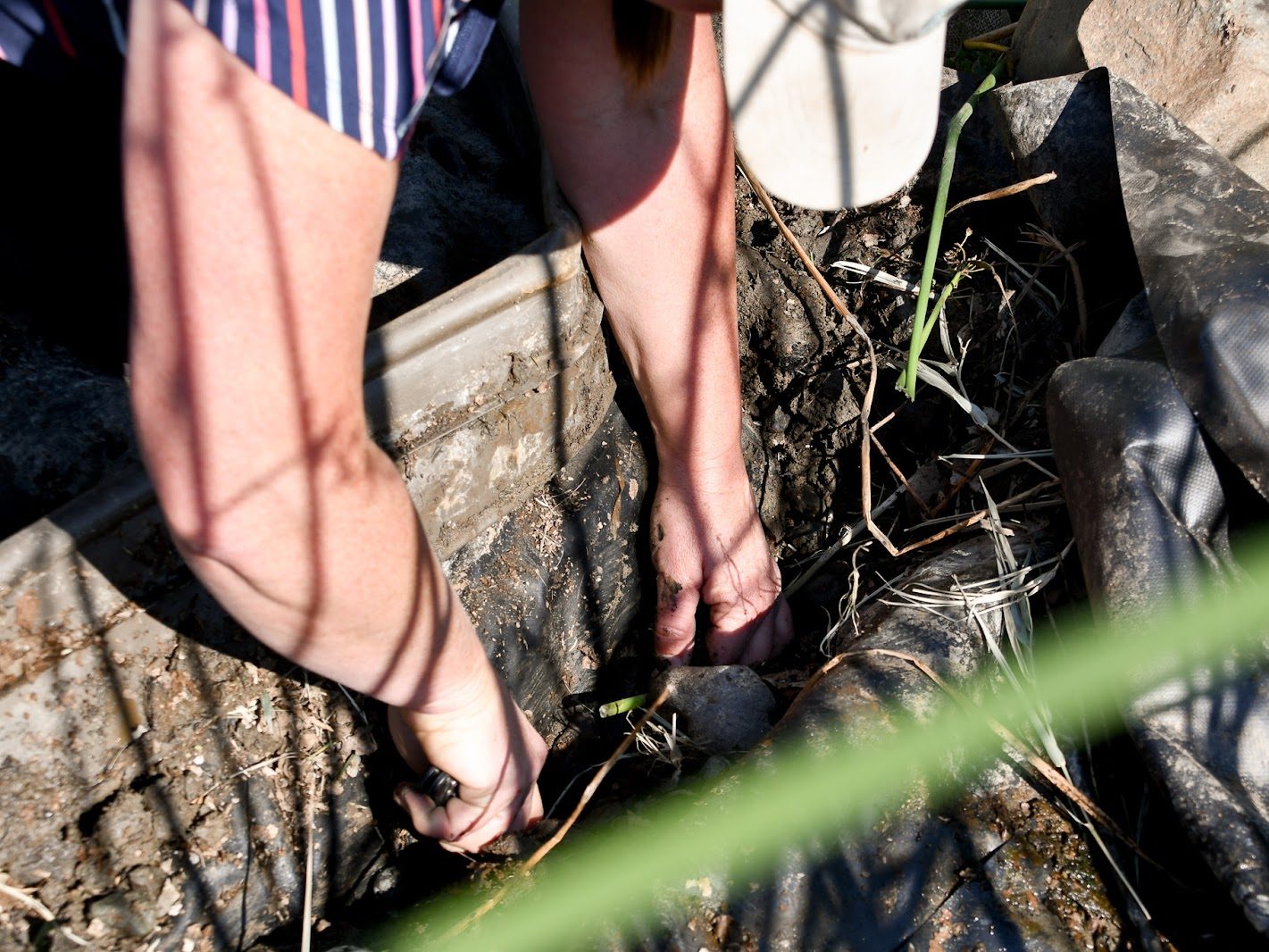
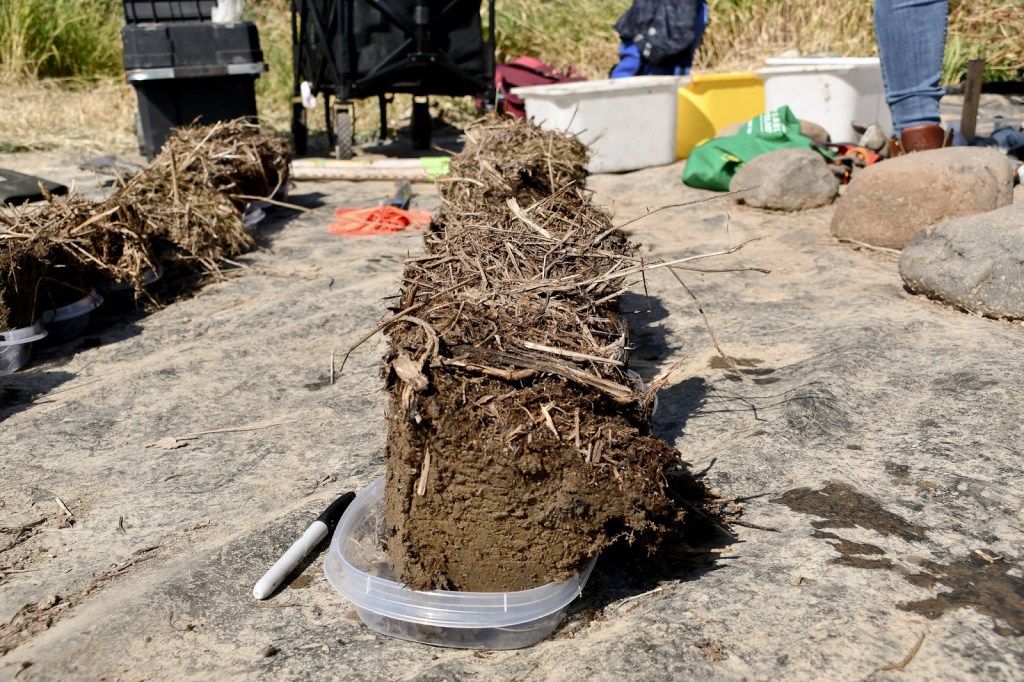
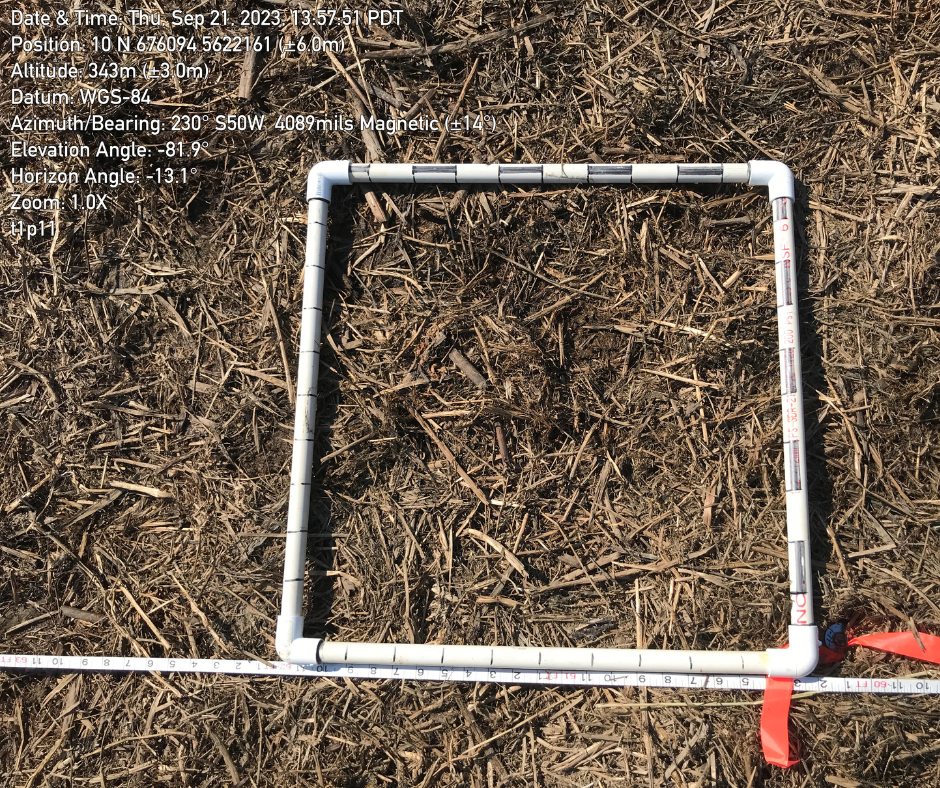
During our visit, Institute participants and BCWF staff had the opportunity to help remove the first barrier—year one of four—and collect 26 square soil samples.
After the collection, these soil samples were then brought to a greenhouse at Thompson Rivers University, where they were watered and placed under ideal lighting conditions so that regrowth could be monitored.
First Year Results
Remarkably, after just one year, the trial showed zero regrowth of reed canarygrass and the beginning of native willow recovery.
“Based on these results, and under these environmental conditions, we are very optimistic that a year is all that it takes,” Dr. Tarasoff reflects on these results with optimism. “We are, however, looking forward to moving forward with additional treatments while we continue to monitor our research trial.”
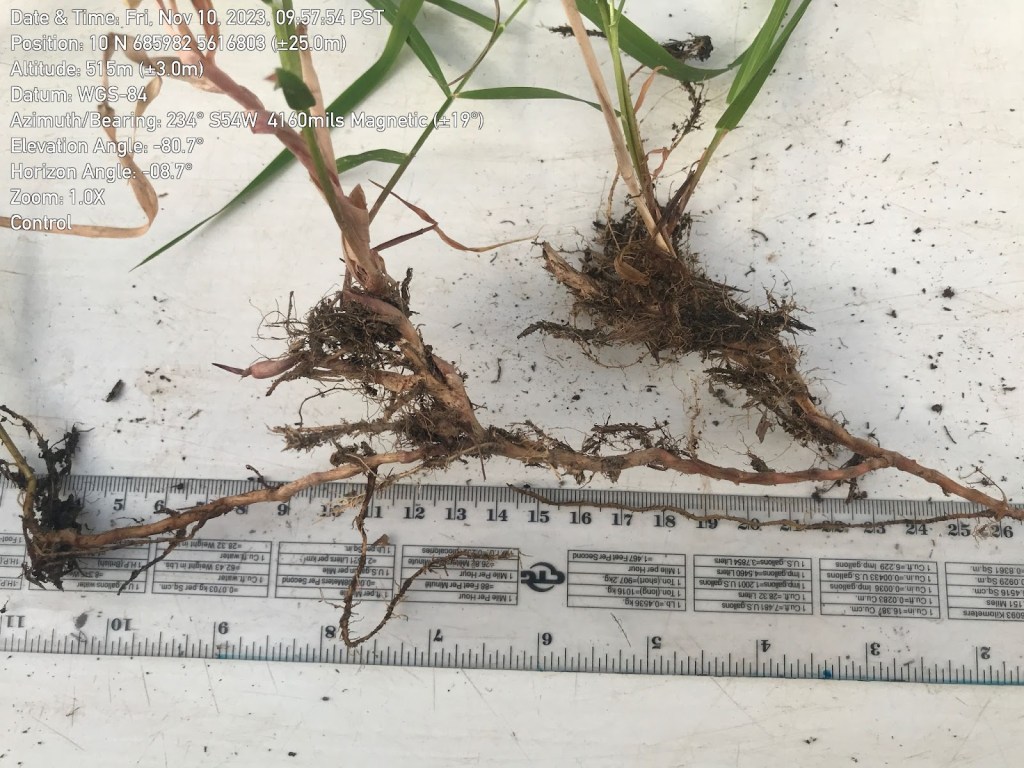
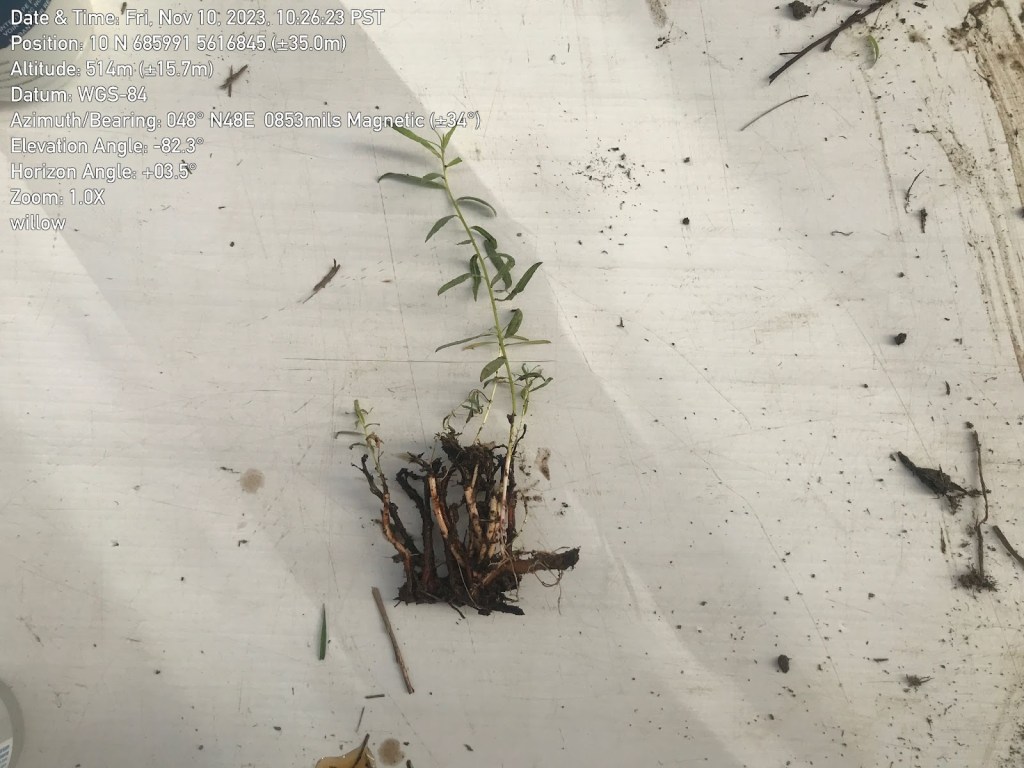
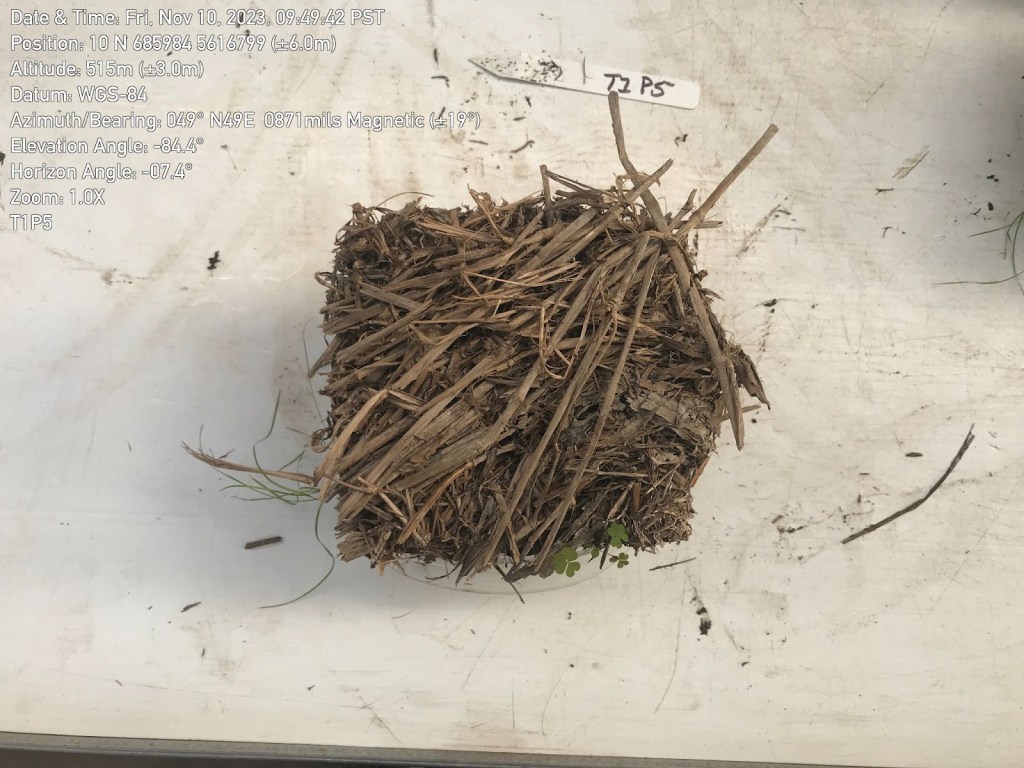
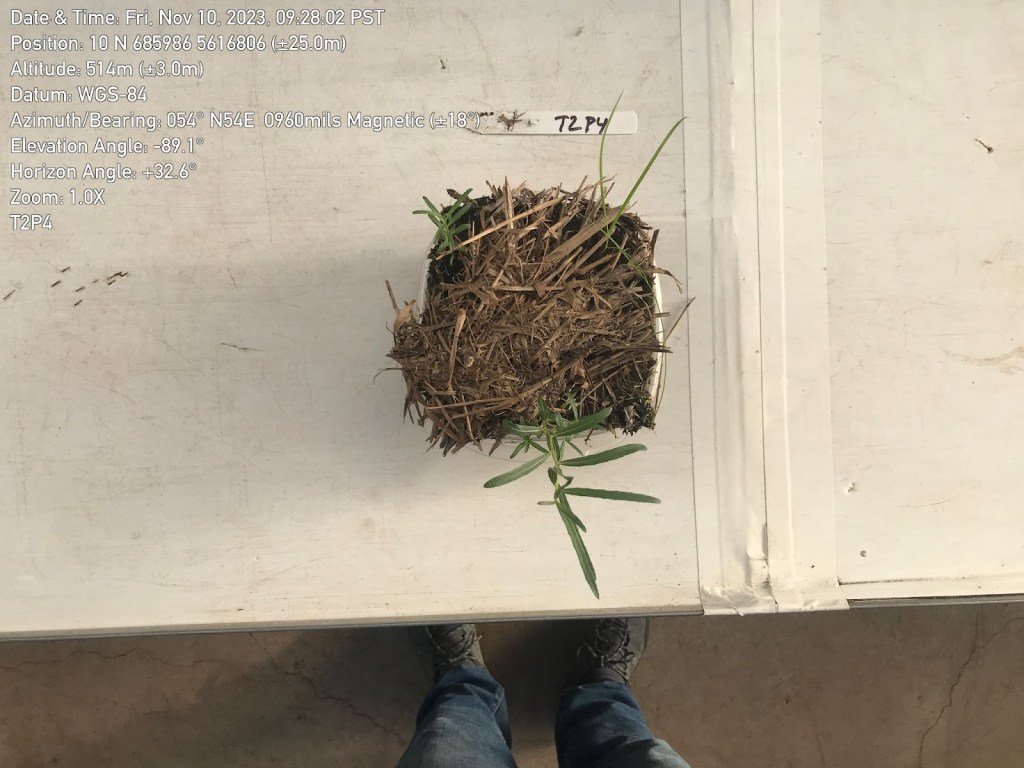
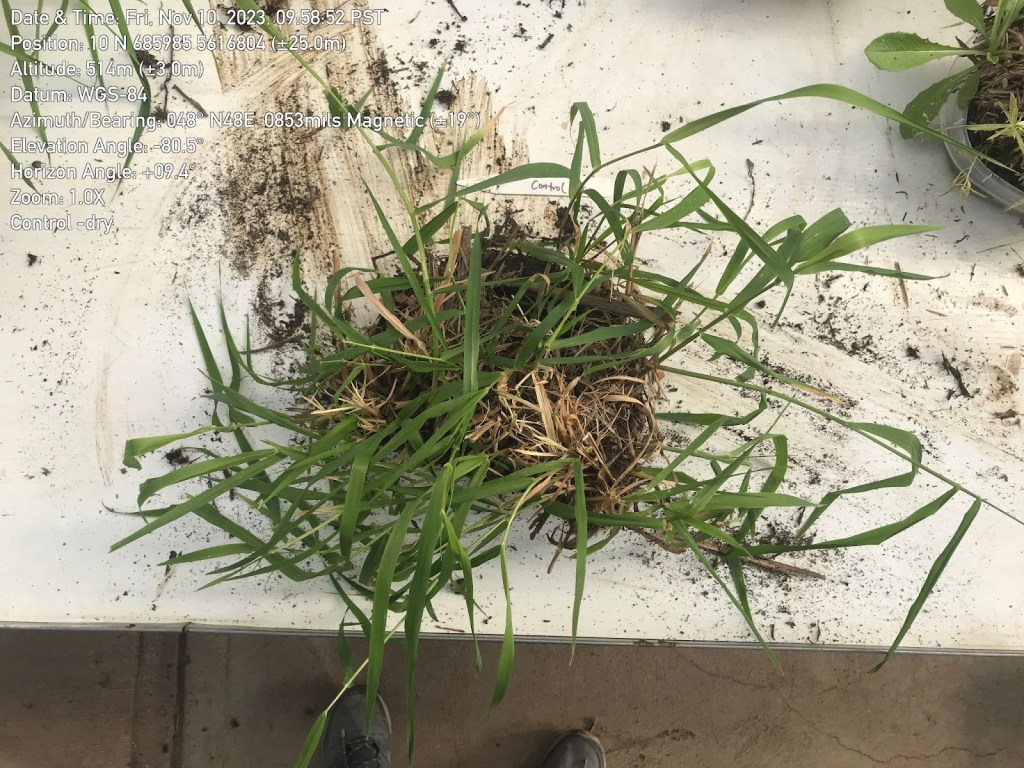
Sample photos provided by Dr. Catherine Tarasoff.
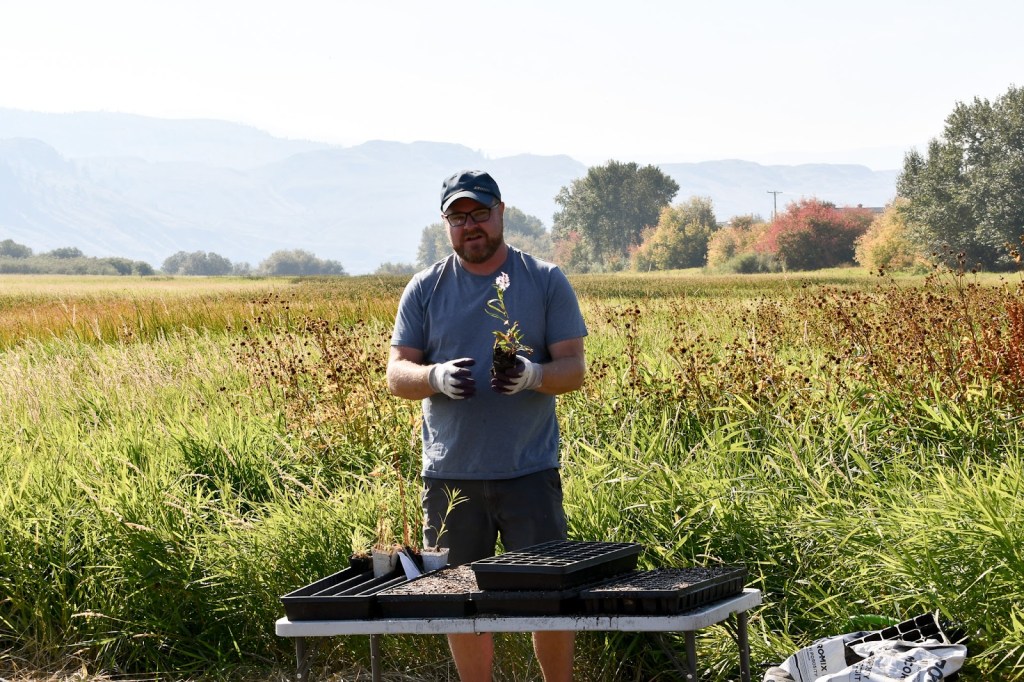
Following the successful initial treatment, the area was replanted by the Kamloops Naturalist Club with native species to test the most effective post-treatment plants.
Native species planted included:
- Euthamia occidentalis (Western goldenrod)
- Apocynum cannabinum (Canada Hemp)
- Physostegia parviflora (Western false dragonhead)
- Symphotrichum Sp (Aster)
- Solidago lepida (Canada goldenrod)
“The plants are planted in clusters going from the dry upland zone to the very wet zone,” shared Catherine. “The idea is to see which species survives in which soil moisture condition to inform restoration plantings.”
Tranquille Wildlife Management Area Project Goals
The project’s final goal is to install a viewing platform in the Tranquille Wetland, which will eventually be surrounded by plants native to the area. However, before these outcomes can be achieved, the invasive reed canarygrass that currently dominates the area must be managed. Aside from one day providing a great opportunity for people to connect with native riparian plants local to the area, this spot is also highly valued for bird viewing and the high diversity of migratory birds it attracts.
As the trial progresses, Dr. Tarasoff, the Kamloops Naturalist Club, BC Parks, and partners including the B.C. Wildlife Federation hope that crucial steps such as the application of benthic barriers will work toward reclaiming and preserving the diverse ecosystem that once existed in the Tranquille Wildlife Management Area in Kamloops, BC and hopefully beyond.
What’s Next for Dr. Tarasoff?
Looking forward, Dr. Tarasoff hopes to apply her efforts toward expanding treatment efforts and extending work into the Tranquille River area. Her goal is to mitigate the negative impacts of reed canarygrass on wildlife habitat in the river. Any next steps will depend on the availability of funding.
How Can You Get Involved?
Dr. Tarasoff suggests that before planting anything, landowners should research species to avoid spreading invasives. Reed canarygrass has become a big problem due to its use in wet meadows to increase forage production.
The widespread problem with reed canarygrass and other invasive plants in the Kamloops region demonstrates why it’s important to know the effects of what we grow.
“Weeds don’t care about fences or property lines,” Dr. Tarasoff says.
For those looking to choose better plants, the Grow Me Instead guide by the Invasive Species Council of BC can help.
References
Government of British Columbia. (2023). Tranquille Conservation Area. Retrieved from https://www2.gov.bc.ca/gov/content/environment/plants-animals-ecosystems/wildlife/wildlife-habitats/conservation-lands/find-conservation-lands
Government of British Columbia. (n.d.). Tranquille. Retrieved from https://www2.gov.bc.ca/gov/content/environment/plants-animals-ecosystems/wildlife/wildlife-habitats/conservation-lands/wma/wmas-list/tranquille
Skagit Fisheries Enhancement Group. (2019, September 26). Reed Canary Grass: Enemy of Salmon. Regional Fisheries Coalition. http://regionalfisheriescoalition.org/2019/09/26/reed-canary-grass-enemy-of-salmon/#:~:text=Slow%20moving%20waters%20are%20prime,for%20salmon%20or%20their%20prey

 BCWF Watershed Team
Leave a reply to Common Wetland Invasives – BCWF Watershed Team Cancel reply