This year marked the 20th annual Wetlands Institute – a world-class, immersive watershed restoration training for British Columbians. Since 2002, this program has engaged British Columbian ecological professionals in restoration techniques, impacting a variety of wetlands across the province in multi-phase and continual projects.
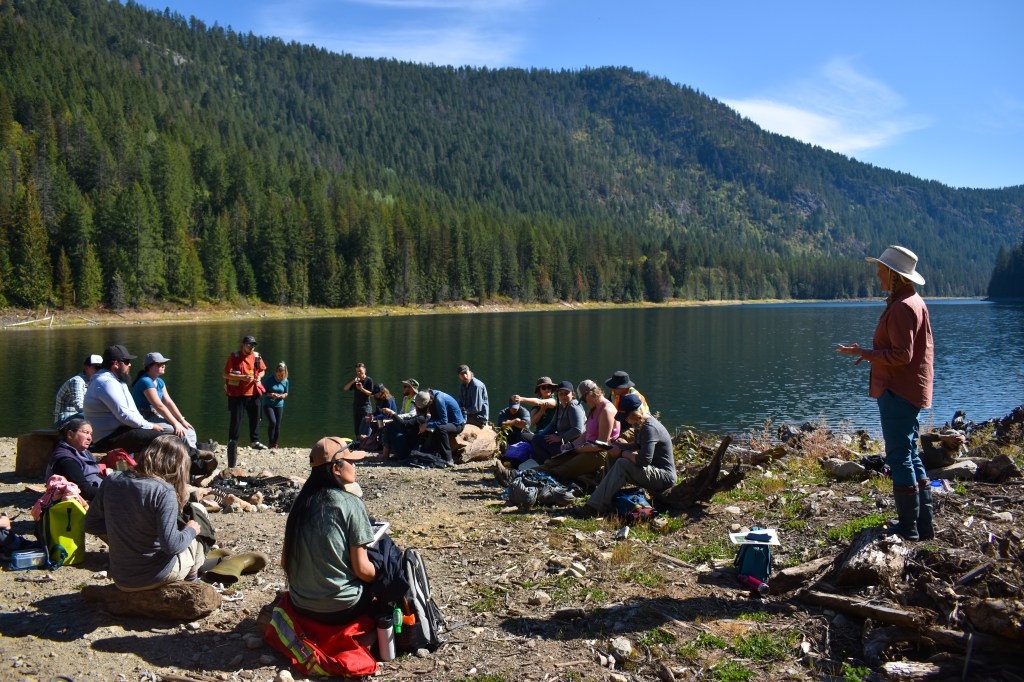
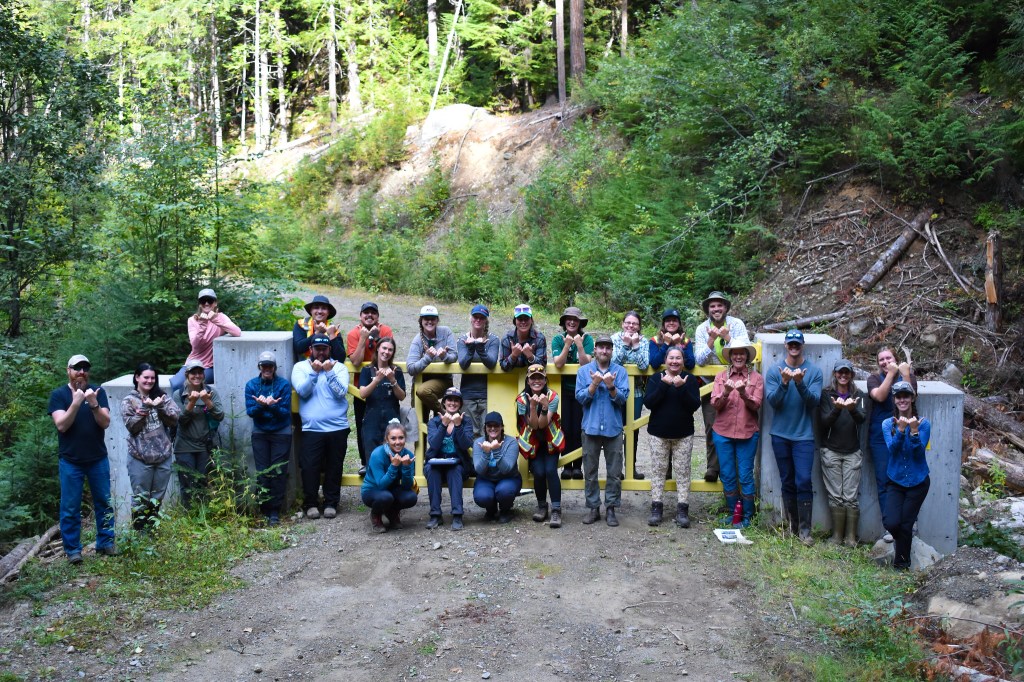
From September 19 to 25th, participants from across the province joined the BCWF on the traditional, ancestral and unceded territories of the Sylix, Sinixt, Secwépemc, and Ktunaxa First Nations in Grand Forks, Slocan Valley, and Trail. The 2022 Wetlands Institute (WI) brought together 31 diverse and driven participants from a variety of professional backgrounds, including biologists, field technicians, consultants, water resources scientists, cultural conservationists, watershed planners, and more. Each participant came to the Institute with a wetland project in mind and was excited to learn how to successfully complete their ideas.
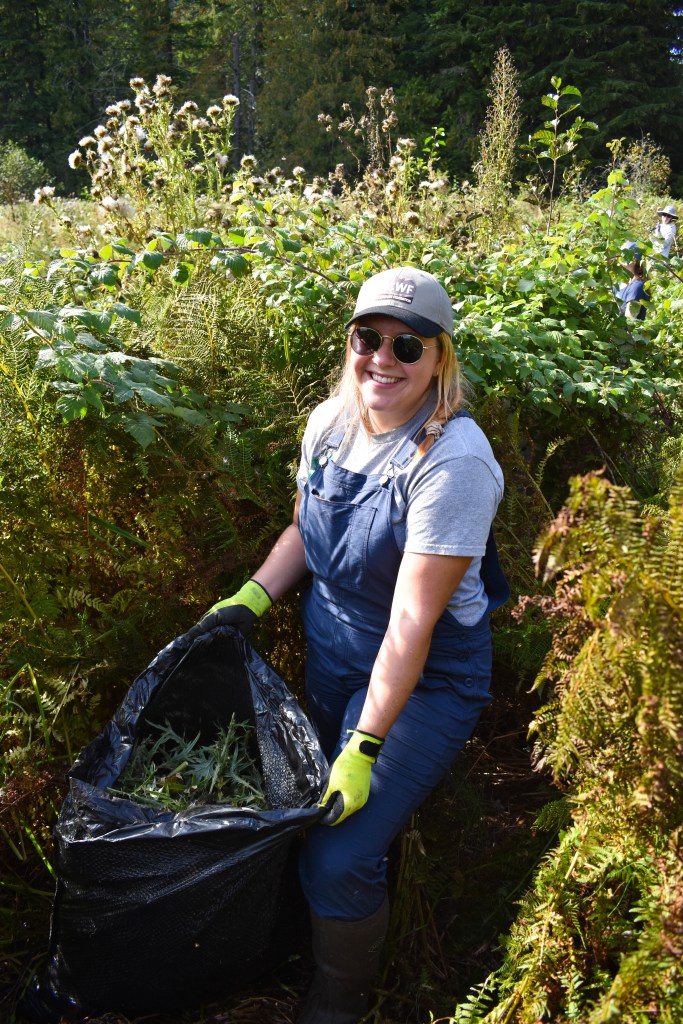
The Institute utilizes a combination of hands-on field work, site tours, presentations, and virtual classroom sessions to give participants a well-rounded understanding of the world of watershed restoration from industry experts. Moreover, a key component of this program is learning from the group’s diverse backgrounds; each participant has an opportunity to present their passions, projects, and personal knowledge.
“You know when you throw a rock in the water and the ripples grow and grow?” said Rosanna Stamberg, Entrepeneur and Traditional Medicine specialist of the Splatsin First Nation in her presentation, “That is how I see most things in the world working. I am learning that everything is all connected. When you learn about your body system each system relies on the other. It seems that is the way it works with everything. Without water, nothing lives.”
Participants were guided through restoration in a multi-faceted lens. They began their journey with restoration theory, with concepts such as historical draining, restoration goals, wetland design, site selection, and restoration challenges highlighted. The theoretical was complemented with hands-on field visits to Boothman’s Oxbow Provincial Park, North Wetland, and Christina Lake, where participants learned how to conduct the Wetland Ecosystem Services Protocol (WESP) and Rapid Health Assessments which provide a uniform way of measuring wetland habitat and their functions, benefits, and overall health.
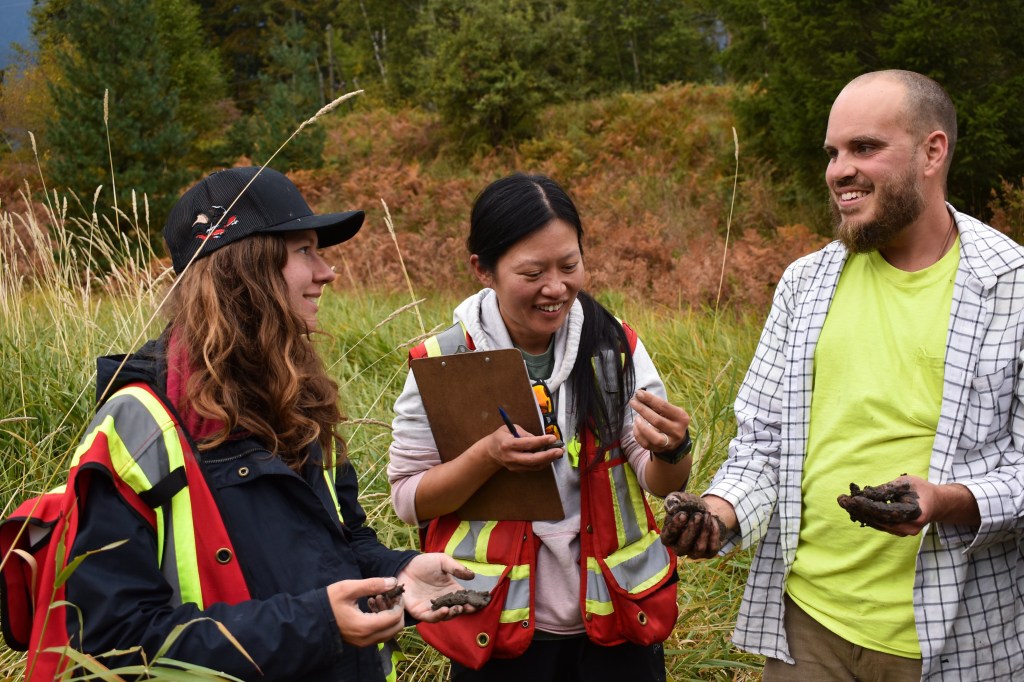
After the participants got a grasp of wetland classification and restoration techniques, the group excitedly toured restored and built wetland habitat, including the in-progress North Ruckle floodplains, Summit Lake, Hunter Siding, Ravine Creek Farm, the decommissioned Cambridge and Violin Dams, Centennial Wetland, and North Jubilee Wetland. Each site posed a different set of ecological and cultural challenges and benefits; through guided tours, participants gained an intimate understanding of the breadth of work wetland restoration aims to achieve.
“The project at Ravine Creek felt very inspiring and grounding from a restoration and ancestral perspective” fondly recalled participant Cait Hurley. As with the BCWF’s wetland restoration projects, the Institute emphasized cross-cultural collaboration with an emphasis on local Indigenous engagement communities for any project in the spirit of ongoing reconciliation and inter-cultural sharing.
As the seven-day intensive workshop concluded, each participant possessed an extensive toolbox of restoration techniques to bring back to their own projects. Plus, they became a part of a network of like-minded individuals to support them in their restoration endeavors.
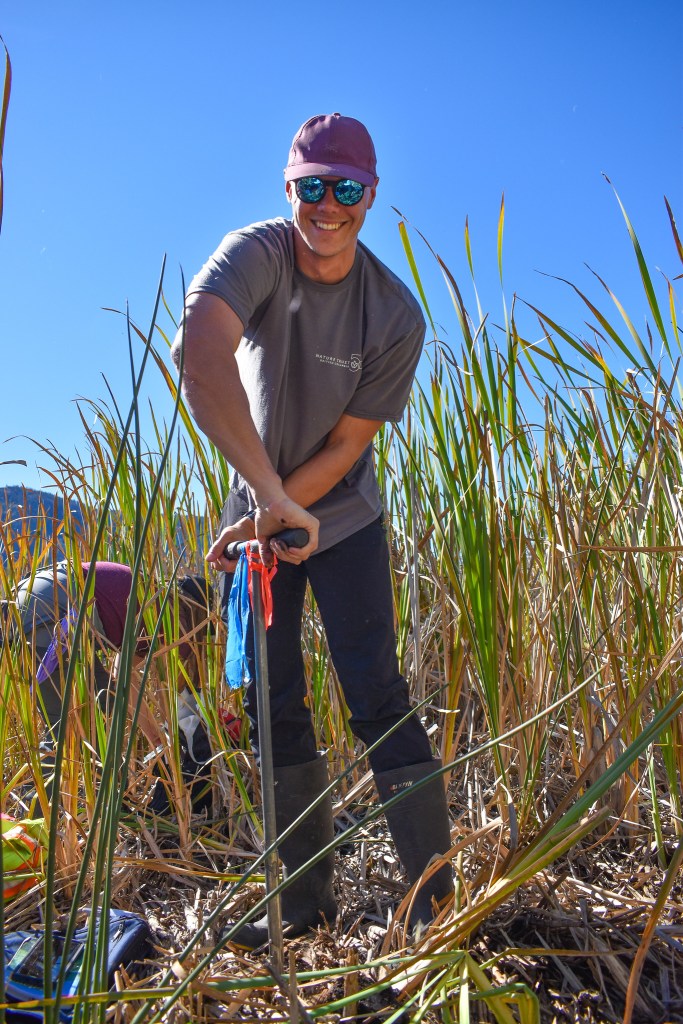
“The Wetlands Institute was a great opportunity to learn more about restoration techniques.” Wetlands Workforce Field Crew Supervisor and WI participant Rebekah Ingram concluded, “It was great to see the different restoration sites and get hands-on with maintenance activities. I’m looking forward to using this knowledge to recognize restoration opportunities.”
The 2022 Wetlands Institute was undertaken with the financial support of the following organizations: This event was free of charge to B.C. residents with a wetland project, thanks to our generous sponsors: Habitat Conservation Trust Foundation, Wildlife Habitat Canada, Fish and Wildlife Compensation Program, Province of B.C., Environment and Climate Change Canada, and the Healthy Watersheds Initiative (Real Estate Foundation of B.C.).
 BCWF Watershed Team
Leave a comment