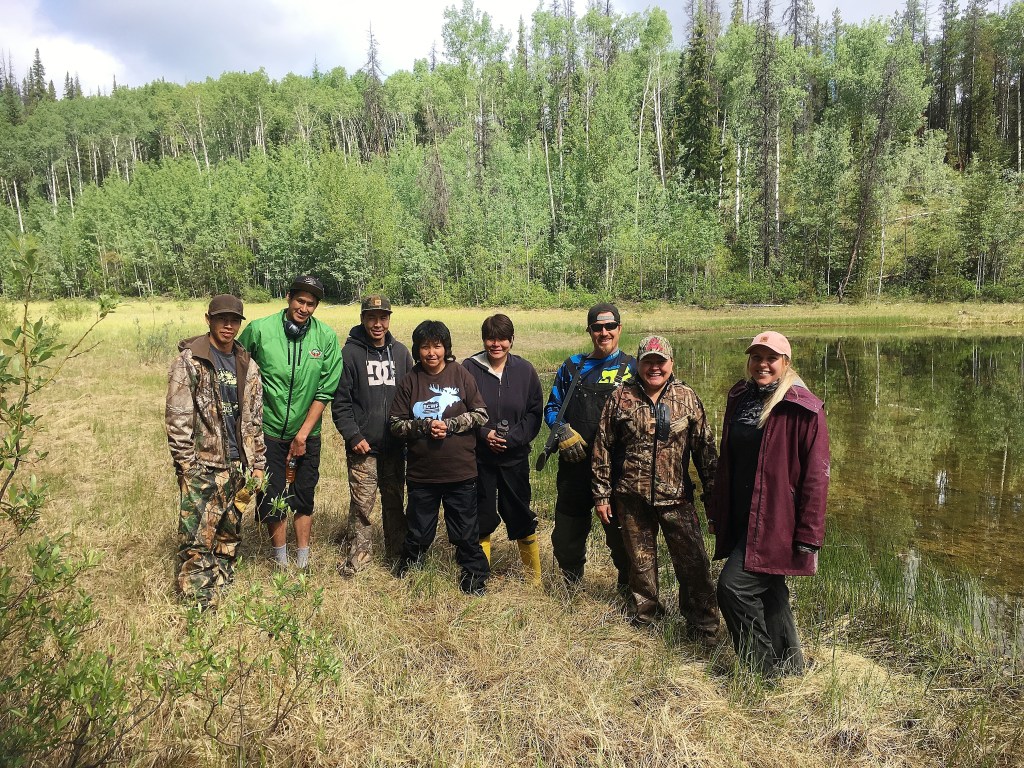
The first two weeks of June proved to be a busy time for the BCWF’s Wetlands Education Program (WEP). Led by Wetlands Education Program Manager Neil Fletcher, the WEP team traveled through northeastern B.C. to deliver workshops in partnership with three remote First Nations: the Tsay Keh Dene Nation, Kwadacha Nation, and McLeod Lake Indian Band. In each community, tailored workshops were offered to provide hands-on training for Land Guardians and other community members. These sessions focused on wetland classification, values, and health assessment techniques that support long-term stewardship efforts.
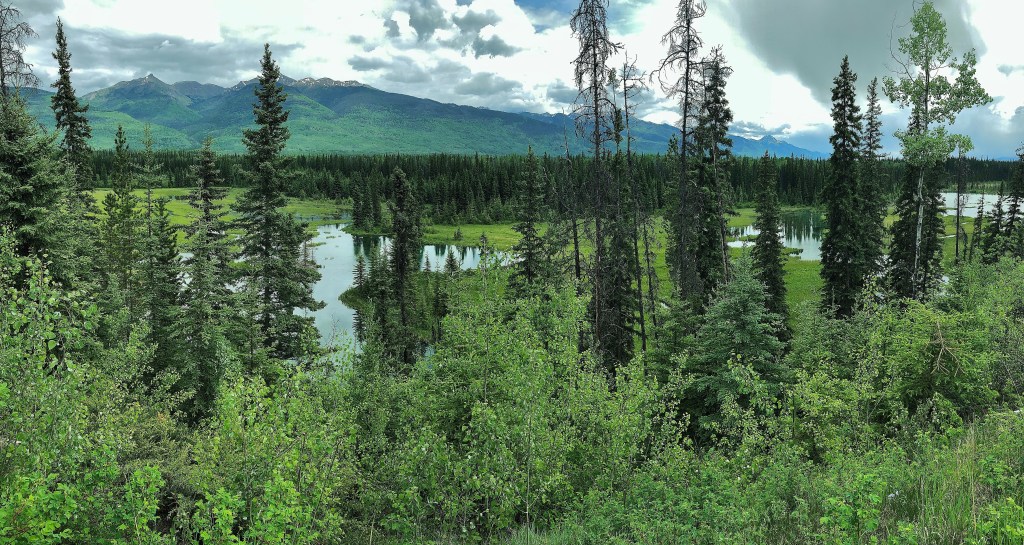
Due to their remote northern locations, much of the land within these traditional territories remains pristine, with vast stretches of forest, grasslands, rivers, and wetlands that provide critical habitat for native plants and wildlife. Wetlands in particular offer essential ecosystem services, such as water filtration, carbon storage, flood mitigation, and supporting rich biodiversity. As wetlands continue to be degraded or lost around the world, preserving the intact ecosystems of the Peace Region is more important than ever. These workshops help ensure communities have access to tools and training that complement traditional knowledge and contribute to the protection of these vital landscapes.
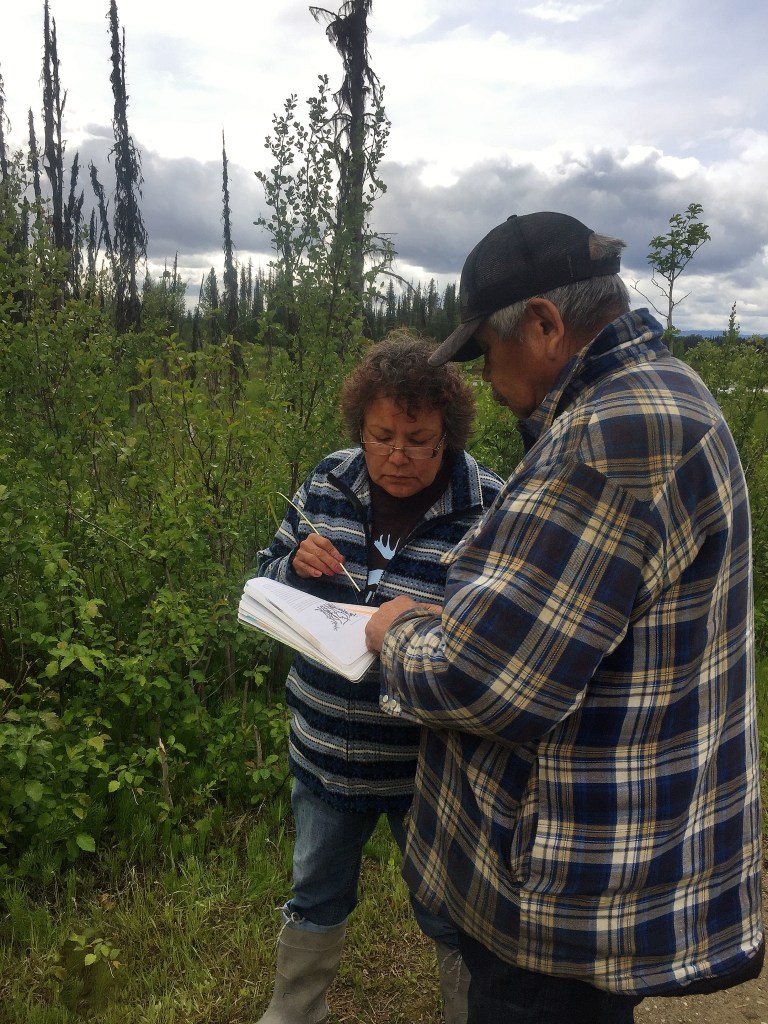
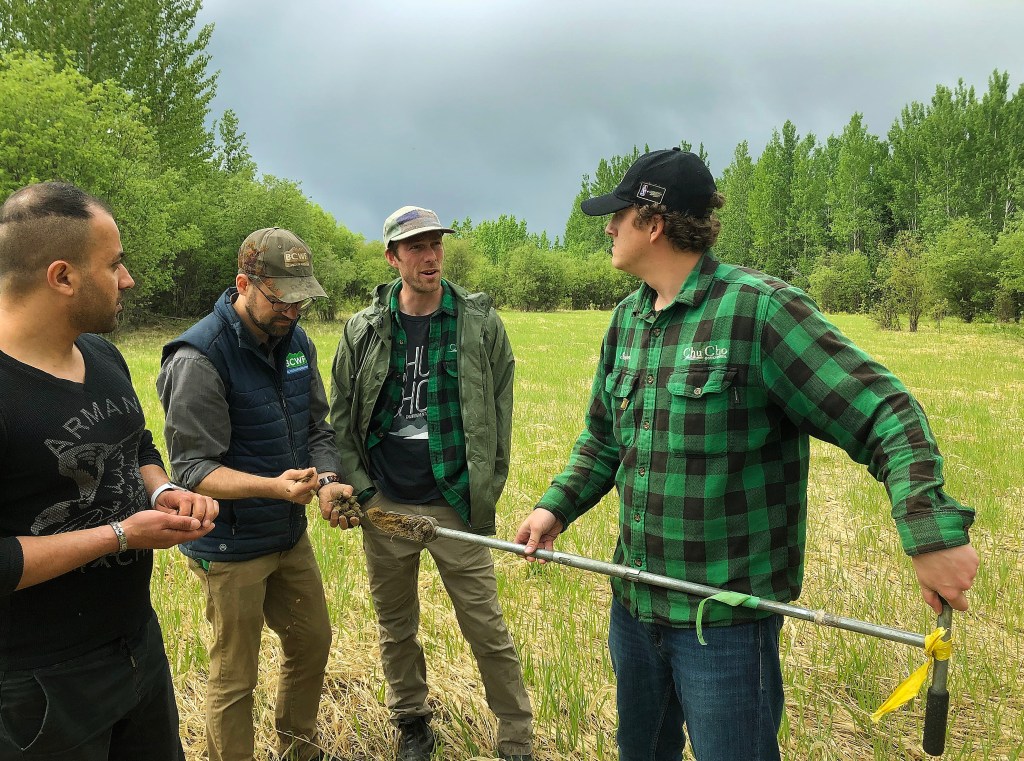
The journey began in Tsay Keh Dene, a small and welcoming community of approximately 200 members at the northern tip of the Williston Reservoir. From June 4–5, the WEP team was joined by staff from Chu Cho Environmental, Chu Cho Industries, and Tsay Keh Dene’s Lands, Resources, and Treaty Operations department, along with Elders and other community members. Participants eagerly shared their wetland values and the historical significance of wetlands in their territory. The group visited five diverse wetland sites—ranging from healthy, untouched wetlands to areas impacted by drainage—that showed strong potential for restoration. Participants used field guides to identify plants, classify wetland types and soils, and completed Wetland Rapid Health Assessments. Chu Cho Environmental and community members plan to continue applying these tools to assess and restore additional sites across their territory.
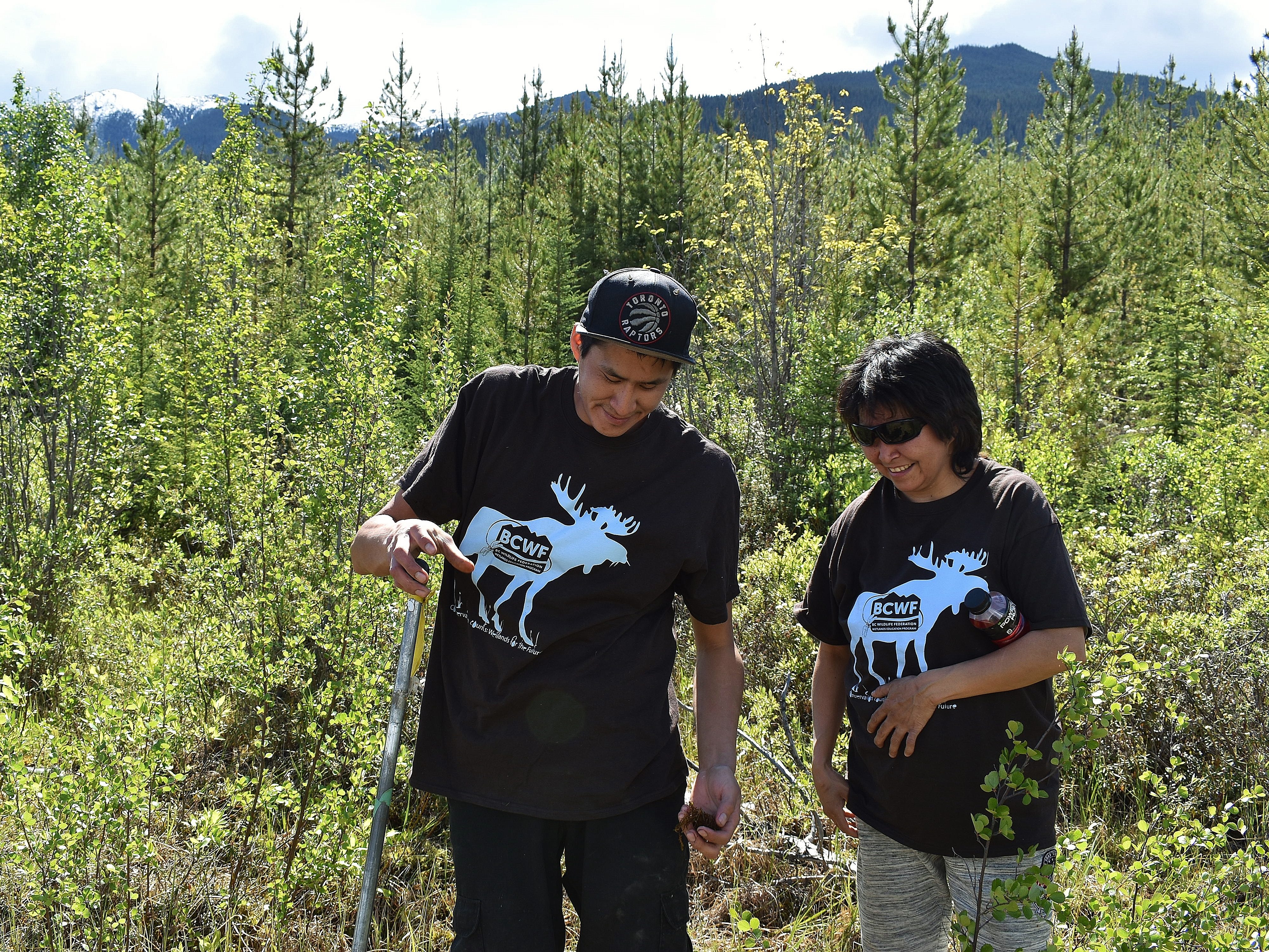
Next, the team traveled north to Fort Ware, home of the Kwadacha Nation. The visit began with Grade 10 and 11 students at Aatse Davie School, who learned about wetland classification, the importance of wetland protection, and how to use GPS units. The students practiced their navigation skills by locating a hidden prize—a BCWF WEP t-shirt—using plots and tracks they recorded themselves. Over the following 1.5 days, WEP led a Wetland Training Workshop for Land Guardians and other interested participants. The Land Guardian program enables community members to steward and monitor the health of their territory. Through classroom sessions and hands-on fieldwork, Guardians explored degraded and healthy wetlands, identified wetland plant communities, and used field forms to assess ecological condition. The workshop emphasized blending Traditional Ecological Knowledge with western science to protect wetland ecosystems into the future.
The final leg of the trip brought the team to McLeod Lake, located two hours north of Prince George. Here, a small group of Land Guardians from the McLeod Lake Indian Band participated in wetland training and shared local concerns such as declining amphibian populations and increased habitat fragmentation from industrial road development. In the field, participants explored wetlands transitioning from swamps into bogs and fens—changes likely driven by hydrological shifts from road construction and other disturbances. The group also assessed an impacted site altered by the Williston Reservoir and W.A.C. Bennett Dam, which may have also been influenced by beaver activity. Guardians expressed a strong interest in applying their new knowledge to support wetland restoration and enhance wildlife habitat within their traditional territory.
These workshops supported community-led conservation by increasing local knowledge, building capacity, and providing tools for assessing and restoring wetlands. They also bolstered the work of Land Guardian programs in each Nation—essential stewards of ecological and cultural health. You can view more photos from the workshops at the links below:
- Tsay Keh Dene Wetland Training 2019 | Flickr
- Kwadacha Nation Wetland Training 2019 | Flickr
- McLeod Lake Wetland Training 2019 | Flickr
We are deeply grateful to the Tsay Keh Dene Nation, Kwadacha Nation, and McLeod Lake Indian Band for inviting the WEP team into their communities and sharing their stories, knowledge, and priorities. We look forward to ongoing collaboration.
Special thanks to our partners, including Chu Cho Environmental, the Tsay Keh Dene Band, Kwadacha Nation, and McLeod Lake Indian Band. Additional thanks go to our funders, the Fish and Wildlife Compensation Program, Wildlife Habitat Canada, and the Province of British Columbia. With your support, we can continue delivering meaningful, hands-on training to communities working to conserve and restore wetlands across British Columbia.




 BCWF Watershed Team
Leave a comment