
Tag: Wildlife
-

Wetlands in Urban Environments — Armstrong-Spallumcheen Wetlandkeepers
In mid-June, the Wetlands Education Program (WEP) team travelled to the North Okanagan to visit Armstrong and Spallumcheen. Like many of the locations WEP visits, Armstrong and Spallumcheen are situated at the bottom of one of B.C.’s numerous river valleys. Valleys are the result of longstanding erosion of land by glaciers, rivers, or streams. It’s…
-
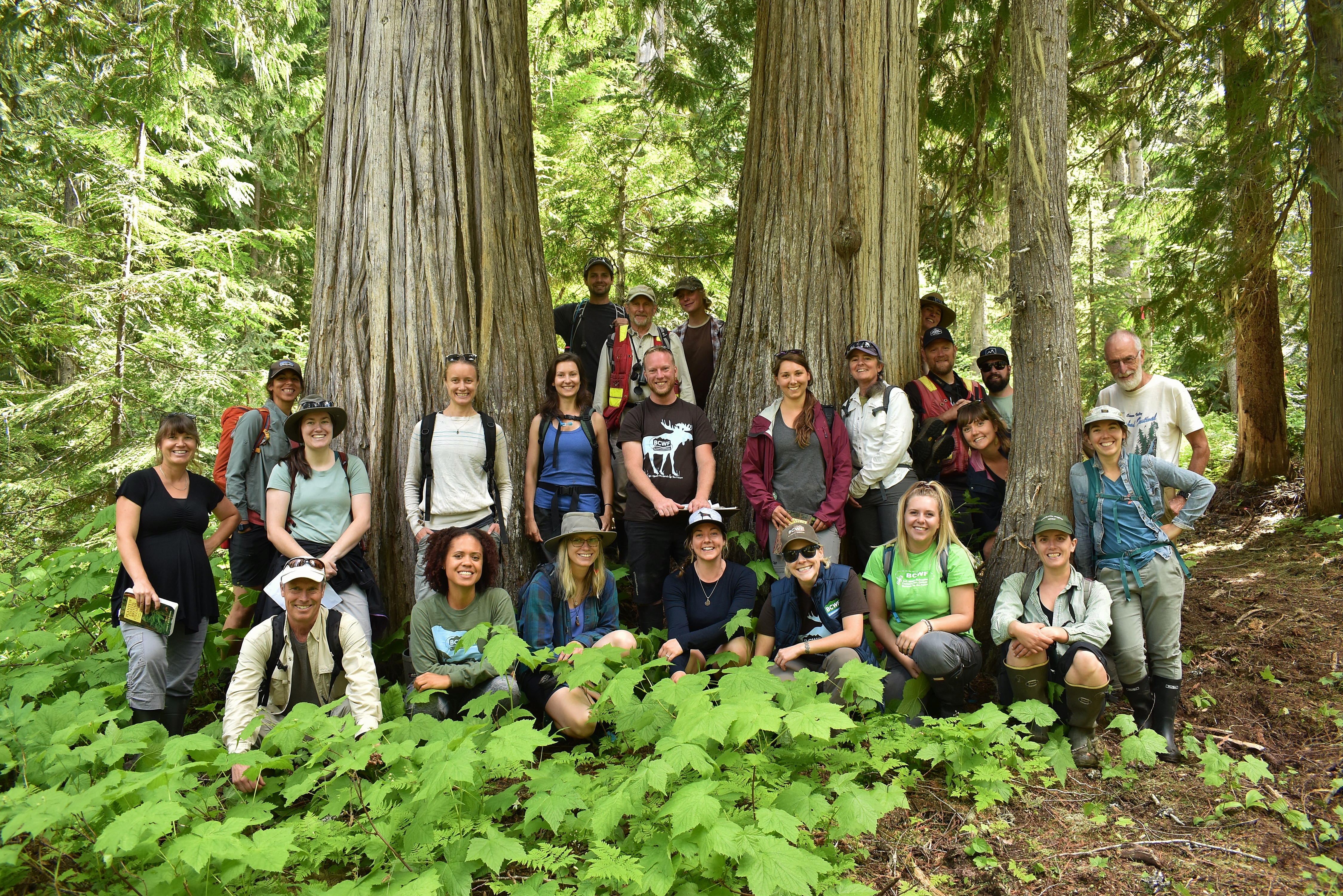
Rossland Wetlandkeepers 2019
Educating interested community members, working professionals, and students about wetlands is the BC Wildlife Federation’s Wetlands Education Program (WEP)‘s bread and butter, and from July 10 – 18, the WEP Team had the pleasure of doing just that. While embarking on a whirlwind tour of the Kootenays and the Okanagan, we hosted a Wetlandkeepers workshop in beautiful Rossland on…
-
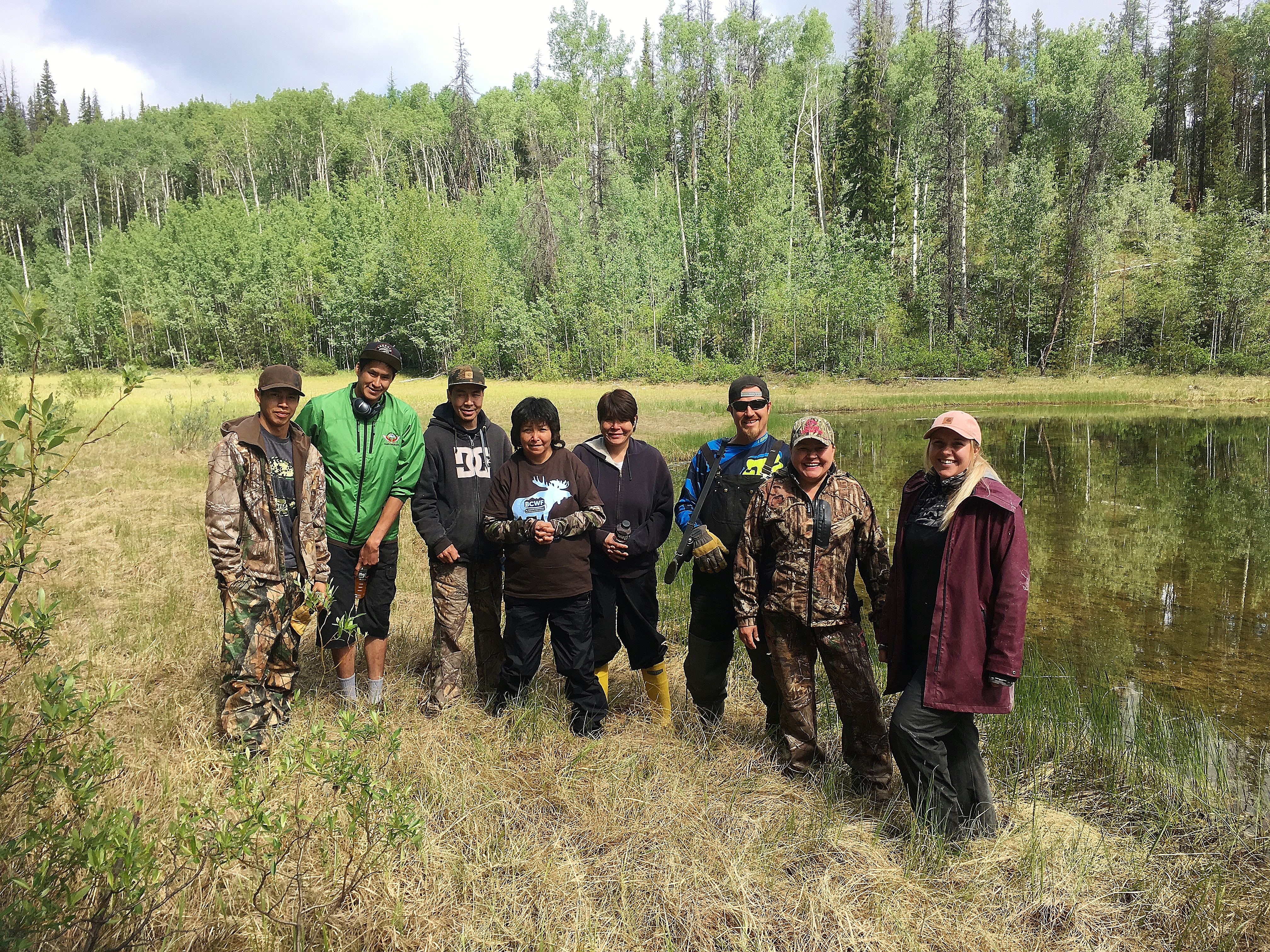
Increasing Stewardship Capacity in Remote Communities — Peace/Williston Region
The first two weeks of June proved to be a busy time for the BCWF’s Wetlands Education Program (WEP). Led by Wetlands Education Program Manager Neil Fletcher, the WEP team traveled through northeastern B.C. to deliver workshops in partnership with three remote First Nations: the Tsay Keh Dene Nation, Kwadacha Nation, and McLeod Lake Indian…
-
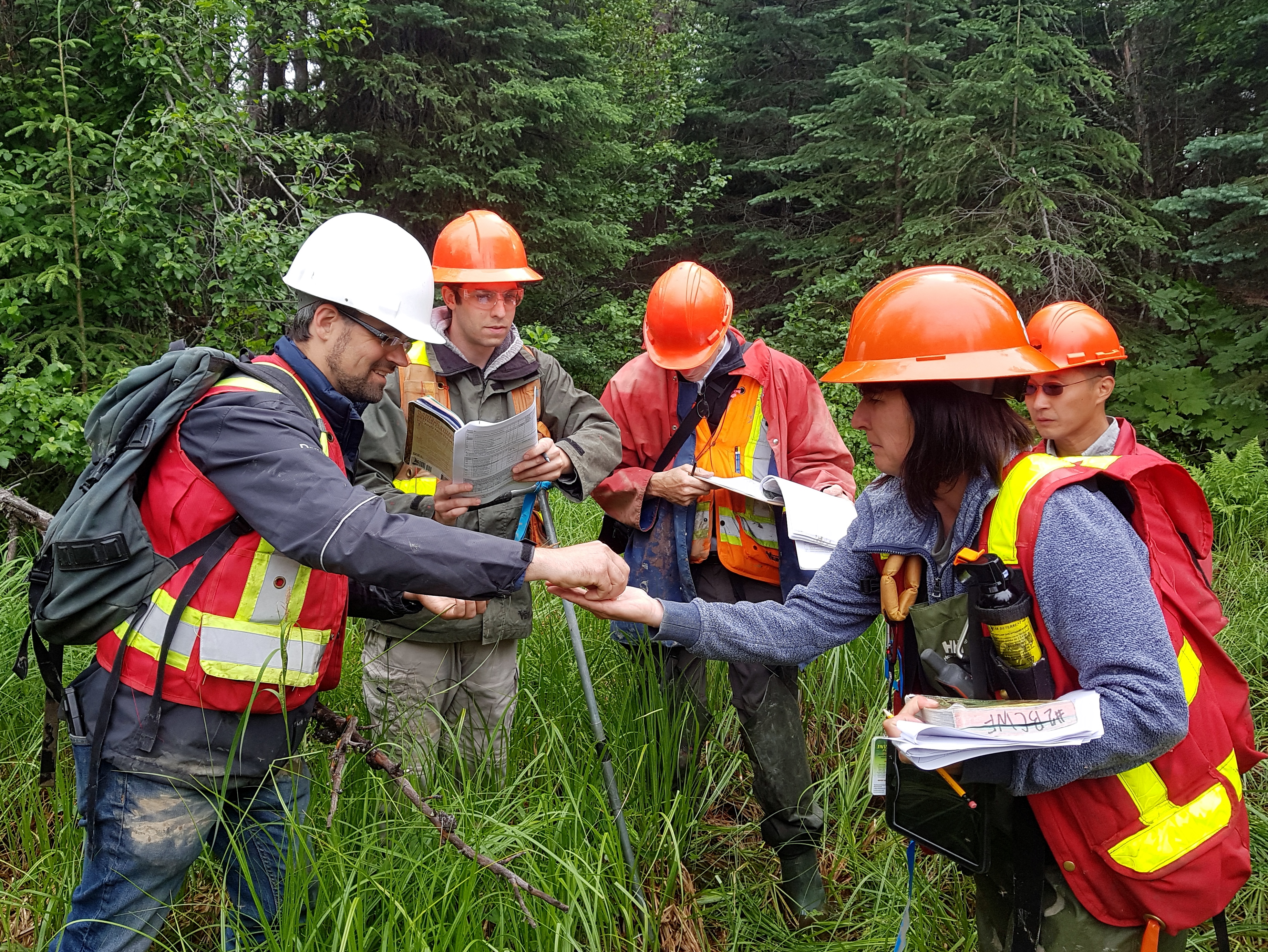
New Hope for Wetlands in B.C. — FREP Wetland Health Assessment
Earlier this year, the BCWF’s Wetlands Education Program received a contract from the Government of British Columbia to develop a protocol to assess the health of wetlands as part of the Forest and Range Evaluation Program (FREP). The protocol is designed to assess wetlands that have been impacted by forestry operations. However, there may be…
-
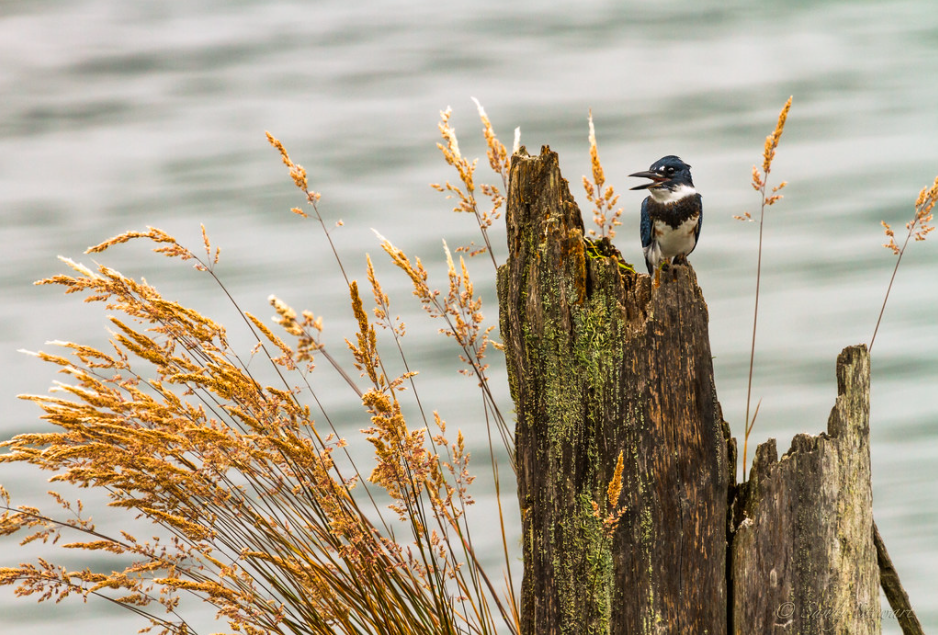
Species Profile — Belted Kingfisher
The Belted Kingfisher (Megaceryle alcyon) is a medium-sized bird commonly found near rivers, lakes, estuaries, and wetlands across North America. Ranging from 28 to 30 cm in height, with a wingspan of 48 to 58 cm, this striking species is known for its shaggy crest, sharp dagger-like bill, and loud, mechanical rattle call. Its plumage…
-
Species Profile — Grizzly Bear
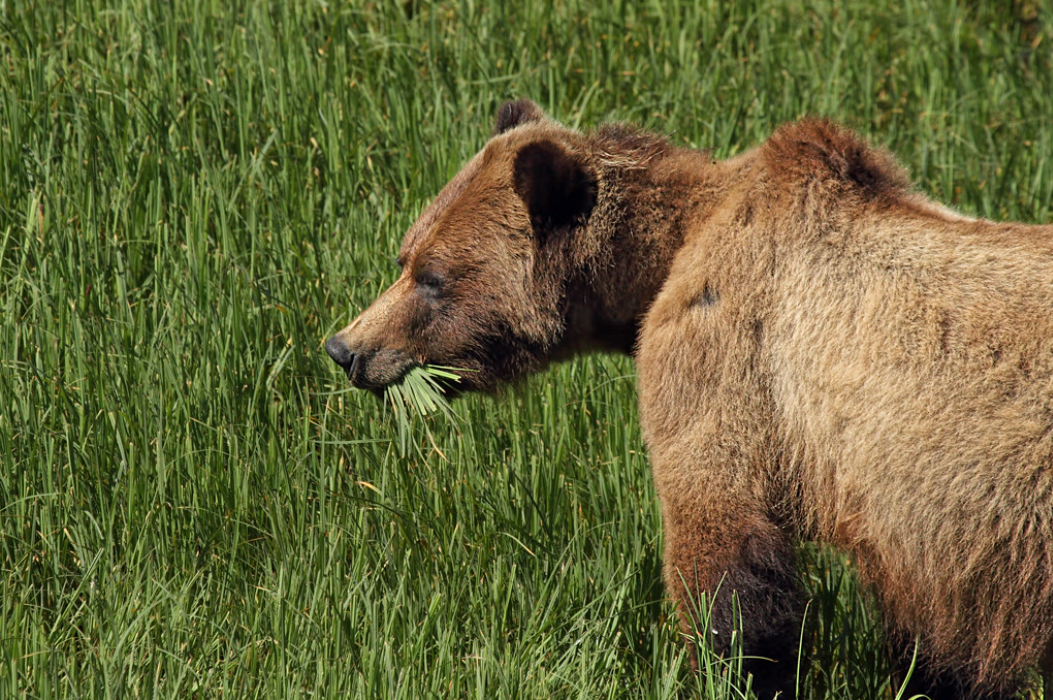
Grizzly bears are one of British Columbia’s most iconic and ecologically vital species. These powerful mammals are a subspecies of the brown bear. While both are part of the same species (Ursus arctos), grizzly bears are specifically known as Ursus arctos horribilis. In other words, all grizzlies are brown bears, but not all brown bears…
-

Species Profile — Pacific Tree Frog
Meet Hyla regilla – or, as many call it, the Pacific Tree Frog. It is entirely possible that you have never seen one despite their abundance in British Columbia. After all, a full-grown adult is typically less than 5 centimetres long. It may be helpful to think of them as the raccoons of Amphibia – they can be found in…
-
Species Profile — Long-Billed Dowitcher
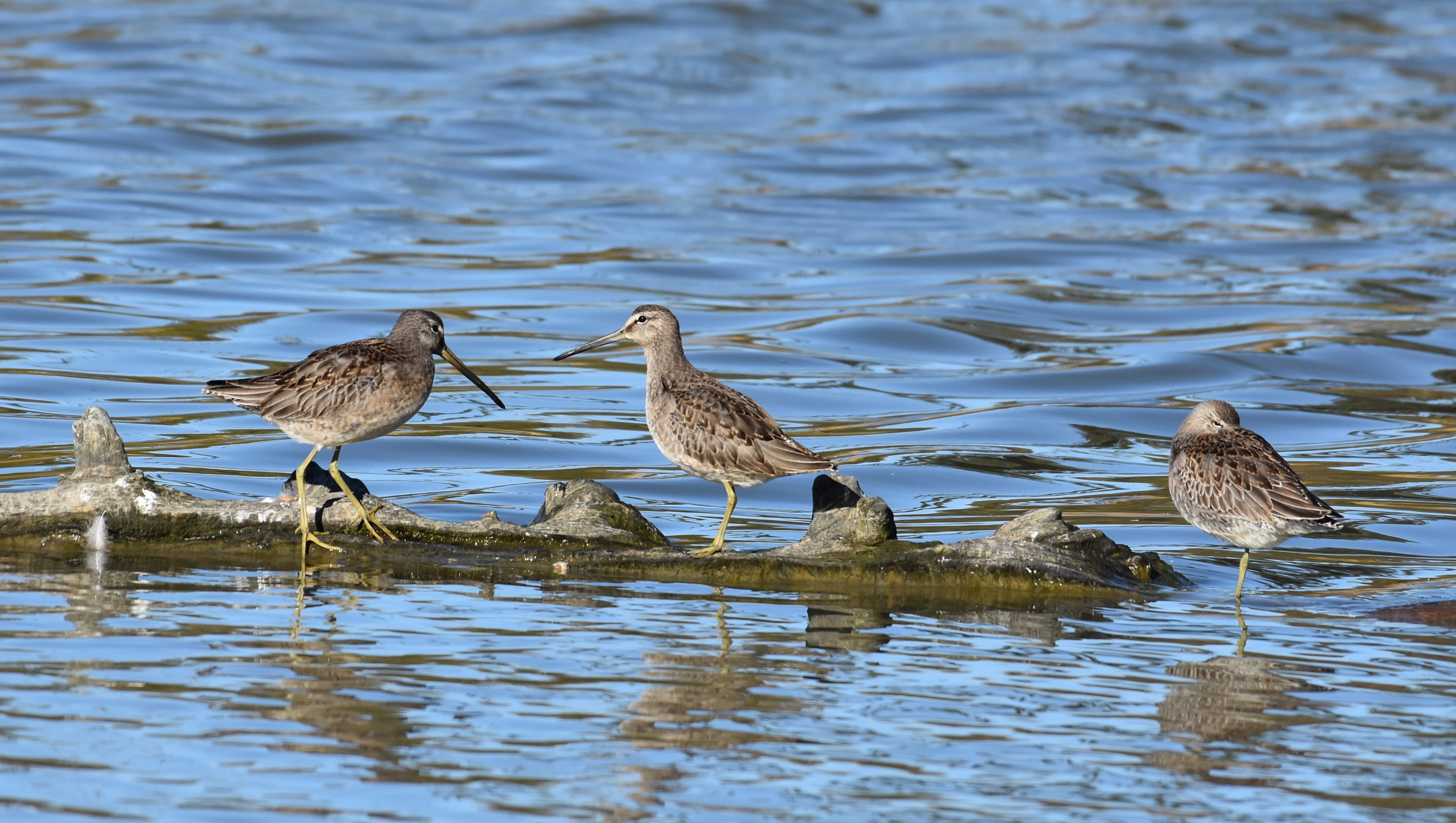
The long-billed dowitcher (Limnodromus scolopaceus) is a medium-to-large shorebird often seen in British Columbia during its fall migration along the Pacific Flyway. Though less commonly spotted in winter, some individuals remain in southern parts of the province before continuing their journey as far south as Central America during colder months. This species is a classic…
-

Species Profile — Trumpeter Swan
There’s no denying it: wetlands play a critical role in providing habitats for a variety of life. Studies have found that over 900 species require wetlands, with 64% of all endangered and threatened animal species needing access to them during some point in their life. In Canada, approximately 45 of the 95 species classified as…
-
Hip Deep in the West Kootenays — Wetlands Institute 2013
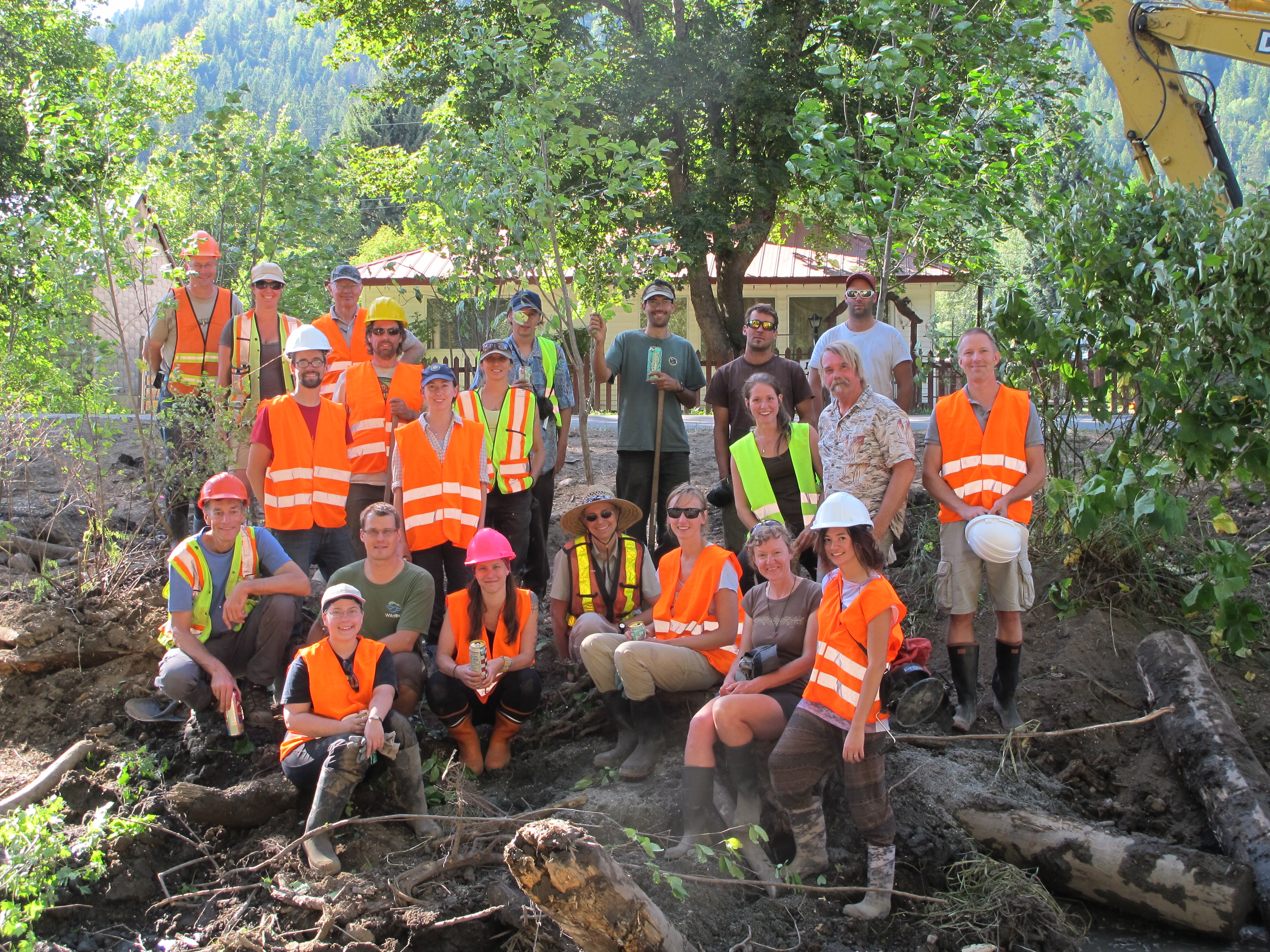
Did you know that North America was once covered with wetlands? It’s a wild thought when you look at today’s landscape, where fewer than 20% of wetlands remain in many developed areas. Wetlands are one of nature’s most valuable ecosystems. They provide critical services like flood control, groundwater recharge, carbon sequestration, and natural water filtration.…