
Tag: Wildlife
-
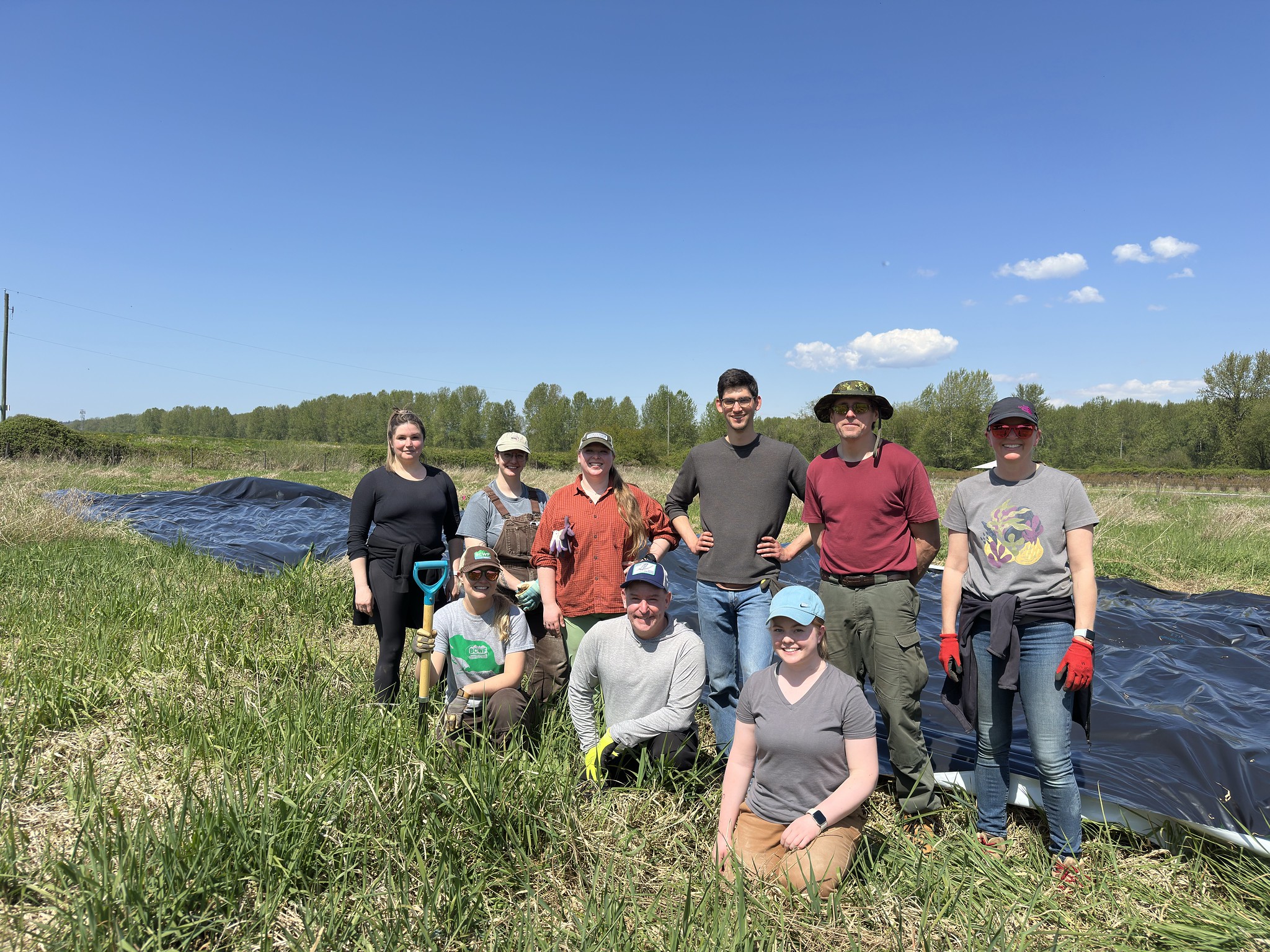
Restoring a Wetland at Glen Valley Organic Farm
A hands-on collaboration to bring water and habitat back to the floodplain For nearly a decade, the stewards of Glen Valley Organic Farm Co-operative had been imagining the return of a functioning wetland to the lowest corner of their property. Since a 2015 hydrology assessment first identified the area as an ideal place to restore natural water storage and…
-
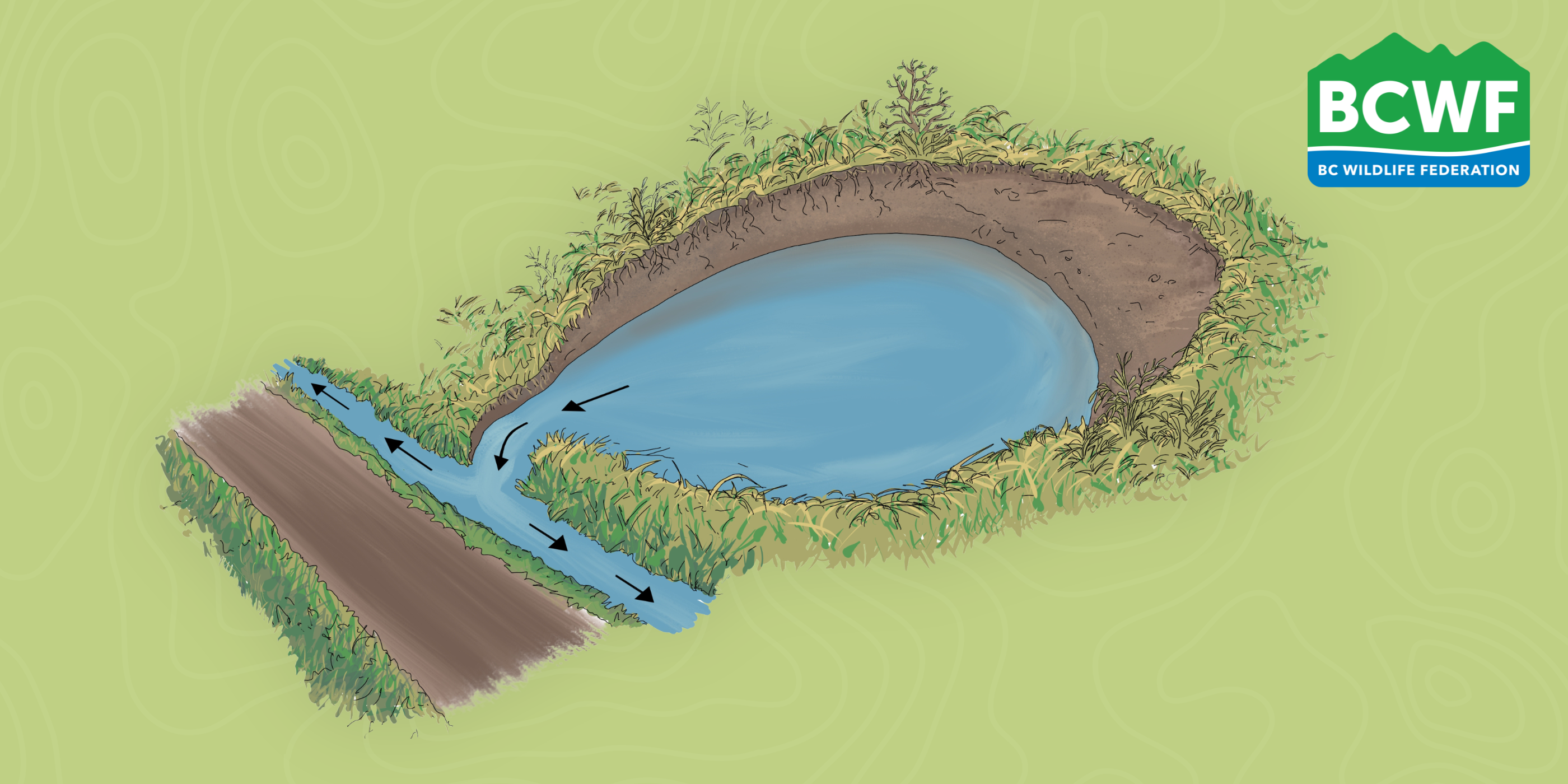
Road Impacts on Wetlands
Across British Columbia, roads often cross or run alongside wetlands. When this happens, they can change how water moves across the land and reduce habitat for fish and wildlife. Wetlands provide year-round food, cover, and water for a diverse range of fish and wildlife species, including moose, elk, waterfowl, salmon, and beavers. They also support…
-
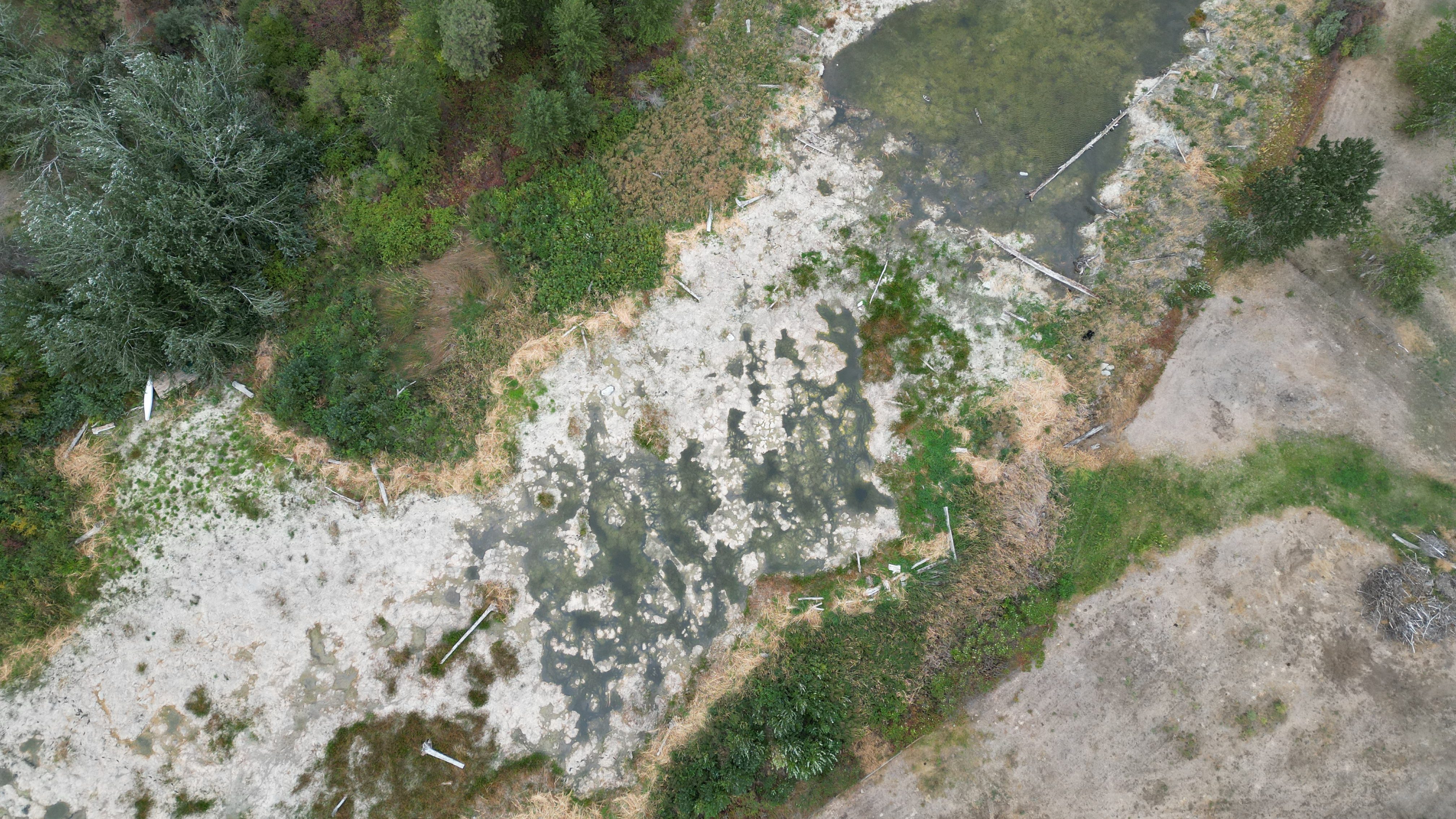
Low Water at Ginty’s Pond Highlights Need for Continued Investment in Watershed Restoration
For nearly four decades, wildlife biologist Al Peatt has kept a close eye on Ginty’s Pond, a wetland in the semi-arid, desert-like climate of B.C.’s Similkameen Valley. In 1990, under his leadership as one of the founding directors of the Southern Interior Land Trust (SILT), the organization acquired the property to protect its wildlife habitat…
-

When Roads Meet Wetlands — Assessing Impacts Across Northern B.C
Northern B.C. is shaped by wetlands — and by the roads that cross them. Understanding how the two interact is essential for protecting ecosystems and planning future development. This past field season, the BCWF Watershed Team and our First Nations partners hit the ground running, putting the Federation’s newest conservation tool, the Road Impact Wetland…
-

Wetland Revival on Pender Island Thanks to Local Landowners
Not all restoration happens in parks or protected areas. Increasingly, it’s private landowners who hold the key to restoring important habitats. On South Pender Island, one such restoration project has transformed a former soggy grazed field into an emerging wetland, showing how individual stewardship can help reverse habitat loss and support species at risk. In…
-
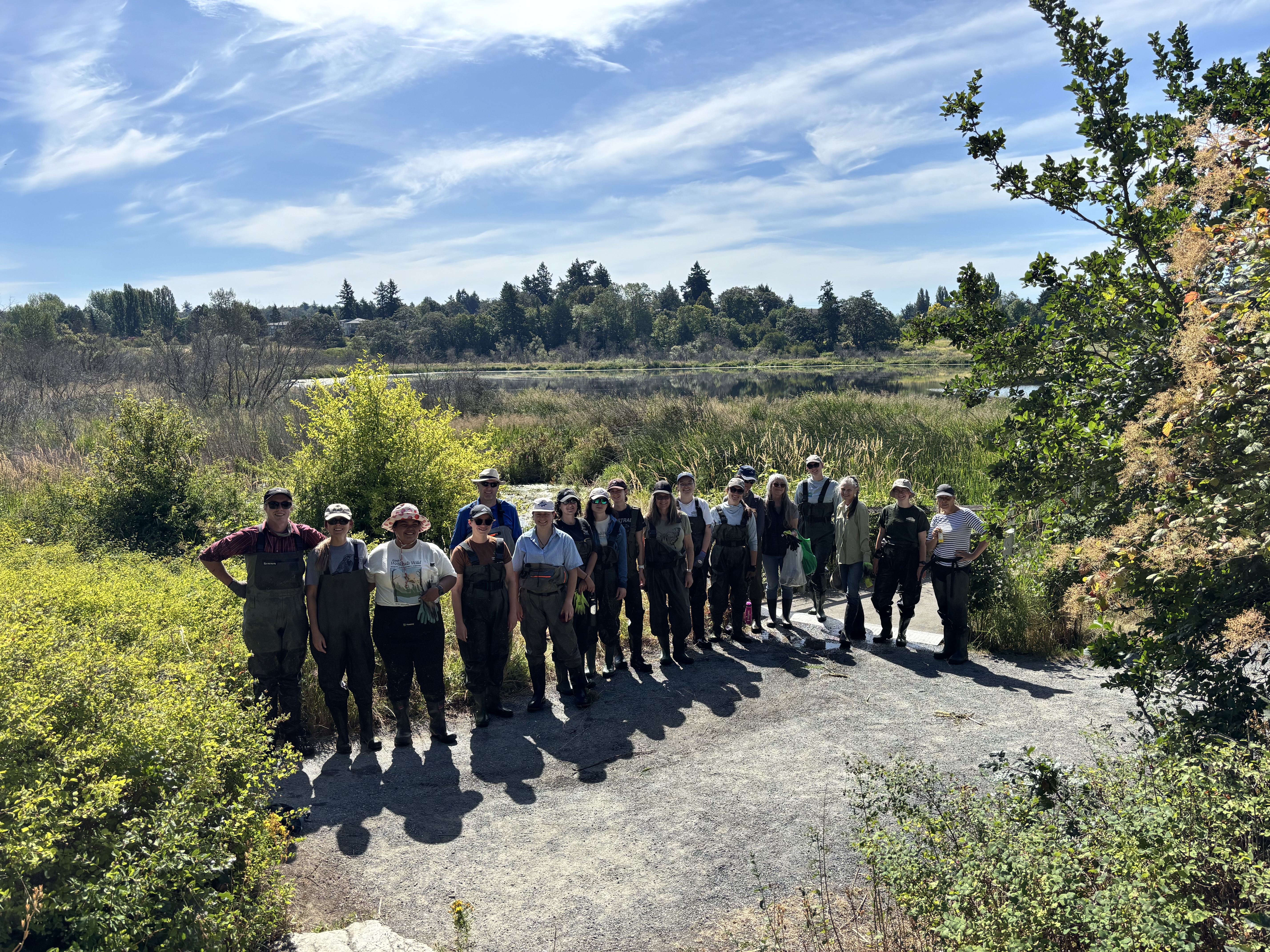
Building Wetland Stewardship Skills in Victoria B.C.
This July, the B.C. Wildlife Federation’s Wetland Education Program (WEP) facilitated a 2.5‑day Wetlandkeepers workshop in Victoria, B.C., in partnership with the Bilston Watershed Habitat Protection Association and Swan Lake Nature Sanctuary at Swan Lake Christmas Hill Nature Sanctuary—a living classroom rich with native plants, visiting and resident birds, and even a Western Painted Turtle.…
-

Kicking Off 2025 with Hands on Restoration and Training in the South Okanagan
The South Okanagan is one of the driest regions in British Columbia, yet it’s full of life. Alongside vibrant vineyards, sparkling lakes, and rolling grasslands, the region is home to an incredible diversity of fish and wildlife that flourish where water flows. From the smallest stream to the quietest wetland to the broadest lake, these…
-
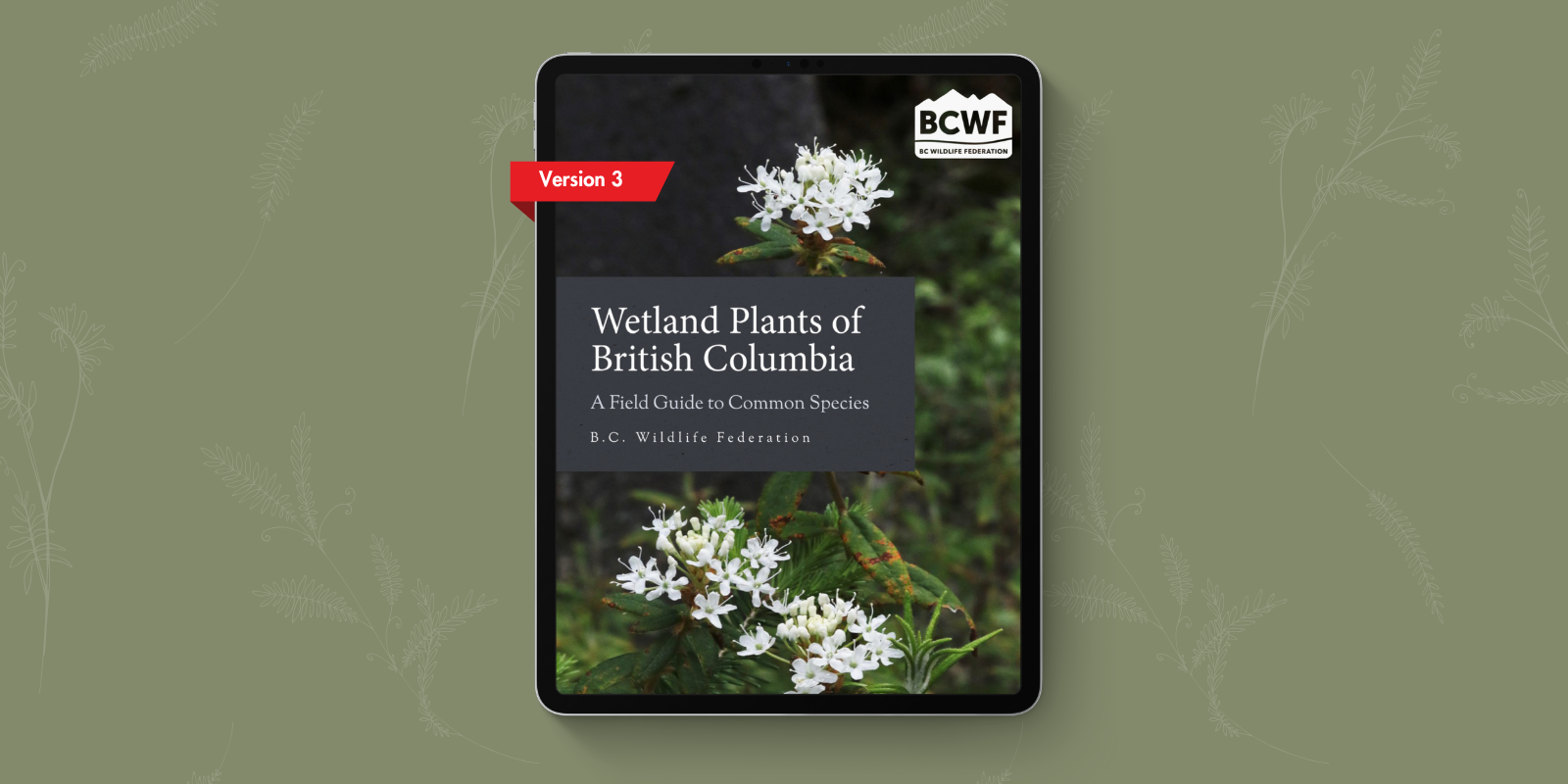
Now Available! Wetland Plants of British Columbia, Version 3
We’re excited to announce that Wetland Plants of British Columbia, Version 3 is now published and available for free download! Wetlands are essential ecosystems in British Columbia—rich in biodiversity and home to a wide variety species. This guide introduces common indicator species found in wetland habitats across the province and is designed to support users…
-

Understanding Beaver Dam Analogues — Q&A with Jennifer Rogers
Restoring streams, floodplains, and wetlands doesn’t always require heavy machinery. Sometimes, simple, nature-based solutions are the most effective. That’s the idea behind low-tech process-based restoration (LTPBR)—an approach that uses natural materials and processes to support ecosystem recovery. Two widely used techniques involve building simple, hand-crafted structures inspired by nature: Beaver Dam Analogues (BDAs) and Post-Assisted…
-
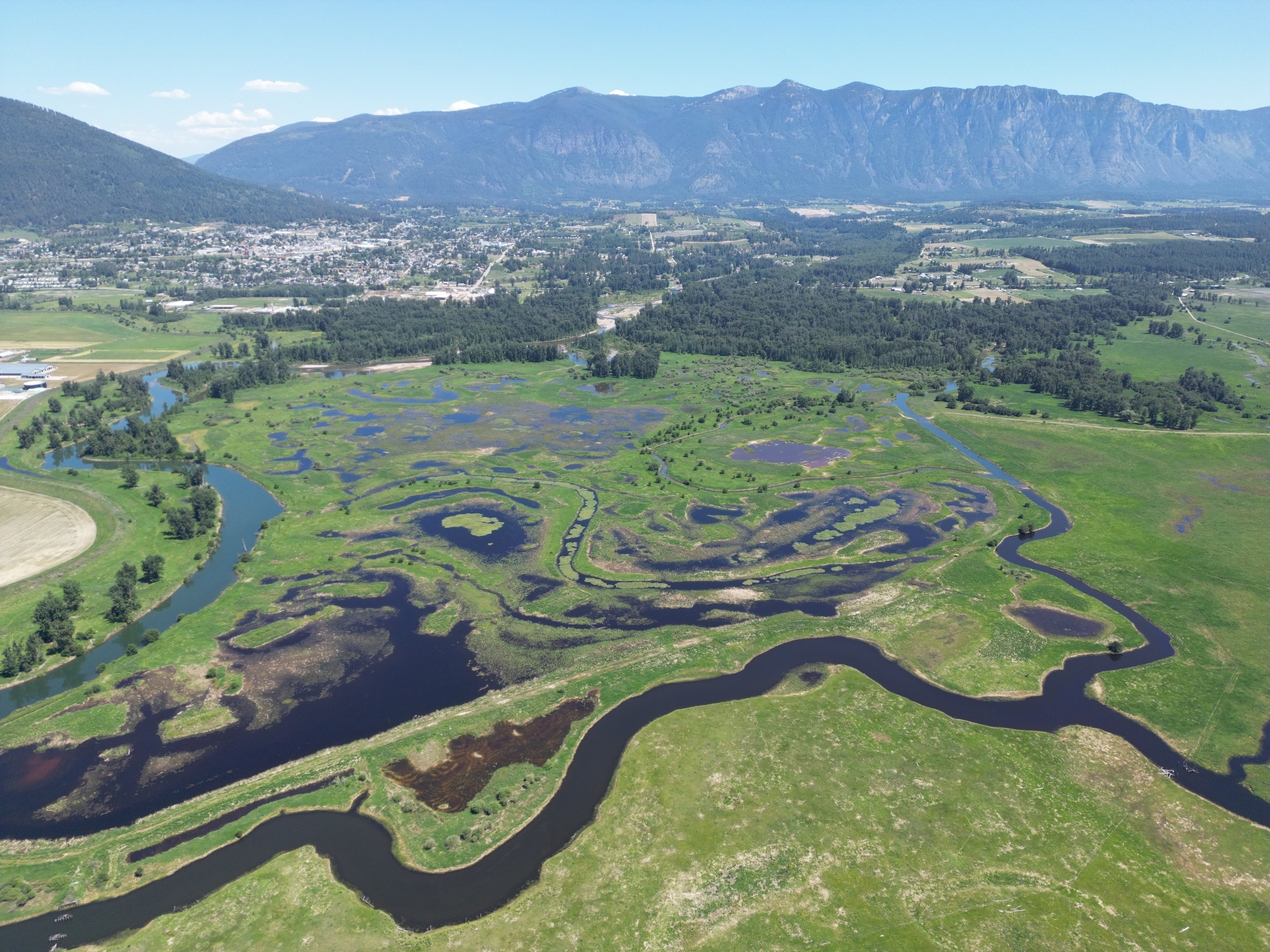
Reviving the Land — The Yaqan Nukiy Wetland Renaturalization Project
What happens when you let the land lead? In B.C.’s central Kootenay region, a wetland revitalization project led by the Yaqan Nukiy People (Lower Kootenay Band) is showcasing exactly that. Guided by millennia of Indigenous knowledge, the Yaqan Nukiy Wetland Project is one of the most ambitious restoration efforts in Canada. With a focus on…