Tag: Nature
-
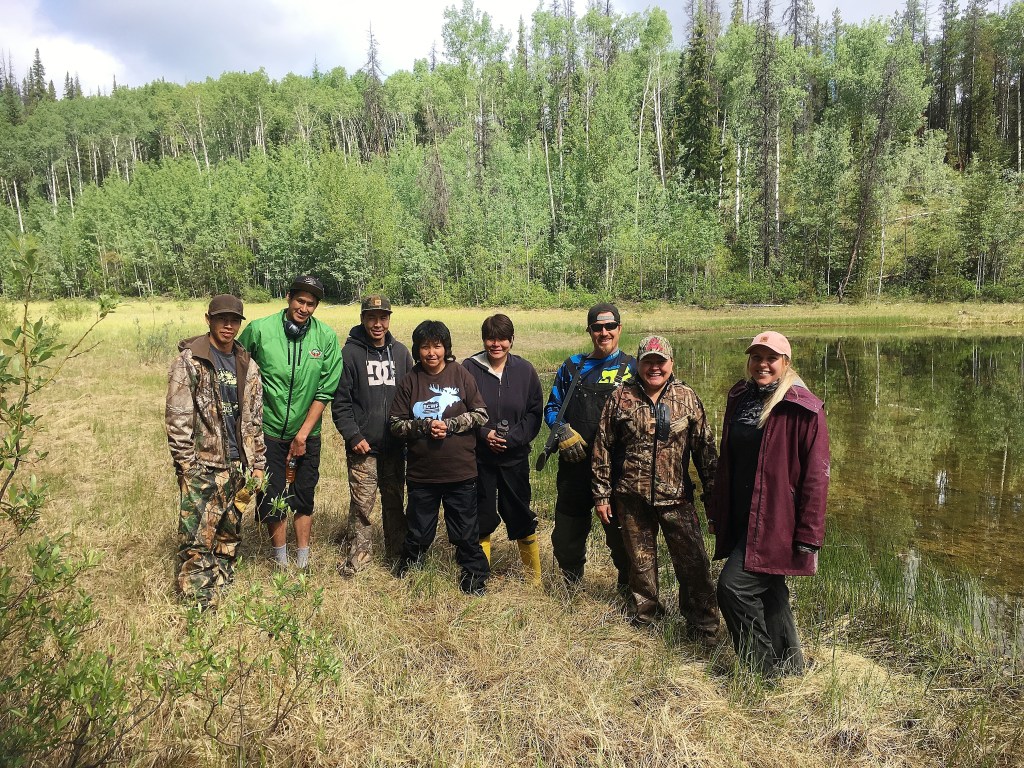
Increasing Stewardship Capacity in Remote Communities — Peace/Williston Region
The first two weeks of June proved to be a busy time for the BCWF’s Wetlands Education Program (WEP). Led by Wetlands Education Program Manager Neil Fletcher, the WEP team traveled through northeastern B.C. to deliver workshops in partnership with three remote First Nations: the Tsay Keh Dene Nation, Kwadacha Nation, and McLeod Lake Indian…
-
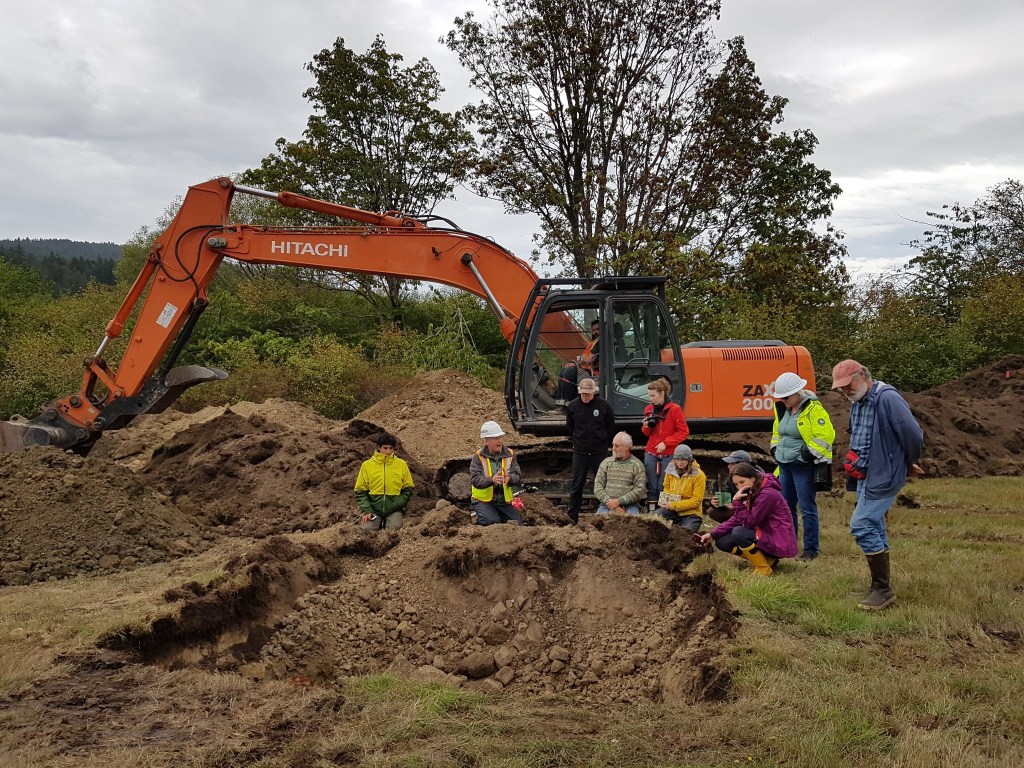
From Theory to Practice — Salt Spring Island Wetlands Institute 2018
Narrowly avoiding the Pacific Storms, the BCWF Wetlands Education Program (WEP) team was lucky to spend time away from our office in Surrey and in the safe haven of Salt Spring Island for the 16th annual Wetlands Institute. 23 enthusiastic participants from a mix of backgrounds, including: Non-profits, First Nations, Hobby Farmers, Consultants, Government, and Archaeologists,…
-
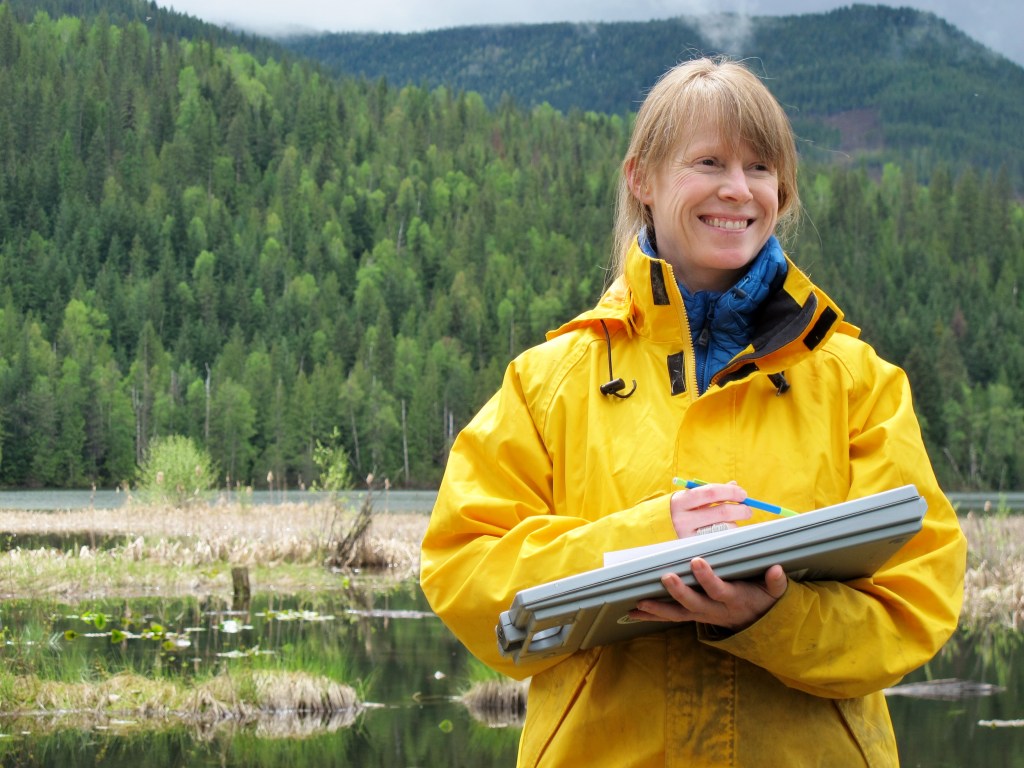
Touring the Interior — A Map our Marshes Double Feature
Nimbly avoiding the mounting floodwaters, the Wetlands Education Program team hosted two Map our Marshes workshops in Peachland (May 6) and Salmo (May 10), sandwiching a mélange of wetland site visits, presentations, and restoration prescriptions. Held in partnership with the Peachland Watershed Protection Alliance, the first workshop began in the charming “Little Schoolhouse” before proceeding…
-
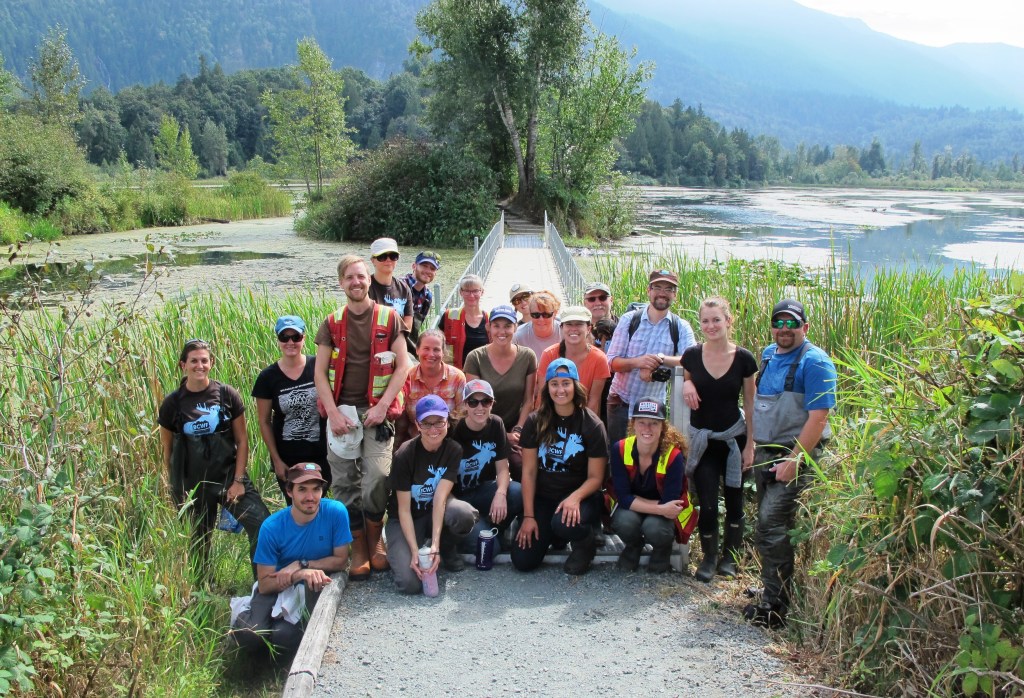
Across the Lower Mainland — 2016 Wetlands Institute
Did you know that up to 70% of wetlands have been lost in settled areas of Canada? In the Lower Mainland the number is even higher. Between 1827 and 1990, over 85% of wetlands were lost, mainly due to agriculture and development. With Metro Vancouver’s population expected to rise to 3.4million people by 2041 (that’s…
-
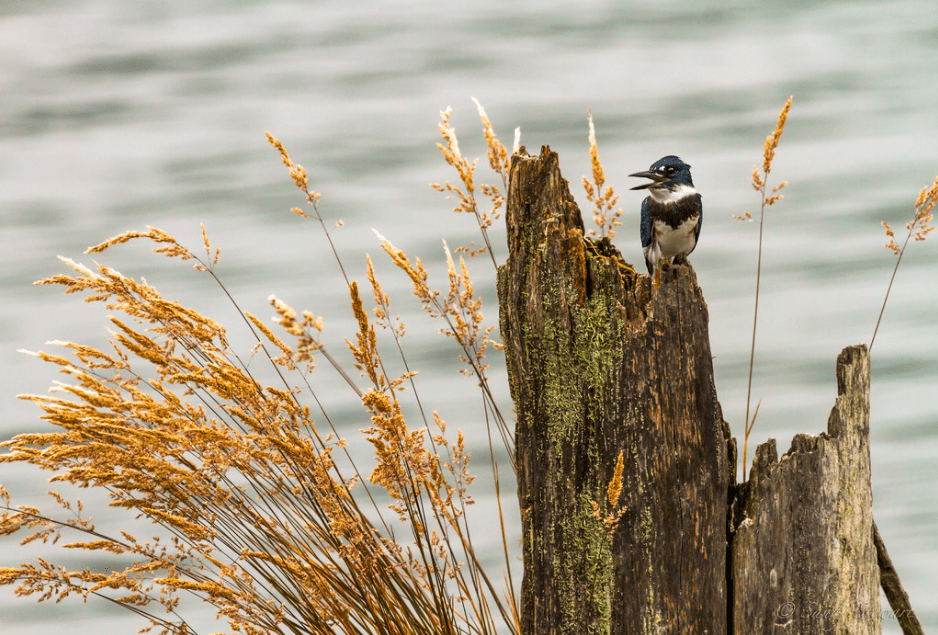
Species Profile — Belted Kingfisher
The Belted Kingfisher (Megaceryle alcyon) is a medium-sized bird commonly found near rivers, lakes, estuaries, and wetlands across North America. Ranging from 28 to 30 cm in height, with a wingspan of 48 to 58 cm, this striking species is known for its shaggy crest, sharp dagger-like bill, and loud, mechanical rattle call. Its plumage…
-
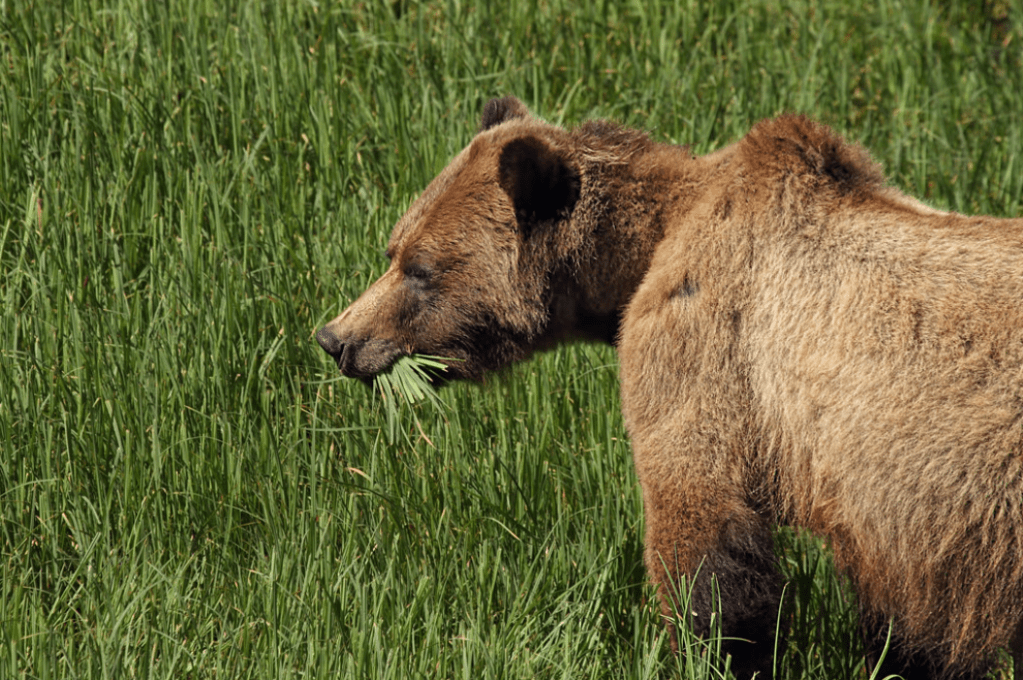
Species Profile — Grizzly Bear
Grizzly bears are one of British Columbia’s most iconic and ecologically vital species. These powerful mammals are a subspecies of the brown bear. While both are part of the same species (Ursus arctos), grizzly bears are specifically known as Ursus arctos horribilis. In other words, all grizzlies are brown bears, but not all brown bears…
-
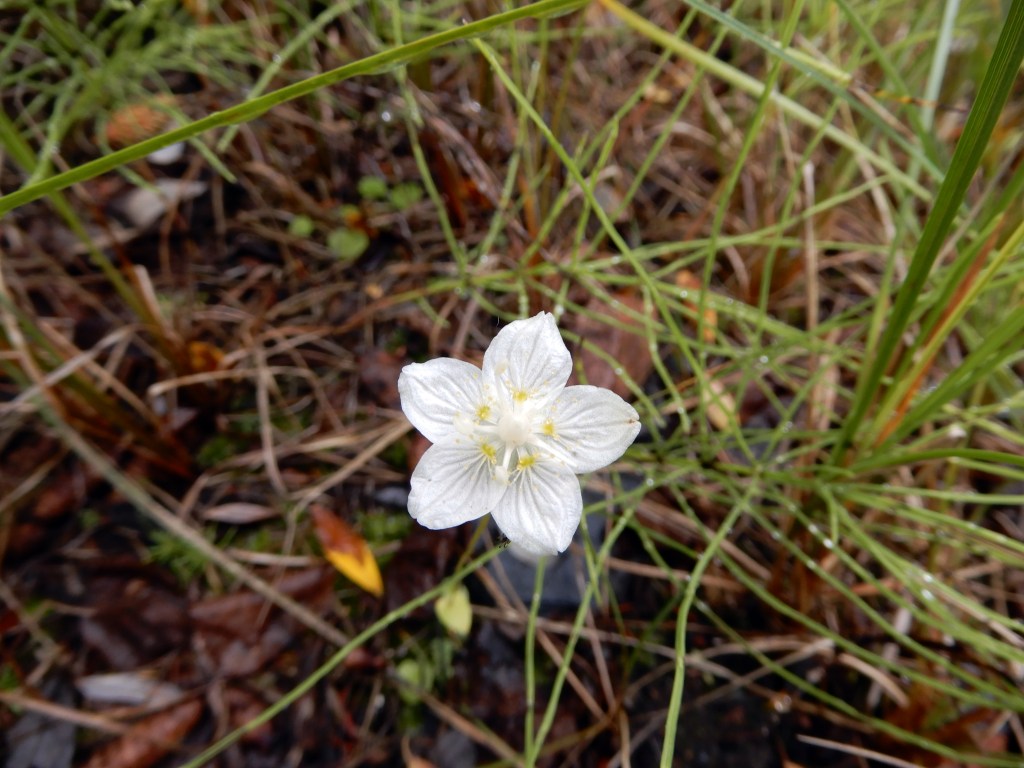
Species Profile — Bog Star
With its bright, star-like white petals standing out against the darker greens and browns of wetland groundcover, the Northern Grass-of-Parnassus (Parnassia palustris)—commonly called the Bog Star—is a striking and unmistakable wetland plant. Its five radiant petals sit atop a solitary upright stem, with most foliage concentrated at the base, creating a simple yet elegant bloom…
-
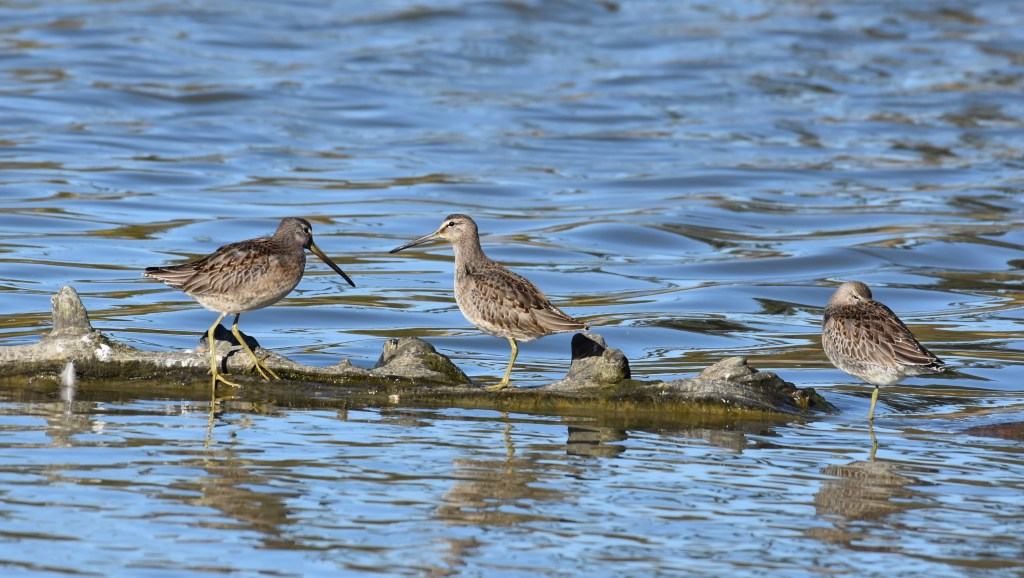
Species Profile — Long-Billed Dowitcher
The long-billed dowitcher (Limnodromus scolopaceus) is a medium-to-large shorebird often seen in British Columbia during its fall migration along the Pacific Flyway. Though less commonly spotted in winter, some individuals remain in southern parts of the province before continuing their journey as far south as Central America during colder months. This species is a classic…
-
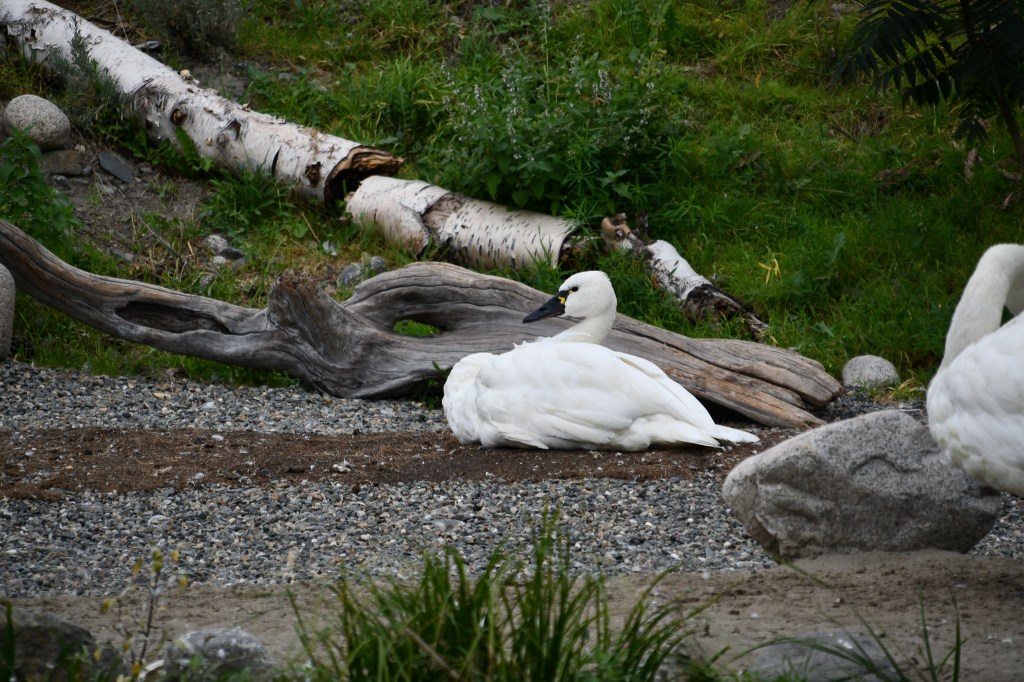
Species Profile — Trumpeter Swan
There’s no denying it: wetlands play a critical role in providing habitats for a variety of life. Studies have found that over 900 species require wetlands, with 64% of all endangered and threatened animal species needing access to them during some point in their life. In Canada, approximately 45 of the 95 species classified as…
-
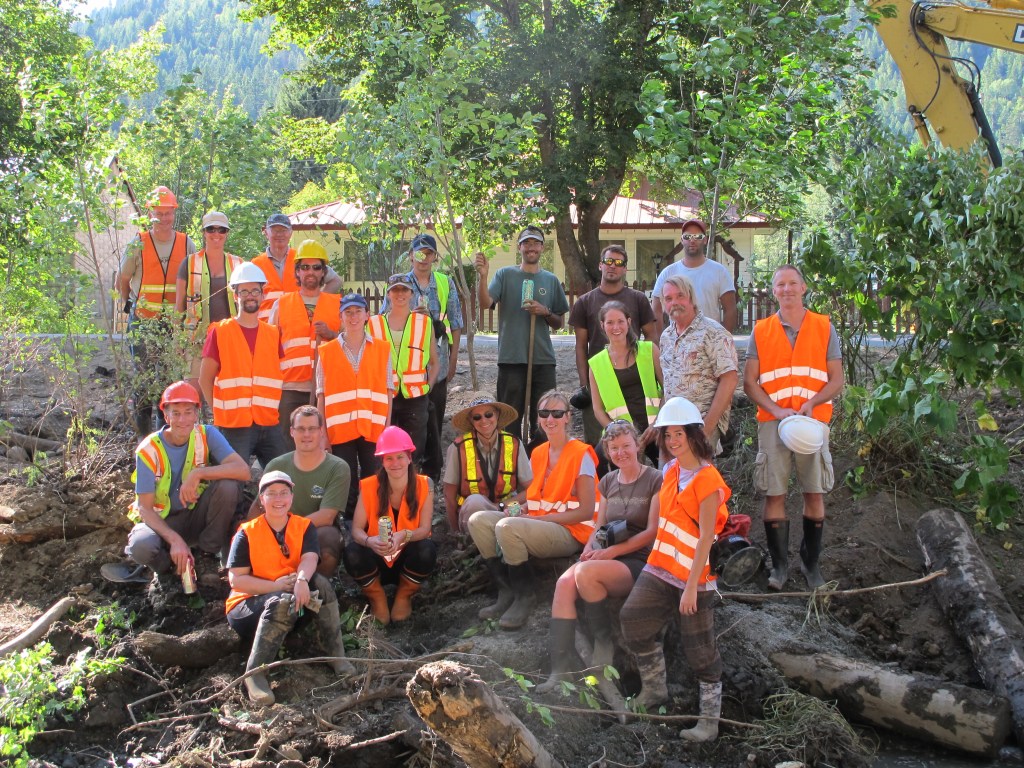
Hip Deep in the West Kootenays — Wetlands Institute 2013
Did you know that North America was once covered with wetlands? It’s a wild thought when you look at today’s landscape, where fewer than 20% of wetlands remain in many developed areas. Wetlands are one of nature’s most valuable ecosystems. They provide critical services like flood control, groundwater recharge, carbon sequestration, and natural water filtration.…
 BCWF Watershed Team