Tag: Healthy Waters BC
-
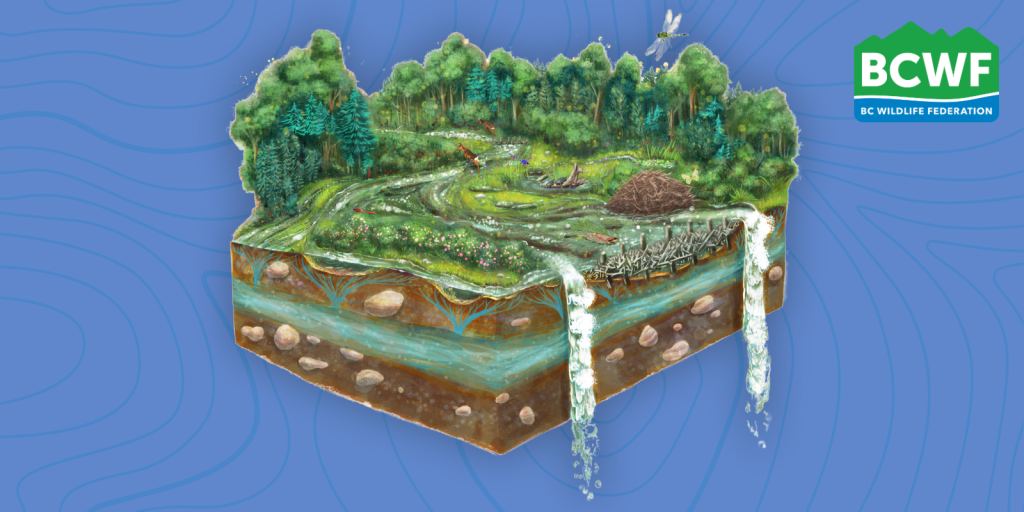
Understanding Beaver Dam Analogues — Q&A with Jennifer Rogers
Restoring streams, floodplains, and wetlands doesn’t always require heavy machinery. Sometimes, simple, nature-based solutions are the most effective. That’s the idea behind low-tech process-based restoration (LTPBR)—an approach that uses natural materials and processes to support ecosystem recovery. Two widely used techniques involve building simple, hand-crafted structures inspired by nature: Beaver Dam Analogues (BDAs) and Post-Assisted…
-
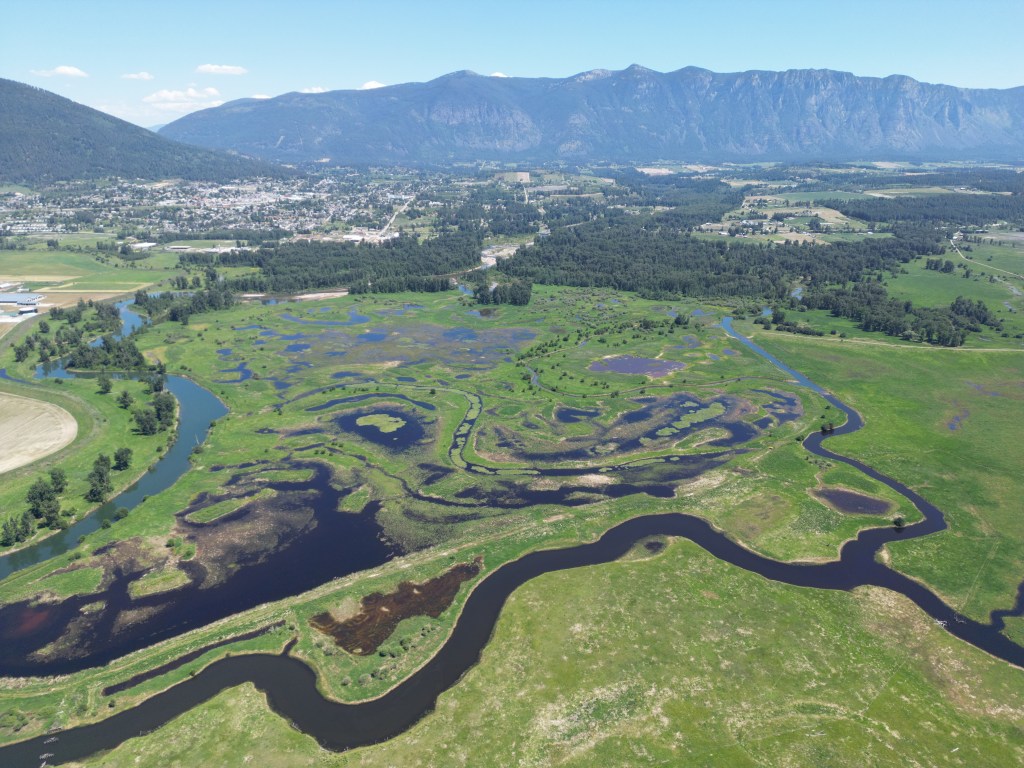
Reviving the Land — The Yaqan Nukiy Wetland Renaturalization Project
What happens when you let the land lead? On Yaqan Nukiy territory, millennia of Indigenous knowledge is guiding one of the most ambitious wetland projects in Canada—transforming not only ecosystems, but the broader understanding of how restoration can be approached. The Yaqan Nukiy Wetland Project, located on 517 hectares of Lower Kootenay Band reserve lands…
-

Assessing Road Impacts on Wetlands in Northern B.C.
Introducing BCWF’s RIWHA Tool Across British Columbia, roads and industrial infrastructure continue to reshape wetland ecosystems—this is especially true in northern B.C., where decades of hydroelectric development and land-use change have left lasting marks on the landscape. To better understand and respond to these impacts, the B.C. Wildlife Federation has launched a new tool: the…
-
Celebrating World Water Day 2025 — Protecting B.C.’s Watersheds
“If there is magic on this planet, it is contained in water” – Loren Eiseley Water connects us all—it nourishes ecosystems, sustains communities, and shapes the landscapes we call home. This World Water Day, we recognize the importance of protecting and restoring our freshwater resources in British Columbia. From wetlands and rivers to glaciers and…
-
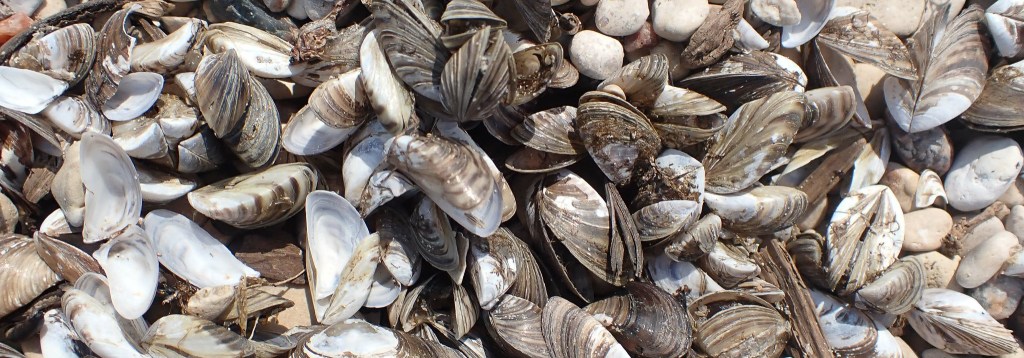
Invasive Mussels — An Immediate and Preventable Threat
Invasive species pose a serious risk to B.C.’s lakes and rivers, with the potential to disrupt entire ecosystems. Among the most destructive are zebra mussels (Dreissena polymorpha) and quagga mussels (Dreissena rostriformis bugensis), which spread rapidly, damaging aquatic habitats, fisheries, and water systems.] For years, the BCWF has advocated for protections against these invasive mussels,…
-
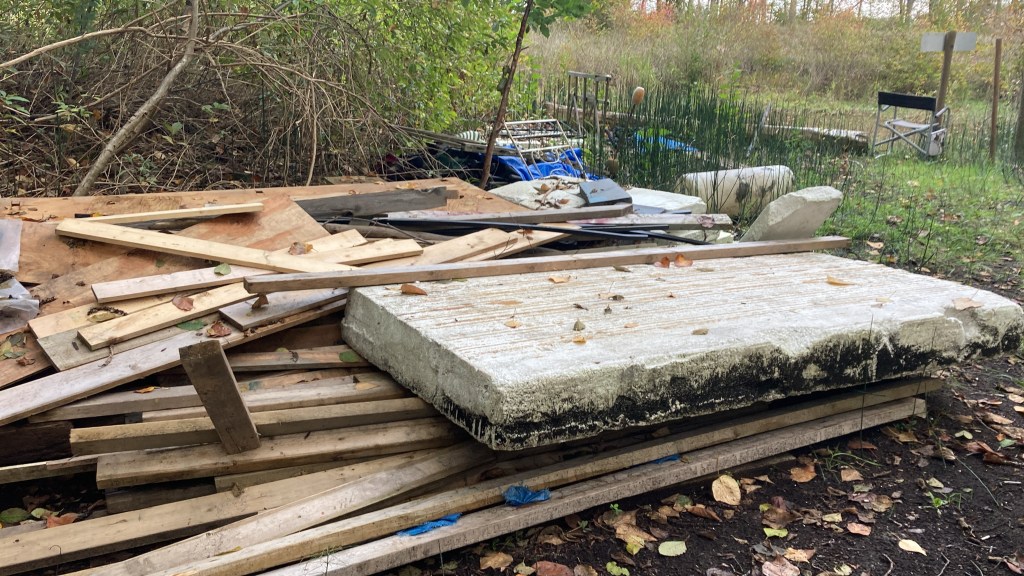
Microplastics Are No Small Problem
Microplastics are everywhere—floating in our waterways, drifting through the air we breathe, and settling in delicate ecosystems. These tiny plastic particles aren’t just a concern for humans, who unknowingly consume thousands of them daily; they’re also invading fish and wildlife habitats, disrupting food chains and threatening biodiversity. But what exactly are microplastics, and why do…
-
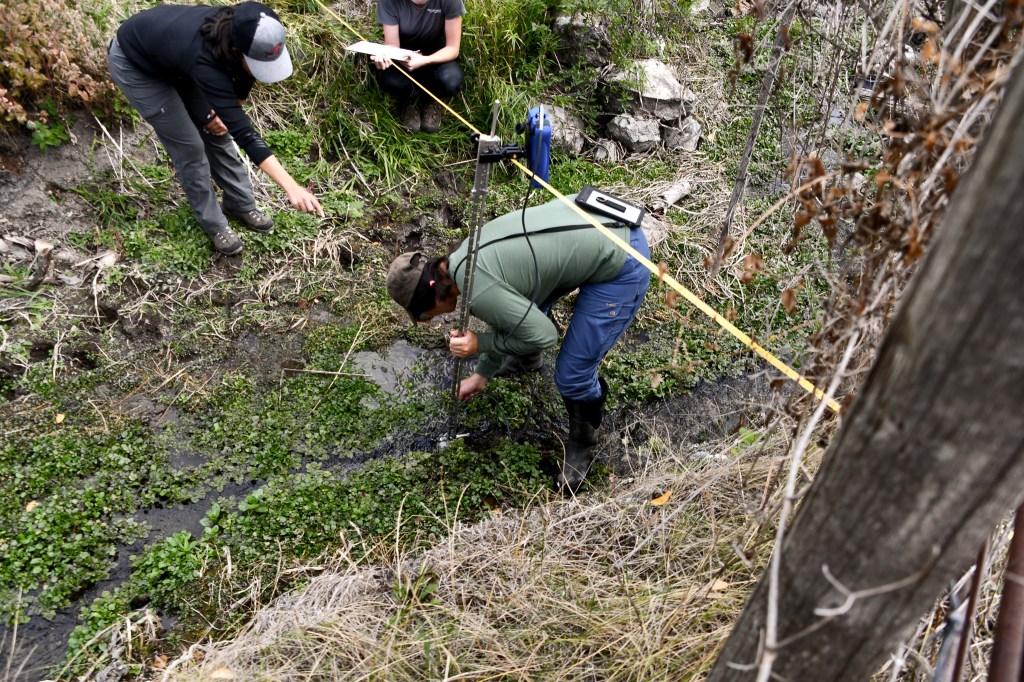
Beavers as Bioengineers
The B.C. Wildlife Federation is turning to expert engineers—otherwise known as beavers—to help protect our province’s precious land and water resources. Our 10,000 Wetlands project aims to use beaver-based restoration to enhance watershed resilience by harnessing the industrious skills of beavers, a species that has faced near eradication. The project aims to build dozens of…
-
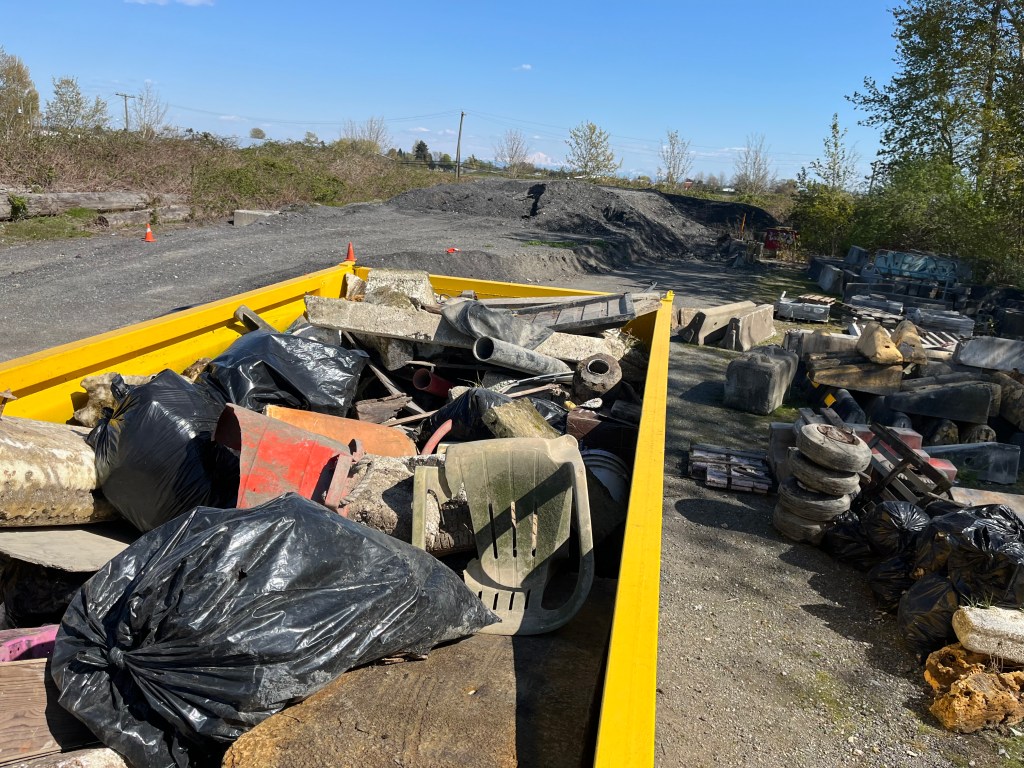
Restoring the Fraser River Estuary — Doubling Targets and Conservation Efforts
“When you’re looking at the tidal marsh islands from a distance from across the South Arm, they look like they’re non-impacted. As soon as you step foot on the islands, however, you’ve collected a garbage bag worth of debris within two steps.” – Haiden MacDonald, BCWF Fish Habitat Restoration Coordinator. In the age of readily…
-
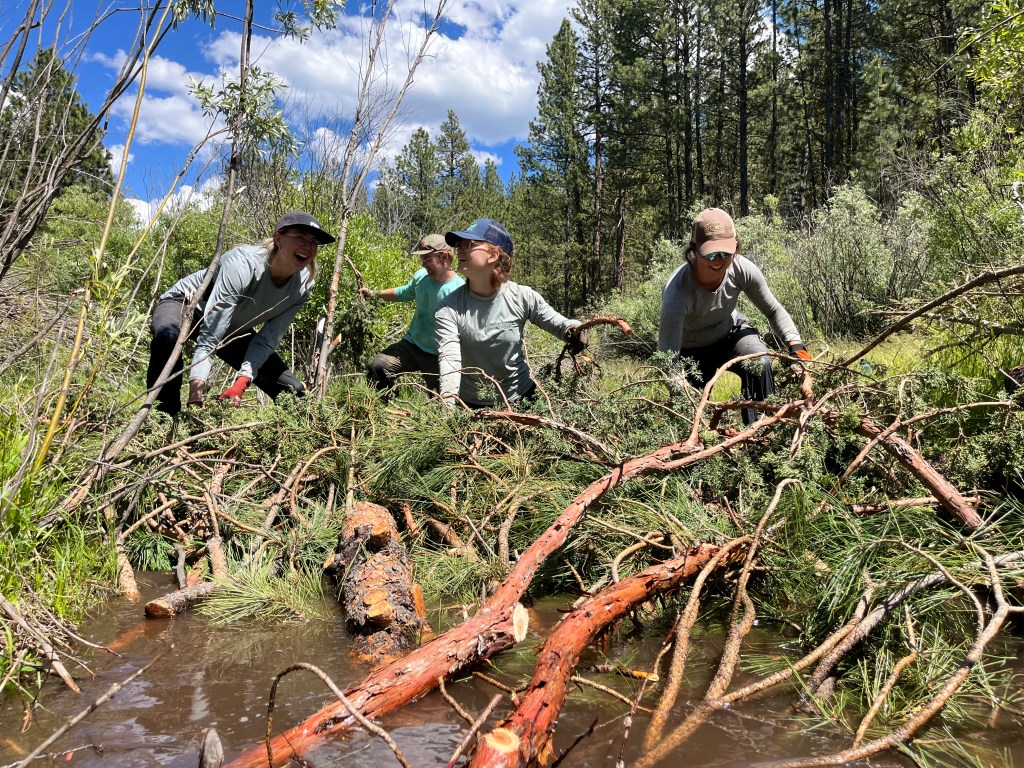
Beaver-Based Restoration — From Oregon to B.C.
Advancing Watershed Security Through Training Investment in watershed security training is vital to the future of our province. The B.C. Wildlife Federation’s Watershed Team is continuously learning and improving our knowledge and skills base so that we can lead innovative, effective projects that restore habitat and prevent or mitigate the impacts of drought, fire, and…
-
Quadra Island Wetland Restored
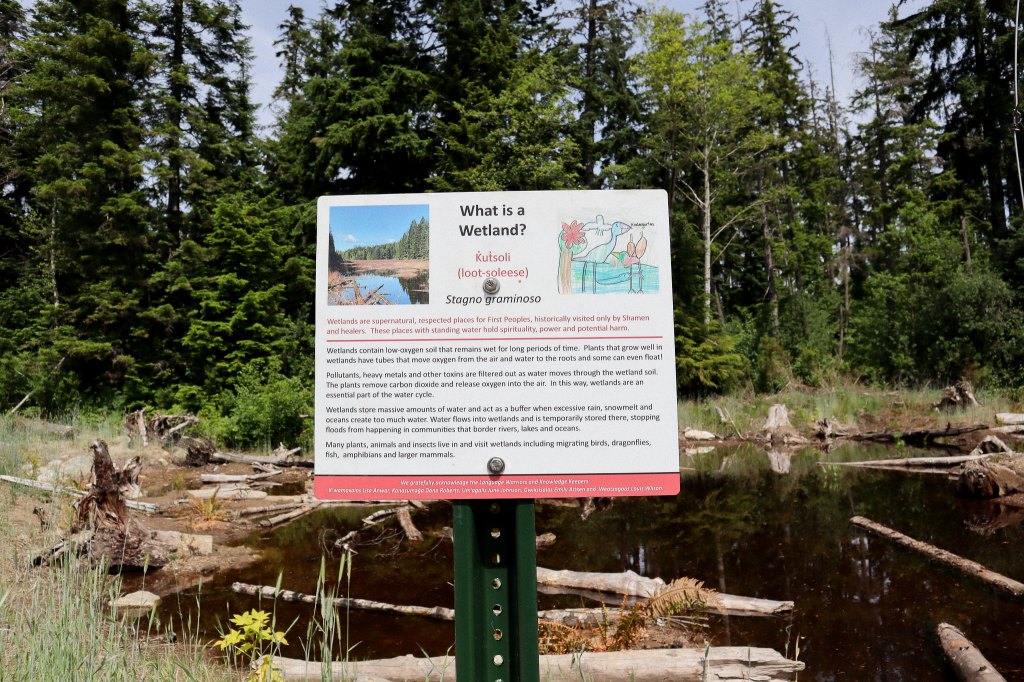
The rejuvenated wetland surrounding Quadra Island Elementary has transformed the way students learn by turning the school’s backyard into a vibrant classroom of native flora and fauna. Last year’s efforts converted a soggy segment of a sports field back to its original state. Nestled in the north-west corner of the schoolyard, this restored wetland serves…
 BCWF Watershed Team