Tag: Features
-
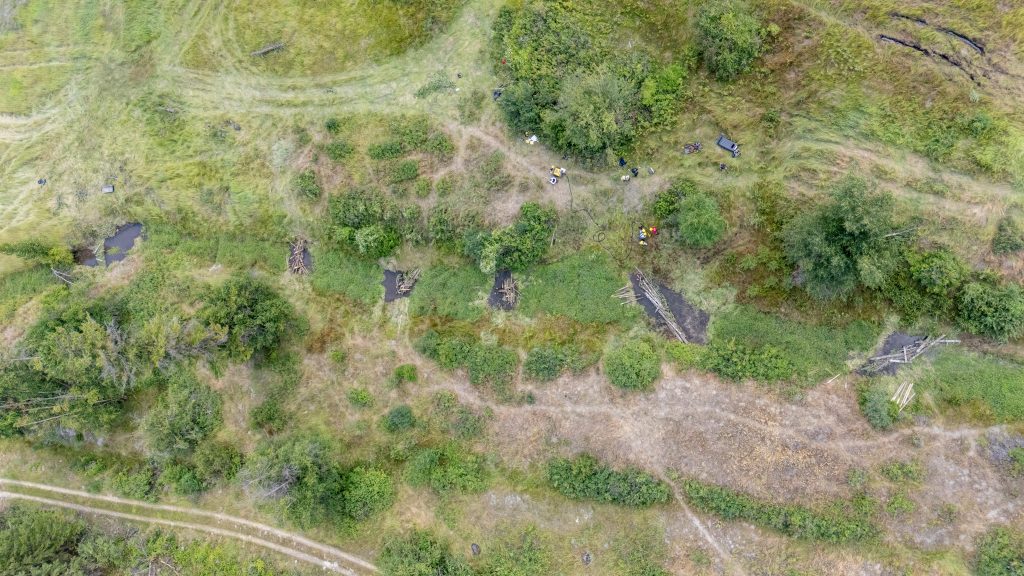
Kicking Off 2025 with Hands on Restoration and Training in the South Okanagan
The South Okanagan is one of the driest regions in British Columbia, yet it’s full of life. Alongside vibrant vineyards, sparkling lakes, and rolling grasslands, the region is home to an incredible diversity of fish and wildlife that flourish where water flows. From the smallest stream to the quietest wetland to the broadest lake, these…
-
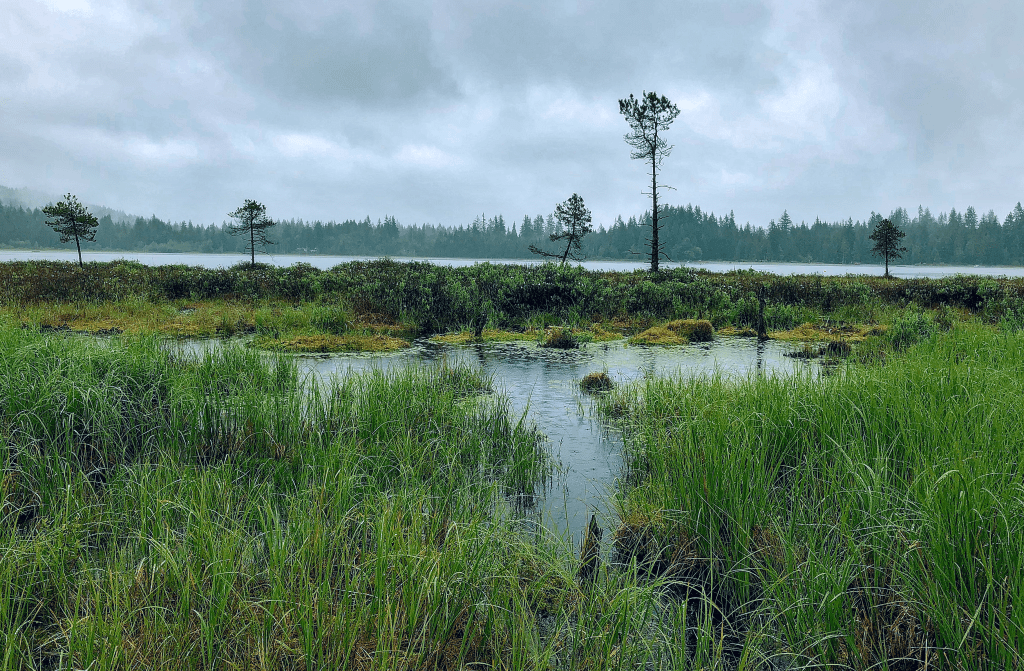
Get to Know the 5 Freshwater Wetland Classifications!
From mossy bogs and spongy fens to forested swamps and vibrant marshes, wetlands are among the most ecologically rich ecosystems on the planet. Each type plays a unique role in supporting biodiversity, filtering water, storing carbon, and helping to reduce the impacts of floods and drought. Wetlands support an incredible variety of life. Often…
-
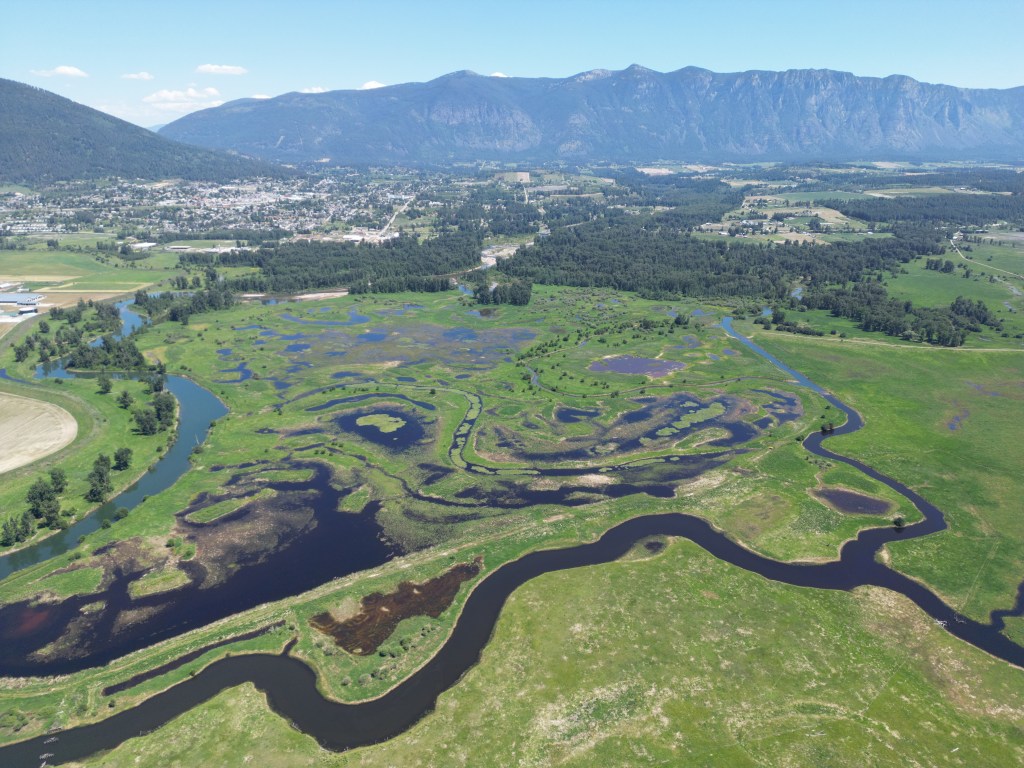
Reviving the Land — The Yaqan Nukiy Wetland Renaturalization Project
What happens when you let the land lead? On Yaqan Nukiy territory, millennia of Indigenous knowledge is guiding one of the most ambitious wetland projects in Canada—transforming not only ecosystems, but the broader understanding of how restoration can be approached. The Yaqan Nukiy Wetland Project, located on 517 hectares of Lower Kootenay Band reserve lands…
-
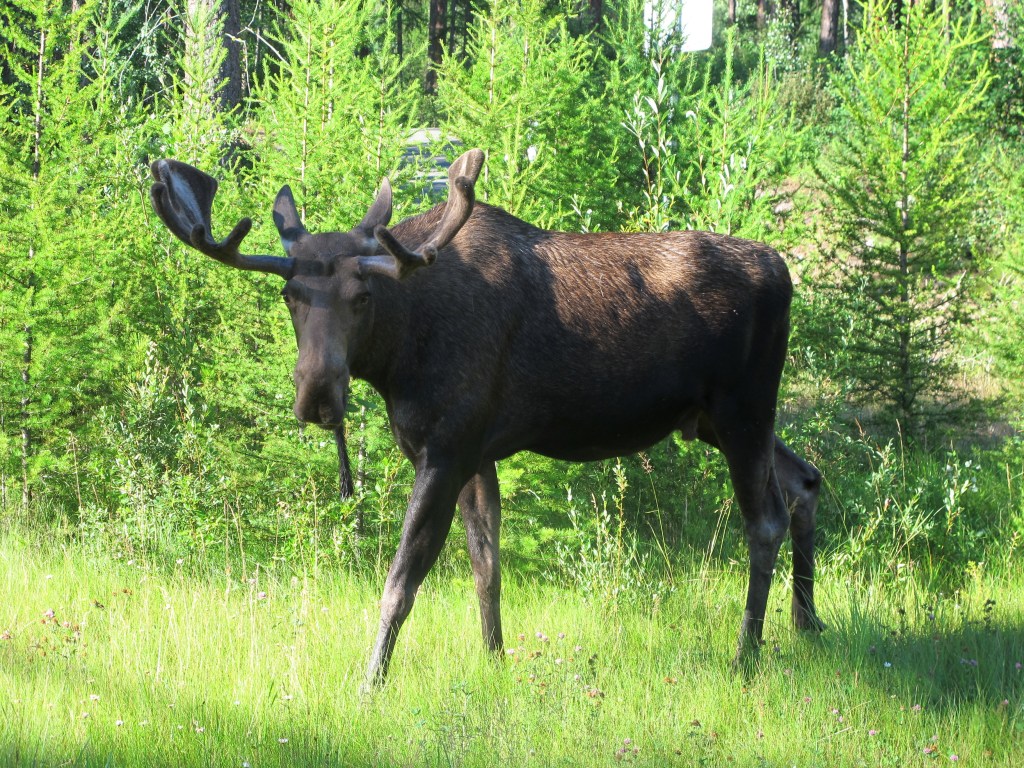
Species Profile — Moose
When we think of wetland species we often think of animals such as birds, amphibians, and aquatic insects. However, wetlands are renowned for being an ecological hotspot that house a surprising list of tenants – one of them being moose. Moose (Alces alces) aren’t always thought of as a wetland species, but they’re frequently seen…
-

Assessing Road Impacts on Wetlands in Northern B.C.
Introducing BCWF’s RIWHA Tool Across British Columbia, roads and industrial infrastructure continue to reshape wetland ecosystems—this is especially true in northern B.C., where decades of hydroelectric development and land-use change have left lasting marks on the landscape. To better understand and respond to these impacts, the B.C. Wildlife Federation has launched a new tool: the…
-
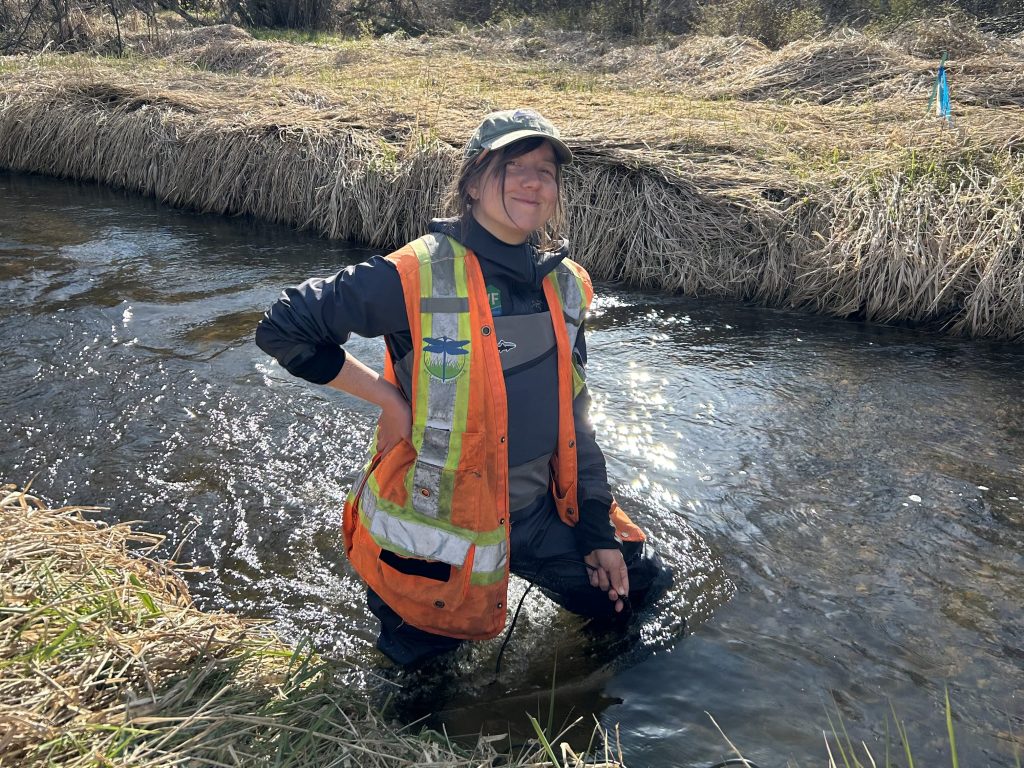
Supporting People, Supporting Watersheds
Celebrating Birch Matkowski’s R.P.Bio We’re proud to share that Birch Matkowski, a Jr. Restoration Biologist with the B.C. Wildlife Federation, recently earned her Registered Professional Biologist (R.P.Bio) designation. This is a major milestone in her career and a reflection of her dedication to conservation and restoration work across the province. Birch joined our team in…
-
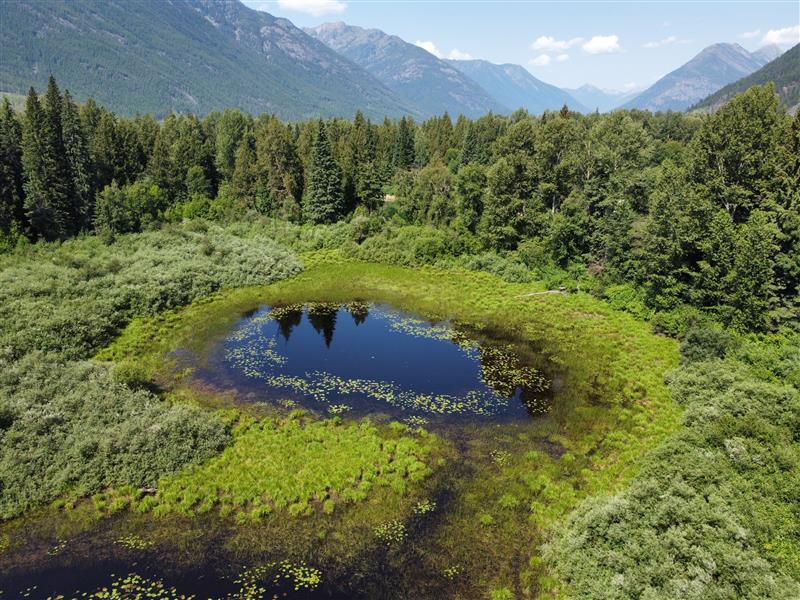
Using Laws and Legislation to Protect Your Wetlands
Have you ever seen someone filling in, draining, or destroying a wetland and wondered, “are they allowed to do that?!“ Maybe it’s your neighbor harming a wetland on their private property and you have concerns about it. Or, maybe there’s a new development proposed that will pollute your favorite wetland. Now that the value of natural ecosystems is becoming more appreciated and understood as a critical component of our landscape, it is important to learn how we…
-
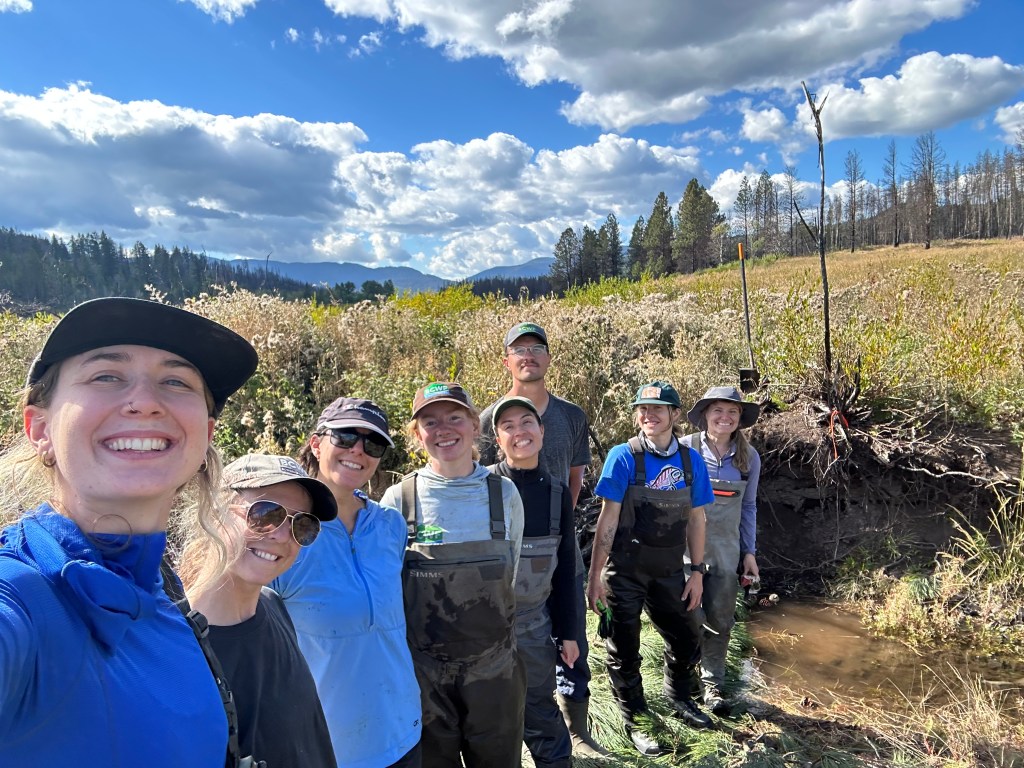
Happy International Day of Women and Girls in Science!
Today, February 11, 2025, is the tenth annual United Nations International Day of Women and Girls in Science. About three quarters of the staff at the B.C. Wildlife Federation are women, all of whom work hard to restore habitat, protect watersheds, advocate for fish and wildlife conservation, and enhance conservation awareness across the province. The BCWF…
-
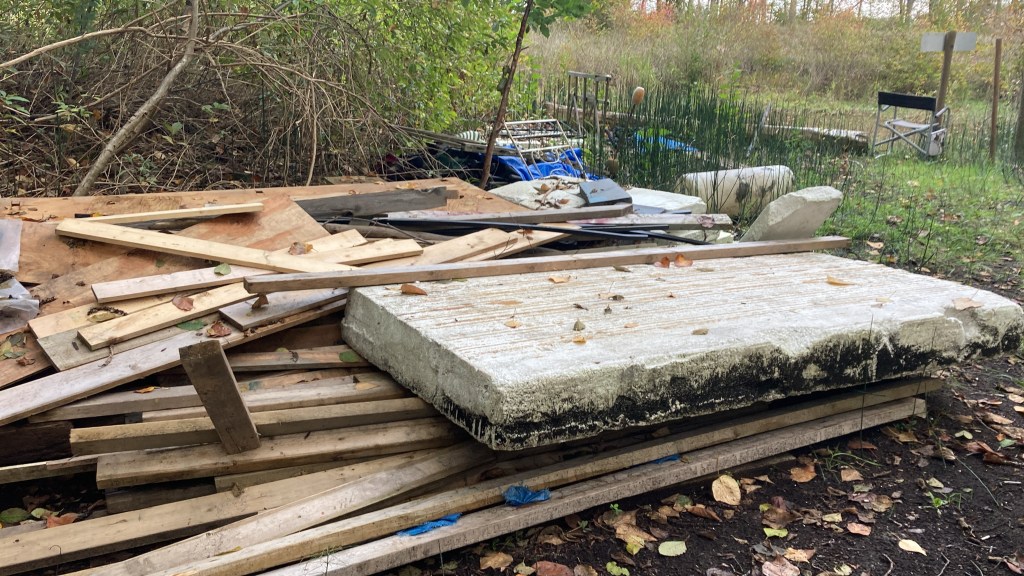
Microplastics Are No Small Problem
Microplastics are everywhere—floating in our waterways, drifting through the air we breathe, and settling in delicate ecosystems. These tiny plastic particles aren’t just a concern for humans, who unknowingly consume thousands of them daily; they’re also invading fish and wildlife habitats, disrupting food chains and threatening biodiversity. But what exactly are microplastics, and why do…
-
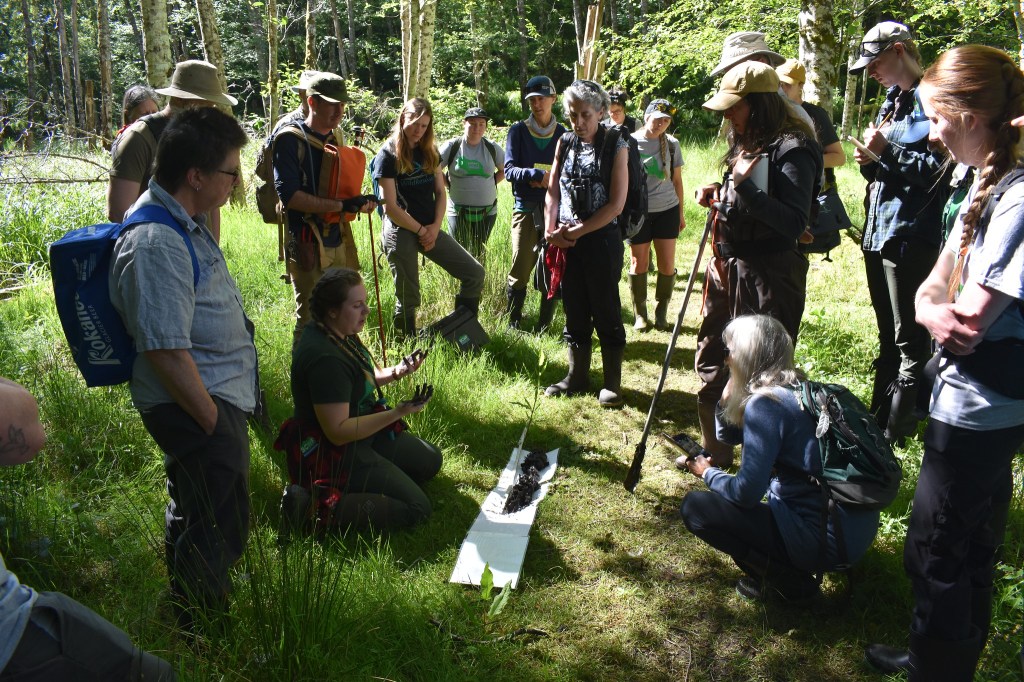
Keeping up with the Wetlands — A Summer of Wetland Exploration
With fall weather in full swing, it’s time to look back on some of the educational workshops the BCWF’s Wetlands Education Program (WEP) ran this summer! From exploring fens and marshes, to swamps and other wetlands, the WEP team connected with passionate individuals and local projects across coastal B.C. To kick off our summer season,…
 BCWF Watershed Team