
Tag: Conservation
-

Understanding Beaver Dam Analogues — Q&A with Jennifer Rogers
Restoring streams, floodplains, and wetlands doesn’t always require heavy machinery. Sometimes, simple, nature-based solutions are the most effective. That’s the idea behind low-tech process-based restoration (LTPBR)—an approach that uses natural materials and processes to support ecosystem recovery. Two widely used techniques involve building simple, hand-crafted structures inspired by nature: Beaver Dam Analogues (BDAs) and Post-Assisted…
-
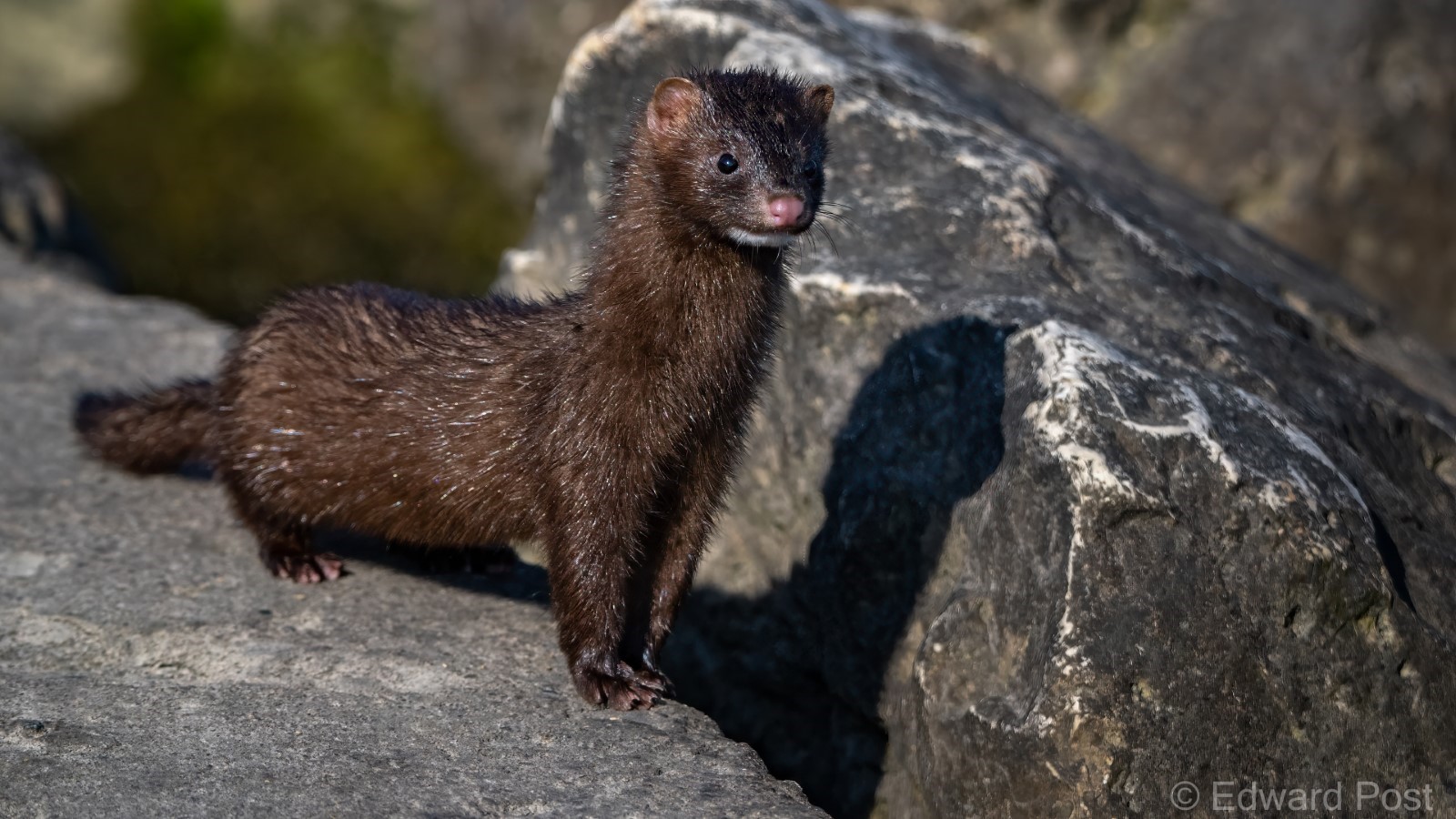
Species Profile — American Mink
The American Mink (Neovison vison) is an intriguing and often overlooked member of British Columbia’s wetland ecosystems. Native to North America, its range has expanded to Europe—and, to a lesser extent, parts of South America—largely due to fur farming and accidental or intentional releases. While it resembles a typical weasel, its larger, more robust form…
-
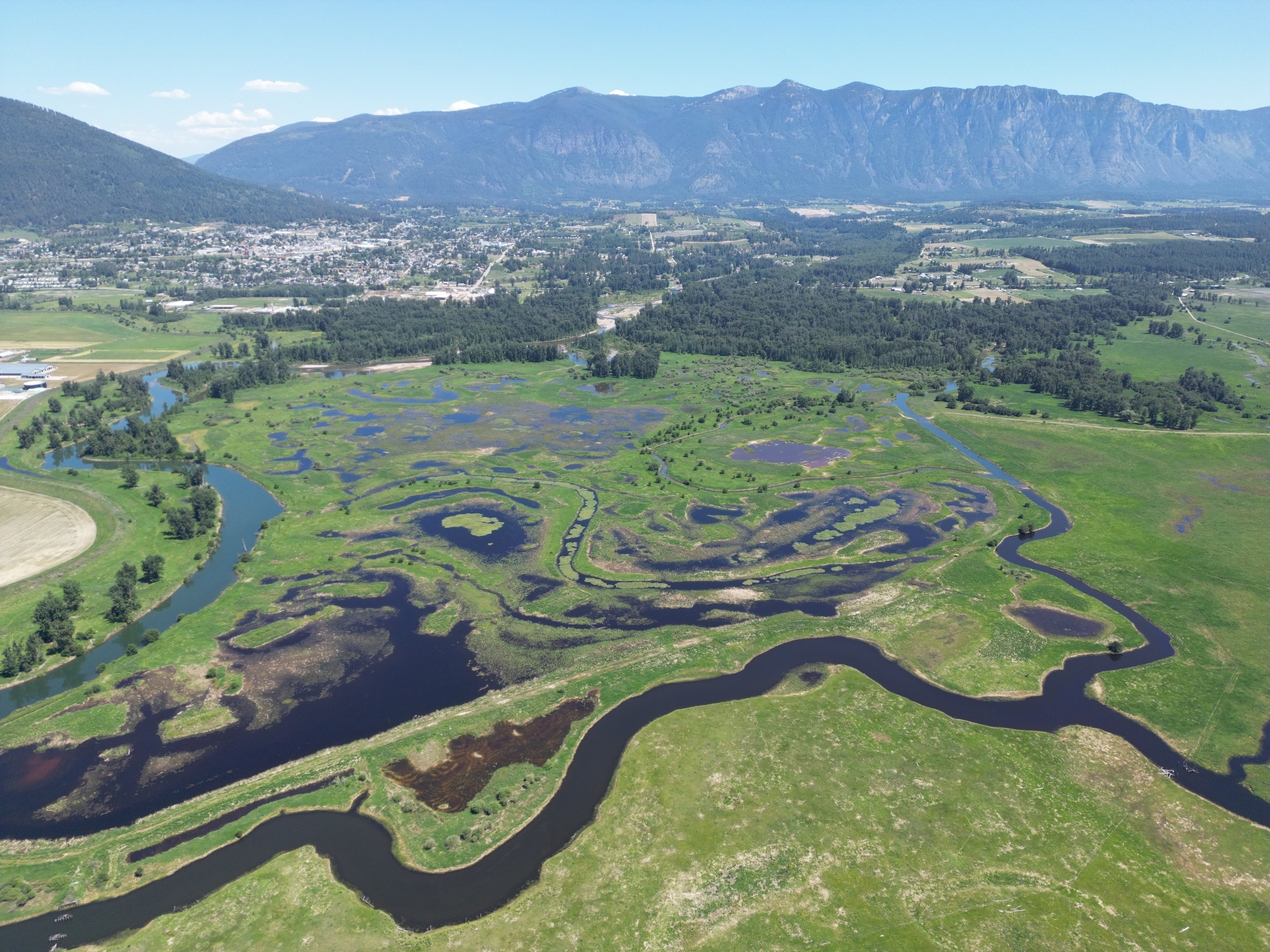
Reviving the Land — The Yaqan Nukiy Wetland Renaturalization Project
What happens when you let the land lead? In B.C.’s central Kootenay region, a wetland revitalization project led by the Yaqan Nukiy People (Lower Kootenay Band) is showcasing exactly that. Guided by millennia of Indigenous knowledge, the Yaqan Nukiy Wetland Project is one of the most ambitious restoration efforts in Canada. With a focus on…
-
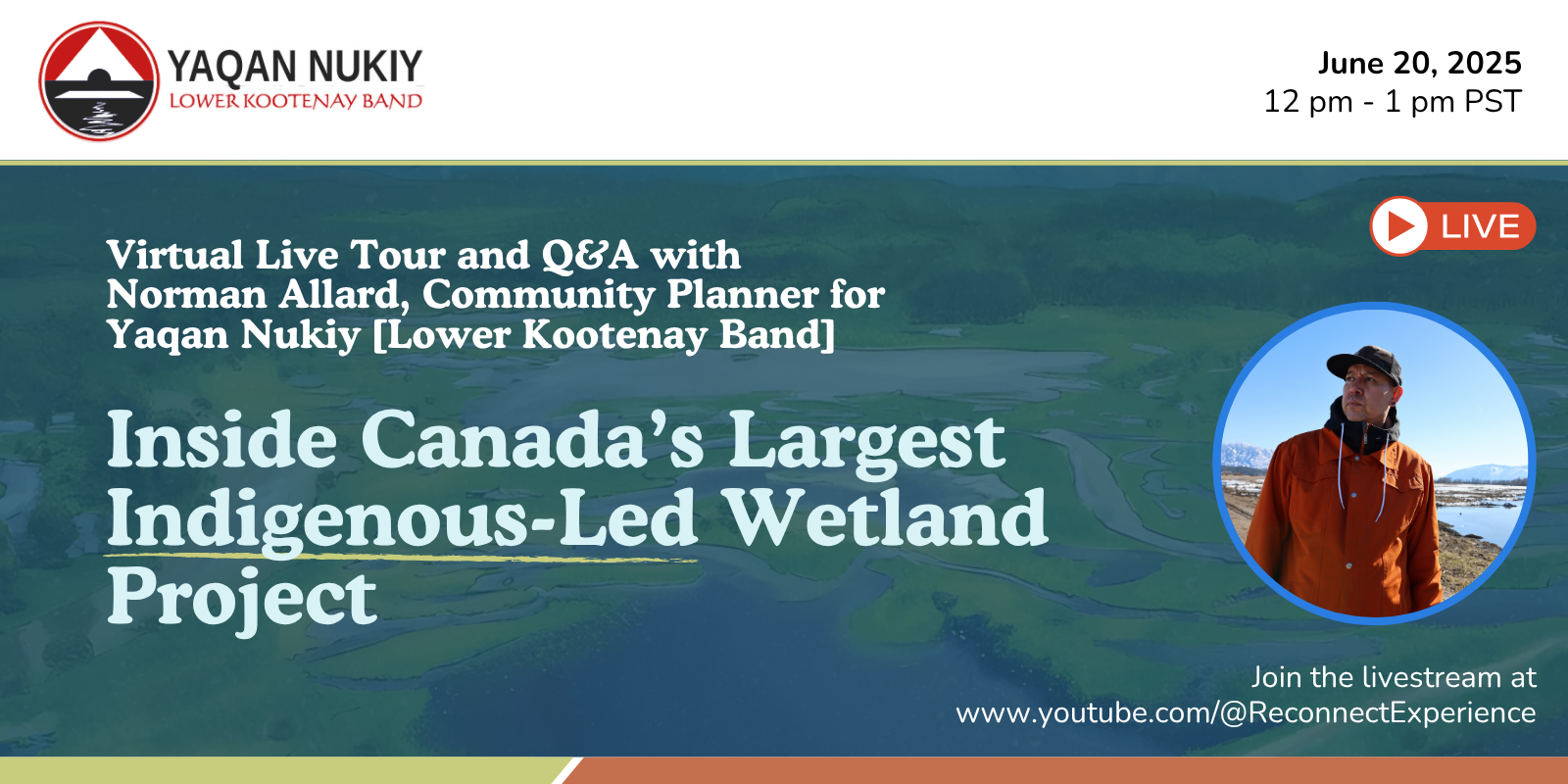
Upcoming Event — Virtual Tour of Canada’s Largest Indigenous-Led Wetland Restoration
Event Cancelled — Please check Norman Allard’s LinkedIn profile for rescheduling updates in the coming weeks. Inside Canada’s Largest Indigenous-Led Wetland Project Virtual Live Tour and Q&A with Norman Allard, Community Planner for Yaqan Nukiy (Lower Kootenay Band) Date: June 20, 2025Time: 12:00 p.m. – 1:00 p.m. PSTWhere to watch: www.youtube.com/@ReconnectExperience Join Norman Allard, Community Planner…
-
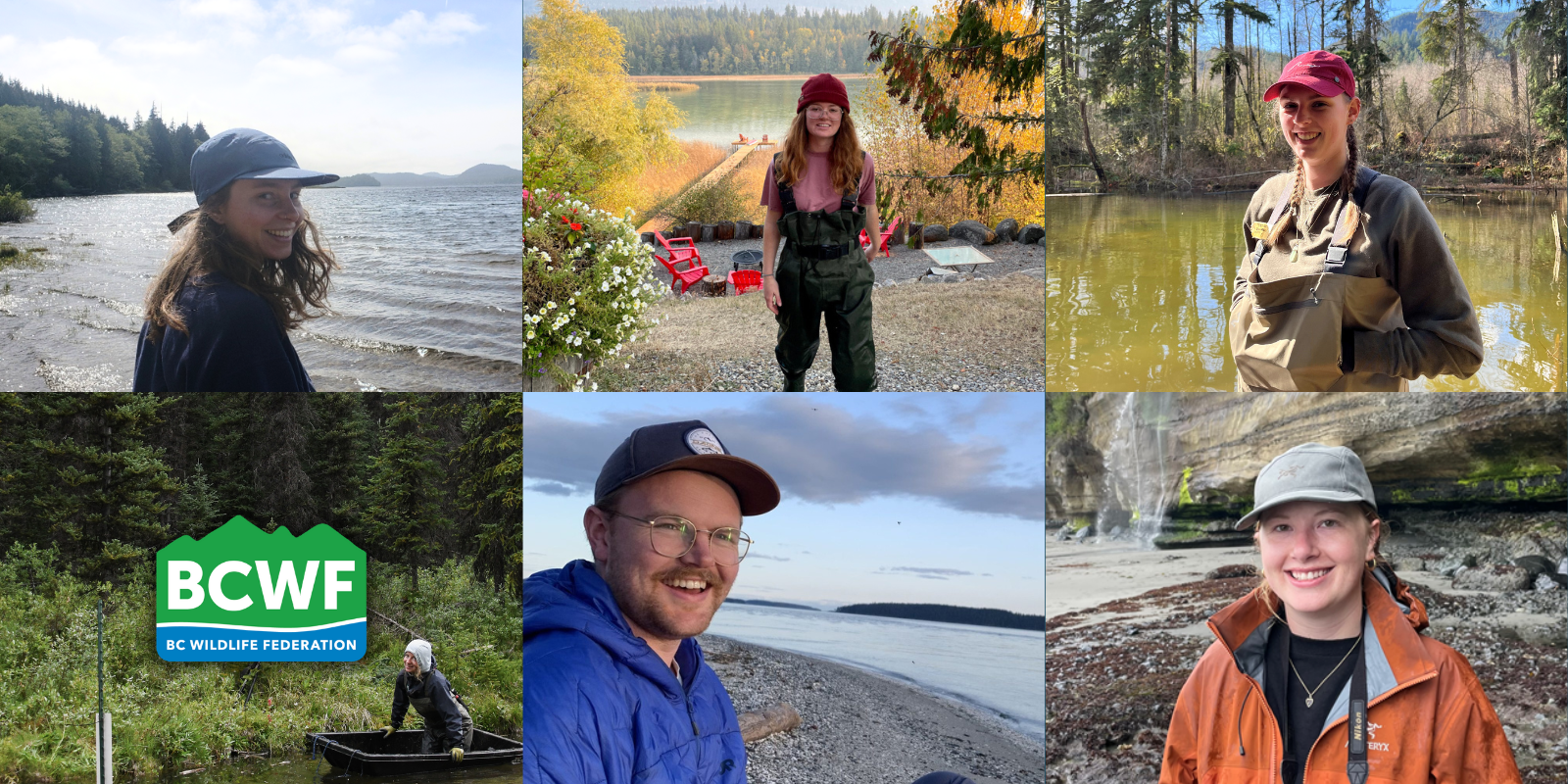
Welcome to the Team! Meet Our New & Returning Conservation Stewardship Staff
As the summer field season kicks off, we’re excited to welcome back several dedicated members—and introduce one new face—to the B.C. Wildlife Federation’s Watershed Team (aka the Conservation Stewardship department)! Sabine Rankin – Junior Restoration Technician Welcome to the team, Sabine! Sabine Rankin holds a B.Sc. in Biological Sciences from Simon Fraser University with a…
-
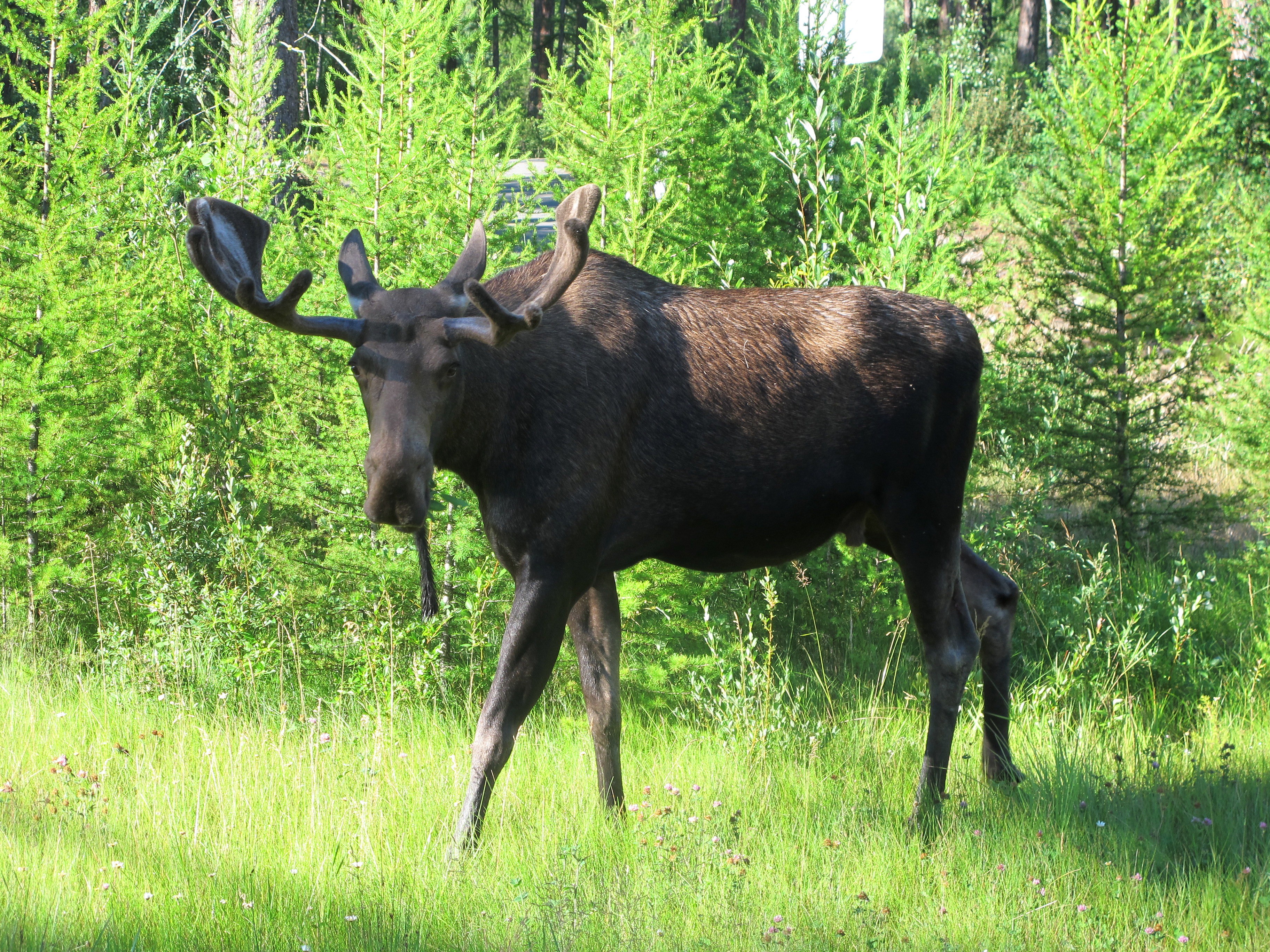
Species Profile — Moose
When we think of wetland species we often think of animals such as birds, amphibians, and aquatic insects. However, wetlands are renowned for being an ecological hotspot that house a surprising list of tenants – one of them being moose. Moose (Alces alces) aren’t always thought of as a wetland species, but they’re frequently seen…
-

Assessing Road Impacts on Wetlands in Northern B.C.
Introducing BCWF’s RIWHA Tool Across British Columbia, roads and industrial infrastructure continue to reshape wetland ecosystems—this is especially true in northern B.C., where decades of hydroelectric development and land-use change have left lasting marks on the landscape. To better understand and respond to these impacts, the B.C. Wildlife Federation has launched a new tool: the…
-

World Migratory Bird Day 2025 — Creating Bird-Friendly Communities Across the Pacific Flyway
Each year, World Migratory Bird Day unites people across the globe in celebrating one of nature’s most awe-inspiring phenomena—the seasonal movement of billions of birds across vast distances. In 2025, the focus is on how we can make our communities—rural and urban alike—safer, healthier, and more welcoming for migratory birds. When Is World Migratory Bird…
-
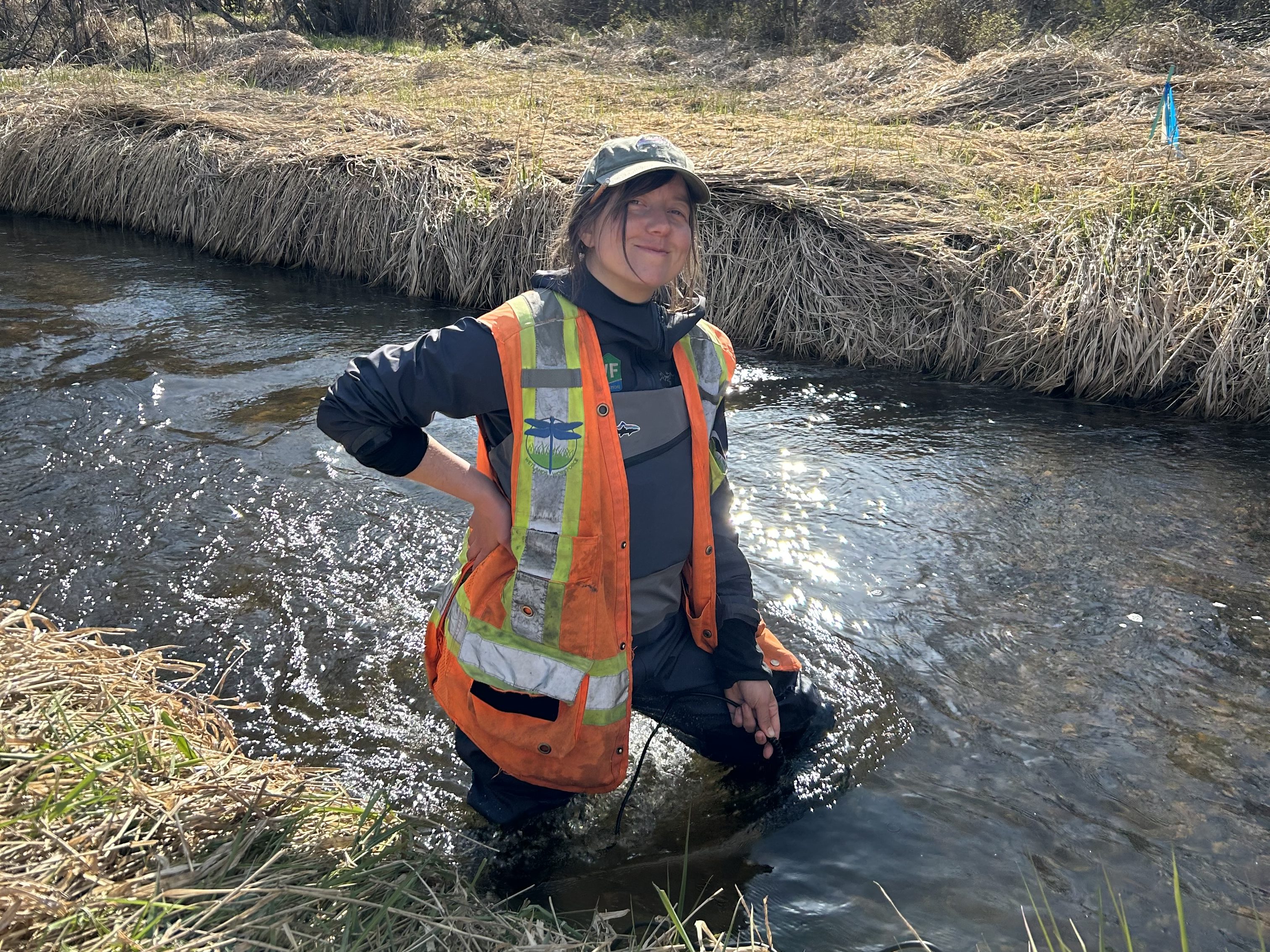
Supporting People, Supporting Watersheds
Celebrating Birch Matkowski’s R.P.Bio We’re proud to share that Birch Matkowski, a Jr. Restoration Biologist with the B.C. Wildlife Federation, recently earned her Registered Professional Biologist (R.P.Bio) designation. This is a major milestone in her career and a reflection of her dedication to conservation and restoration work across the province. Birch joined our team in…
-
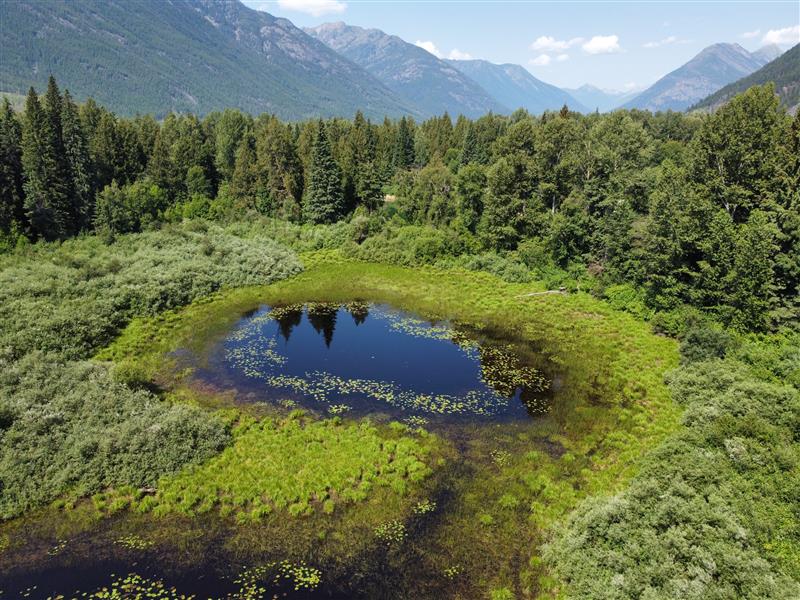
Using Laws and Legislation to Protect Your Wetlands
Have you ever seen someone filling in, draining, or destroying a wetland and wondered, “are they allowed to do that?!“ Maybe it’s your neighbor harming a wetland on their private property and you have concerns about it. Or, maybe there’s a new development proposed that will pollute your favorite wetland. Now that the value of natural ecosystems is becoming more appreciated and understood as a critical component of our landscape, it is important to learn how we…