
Tag: birding
-
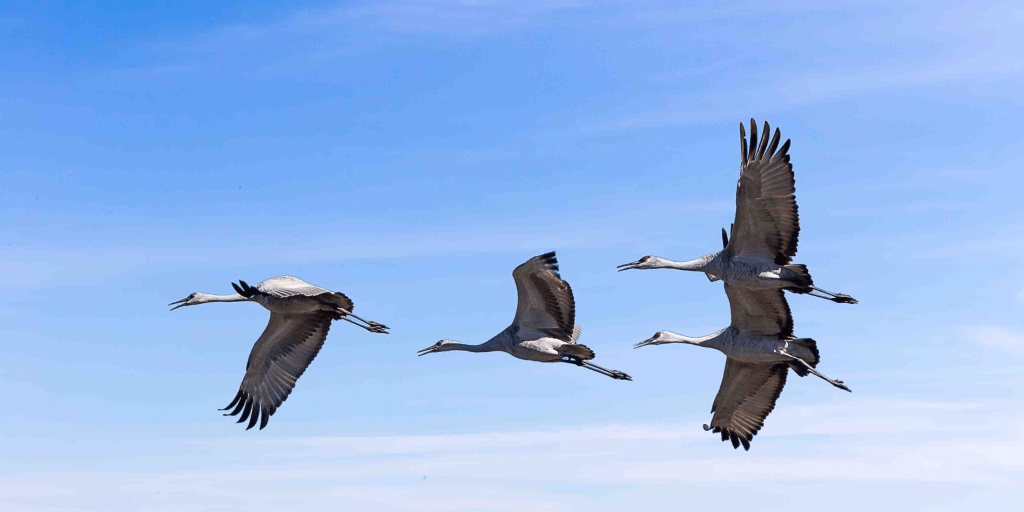
World Migratory Bird Day 2025 — Creating Bird-Friendly Communities Across the Pacific Flyway
Each year, World Migratory Bird Day unites people across the globe in celebrating one of nature’s most awe-inspiring phenomena—the seasonal movement of billions of birds across vast distances. In 2025, the focus is on how we can make our communities—rural and urban alike—safer, healthier, and more welcoming for migratory birds. When Is World Migratory Bird…
-
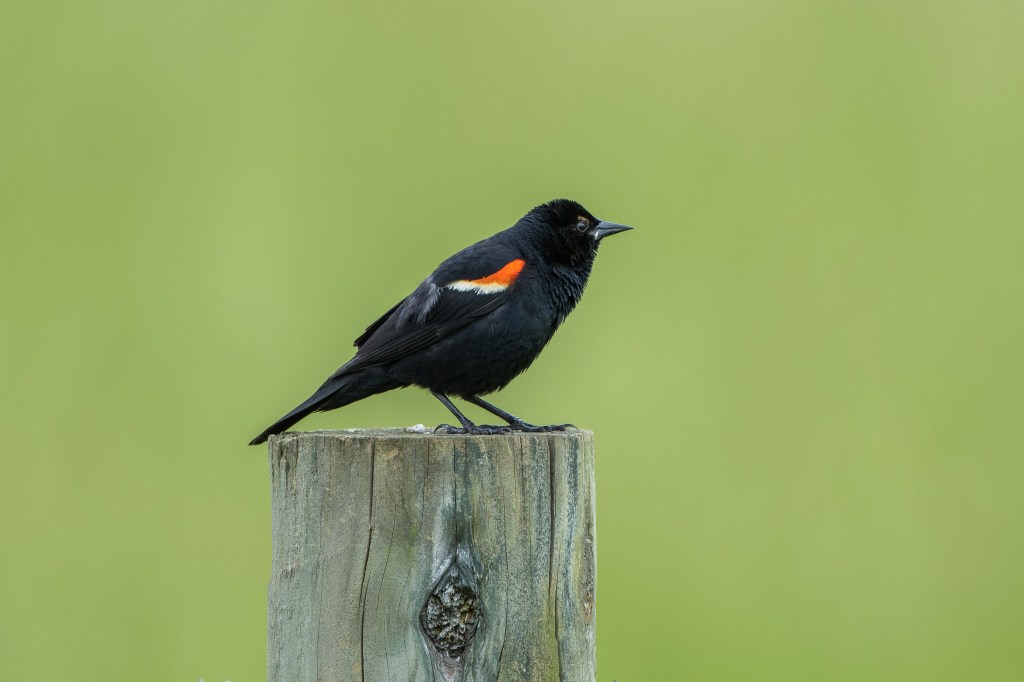
Species Profile — Red-winged Blackbird
We often see them dancing on telephone wires or hear their song as spring returns. The red-winged blackbird (Agelaius phoeniceus) is one of the most common birds in North America, with a range stretching coast to coast across southern Canada. As is often the case in nature, the sleek black body and vibrant red-and-yellow shoulder…
-

Species Profile — Belted Kingfisher
The Belted Kingfisher (Megaceryle alcyon) is a medium-sized bird commonly found near rivers, lakes, estuaries, and wetlands across North America. Ranging from 28 to 30 cm in height, with a wingspan of 48 to 58 cm, this striking species is known for its shaggy crest, sharp dagger-like bill, and loud, mechanical rattle call. Its plumage…
-
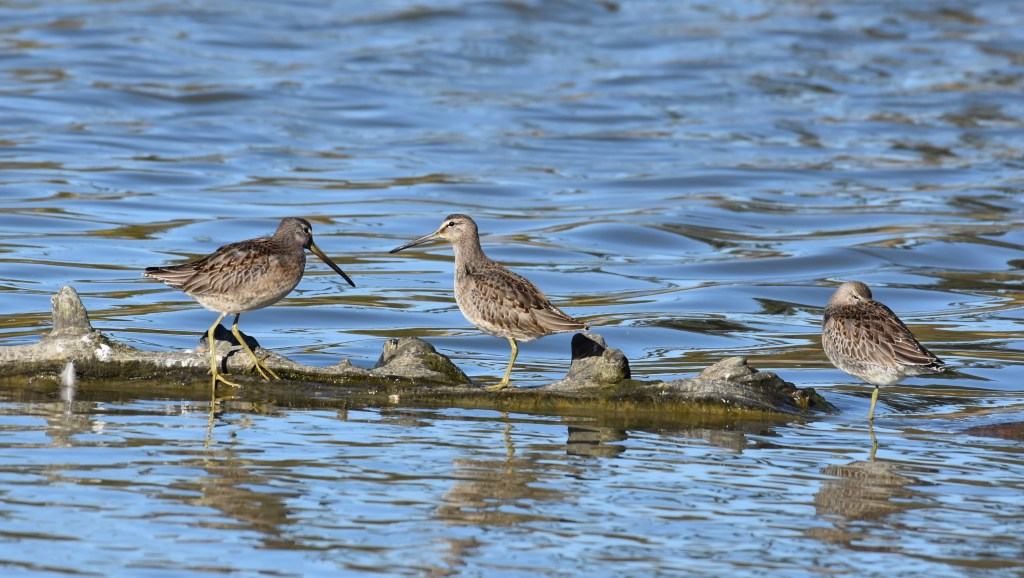
Species Profile — Long-Billed Dowitcher
The long-billed dowitcher (Limnodromus scolopaceus) is a medium-to-large shorebird often seen in British Columbia during its fall migration along the Pacific Flyway. Though less commonly spotted in winter, some individuals remain in southern parts of the province before continuing their journey as far south as Central America during colder months. This species is a classic…
-
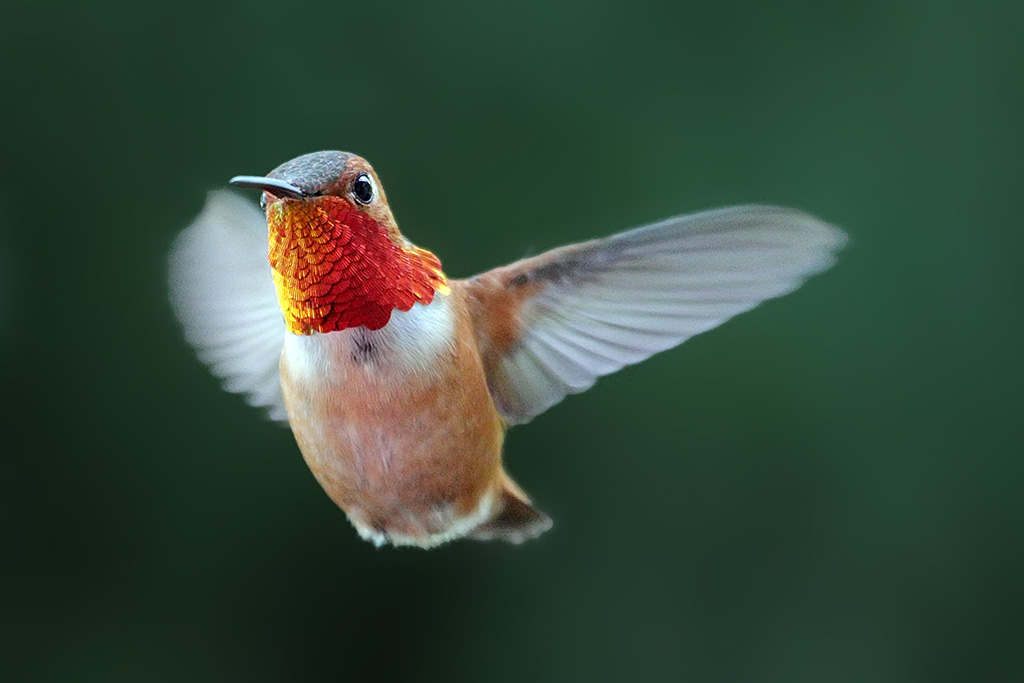
Species Profile — Rufous Hummingbird
Ah, the Rufous Hummingbird—a common yet seemingly rare bird that captures our attention and makes us stare in awe at its fiery feathers and futuristic flight. Their flight pattern is mesmerizing, darting and hovering in a way that resembles something like a spaceship. Given their status as such a captivating creature, let’s take a closer…
-
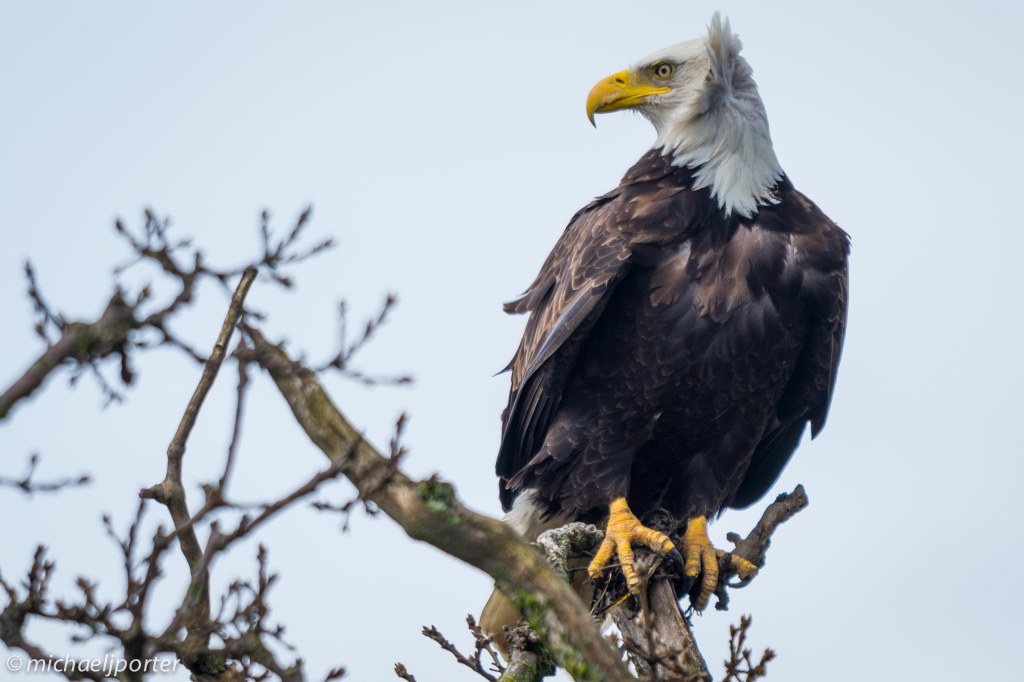
Species Profile — Bald Eagle
Question: What is up to 4 metres deep, 2.5 metres wide, and nearly one metric ton in weight? No, the answer we are looking for is not a boat. Rather, a bald eagle’s nest. With such incredible size, it is no surprise that it houses an incredibly large bird. bald eagles have a wingspan that reaches 2.3 metres,…
-
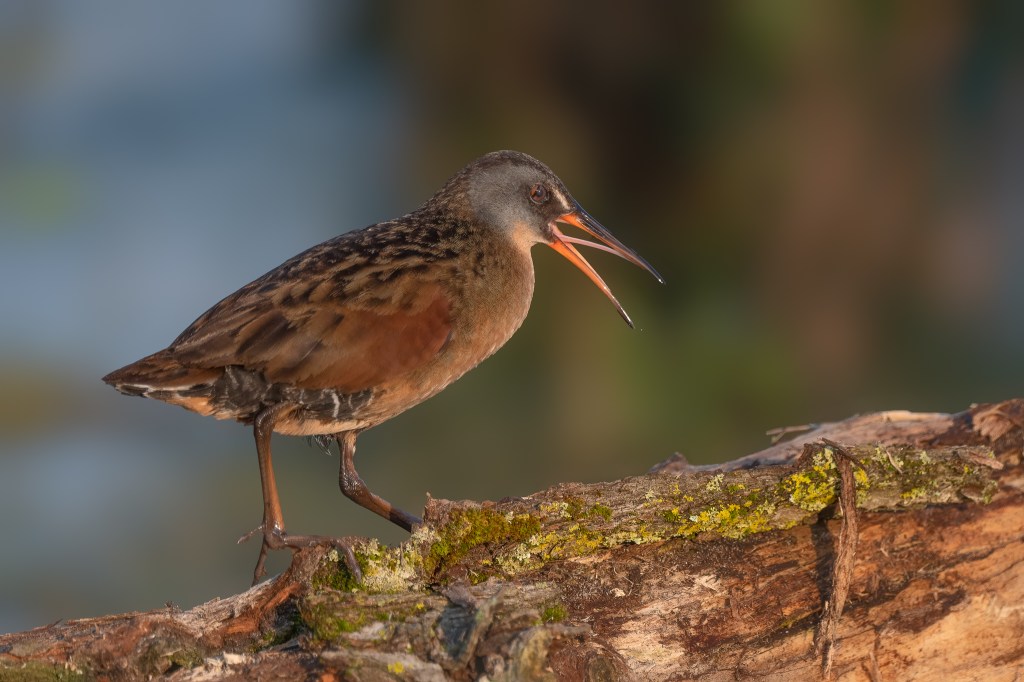
Species Profile — Virginia Rail
The Virginia Rail: a small, secretive bird of North American wetlands that inhabits southern British Columbia during the summer breeding months. Despite its rather compact body, the Virginia Rail (and other Rail species) have the highest ratio of leg muscles to flight muscles of any bird. Perhaps more fascinating is its creation of “dummy nests”,…
-
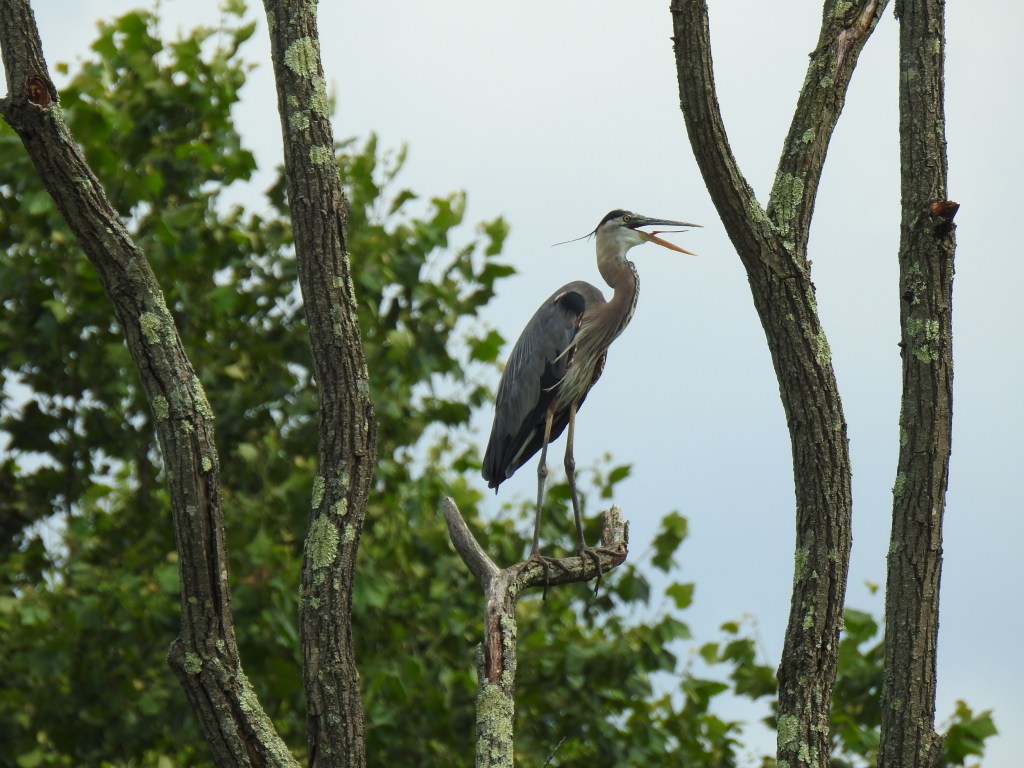
Species Profile — Great Blue Heron
Given how common they are around wetlands, it only makes sense to learn a bit about them. That way, the next time someone points one out, you’ll be able to rattle off a few fun facts and earn the title of Heron Expert—because really, who doesn’t want that? In British Columbia, two subspecies of Great…
-

Species Profile — American White Pelican
Every last member of our wetlands team voted for this shot of an American White Pelican (Pelecanus erythrorhynchos) to feature as our Photo of the Week. The bird certainly makes a striking impression both frozen in an image and when spotted in person. It was taken at the Scout Island Nature Centre in Williams Lake, BC this July by Tania…
 BCWF Watershed Team