Tag: BCWF
-
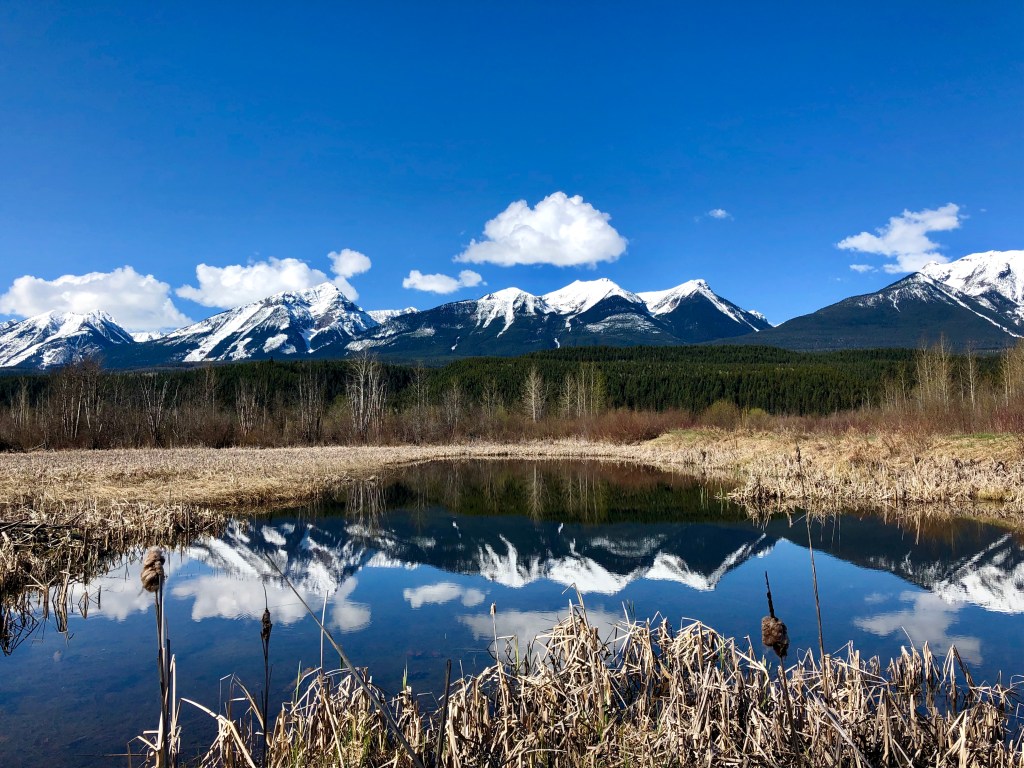
A Plan for Action — Restoring Moberly Marsh
Last week, the BCWF’s Wetlands Education Program (WEP) had the opportunity to take part in a planning session for the enhancement of Moberly Marsh located in Burges James Gadsden Provincial Park just west of Golden, BC. Moberly Marsh was previously managed by Ducks Unlimited Conservation (DUC). DUC has deemed that it is no longer cost effective to…
-
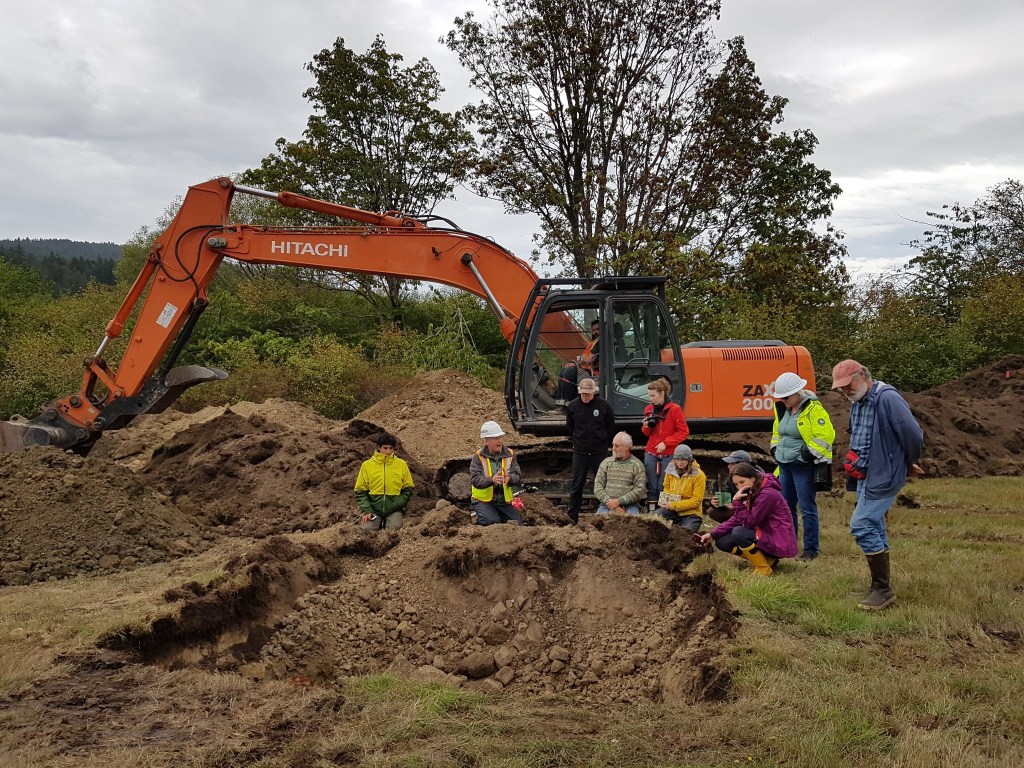
From Theory to Practice — Salt Spring Island Wetlands Institute 2018
Narrowly avoiding the Pacific Storms, the BCWF Wetlands Education Program (WEP) team was lucky to spend time away from our office in Surrey and in the safe haven of Salt Spring Island for the 16th annual Wetlands Institute. 23 enthusiastic participants from a mix of backgrounds, including: Non-profits, First Nations, Hobby Farmers, Consultants, Government, and Archaeologists,…
-
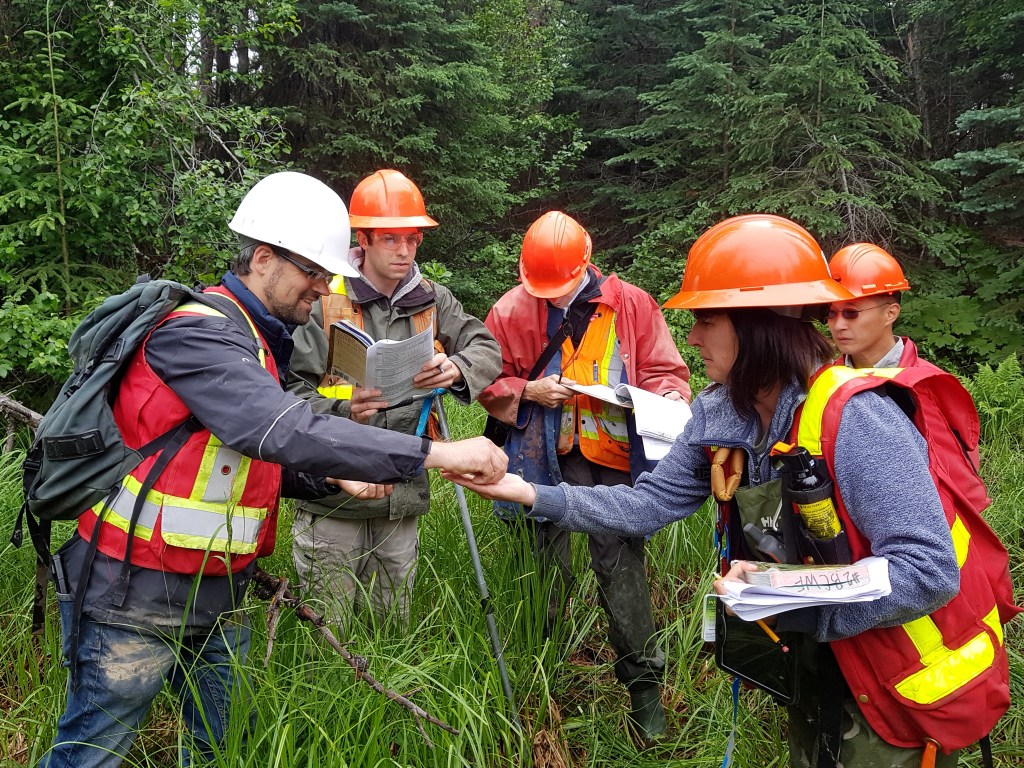
New Hope for Wetlands in B.C. — FREP Wetland Health Assessment
Earlier this year, the BCWF’s Wetlands Education Program received a contract from the Government of British Columbia to develop a protocol to assess the health of wetlands as part of the Forest and Range Evaluation Program (FREP). The protocol is designed to assess wetlands that have been impacted by forestry operations. However, there may be…
-
Touring the Interior — A Map our Marshes Double Feature
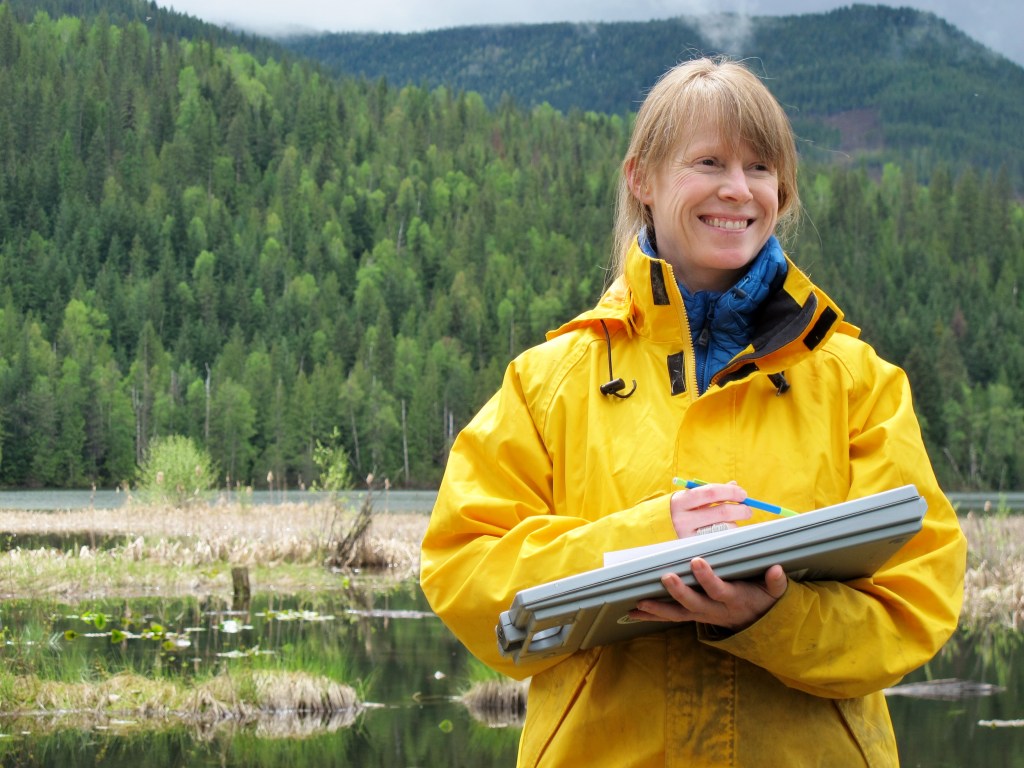
Nimbly avoiding the mounting floodwaters, the Wetlands Education Program team hosted two Map our Marshes workshops in Peachland (May 6) and Salmo (May 10), sandwiching a mélange of wetland site visits, presentations, and restoration prescriptions. Held in partnership with the Peachland Watershed Protection Alliance, the first workshop began in the charming “Little Schoolhouse” before proceeding…
-
Stars Align for 2017 Wetlands Institute — East Kootenays
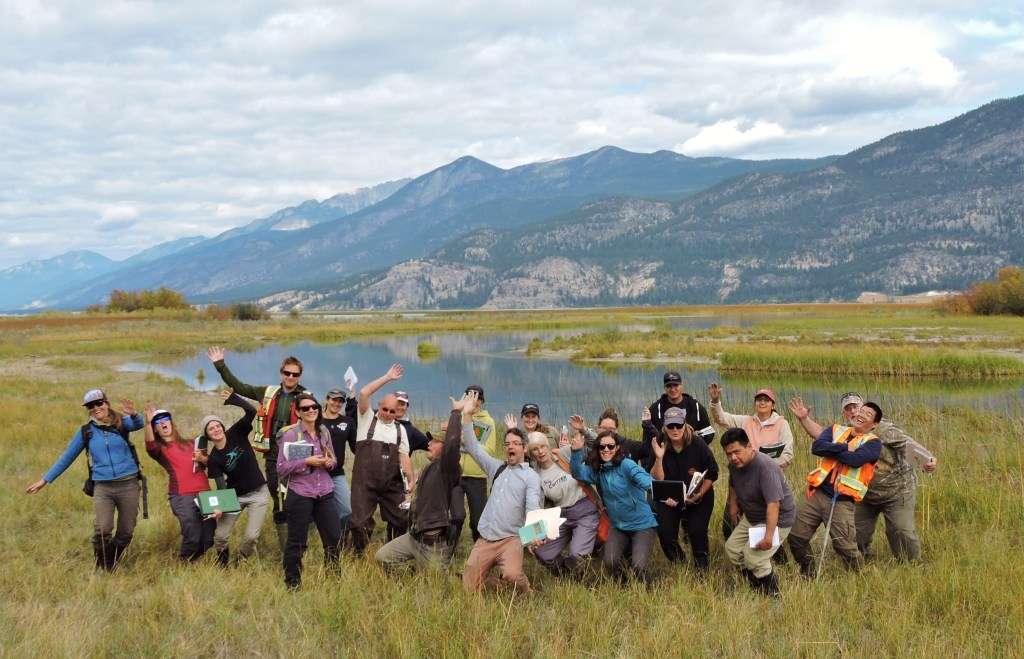
For most of the summer it appeared as though the 2017 Wetlands Institute may have had to make a drastic change in scheduling and, for the first time in history, proceed without any accompanying wetland restoration projects. With B.C. experiencing the worst wildfire season ever recorded, the three restoration projects that would have made the bulk…
-
Across the Lower Mainland — 2016 Wetlands Institute
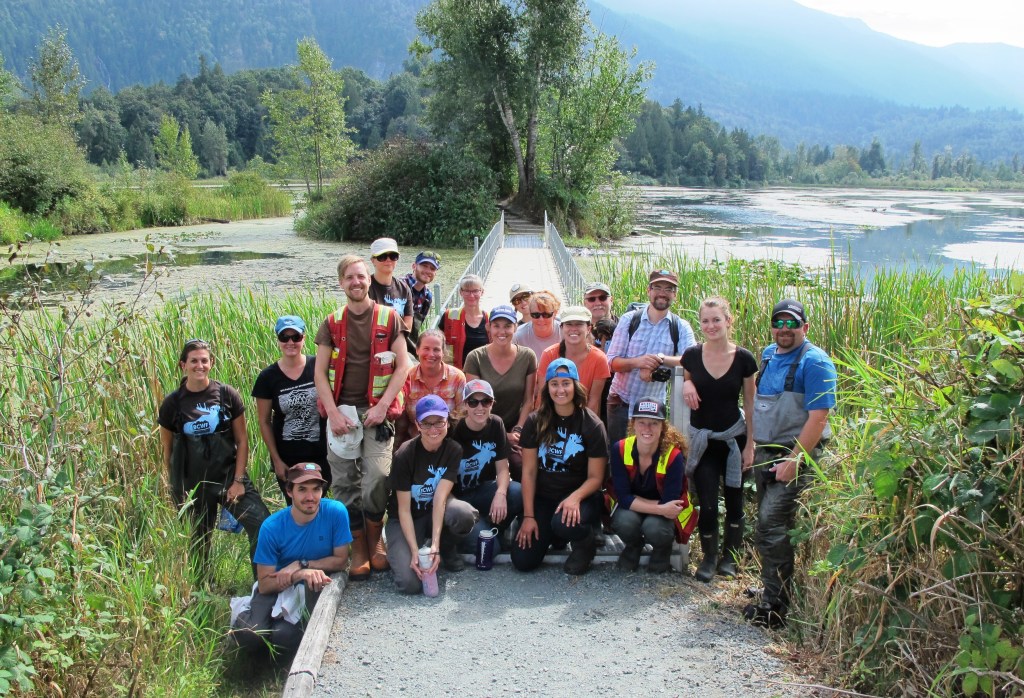
Did you know that up to 70% of wetlands have been lost in settled areas of Canada? In the Lower Mainland the number is even higher. Between 1827 and 1990, over 85% of wetlands were lost, mainly due to agriculture and development. With Metro Vancouver’s population expected to rise to 3.4million people by 2041 (that’s…
-
Species Profile — Belted Kingfisher
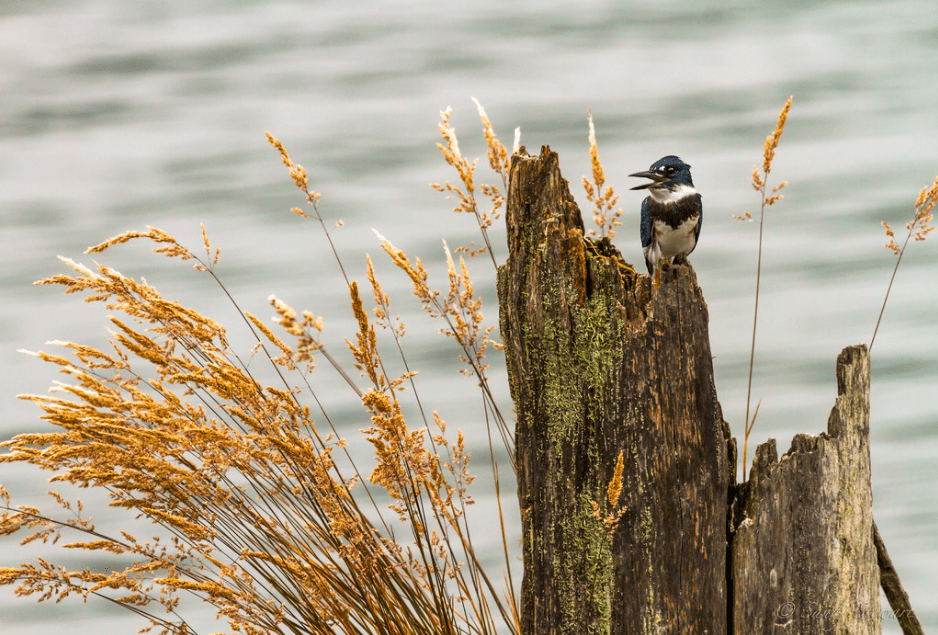
The Belted Kingfisher (Megaceryle alcyon) is a medium-sized bird commonly found near rivers, lakes, estuaries, and wetlands across North America. Ranging from 28 to 30 cm in height, with a wingspan of 48 to 58 cm, this striking species is known for its shaggy crest, sharp dagger-like bill, and loud, mechanical rattle call. Its plumage…
-
Restoring Wetlands in the Okanagan – 2015 Wetlands Institute
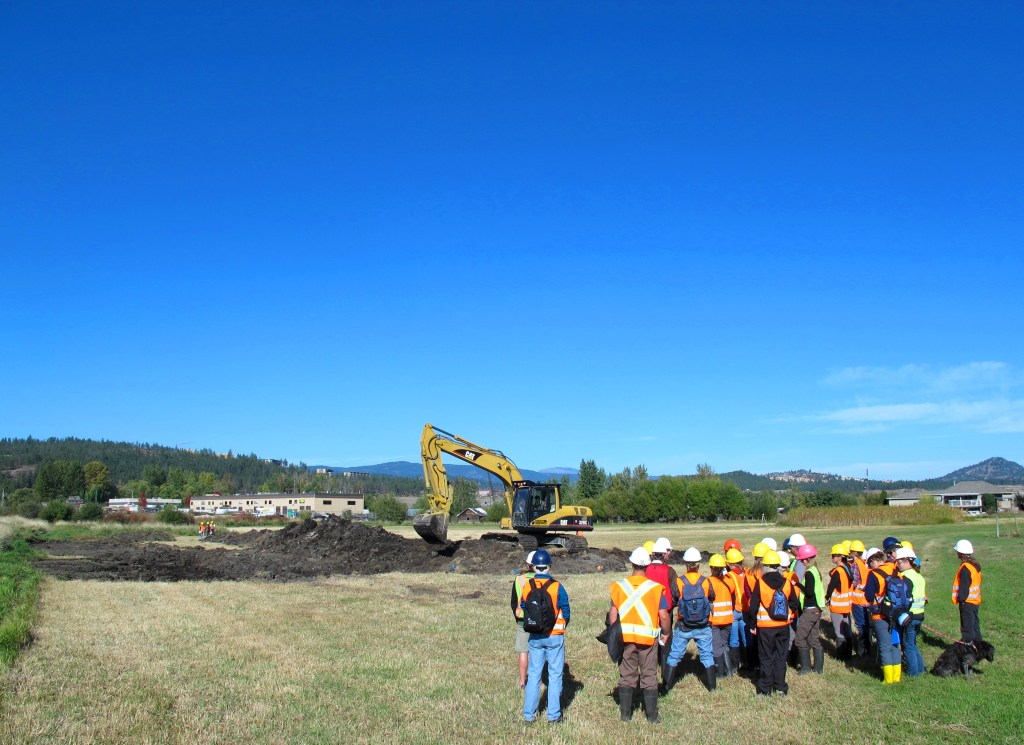
The passion for wetland restoration and protection drew participants from all over BC to the Okanagan to attend the BC Wildlife Federation’s 13th Wetlands Institute, aiming to gain the skills and knowledge needed to complete their own wetland projects. We had quite the range of participants including Biologists, Landscape Technologists and Architects, Environmental Planners, Coordinators,…
-
Species Profile — Grizzly Bear
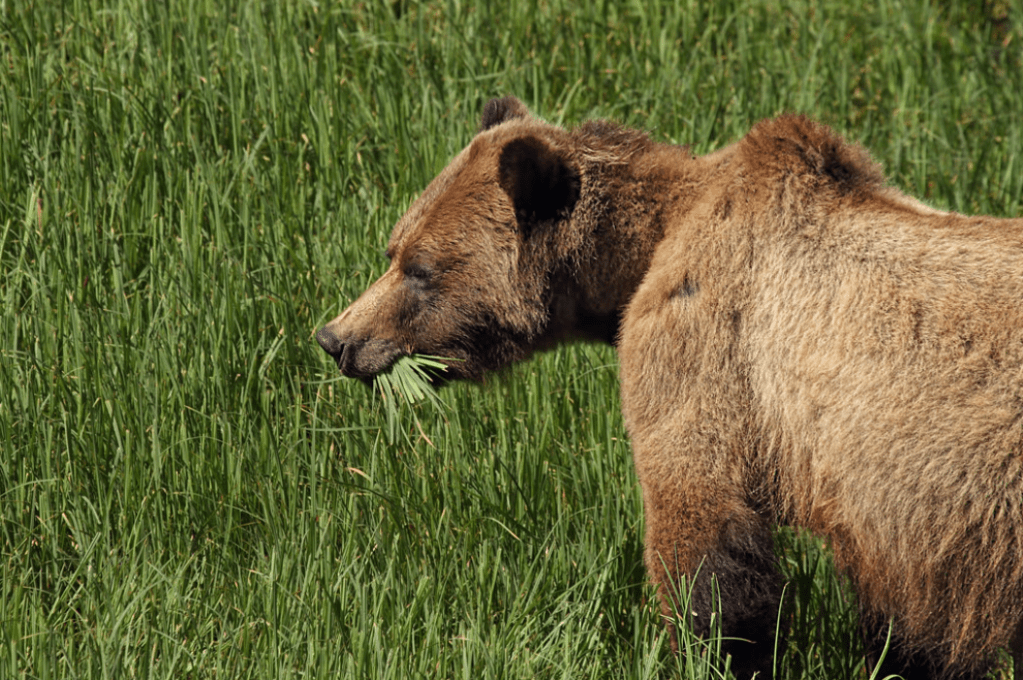
Grizzly bears are one of British Columbia’s most iconic and ecologically vital species. These powerful mammals are a subspecies of the brown bear. While both are part of the same species (Ursus arctos), grizzly bears are specifically known as Ursus arctos horribilis. In other words, all grizzlies are brown bears, but not all brown bears…
-

Wetlands Institute 2014 — East Vancouver Island
In 2014, the BC Wildlife Federation’s Wetlands Institute brought 30 passionate participants to Vancouver Island for a seven-day, hands-on workshop that spanned Duncan, Nanaimo, and Courtenay. Throughout the week, participants learned practical skills to restore and build wetlands in their own communities. By the end of the training, four existing wetlands had been restored and…
 BCWF Watershed Team