Tag: BCWF
-
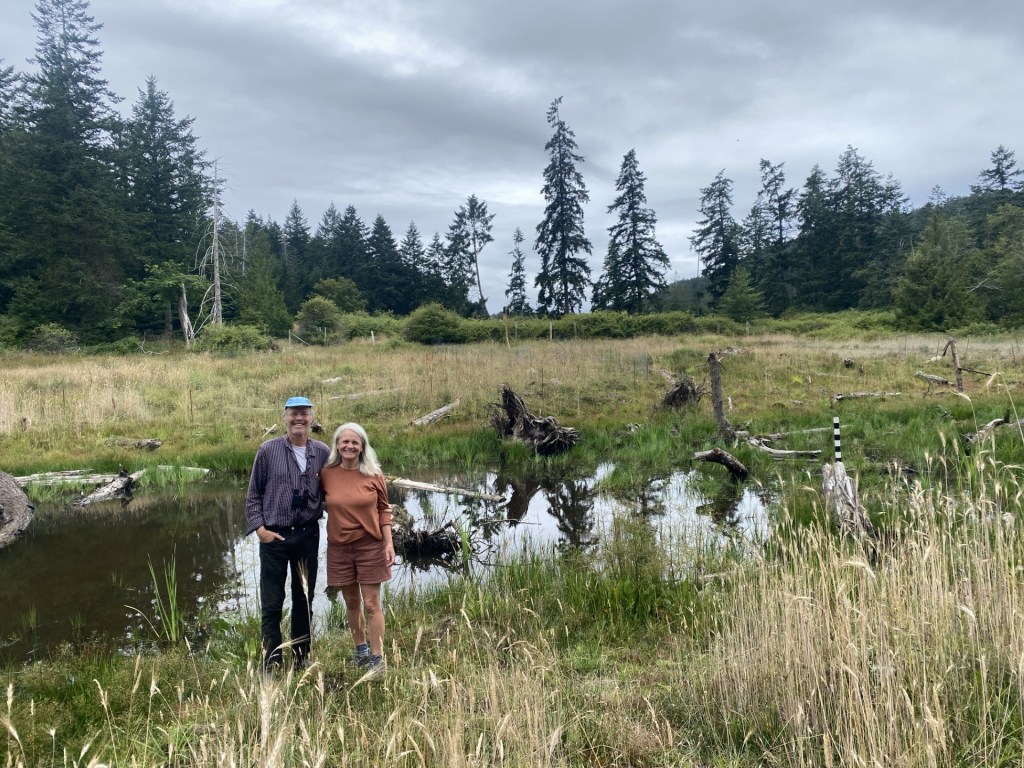
Wetland Revival on Pender Island Thanks to Local Landowners
Not all restoration happens in parks or protected areas. Increasingly, it’s private landowners who hold the key to restoring important habitats. On South Pender Island, one such restoration project has transformed a former soggy grazed field into an emerging wetland, showing how individual stewardship can help reverse habitat loss and support species at risk. In…
-
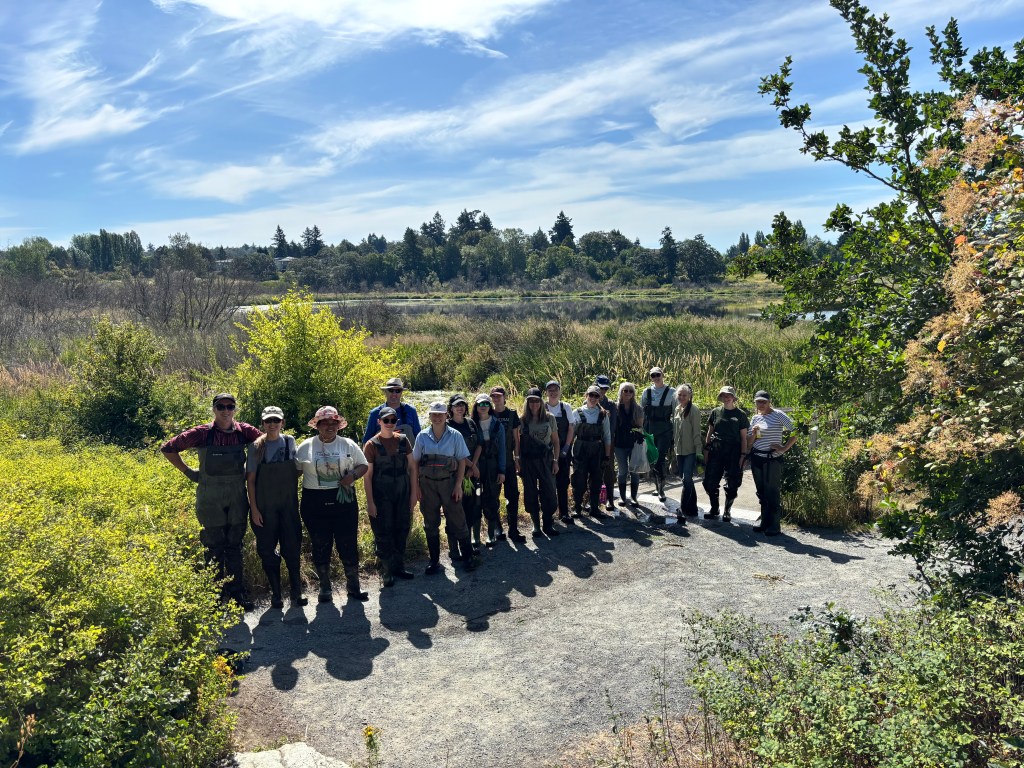
Building Wetland Stewardship Skills in Victoria B.C.
This July, the B.C. Wildlife Federation’s Wetland Education Program (WEP) facilitated a 2.5‑day Wetlandkeepers workshop in Victoria, B.C., in partnership with the Bilston Watershed Habitat Protection Association and Swan Lake Nature Sanctuary at Swan Lake Christmas Hill Nature Sanctuary—a living classroom rich with native plants, visiting and resident birds, and even a Western Painted Turtle.…
-
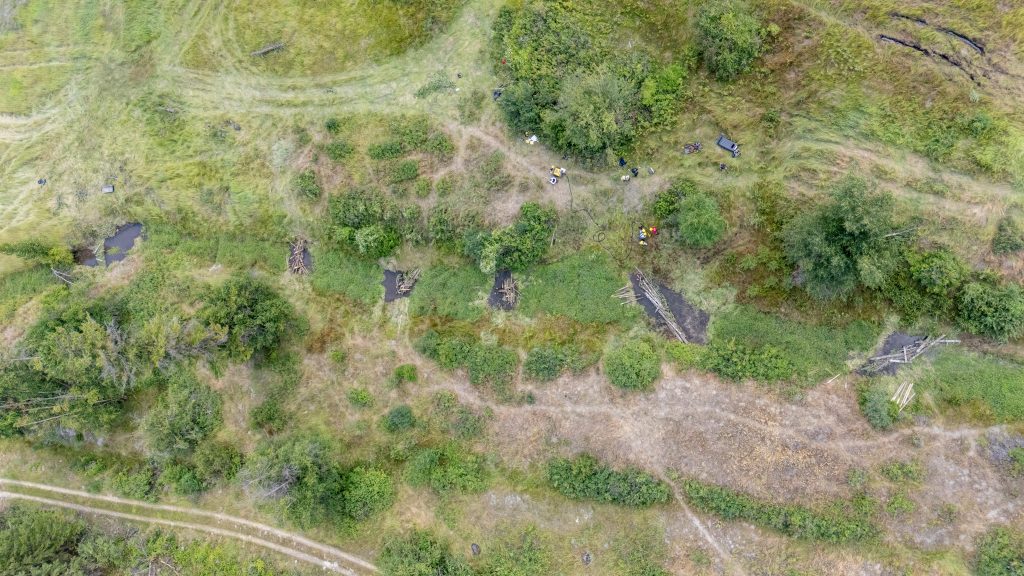
Kicking Off 2025 with Hands on Restoration and Training in the South Okanagan
The South Okanagan is one of the driest regions in British Columbia, yet it’s full of life. Alongside vibrant vineyards, sparkling lakes, and rolling grasslands, the region is home to an incredible diversity of fish and wildlife that flourish where water flows. From the smallest stream to the quietest wetland to the broadest lake, these…
-
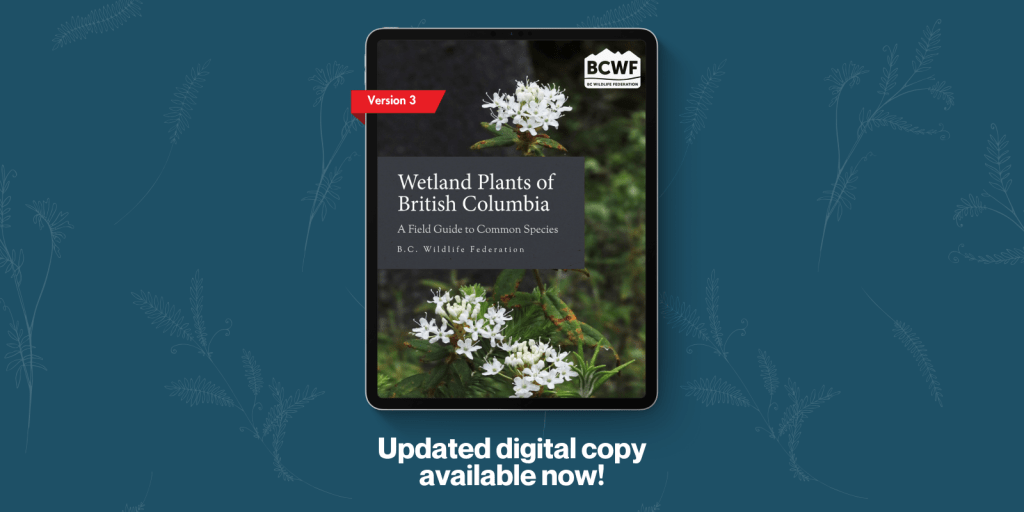
Now Available! Wetland Plants of British Columbia, Version 3
We’re excited to announce that Wetland Plants of British Columbia, Version 3 is now published and available for free download! Wetlands are essential ecosystems in British Columbia—rich in biodiversity and home to a wide variety species. This guide introduces common indicator species found in wetland habitats across the province and is designed to support users…
-
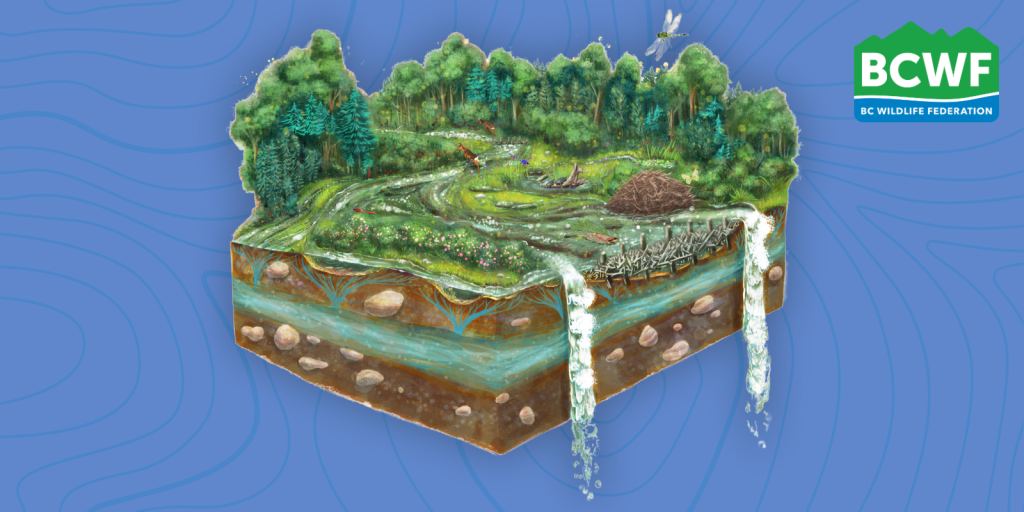
Understanding Beaver Dam Analogues — Q&A with Jennifer Rogers
Restoring streams, floodplains, and wetlands doesn’t always require heavy machinery. Sometimes, simple, nature-based solutions are the most effective. That’s the idea behind low-tech process-based restoration (LTPBR)—an approach that uses natural materials and processes to support ecosystem recovery. Two widely used techniques involve building simple, hand-crafted structures inspired by nature: Beaver Dam Analogues (BDAs) and Post-Assisted…
-
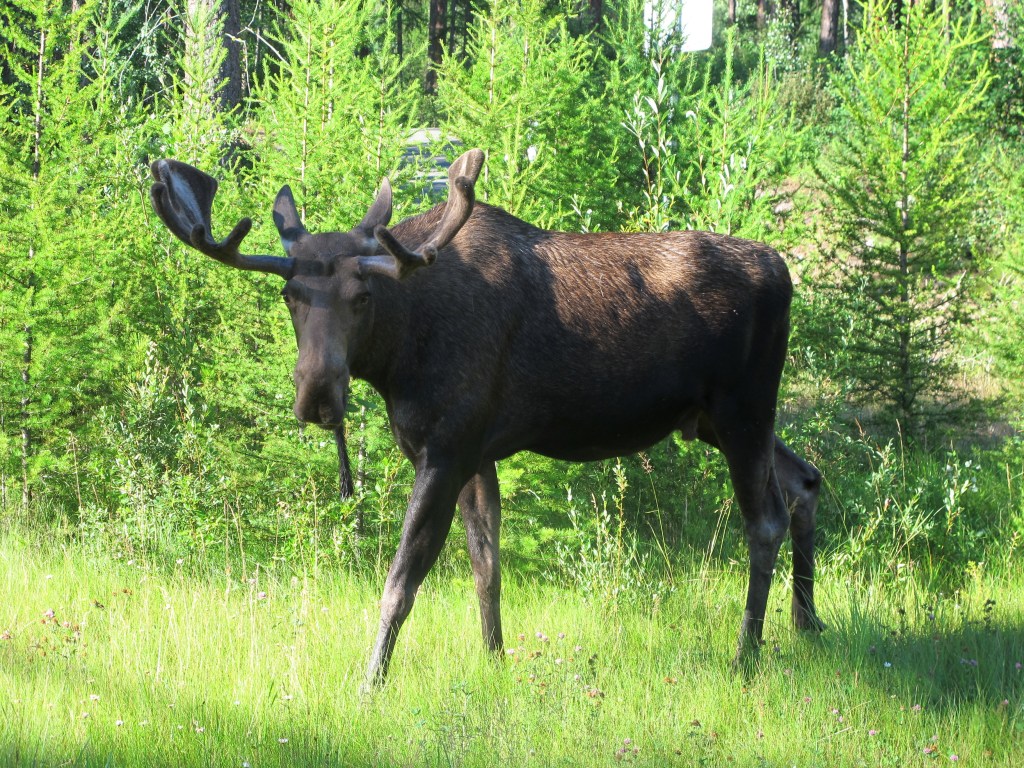
Species Profile — Moose
When we think of wetland species we often think of animals such as birds, amphibians, and aquatic insects. However, wetlands are renowned for being an ecological hotspot that house a surprising list of tenants – one of them being moose. Moose (Alces alces) aren’t always thought of as a wetland species, but they’re frequently seen…
-
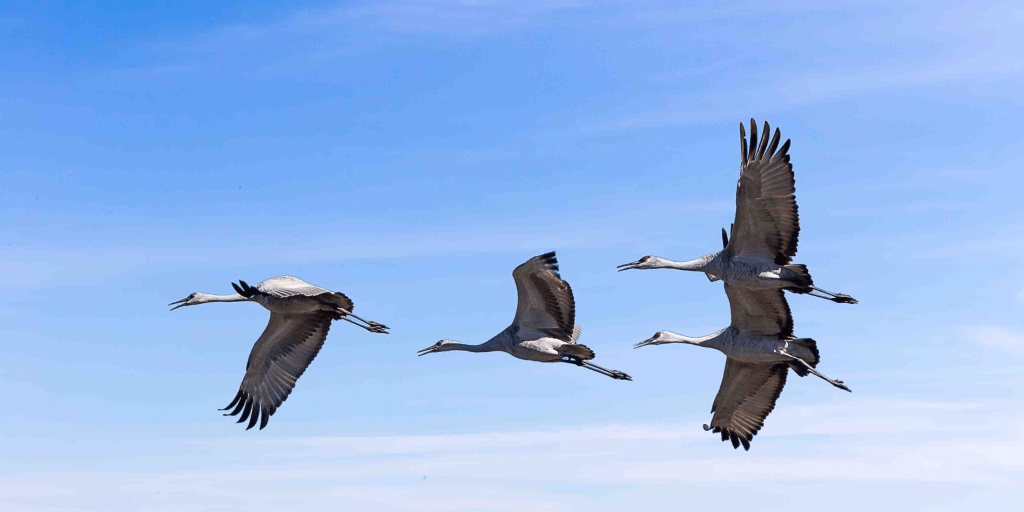
World Migratory Bird Day 2025 — Creating Bird-Friendly Communities Across the Pacific Flyway
Each year, World Migratory Bird Day unites people across the globe in celebrating one of nature’s most awe-inspiring phenomena—the seasonal movement of billions of birds across vast distances. In 2025, the focus is on how we can make our communities—rural and urban alike—safer, healthier, and more welcoming for migratory birds. When Is World Migratory Bird…
-
Supporting People, Supporting Watersheds
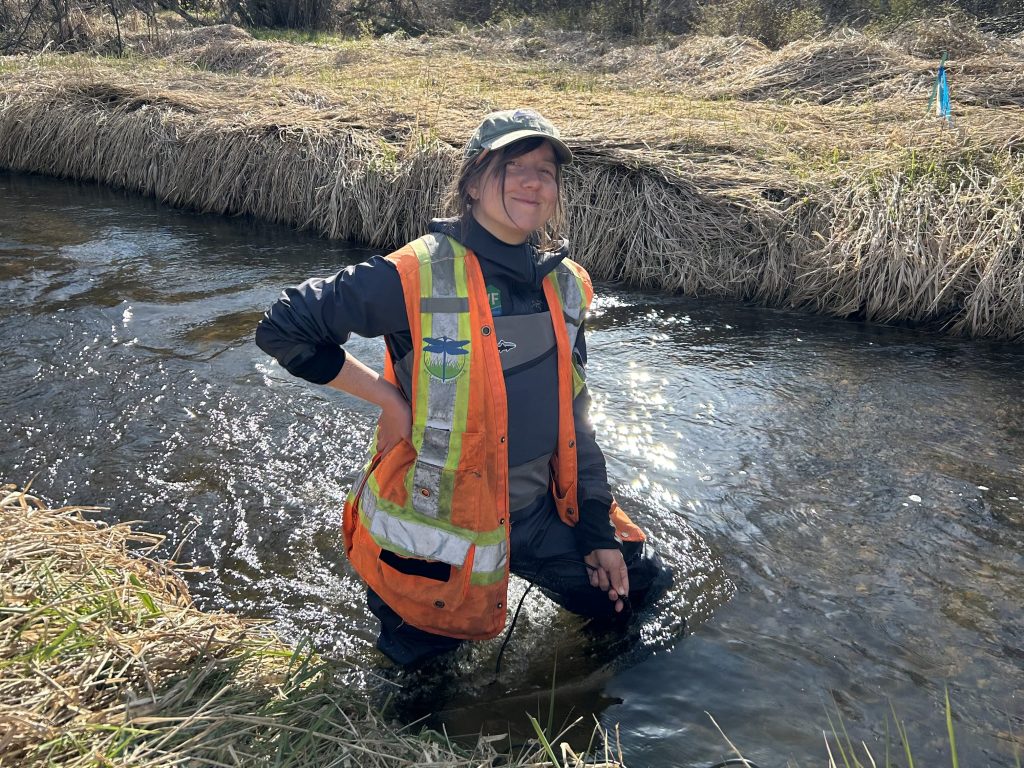
Celebrating Birch Matkowski’s R.P.Bio We’re proud to share that Birch Matkowski, a Jr. Restoration Biologist with the B.C. Wildlife Federation, recently earned her Registered Professional Biologist (R.P.Bio) designation. This is a major milestone in her career and a reflection of her dedication to conservation and restoration work across the province. Birch joined our team in…
-
Using Laws and Legislation to Protect Your Wetlands
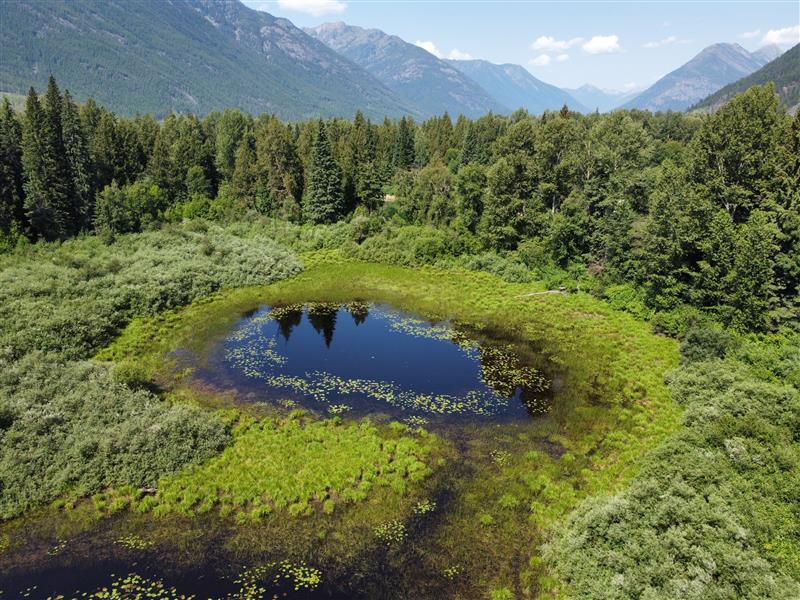
Have you ever seen someone filling in, draining, or destroying a wetland and wondered, “are they allowed to do that?!“ Maybe it’s your neighbor harming a wetland on their private property and you have concerns about it. Or, maybe there’s a new development proposed that will pollute your favorite wetland. Now that the value of natural ecosystems is becoming more appreciated and understood as a critical component of our landscape, it is important to learn how we…
-
Common Wetland Invasives
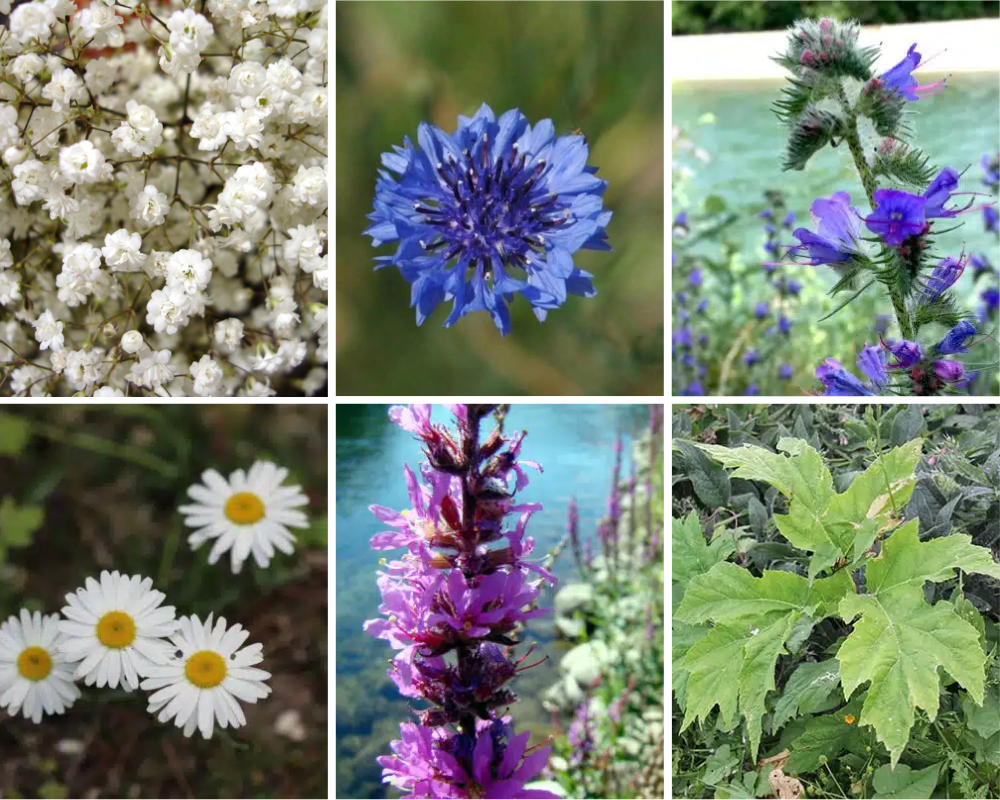
In recognition of National Invasive Species Awareness Week 2025, the B.C. Wildlife Federation is highlighting the growing threat of invasive species in B.C.’s wetlands. Since 1996, the BCWF has been a leader in wetland conservation, working to protect, restore, and spread the word about these critical ecosystems across the province. Wetlands play a crucial role…
 BCWF Watershed Team