
Tag: BC Wildlife Federation
-
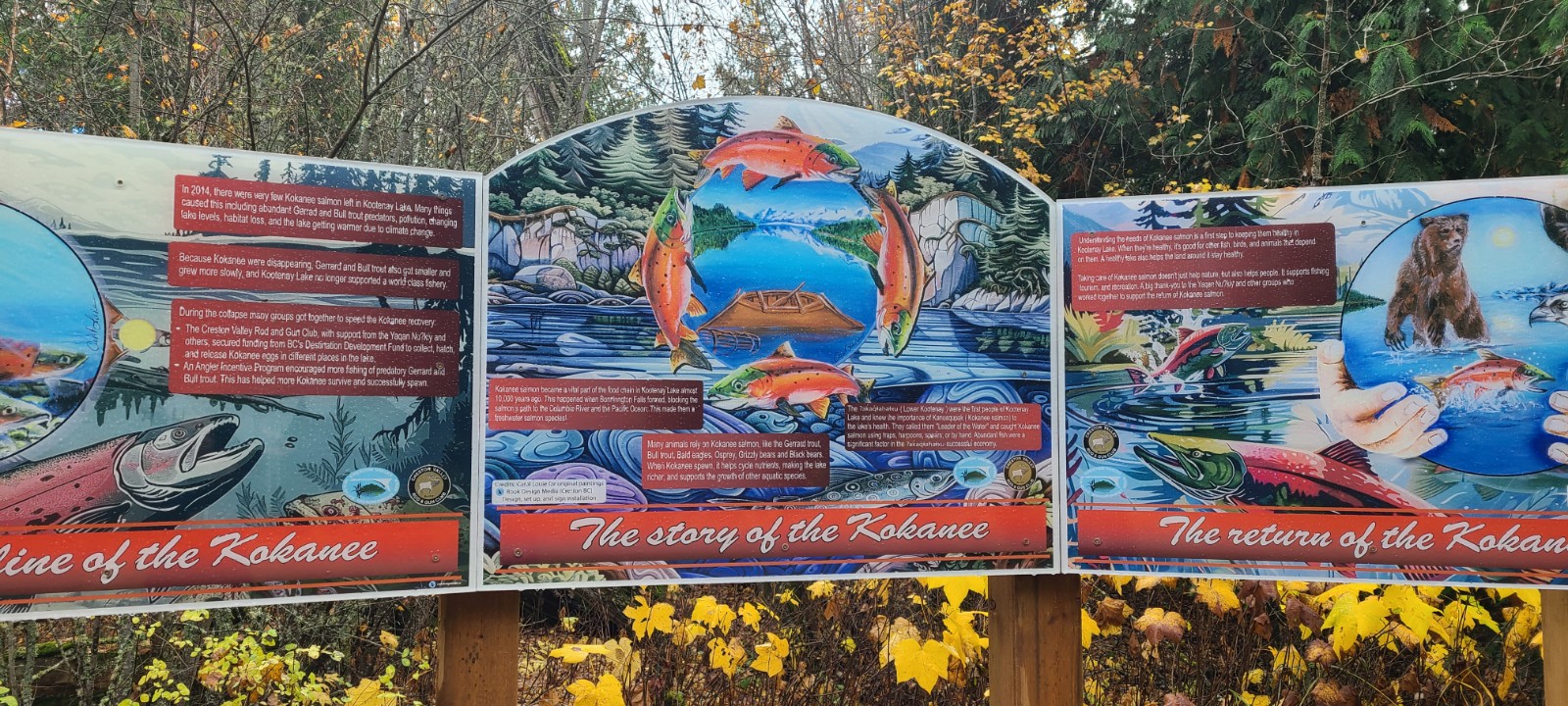
Creston Rallies to Restore Kootenay Lake’s Kokanee Salmon
Kootenay Lake’s Giants of Gerrard rainbow trout once routinely grew to an astonishing 30 pounds, but a decades-long ecological crisis triggered by hydro developments dating back to the 60s badly […]
-
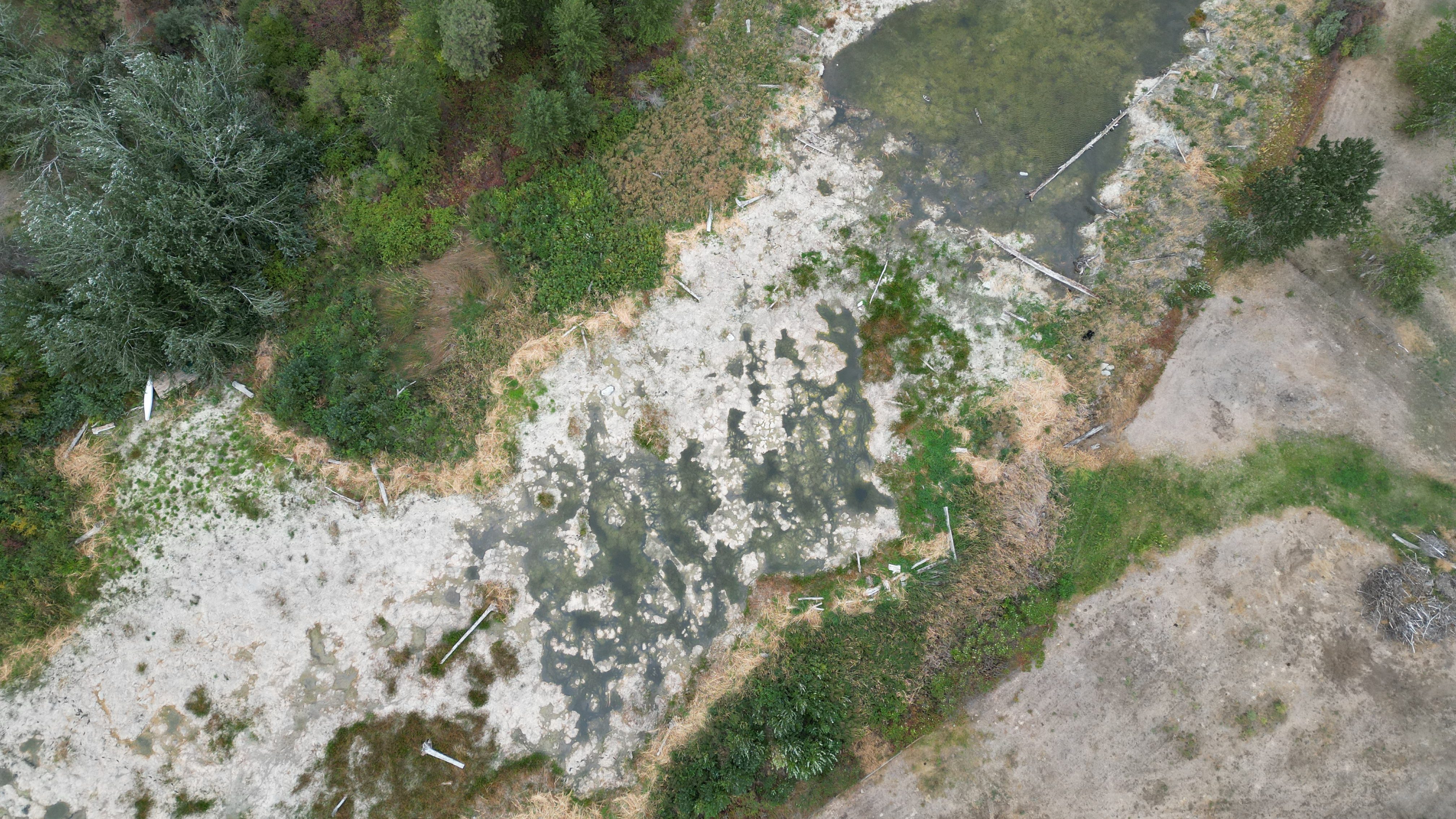
Low Water at Ginty’s Pond Highlights Need for Continued Investment in Watershed Restoration
For nearly four decades, wildlife biologist Al Peatt has kept a close eye on Ginty’s Pond, a wetland in the semi-arid, desert-like climate of B.C.’s Similkameen Valley. In 1990, under […]
-

Wetland Revival on Pender Island Thanks to Local Landowners
Not all restoration happens in parks or protected areas. Increasingly, it’s private landowners who hold the key to restoring important habitats. On South Pender Island, one such restoration project has […]
-
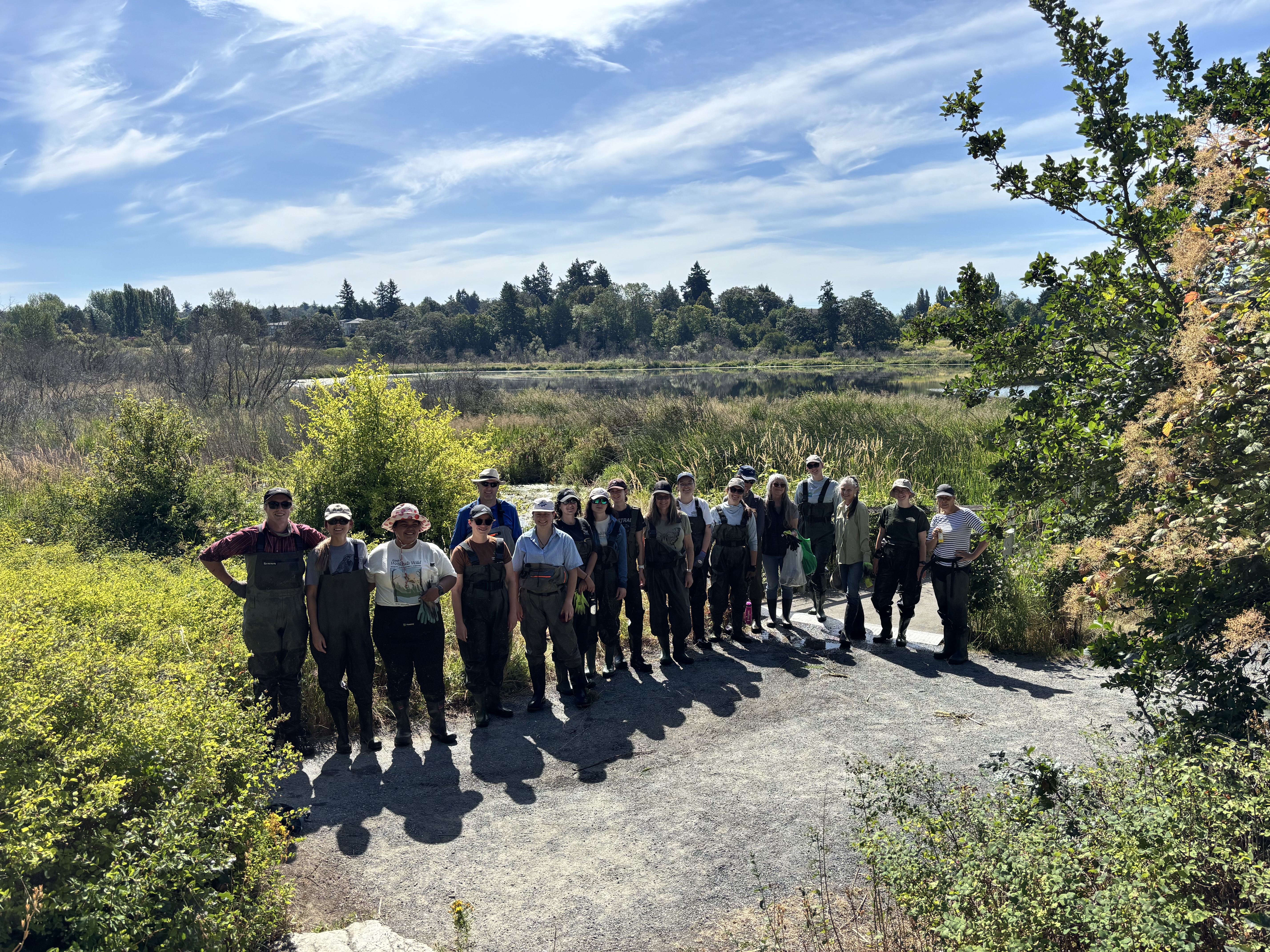
Building Wetland Stewardship Skills in Victoria B.C.
This July, the B.C. Wildlife Federation’s Wetland Education Program (WEP) facilitated a 2.5‑day Wetlandkeepers workshop in Victoria, B.C., in partnership with the Bilston Watershed Habitat Protection Association and Swan Lake […]
-

Kicking Off 2025 with Hands on Restoration and Training in the South Okanagan
The South Okanagan is one of the driest regions in British Columbia, yet it’s full of life. Alongside vibrant vineyards, sparkling lakes, and rolling grasslands, the region is home to […]
-
Now Available! Wetland Plants of British Columbia, Version 3
We’re excited to announce that Wetland Plants of British Columbia, Version 3 is now published and available for free download! Wetlands are essential ecosystems in British Columbia—rich in biodiversity and […]
-

Understanding Beaver Dam Analogues — Q&A with Jennifer Rogers
Restoring streams, floodplains, and wetlands doesn’t always require heavy machinery. Sometimes, simple, nature-based solutions are the most effective. That’s the idea behind low-tech process-based restoration (LTPBR)—an approach that uses natural […]
-
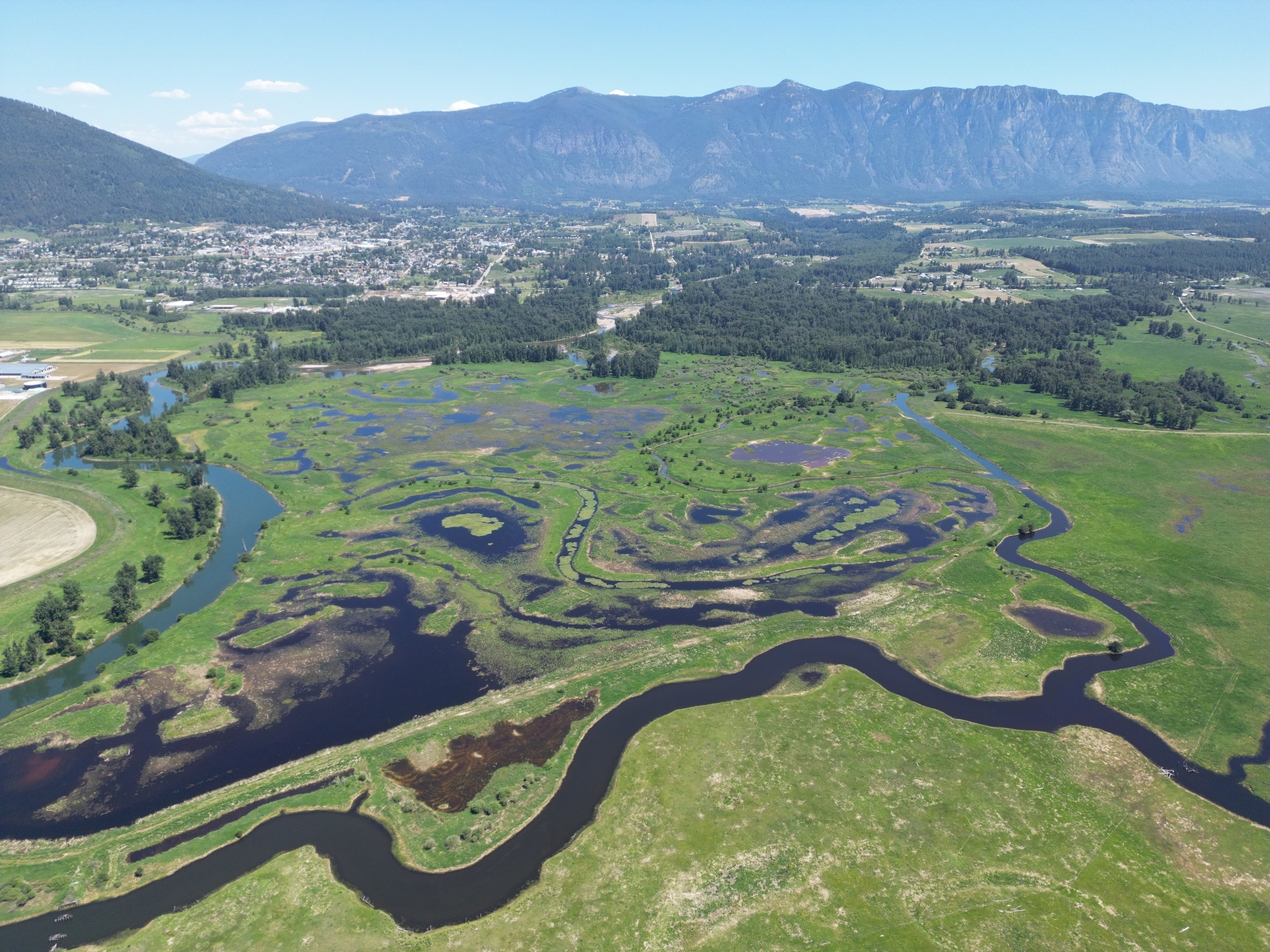
Reviving the Land — The Yaqan Nukiy Wetland Renaturalization Project
What happens when you let the land lead? On Yaqan Nukiy territory, millennia of Indigenous knowledge is guiding one of the most ambitious wetland projects in Canada—transforming not only ecosystems, […]
-
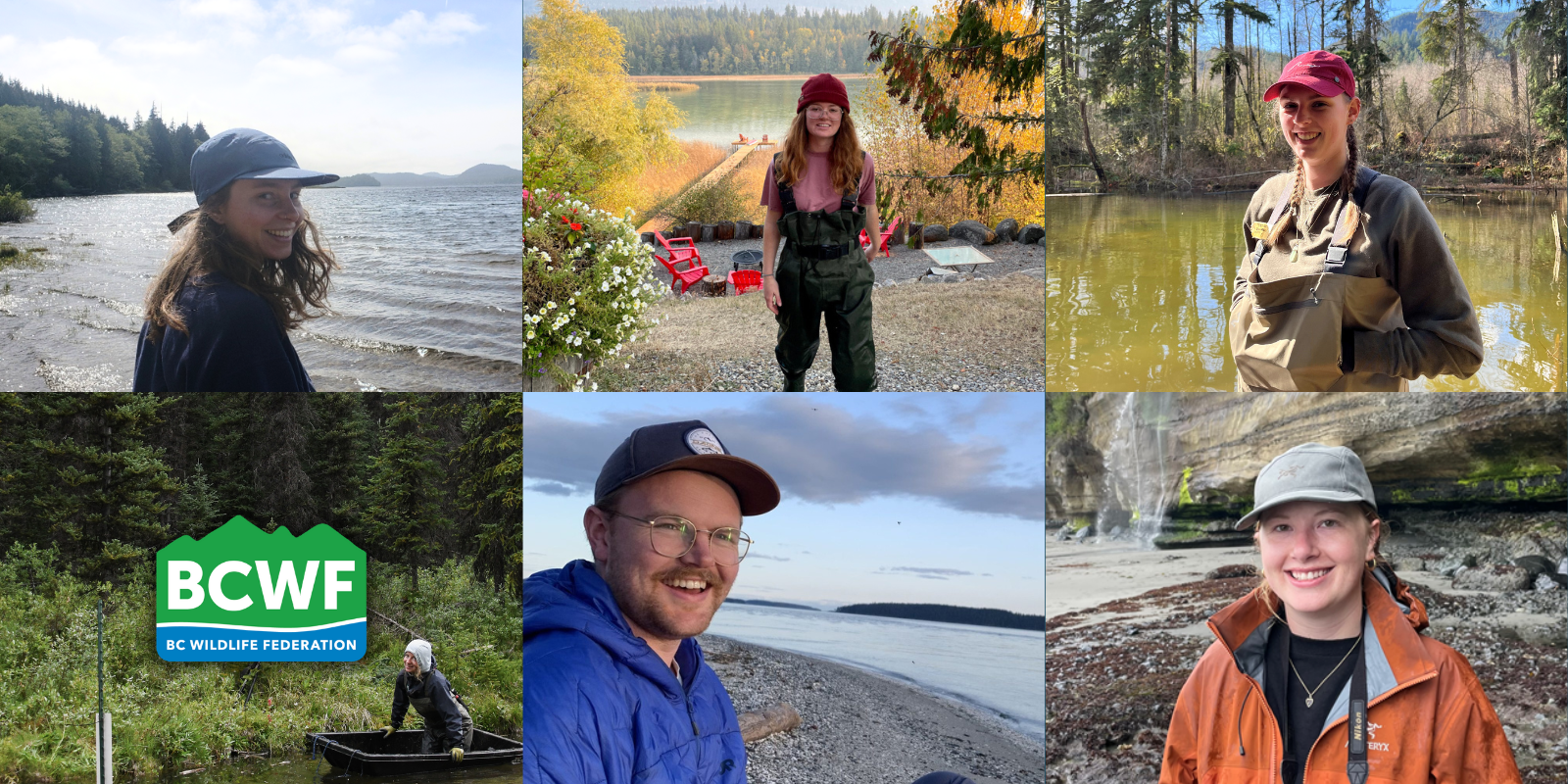
Welcome to the Team! Meet Our New & Returning Conservation Stewardship Staff
As the summer field season kicks off, we’re excited to welcome back several dedicated members—and introduce one new face—to the B.C. Wildlife Federation’s Watershed Team (aka the Conservation Stewardship department)! […]
-
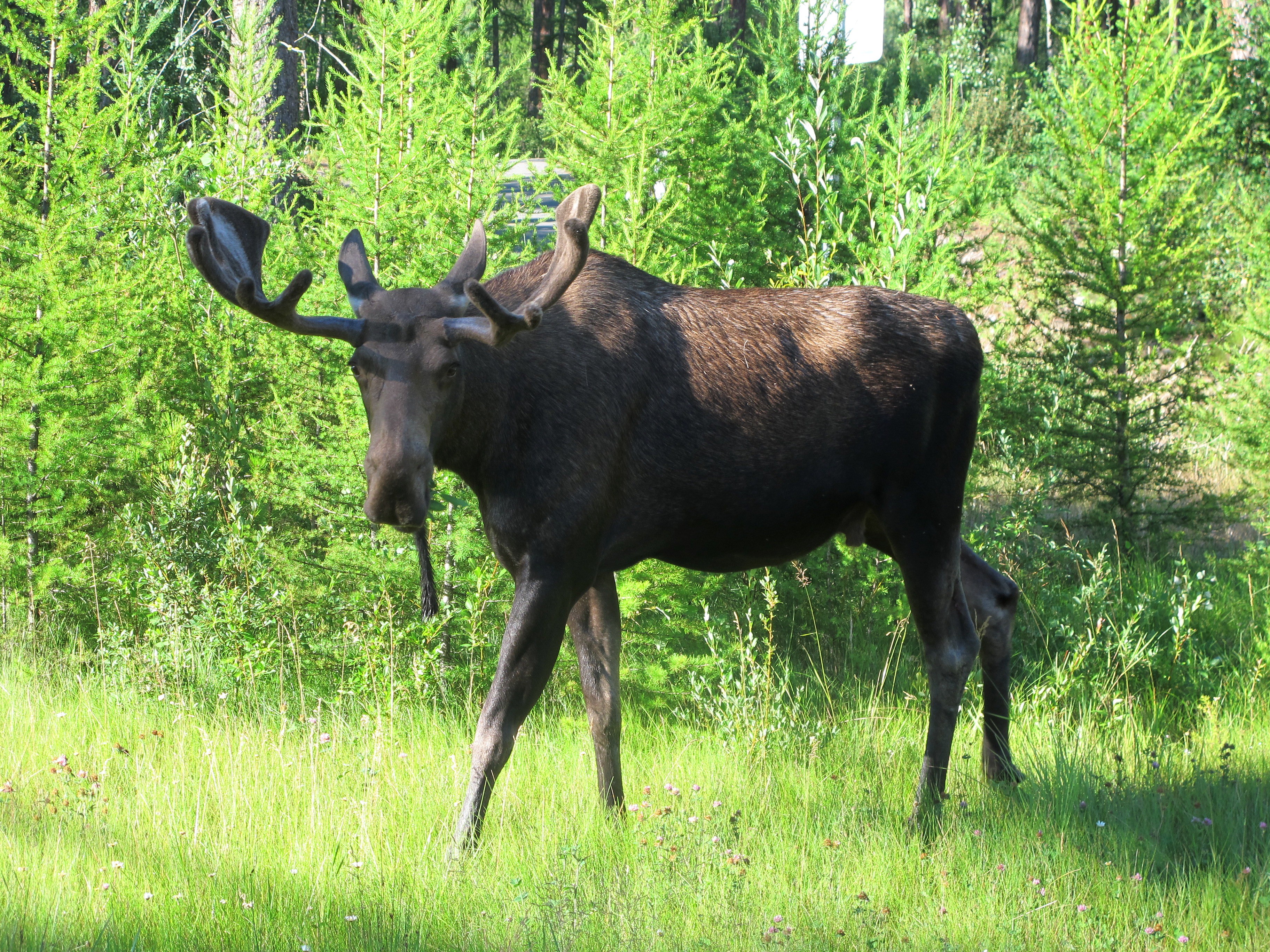
Species Profile — Moose
When we think of wetland species we often think of animals such as birds, amphibians, and aquatic insects. However, wetlands are renowned for being an ecological hotspot that house a […]