
Category: Species Profile
-
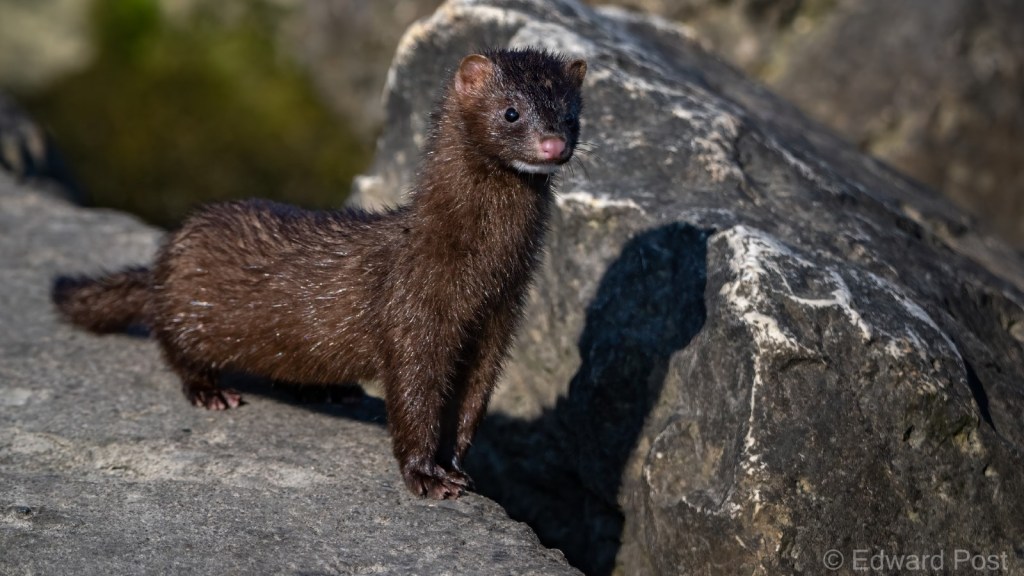
Species Profile — American Mink
The American Mink (Neovison vison) is an intriguing and often overlooked member of British Columbia’s wetland ecosystems. Native to North America, its range has expanded to Europe—and, to a lesser extent, parts of South America—largely due to fur farming and accidental or intentional releases. While it resembles a typical weasel, its larger, more robust form…
-
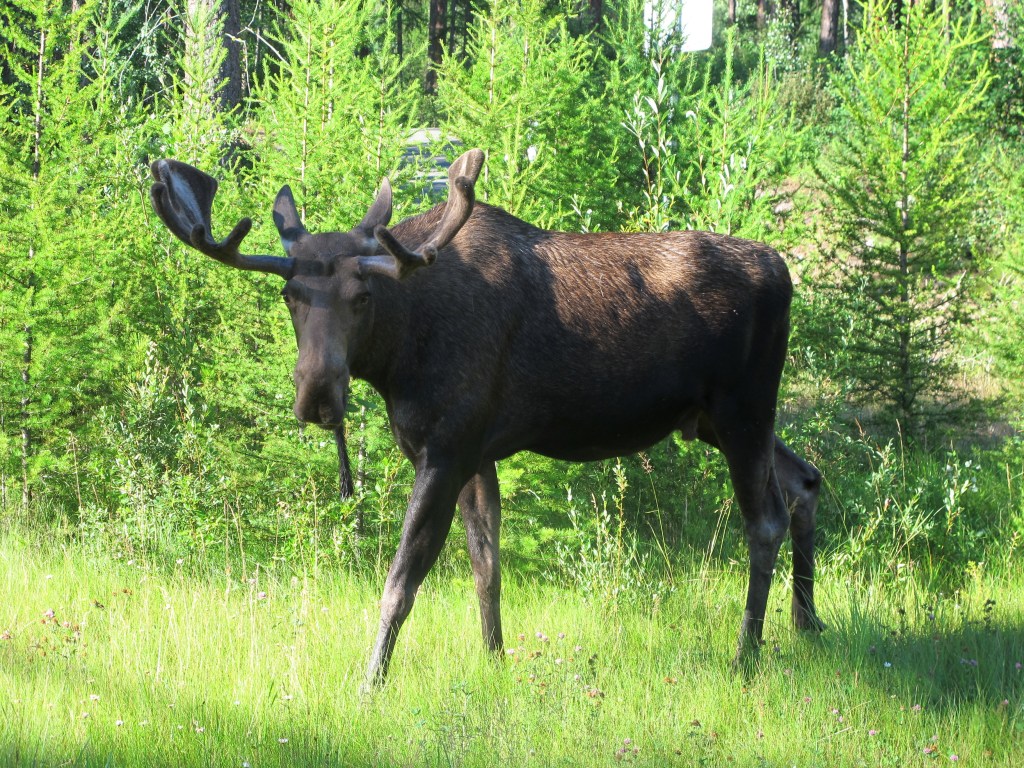
Species Profile — Moose
When we think of wetland species we often think of animals such as birds, amphibians, and aquatic insects. However, wetlands are renowned for being an ecological hotspot that house a surprising list of tenants – one of them being moose. Moose (Alces alces) aren’t always thought of as a wetland species, but they’re frequently seen…
-
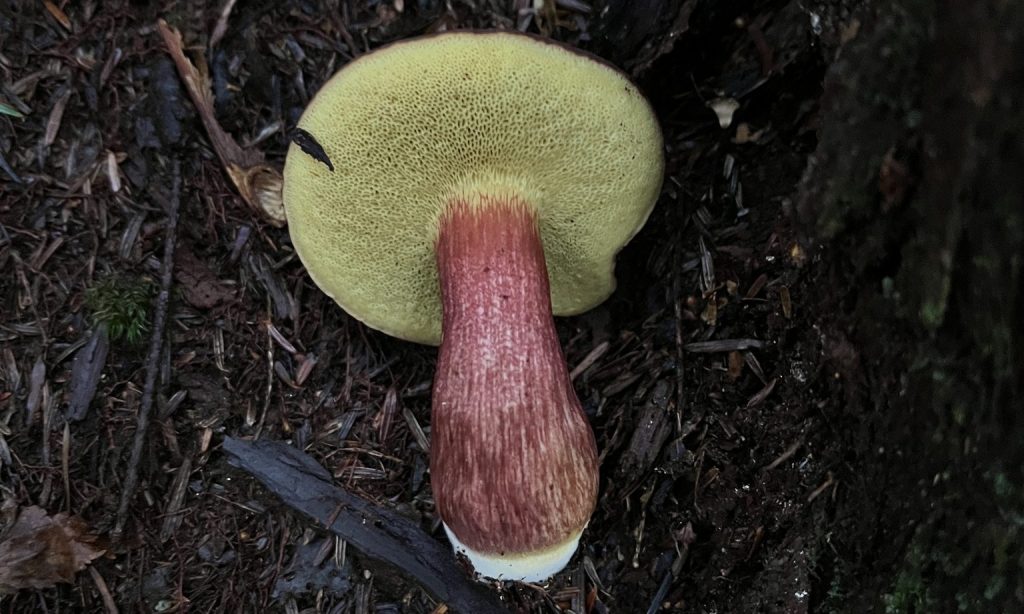
The Secret World of Wetland Fungi
Wetland fungi play a vital role in shaping wetland ecosystems and habitat for a huge variety of fish and wildlife, according to the B.C. Wildlife Federation’s resident “fun guy,” amateur mycologist, Todd Huang. These humble mushrooms form partnerships with plants, increase soil fertility, and even clean the water of pollutants, all without drawing much attention…
-
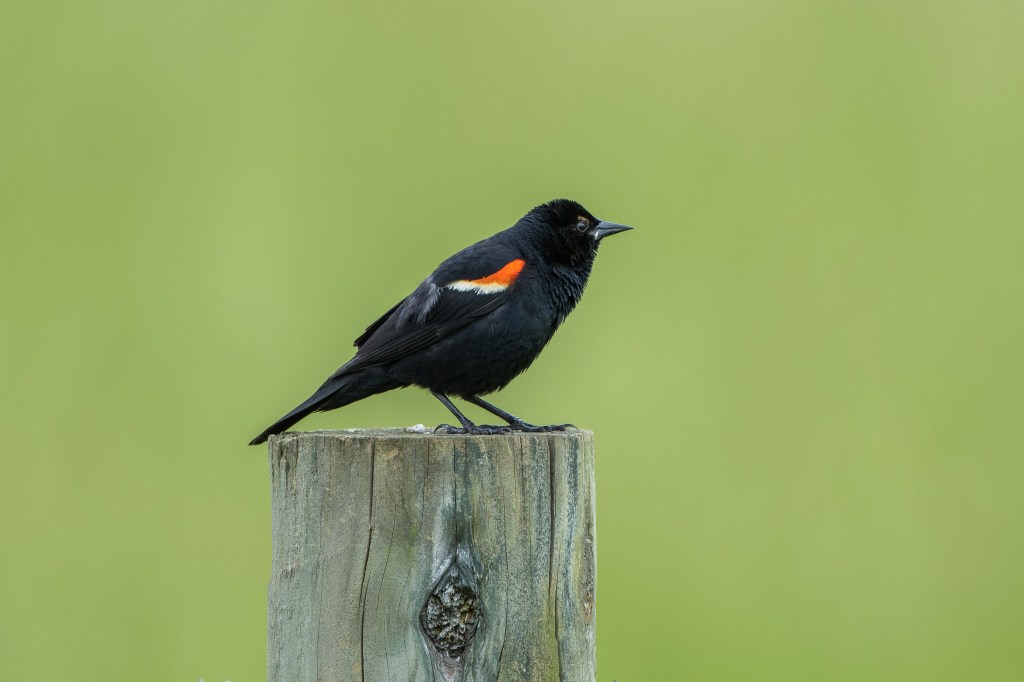
Species Profile — Red-winged Blackbird
We often see them dancing on telephone wires or hear their song as spring returns. The red-winged blackbird (Agelaius phoeniceus) is one of the most common birds in North America, with a range stretching coast to coast across southern Canada. As is often the case in nature, the sleek black body and vibrant red-and-yellow shoulder…
-
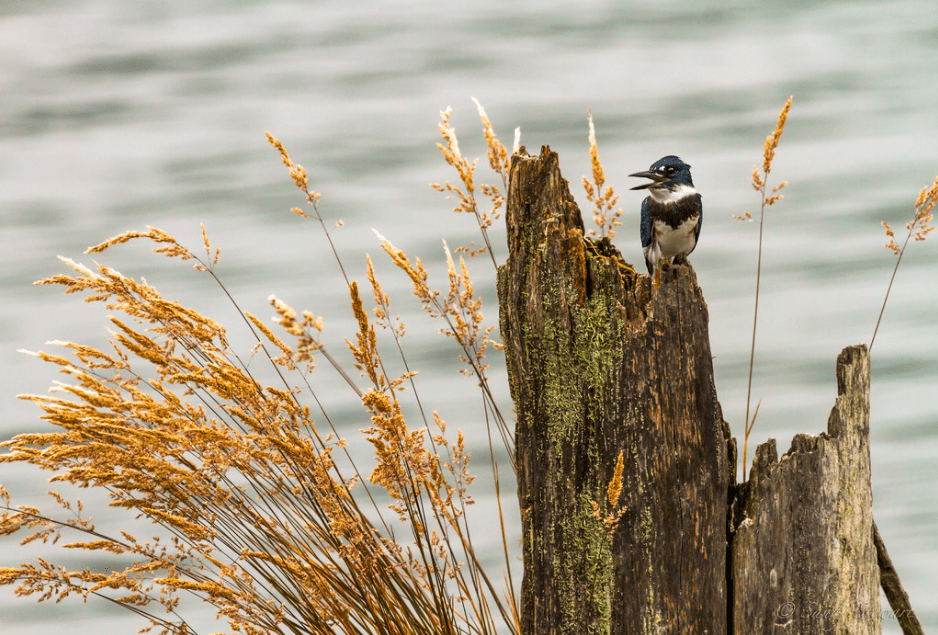
Species Profile — Belted Kingfisher
The Belted Kingfisher (Megaceryle alcyon) is a medium-sized bird commonly found near rivers, lakes, estuaries, and wetlands across North America. Ranging from 28 to 30 cm in height, with a wingspan of 48 to 58 cm, this striking species is known for its shaggy crest, sharp dagger-like bill, and loud, mechanical rattle call. Its plumage…
-
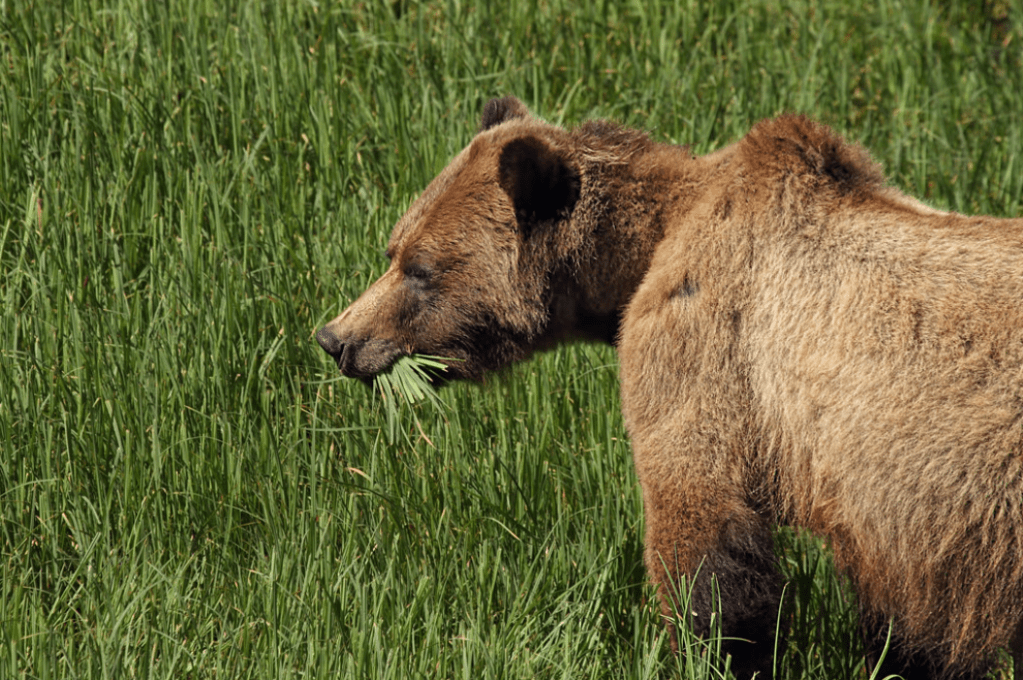
Species Profile — Grizzly Bear
Grizzly bears are one of British Columbia’s most iconic and ecologically vital species. These powerful mammals are a subspecies of the brown bear. While both are part of the same species (Ursus arctos), grizzly bears are specifically known as Ursus arctos horribilis. In other words, all grizzlies are brown bears, but not all brown bears…
-
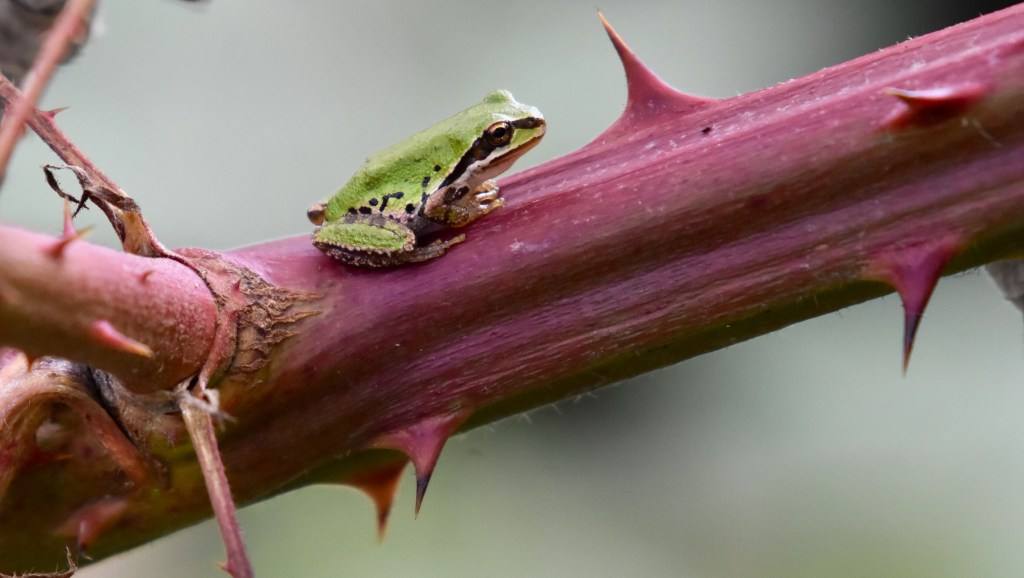
Species Profile — Pacific Tree Frog
Meet Hyla regilla – or, as many call it, the Pacific Tree Frog. It is entirely possible that you have never seen one despite their abundance in British Columbia. After all, a full-grown adult is typically less than 5 centimetres long. It may be helpful to think of them as the raccoons of Amphibia – they can be found in…
-
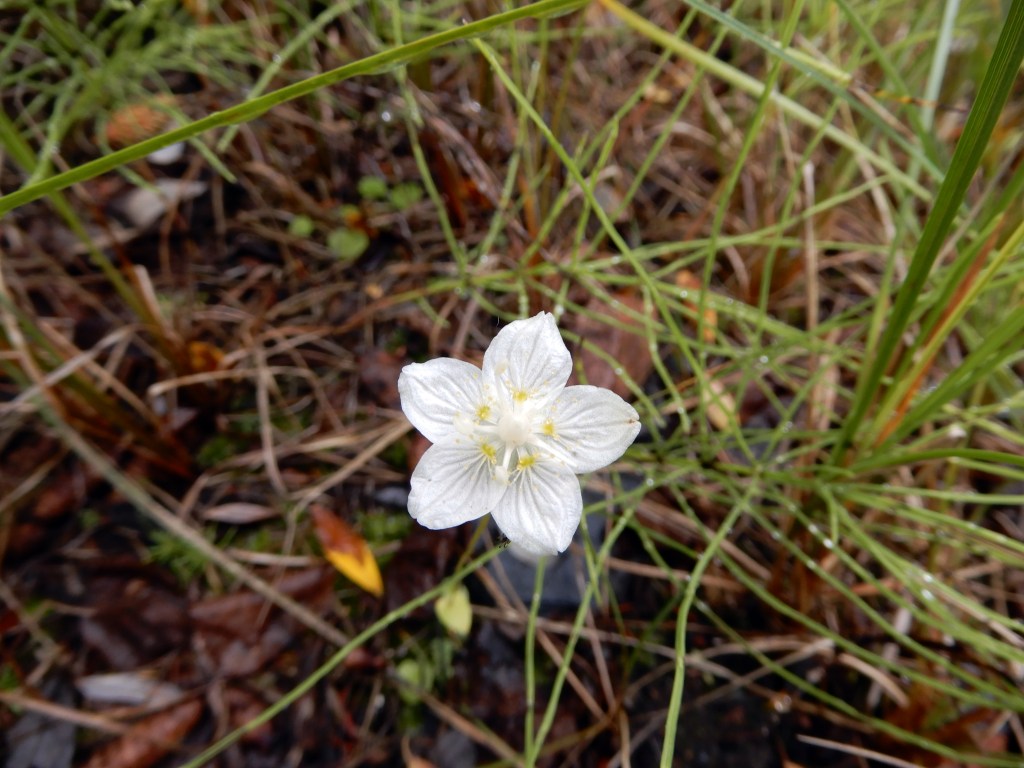
Species Profile — Bog Star
With its bright, star-like white petals standing out against the darker greens and browns of wetland groundcover, the Northern Grass-of-Parnassus (Parnassia palustris)—commonly called the Bog Star—is a striking and unmistakable wetland plant. Its five radiant petals sit atop a solitary upright stem, with most foliage concentrated at the base, creating a simple yet elegant bloom…
-
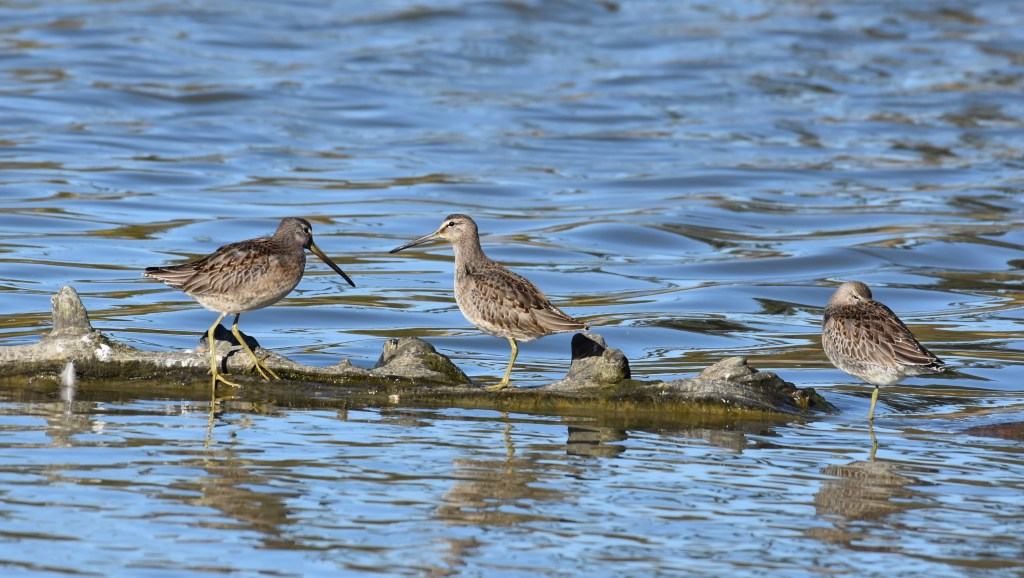
Species Profile — Long-Billed Dowitcher
The long-billed dowitcher (Limnodromus scolopaceus) is a medium-to-large shorebird often seen in British Columbia during its fall migration along the Pacific Flyway. Though less commonly spotted in winter, some individuals remain in southern parts of the province before continuing their journey as far south as Central America during colder months. This species is a classic…
-
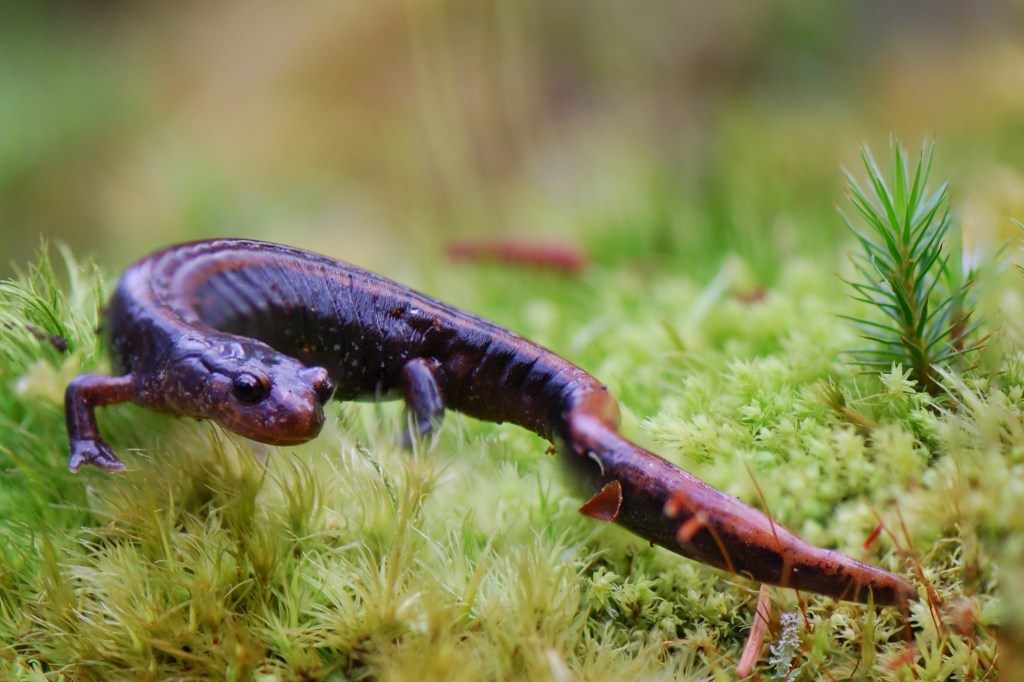
Species Profile — Western Red-Backed Salamander
Camouflaged among dead leaves and humus, the Western Red-backed Salamander (Plethodon vehiculum) is perfectly suited to the shaded, damp environments of British Columbia’s forests. Its rusty dorsal stripe blends seamlessly into the forest floor, making it a challenge to spot unless you’re looking closely. This small terrestrial amphibian ranges from B.C. to southern Oregon and…
 BCWF Watershed Team