Category: Low-Tech Process-Based Restoration
-
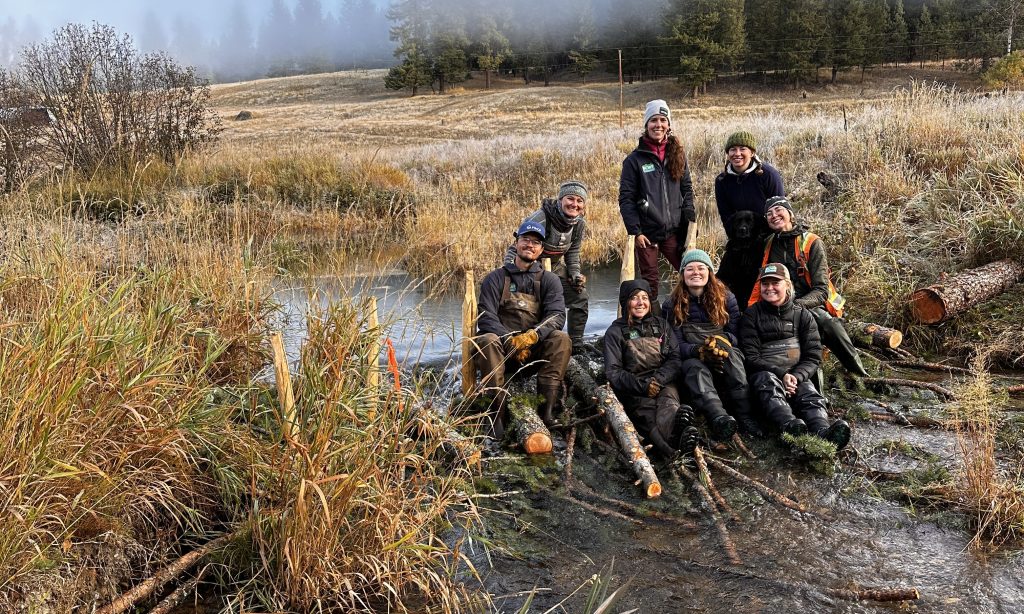
Beavers Return to Earl Ranch
When our team returned to Earl Ranch this fall for routine maintenance and effectiveness monitoring, one year after building ten Beaver Dam Analogues (BDAs) in the stream flowing through the property, the signs were unmistakable: freshly peeled branches, packed mud, and the glint of pooled water spreading across the floodplain. The beavers were back. “If…
-
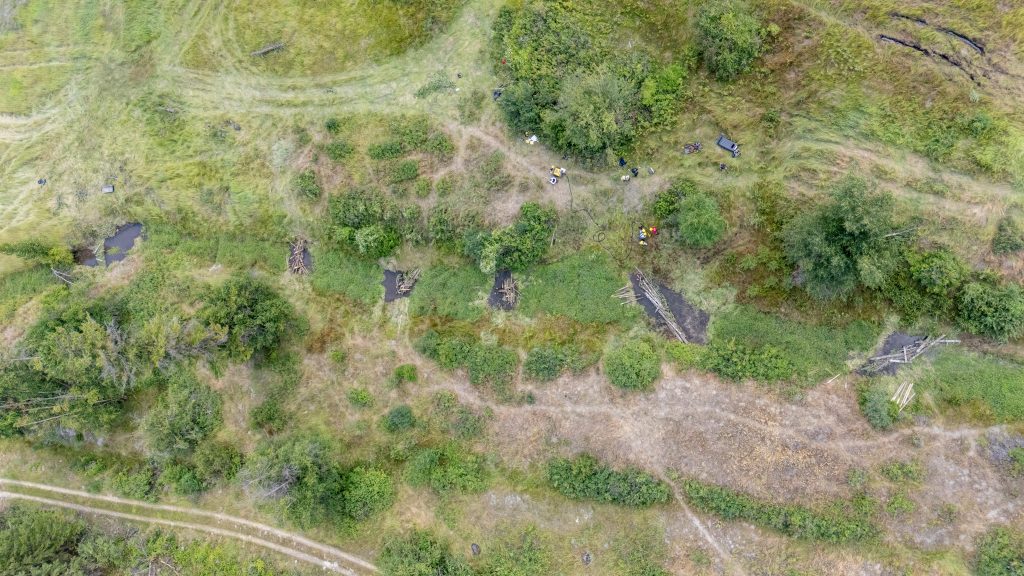
Kicking Off 2025 with Hands on Restoration and Training in the South Okanagan
The South Okanagan is one of the driest regions in British Columbia, yet it’s full of life. Alongside vibrant vineyards, sparkling lakes, and rolling grasslands, the region is home to an incredible diversity of fish and wildlife that flourish where water flows. From the smallest stream to the quietest wetland to the broadest lake, these…
-
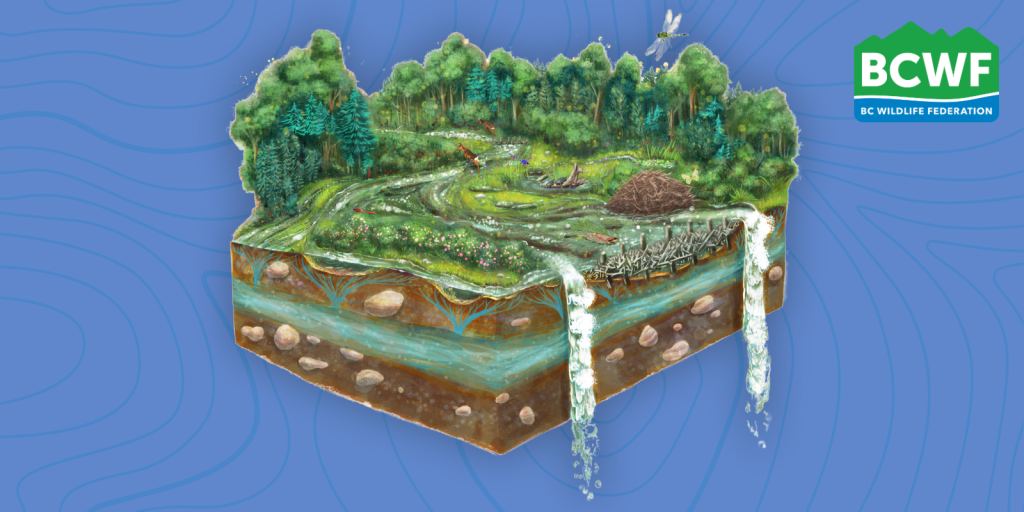
Understanding Beaver Dam Analogues — Q&A with Jennifer Rogers
Restoring streams, floodplains, and wetlands doesn’t always require heavy machinery. Sometimes, simple, nature-based solutions are the most effective. That’s the idea behind low-tech process-based restoration (LTPBR)—an approach that uses natural materials and processes to support ecosystem recovery. Two widely used techniques involve building simple, hand-crafted structures inspired by nature: Beaver Dam Analogues (BDAs) and Post-Assisted…
-
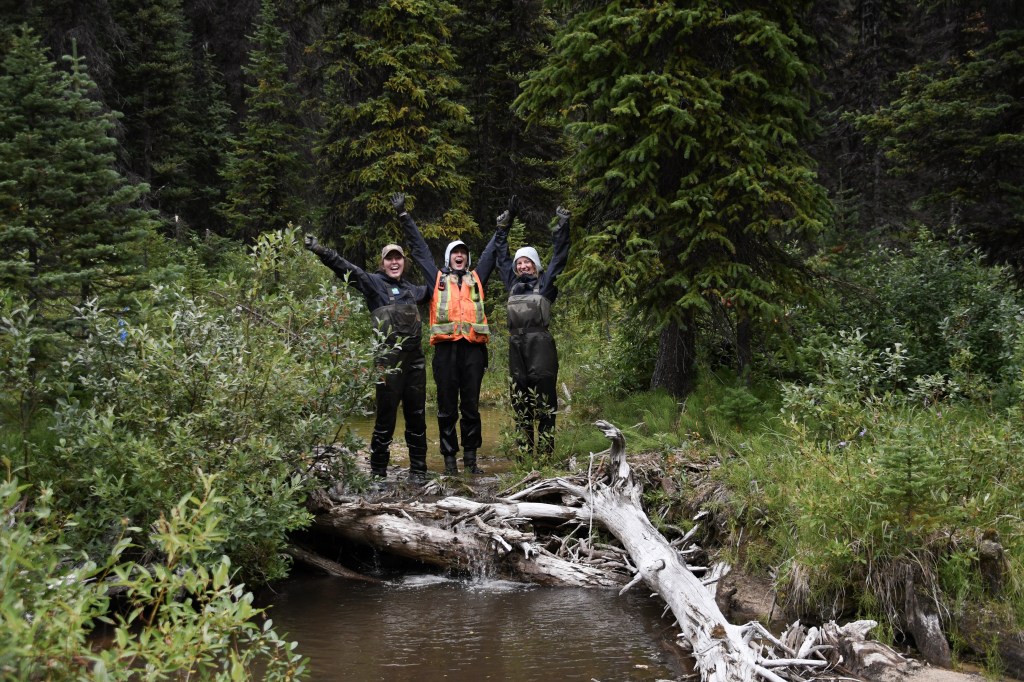
Building Like Beavers — BCWF’s 10,000 Wetlands Project Update
BCWF’s 10,000 Wetlands Project Aims to Restore British Columbia’s Watersheds After centuries of beaver exploitation and loss of productive beaver habitat, the B.C. Wildlife Federation is transforming ecosystem restoration in British Columbia through its innovative 10,000 Wetlands project. This initiative leverages low-tech process-based restoration (LTPBR) techniques, inspired by beavers’ tenacious dam-building tendencies, to address pressing…
-
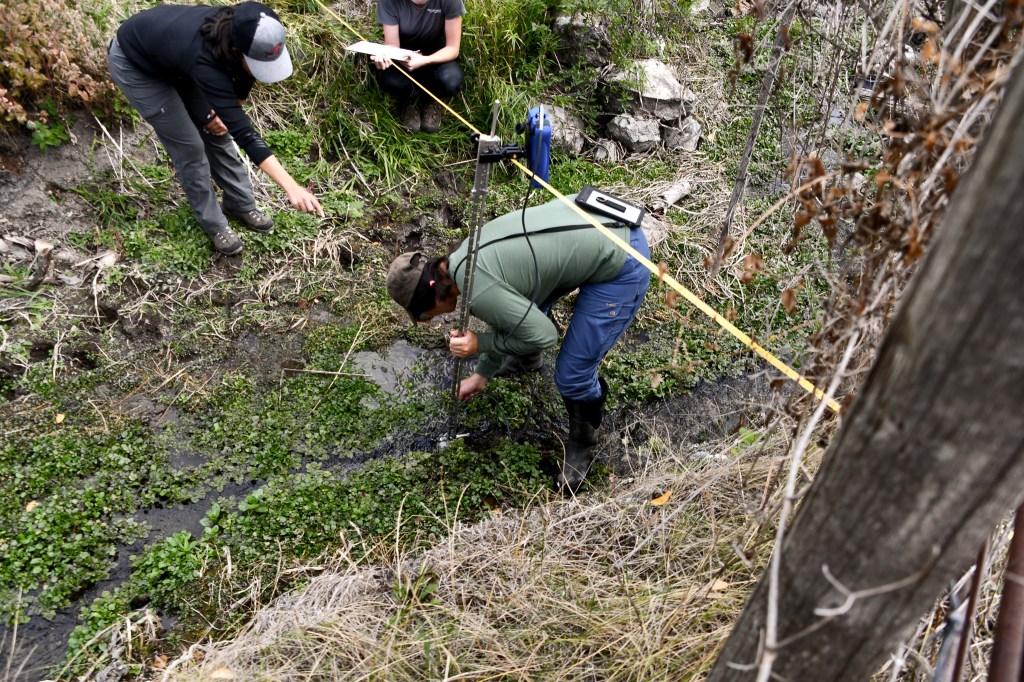
Beavers as Bioengineers
The B.C. Wildlife Federation is turning to expert engineers—otherwise known as beavers—to help protect our province’s precious land and water resources. Our 10,000 Wetlands project aims to use beaver-based restoration to enhance watershed resilience by harnessing the industrious skills of beavers, a species that has faced near eradication. The project aims to build dozens of…
-
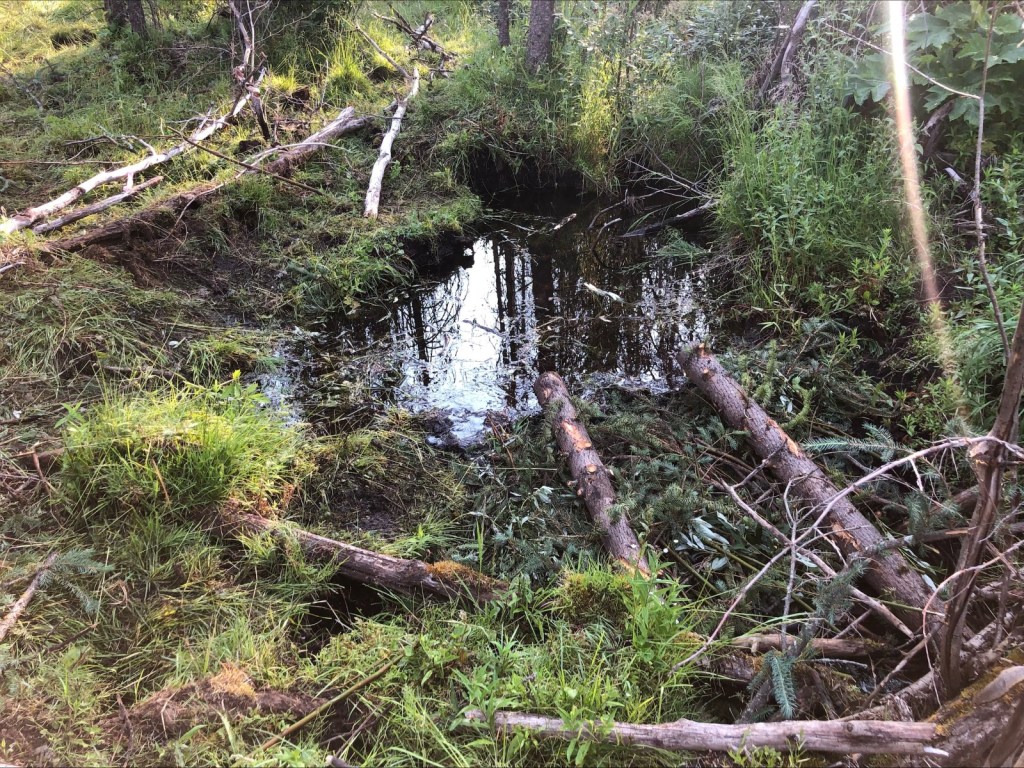
First Set of Beaver Dam Analogues (BDAs) Built
In mid-July, our team under the leadership of Jen Rogers, BCWF’s Beaver Restoration Assessment Lead, embarked on the first few of 100 BDAs set to be built across the province over the next two years. To date, our beaver and fish habitat restoration teams have installed baseline monitoring equipment at 7 project locations across the…
-
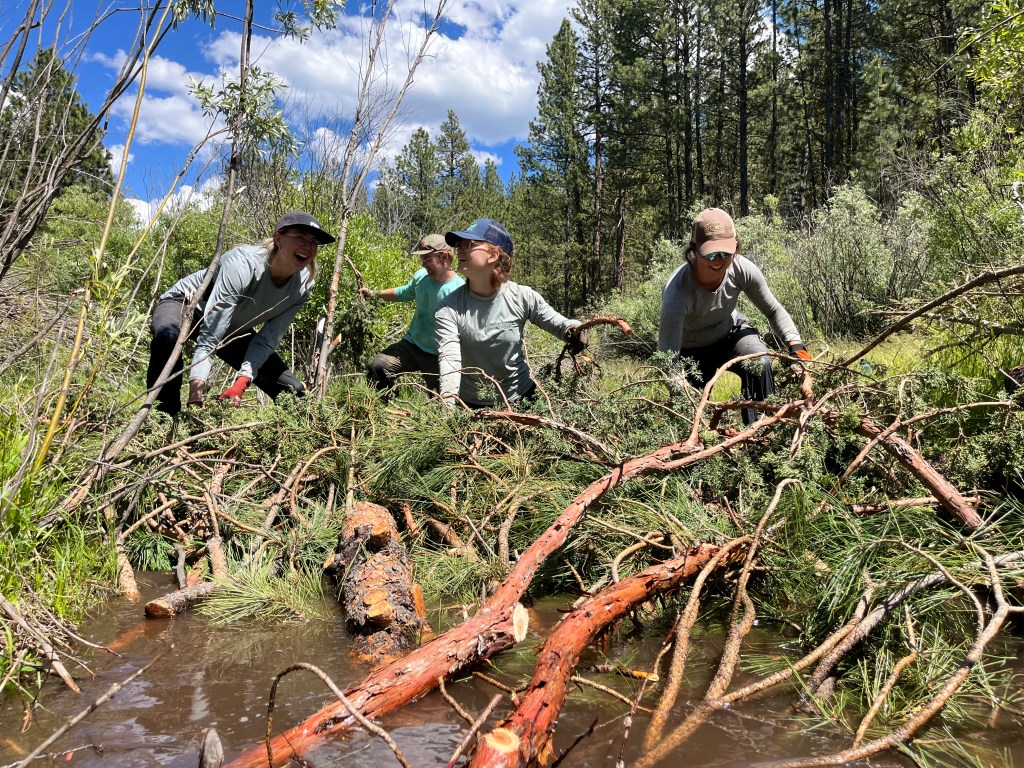
Beaver-Based Restoration — From Oregon to B.C.
Advancing Watershed Security Through Training Investment in watershed security training is vital to the future of our province. The B.C. Wildlife Federation’s Watershed Team is continuously learning and improving our knowledge and skills base so that we can lead innovative, effective projects that restore habitat and prevent or mitigate the impacts of drought, fire, and…
-
BCIT students cut their teeth on beaver-based restoration
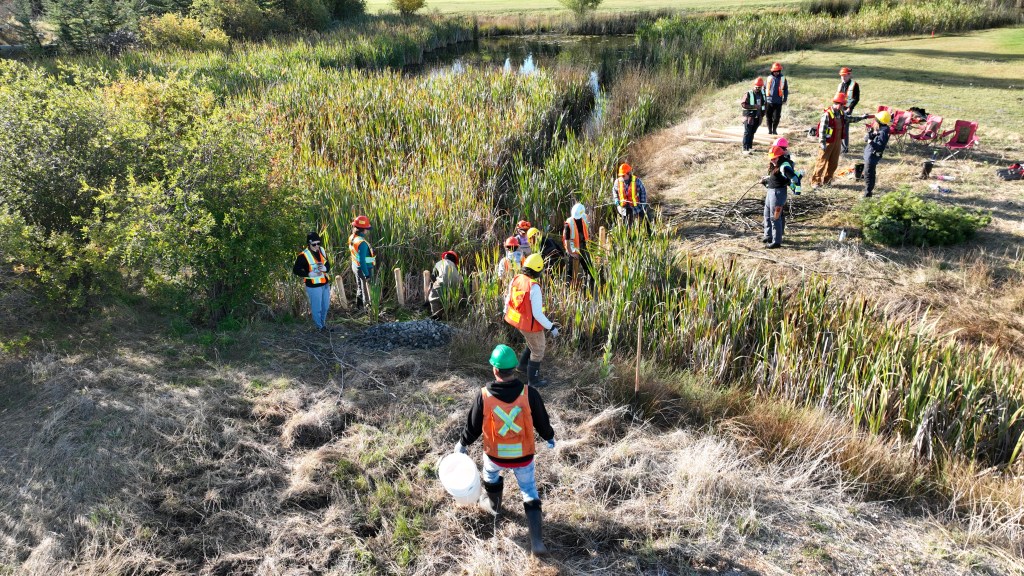
For the first time, BCIT Master of Ecological Restoration students took instruction in beaver-inspired wetland restoration techniques with the goal of combating escalating droughts, floods, and wildfires. BCIT alumna and the B.C. Wildlife Federation’s Beaver Restoration Assessment Lead, Jen Rogers, led the new beaver-inspired workshops at Logan Lake last September. The BCIT training session included…
-
10,000 Wetlands — Using Beaver-based Restoration to Enhance Watershed Resilience
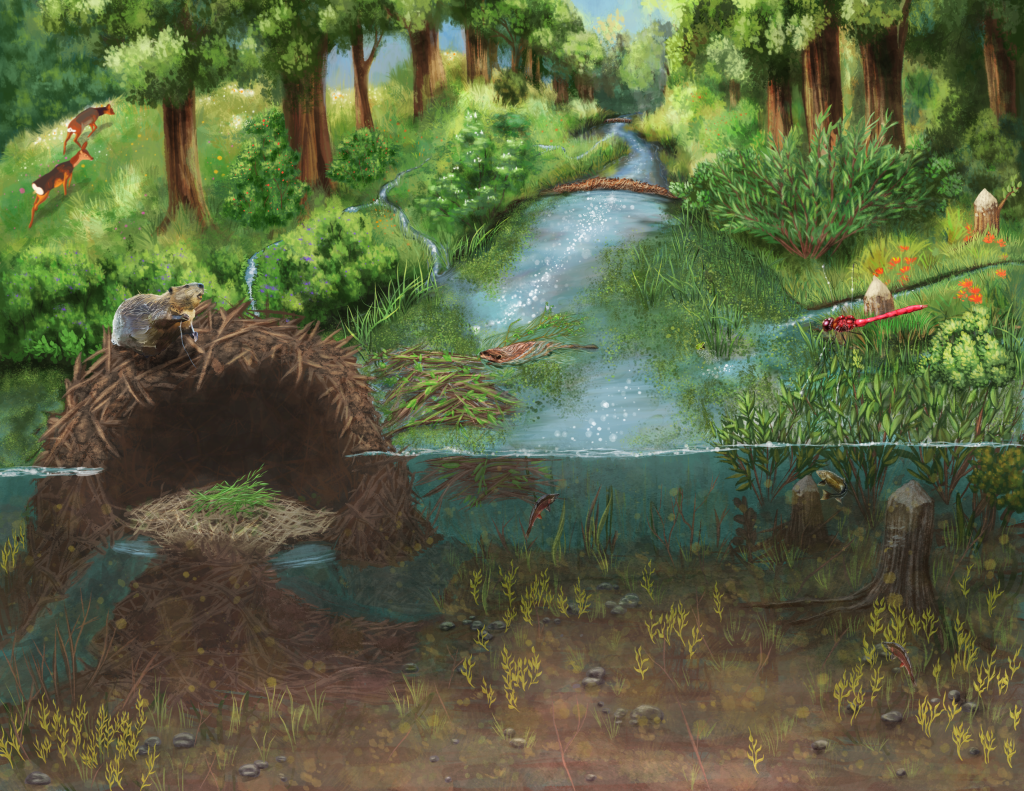
In early 2023, the B.C. Wildlife Federation launched 10,000 Wetlands, an ambitious project focused on beaver-based restoration. The 10,000 Wetlands project is designed to confront environmental challenges through installing 100 Beaver Dam Analogues (BDAs) across the province. By partnering with First Nations and conservation organizations, our overall aim is to kickstart the creation and restoration…
-
Maggie’s Journey — A ‘Nuisance’ Beaver Gets a Second Chance
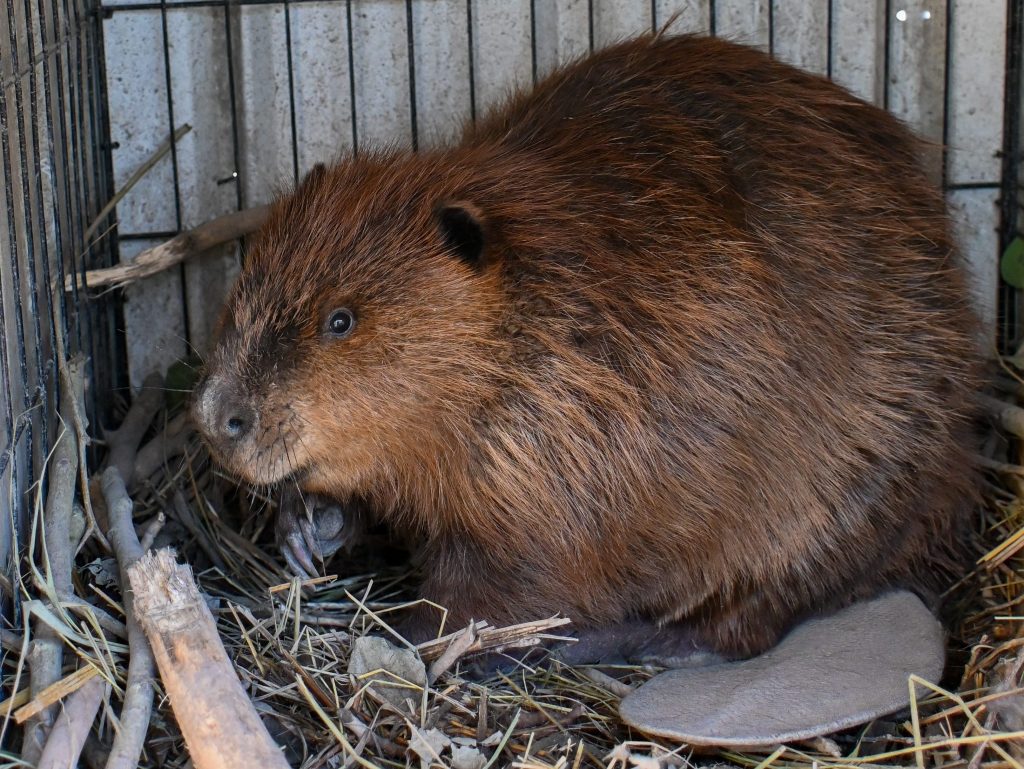
When the door of her enclosure swung open, Maggie the beaver wasted no time getting acquainted with her new home. After months of rehabilitation at the Interior Wildlife Rehabilitation Society, she finally returned to the wild. Maggie’s solitary rehabilitation journey was unusual because beavers typically live in pairs or in established colonies. “Normally, we would…
 BCWF Watershed Team