
Category: News & Updates
-
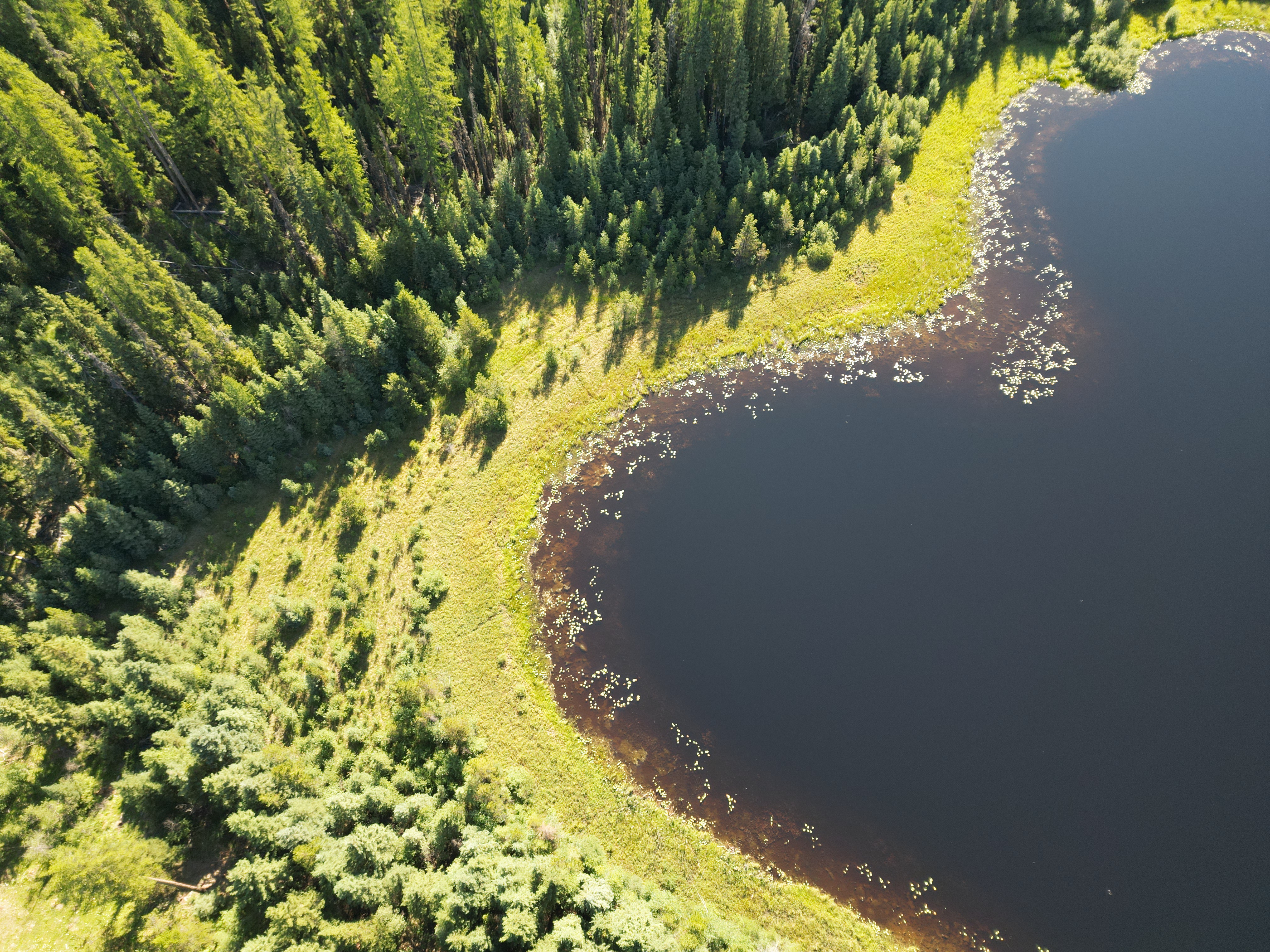
Advancing Wetland Conservation — 2024 End of Season WESP Update
Over the past three years, the B.C. Wildlife Federation’s Wetland Ecosystem Services Protocol (WESP) initiative has achieved remarkable milestones, setting the groundwork for a standardized approach to conserving wetlands in British Columbia. The WESP tool, originally developed by Dr. Paul Adamus, aims to provide a standardized method for assessing the critical functions and values of…
-
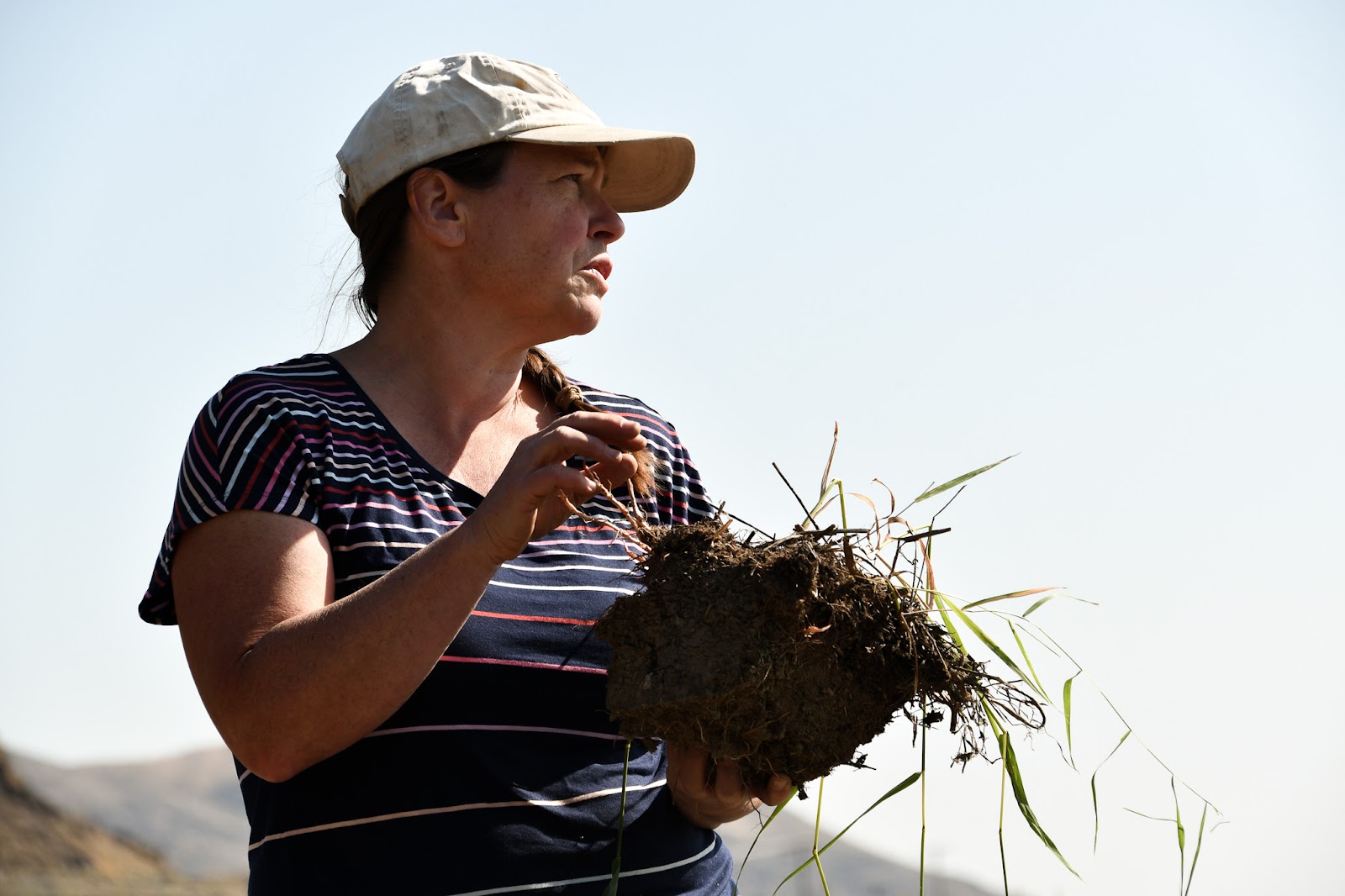
From Forage to Foe — The Environmental Impact of Reed Canarygrass Invasion
For over a decade, Dr. Catherine Tarasoff has been working to mitigate the impacts of invasive species in British Columbia. Equipped with a PhD in Weed Science (otherwise known as Crop Science) from Oregon State University, Dr. Tarasoff’s expertise highlights the necessity of knowledge-driven management strategies to combat these ecological threats. One particular focus has…
-
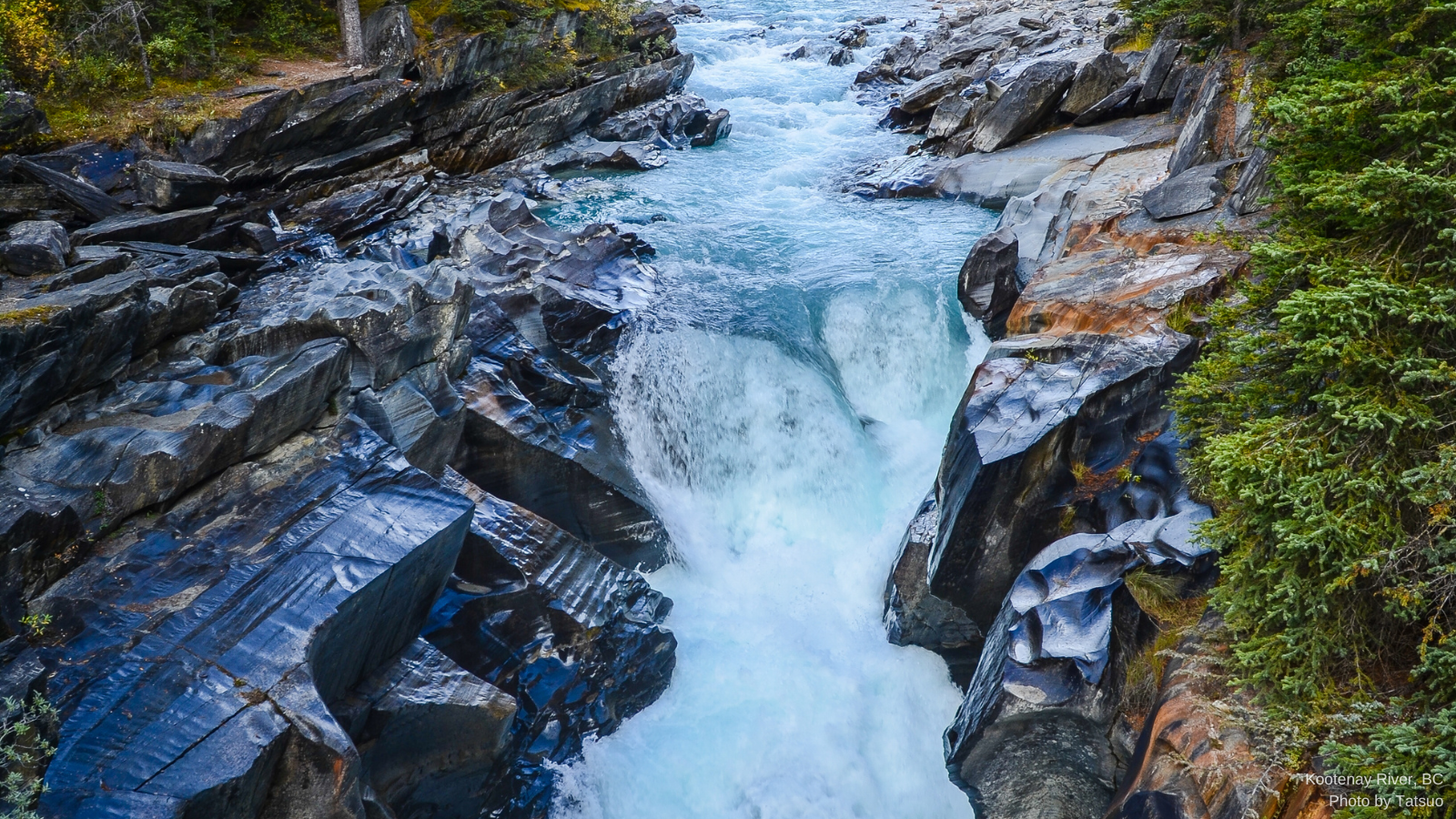
Reduction of Watershed Security Funding a Blow to Reconciliation
The BC Watershed Security Coalition is asking all candidates in the 2024 BC Election to sign the Watershed Security Pledge as a commitment to invest in the health and well-being of British Columbians and the economic stability of local communities. Provincial funds from the Watershed Security Fund are diminishing as we head into 2025, which…
-

Honouring National Day for Truth and Reconciliation
September 30th, 2024 marks the third National Day for Truth and Reconciliation. It is an opportunity to reflect on the commitments made to work with Indigenous communities in their healing journey. For the B.C. Wildlife Federation, Reconciliation means building and supporting meaningful relationships with First Nations communities across the province to conserve and restore our…
-
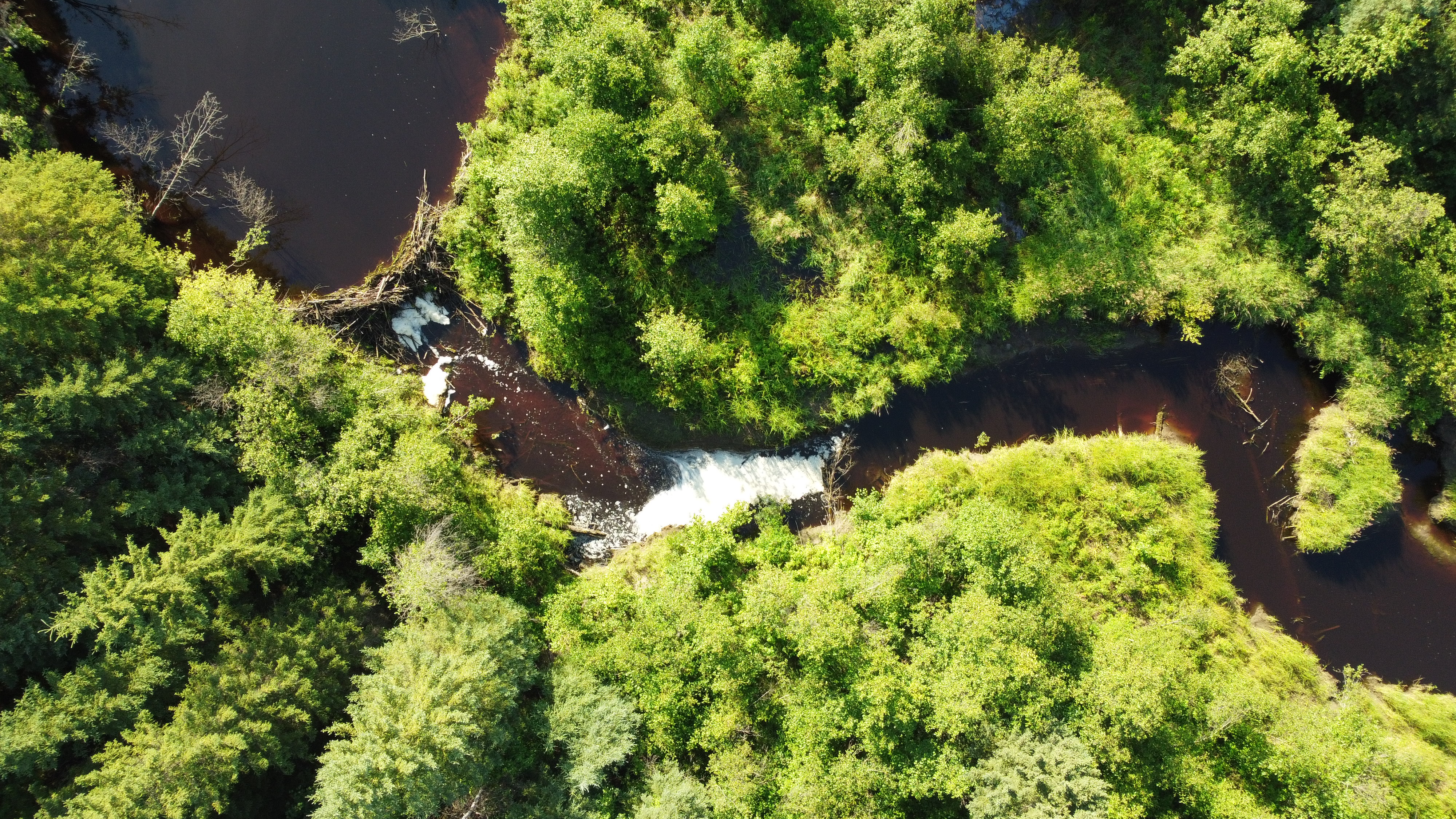
World Rivers Day — Celebrating and Protecting Our Waterways
This year, World Rivers Day falls on Sunday, September 22, 2024, and there are plenty of ways you can participate to support healthy rivers and watersheds! “The health of a river mirrors that of a human. Just as a person’s lifestyle influences their well-being later in life, the quality of a river’s tributaries determines its…
-

Ginty’s Pond (nʔaʕx̌ʷt) Wetland Restoration Enters Second Phase
The B.C. Wildlife Federation is excited to announce the start of the second phase of the Ginty’s Pond (Nʔaʕx̌ʷt) wetland restoration. Located in Cawston within the territory of the Smelqmix people of the Sylix Nation, the historical nʔaʕx̌ʷt wetland was once an oxbow pond of the Similkameen River. Over the years, significant agricultural water use…
-
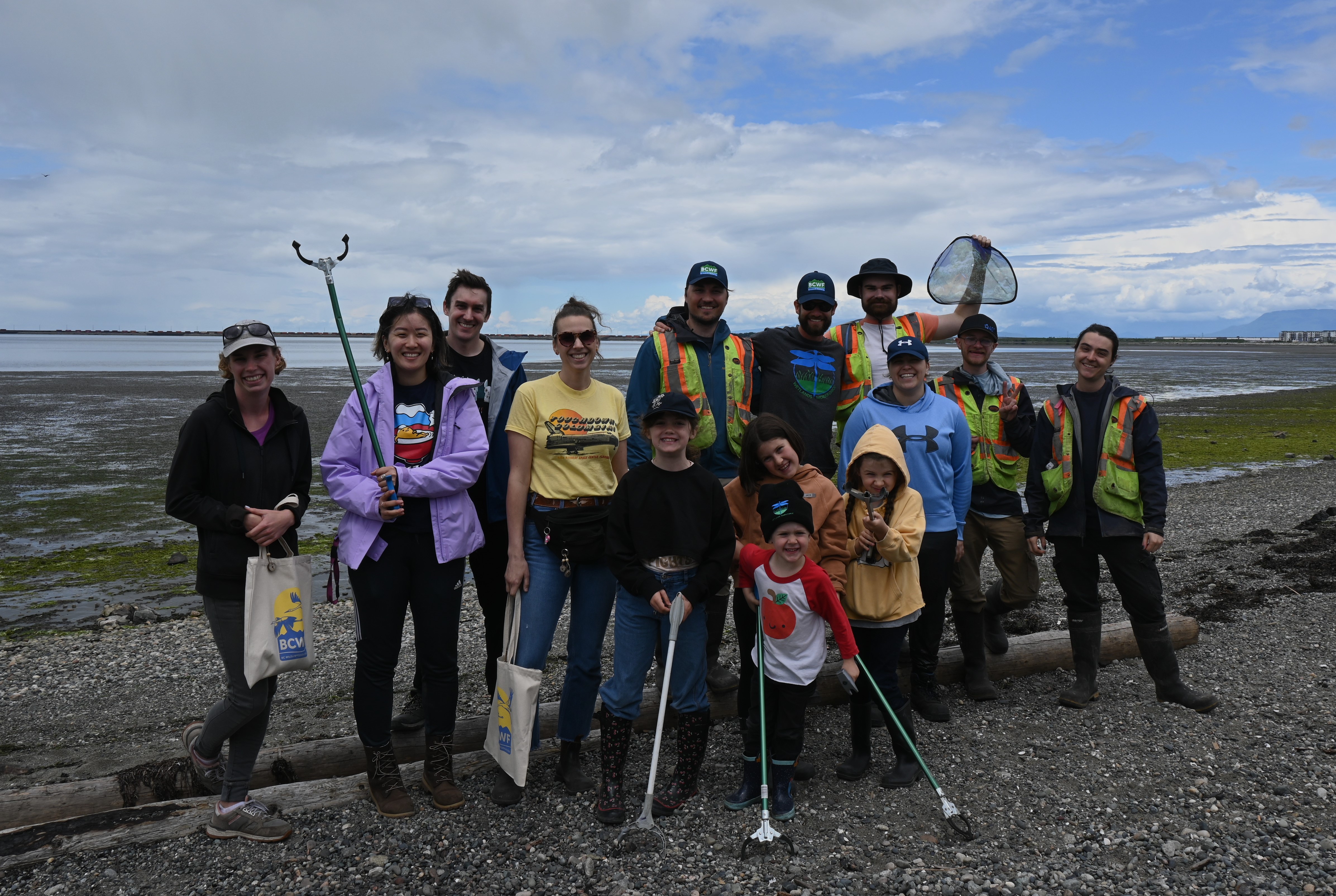
5 Tips for Your Next Clean-up Event From the Fraser River Tidal Marsh Clean-up Crew
The impact of our consumer products is far greater than we realize. In the Fraser River estuary, we’ve already lost over 80% of tidal marsh habitat due to industry, development, and overall degradation. This loss has had a significant, often unrealized, impact on salmon, birds, marine mammals, and other species. With a finite amount of…
-
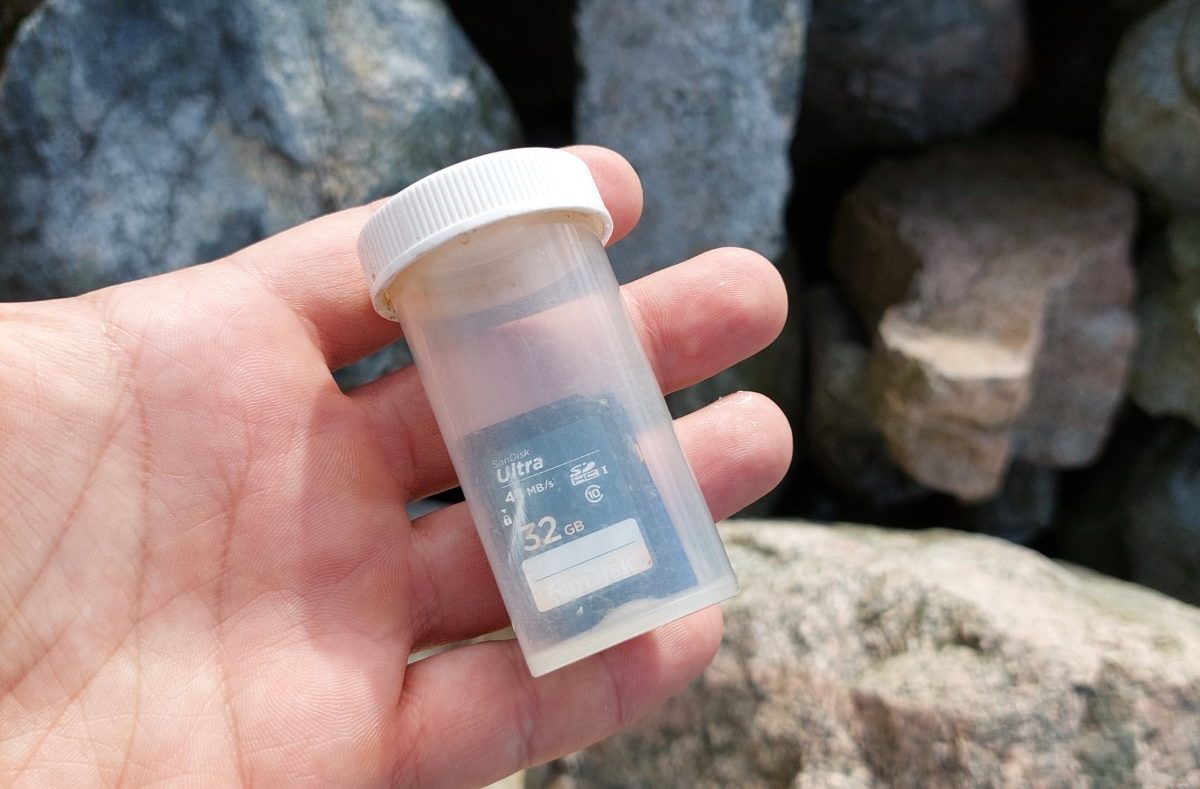
A Feel-Good Story — Finding Lost Photos in Boundary Bay
Photos are cherished keepsakes that cause memories to flood back with just a look. Losing photos is not unlike losing memories from a rosy past. As the Fraser River Tidal Marsh Clean-up (FRTMC) team was out removing debris along Boundary Bay, one of our crew members found a small bottle with three SD cards inside.…
-
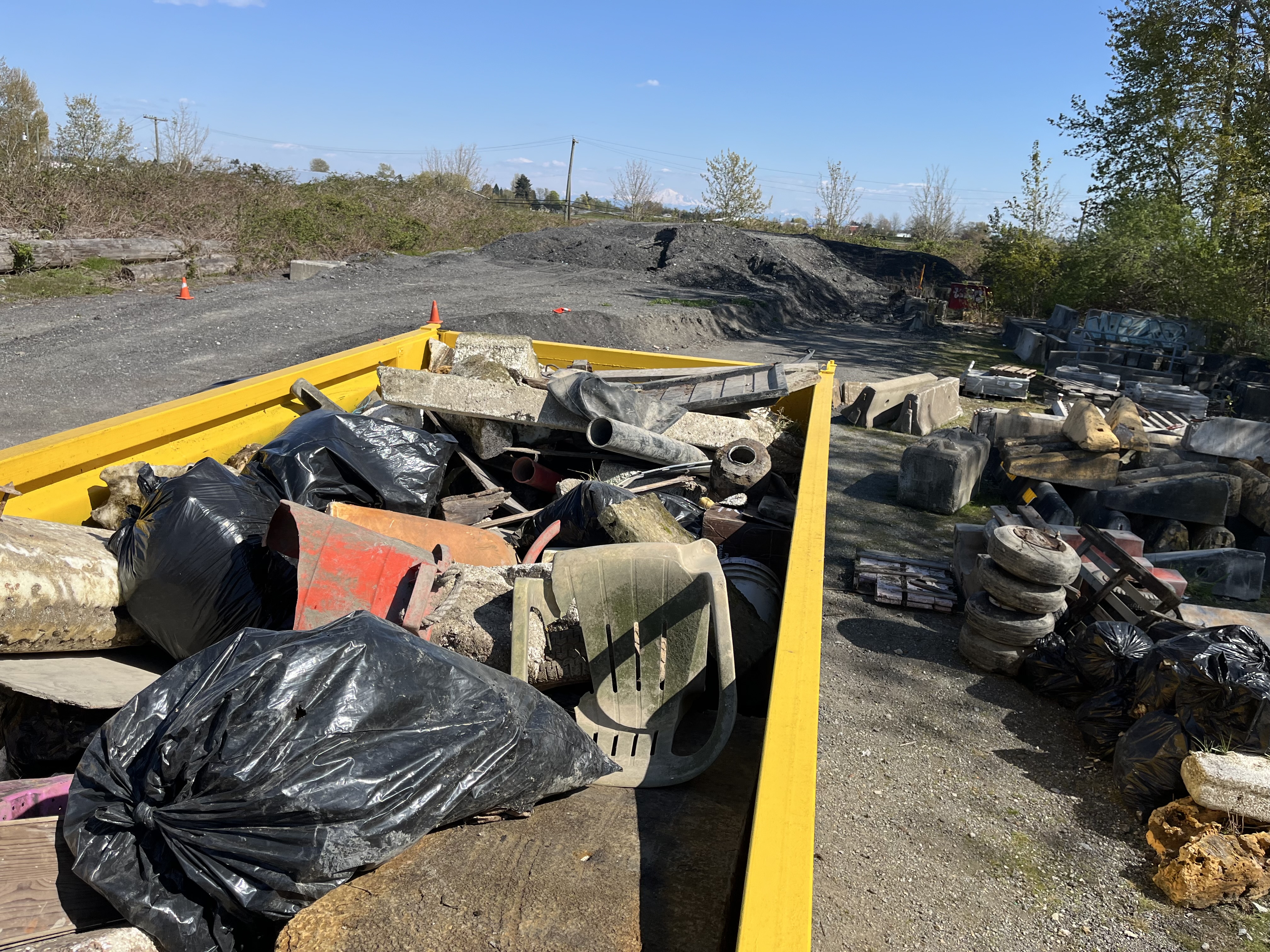
Restoring the Fraser River Estuary — Doubling Targets and Conservation Efforts
“When you’re looking at the tidal marsh islands from a distance from across the South Arm, they look like they’re non-impacted. As soon as you step foot on the islands, however, you’ve collected a garbage bag worth of debris within two steps.” – Haiden MacDonald, BCWF Fish Habitat Restoration Coordinator. In the age of readily…
-

First Set of Beaver Dam Analogues (BDAs) Built
In mid-July, our team under the leadership of Jen Rogers, BCWF’s Beaver Restoration Assessment Lead, embarked on the first few of 100 BDAs set to be built across the province over the next two years. To date, our beaver and fish habitat restoration teams have installed baseline monitoring equipment at 7 project locations across the…