
Category: Field Insights
-
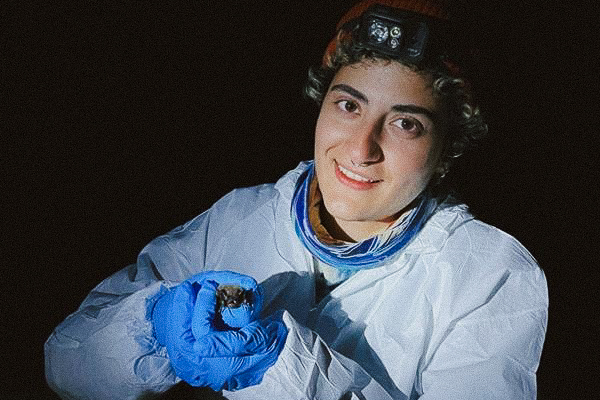
Little Brown Bats — From Curiosity to Conservation
When I think about the moment I fell in love with bats, I’m taken back to my childhood home near the Caspian Sea in Iran. One summer evening, a bat flew into our house, sending my family scrambling into the bedroom. I was young and scared, peeking out from behind the door—but also curious. There was something about…
-

Get to Know the 5 Freshwater Wetland Classifications!
From mossy bogs and spongy fens to forested swamps and vibrant marshes, wetlands are among the most ecologically rich ecosystems on the planet. Each type plays a unique role in supporting biodiversity, filtering water, storing carbon, and helping to reduce the impacts of floods and drought. Wetlands support an incredible variety of life. Often…
-

Understanding Beaver Dam Analogues — Q&A with Jennifer Rogers
Restoring streams, floodplains, and wetlands doesn’t always require heavy machinery. Sometimes, simple, nature-based solutions are the most effective. That’s the idea behind low-tech process-based restoration (LTPBR)—an approach that uses natural materials and processes to support ecosystem recovery. Two widely used techniques involve building simple, hand-crafted structures inspired by nature: Beaver Dam Analogues (BDAs) and Post-Assisted…
-
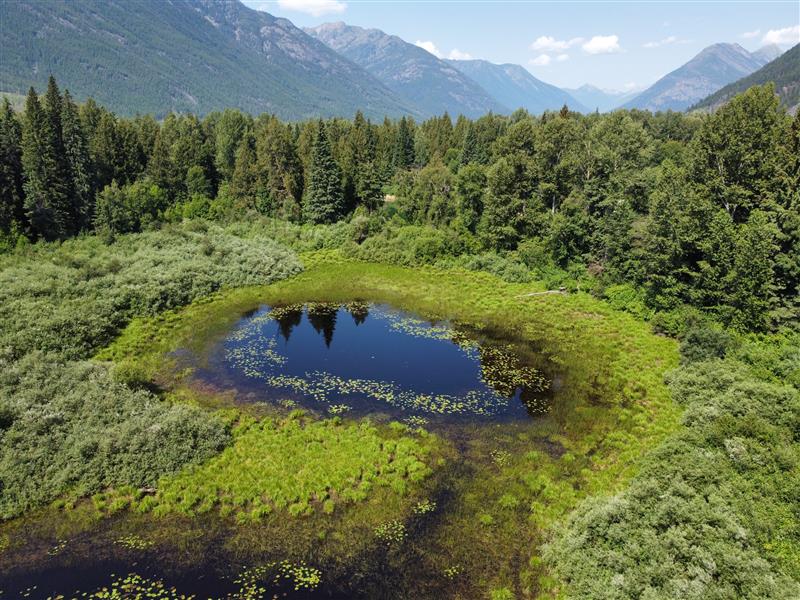
Using Laws and Legislation to Protect Your Wetlands
Have you ever seen someone filling in, draining, or destroying a wetland and wondered, “are they allowed to do that?!“ Maybe it’s your neighbor harming a wetland on their private property and you have concerns about it. Or, maybe there’s a new development proposed that will pollute your favorite wetland. Now that the value of natural ecosystems is becoming more appreciated and understood as a critical component of our landscape, it is important to learn how we…
-
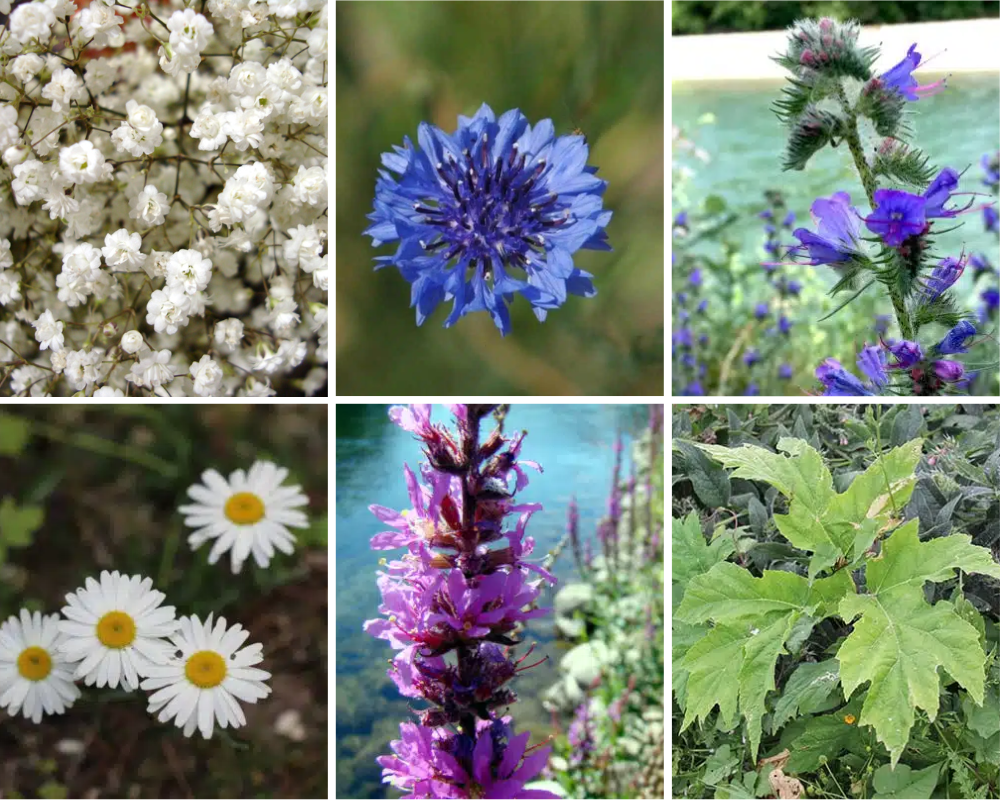
Common Wetland Invasives
In recognition of National Invasive Species Awareness Week 2025, the B.C. Wildlife Federation is highlighting the growing threat of invasive species in B.C.’s wetlands. Since 1996, the BCWF has been a leader in wetland conservation, working to protect, restore, and spread the word about these critical ecosystems across the province. Wetlands play a crucial role…
-

Microplastics Are No Small Problem
Microplastics are everywhere—floating in our waterways, drifting through the air we breathe, and settling in delicate ecosystems. These tiny plastic particles aren’t just a concern for humans, who unknowingly consume thousands of them daily; they’re also invading fish and wildlife habitats, disrupting food chains and threatening biodiversity. But what exactly are microplastics, and why do…
-
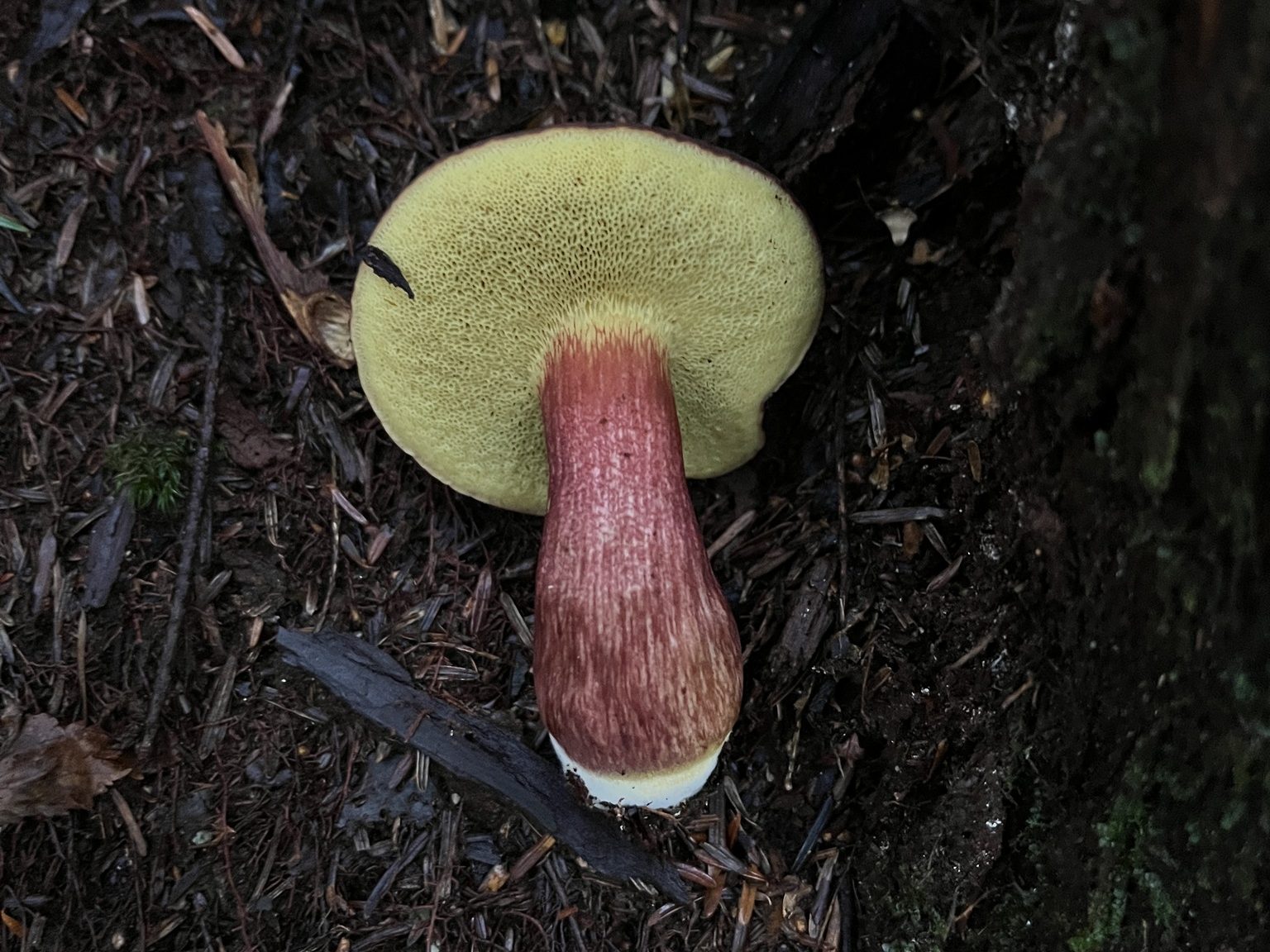
The Secret World of Wetland Fungi
Wetland fungi play a vital role in shaping wetland ecosystems and habitat for a huge variety of fish and wildlife, according to the B.C. Wildlife Federation’s resident “fun guy,” amateur mycologist, Todd Huang. These humble mushrooms form partnerships with plants, increase soil fertility, and even clean the water of pollutants, all without drawing much attention…
-
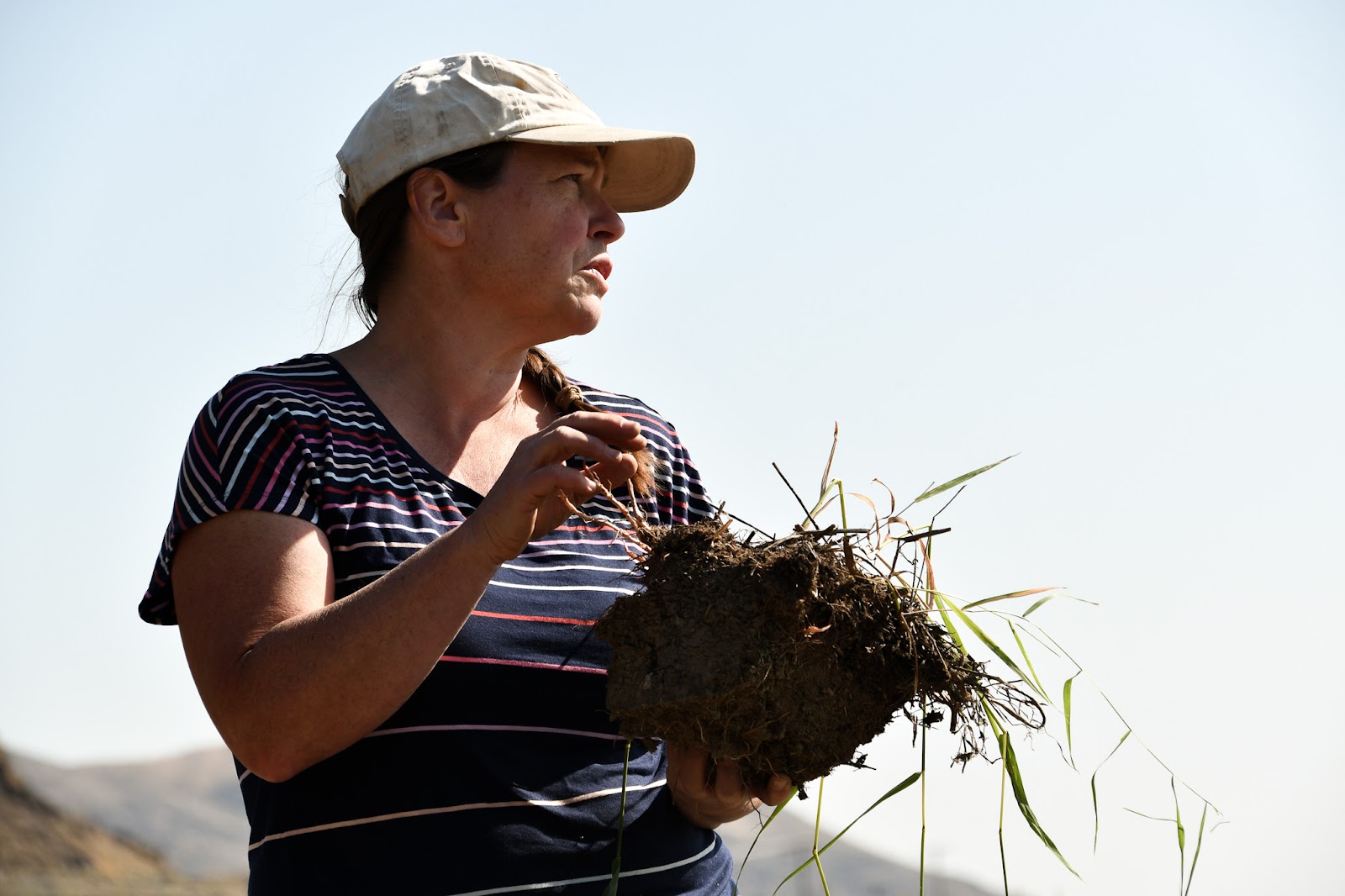
From Forage to Foe — The Environmental Impact of Reed Canarygrass Invasion
For over a decade, Dr. Catherine Tarasoff has been working to mitigate the impacts of invasive species in British Columbia. Equipped with a PhD in Weed Science (otherwise known as Crop Science) from Oregon State University, Dr. Tarasoff’s expertise highlights the necessity of knowledge-driven management strategies to combat these ecological threats. One particular focus has…
-

Toxic Tire Leaching — A Threat to Salmon Survival
The importance of removing harmful debris, such as tires, from the Fraser River Estuary cannot be overstated. Between 2021 and 2024, the B.C. Wildlife Federation’s Fraser River Tidal Marsh Clean-up team worked tirelessly to tackle this issue. Crew members reported finding a wide range of random debris in the estuary—shoes, hats, flip-flops—scattered across islands where…
-

Becoming a Community Scientist
Community science is a fun activity for everyone to enjoy – no matter your skill level! Did you know Earth Day is April 22? With nature shaking off the winter blues, it’s no wonder we celebrate this beautiful planet in the spring! And as the first sightings of spring pop up throughout the province, there…