
Category: Conservation Tools
-
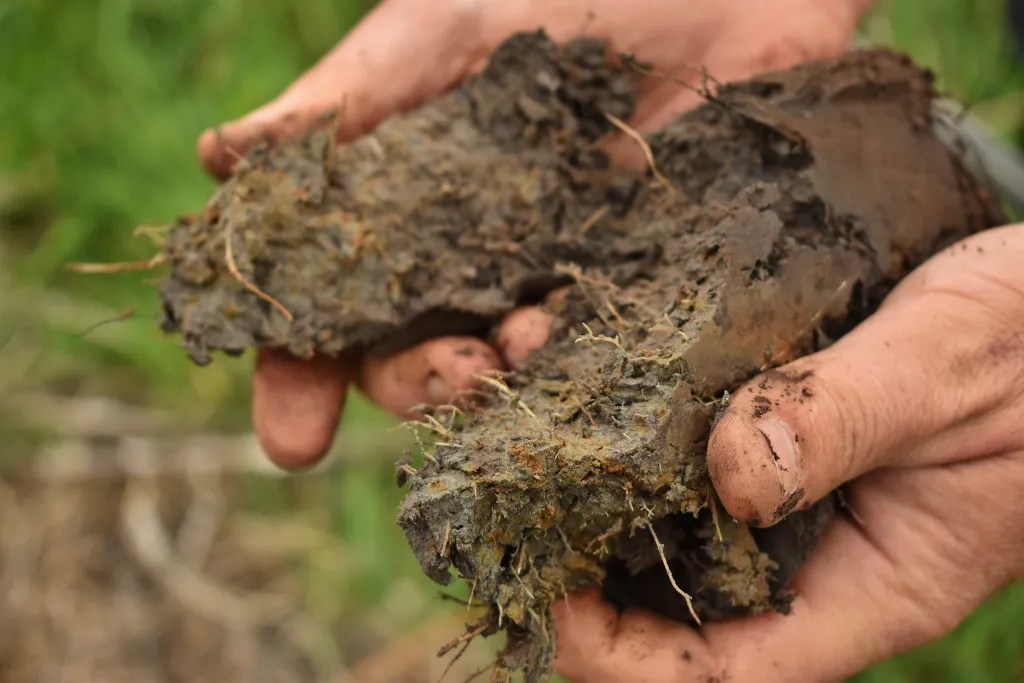
Registration Now Open! Wetland Classification, Delineation, WESP, Beaver Co-Existence, and More!
Join us For Hands-On Wetland Assessment Training in the Lower Mainland! Wetlands play an important role in flood mitigation, carbon storage, and provide critical habitat to hundreds of species, yet identifying and assessing them in the field can be challenging without hands-on experience and training. Wetland Assessment Course This July, the BCWF’s Wetlands Education Program will be offering a multi-session Wetland Assessment Course in the…
-
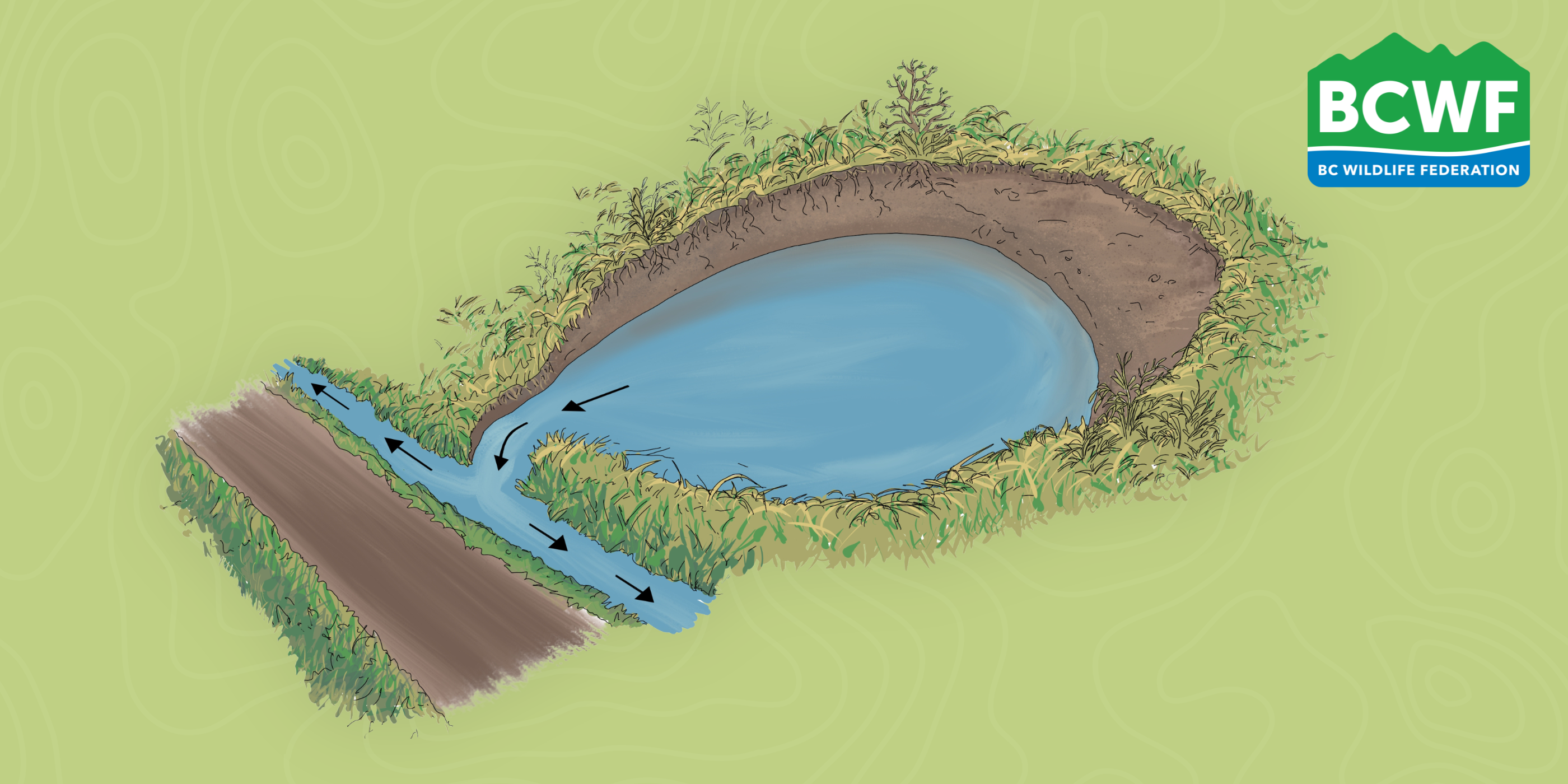
Road Impacts on Wetlands
Across British Columbia, roads often cross or run alongside wetlands. When this happens, they can change how water moves across the land and reduce habitat for fish and wildlife. Wetlands provide year-round food, cover, and water for a diverse range of fish and wildlife species, including moose, elk, waterfowl, salmon, and beavers. They also support…
-

Aspiring Biologist Profile — Kaia Bjorklund
Kaia Bjorklund grew up in the forests and fens of Prince George where the land served as both her school and her playground. A member of the Lheidli T’enneh First Nation, she is a passionate, aspiring biologist with a strong connection to her heritage and the environment. Her love for nature led her to study…
-

When Roads Meet Wetlands — Assessing Impacts Across Northern B.C
Northern B.C. is shaped by wetlands — and by the roads that cross them. Understanding how the two interact is essential for protecting ecosystems and planning future development. This past field season, the BCWF Watershed Team and our First Nations partners hit the ground running, putting the Federation’s newest conservation tool, the Road Impact Wetland…
-

Assessing Road Impacts on Wetlands in Northern B.C.
Introducing BCWF’s RIWHA Tool Across British Columbia, roads and industrial infrastructure continue to reshape wetland ecosystems—this is especially true in northern B.C., where decades of hydroelectric development and land-use change have left lasting marks on the landscape. To better understand and respond to these impacts, the B.C. Wildlife Federation has launched a new tool: the…
-
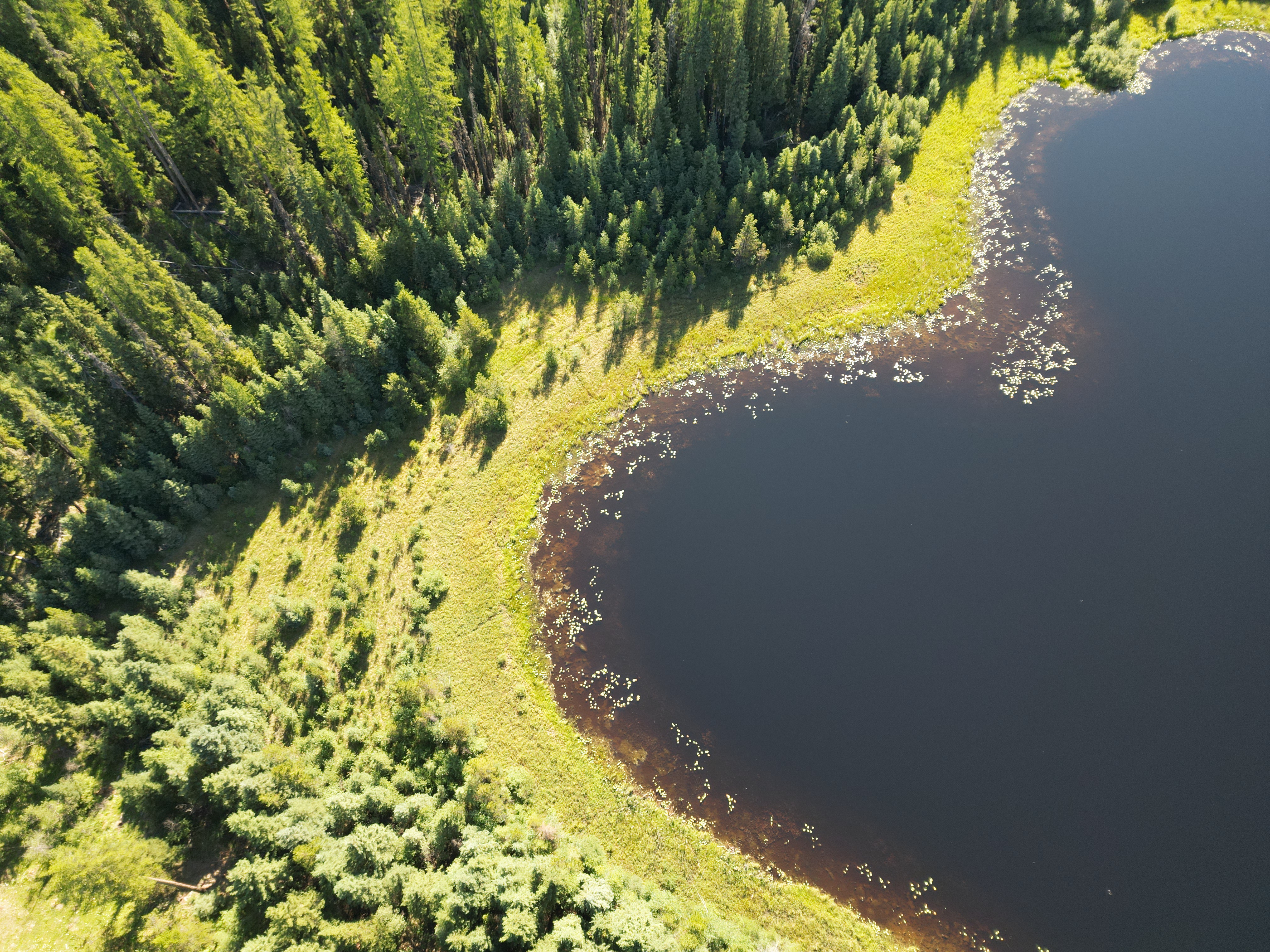
Advancing Wetland Conservation — 2024 End of Season WESP Update
Over the past three years, the B.C. Wildlife Federation’s Wetland Ecosystem Services Protocol (WESP) initiative has achieved remarkable milestones, setting the groundwork for a standardized approach to conserving wetlands in British Columbia. The WESP tool, originally developed by Dr. Paul Adamus, aims to provide a standardized method for assessing the critical functions and values of…
-
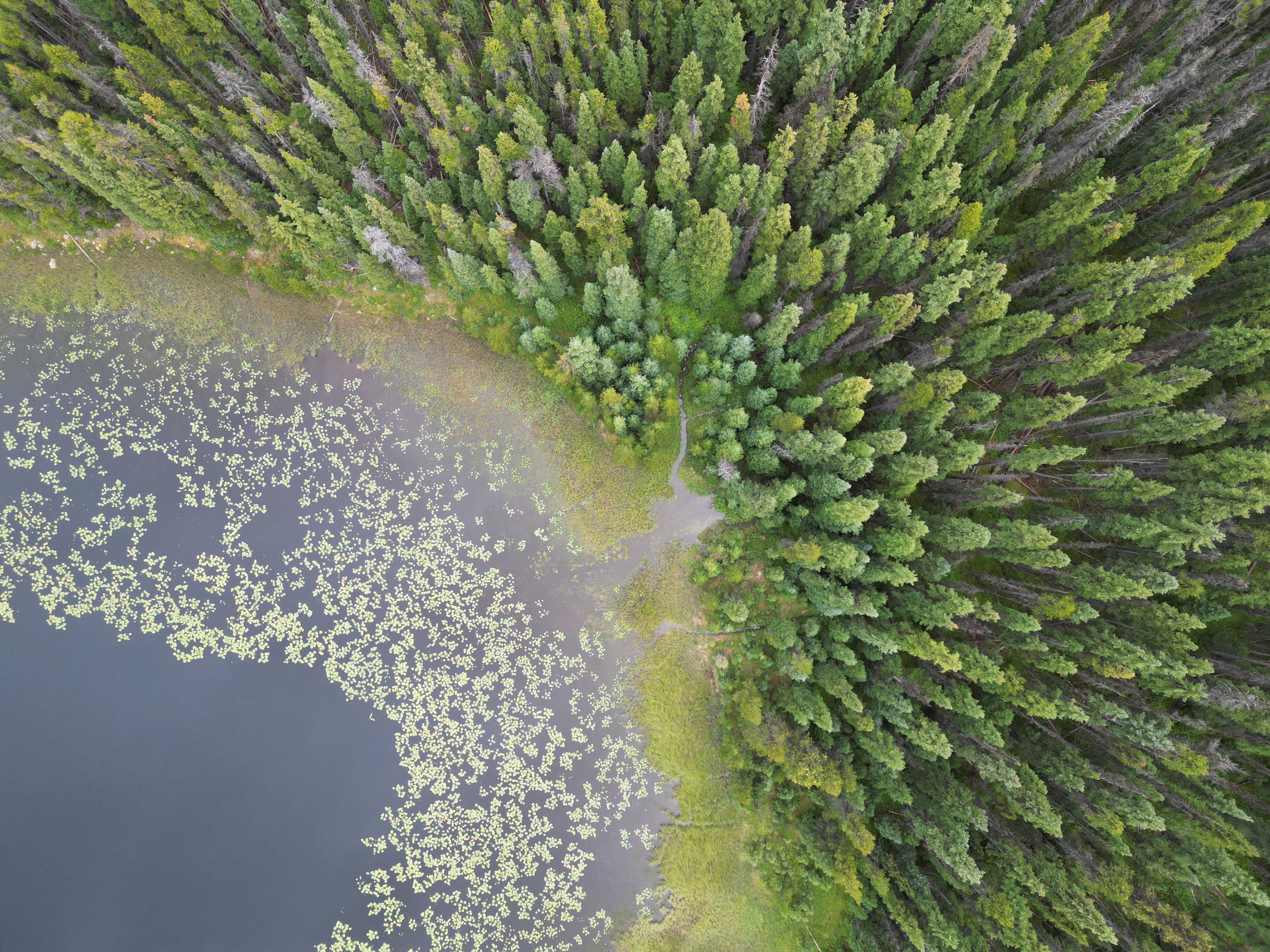
Wetland Ecosystem Services Protocol — A Powerful Tool For Assessing Wetlands
A new assessment tool for wetlands offers a practical way to view these critical habitats, quantify the services they provide, and identify high-value wetlands for restoration and enhancement. “The Wetland Ecosystem Services Protocol (WESP) will shape wetland policy in B.C. by providing decision-makers with information about the natural ecosystem benefits provided by wetlands,” said Kyla…
-

Northern Lights College Students Help Assess Wetland Health in the Northeast
The B.C. Wildlife Federation’s Wetlands Workforce (WW) crews have been out in wetlands across the province collecting data for a rapid wetland health assessment.
-

The Workforce Calibrating B.C.’s Wetlands
Every day a new wetland that brings with it bigger challenges, unexpected answers, and a greater understanding of its functions and values. Wetlands Workforce work-pods have been out in the field conducting the Wetlands Ecosystem Services Protocol (WESP).
-
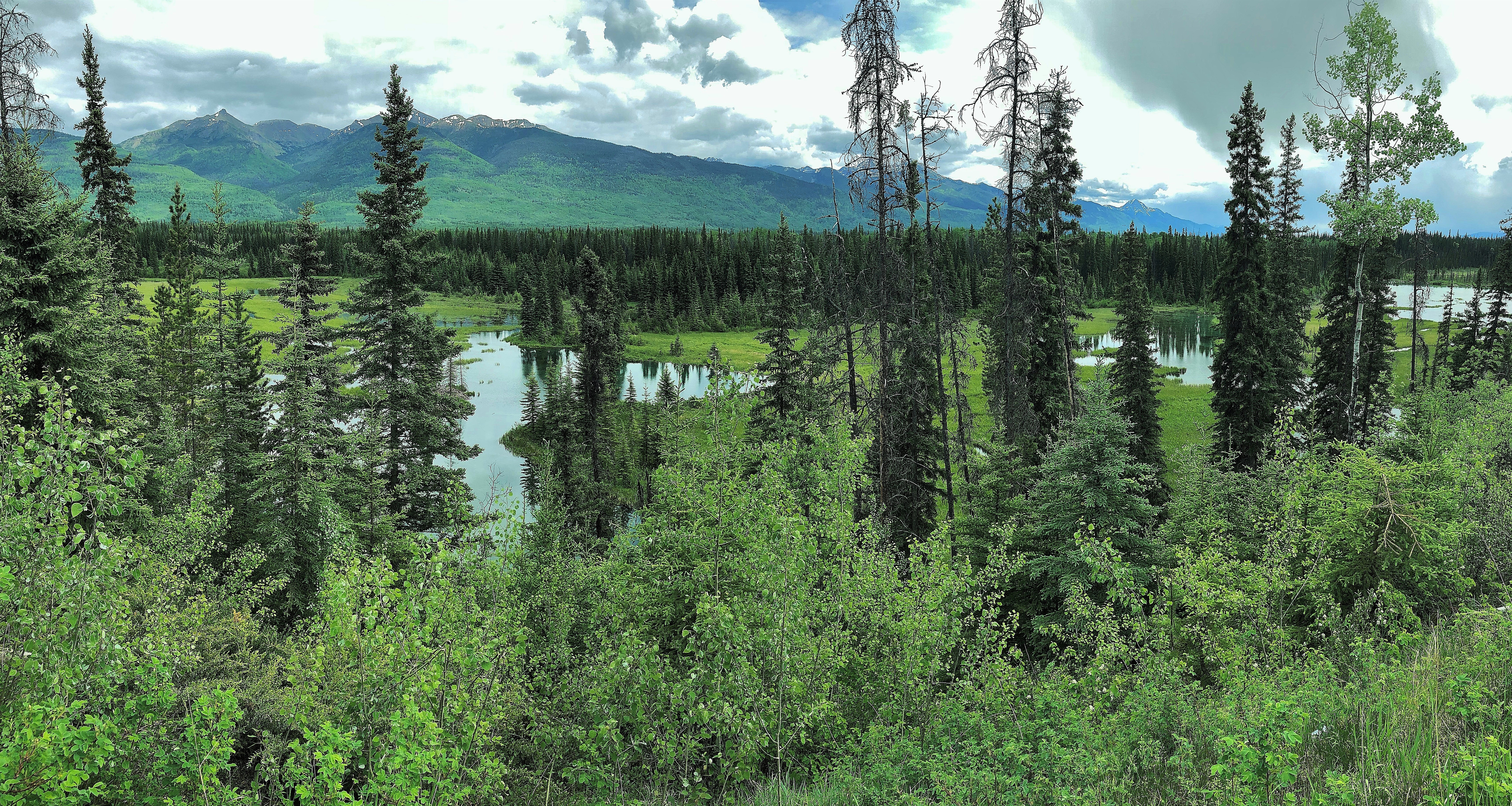
Wetland Ecosystem Services Protocol and Predictive Mapping
Two of the major tasks our Wetlands Workforce crews are working on this year are the Wetlands Ecosystem Services Protocol (WESP) and Predictive Mapping.