Author: Jamie Long
-
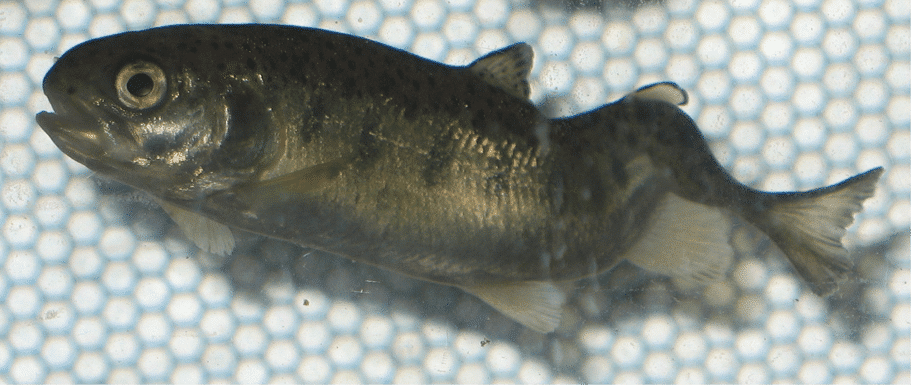
Whirling Disease — A Threat to B.C.’s Fish and Freshwater Ecosystems
Invasive species can have devastating impacts on B.C.’s freshwater ecosystems, threatening fish populations, altering habitats, and compromising water quality. One of the most concerning emerging threats is whirling disease, a microscopic parasite that affects juvenile salmonid fish, including trout and whitefish. For National Invasive Species Awareness Week 2025, the B.C. Wildlife Federation is bringing attention to whirling disease,…
-
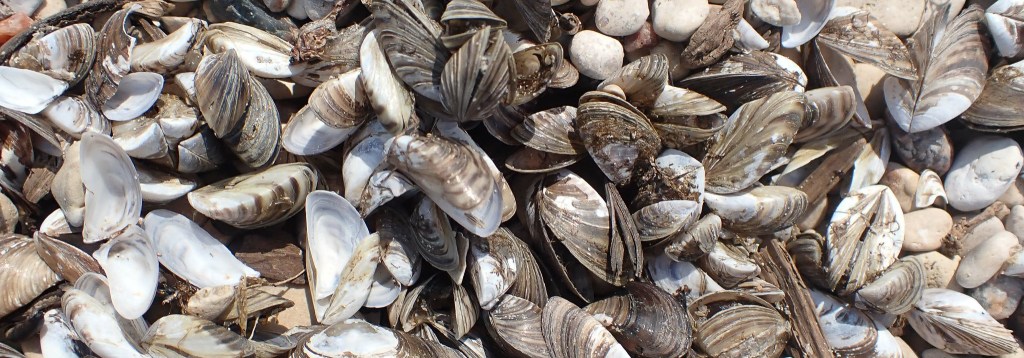
Invasive Mussels — An Immediate and Preventable Threat
Invasive species pose a serious risk to B.C.’s lakes and rivers, with the potential to disrupt entire ecosystems. Among the most destructive are zebra mussels (Dreissena polymorpha) and quagga mussels (Dreissena rostriformis bugensis), which spread rapidly, damaging aquatic habitats, fisheries, and water systems.] For years, the BCWF has advocated for protections against these invasive mussels,…
-
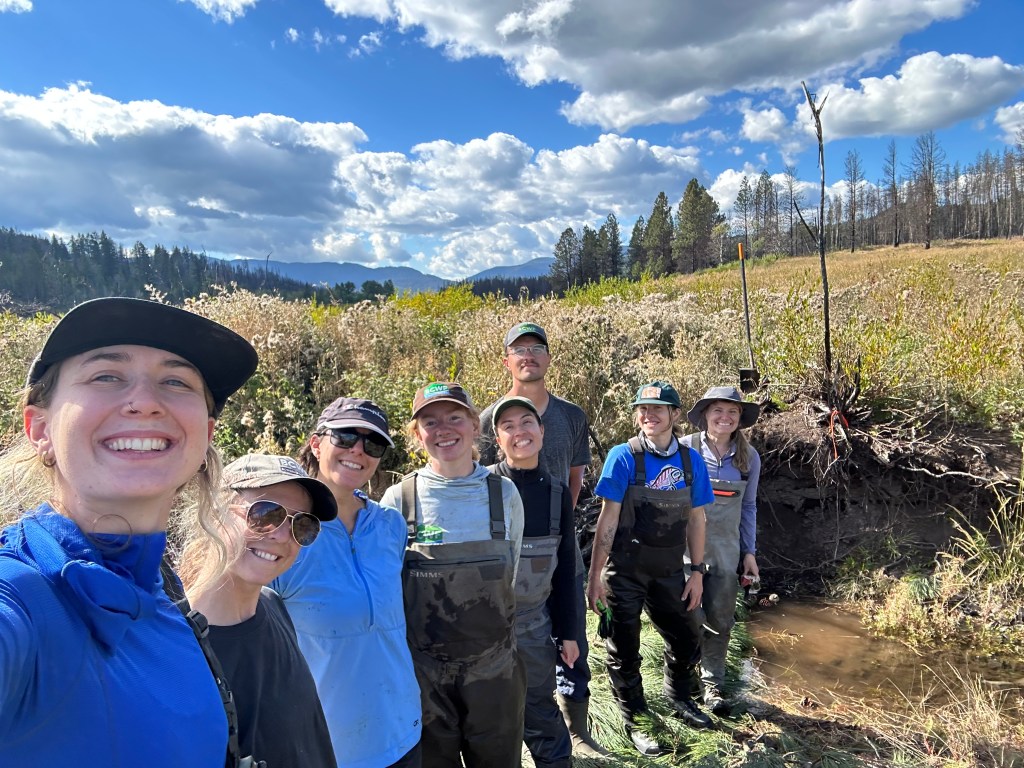
Happy International Day of Women and Girls in Science!
Today, February 11, 2025, is the tenth annual United Nations International Day of Women and Girls in Science. About three quarters of the staff at the B.C. Wildlife Federation are women, all of whom work hard to restore habitat, protect watersheds, advocate for fish and wildlife conservation, and enhance conservation awareness across the province. The BCWF…
-
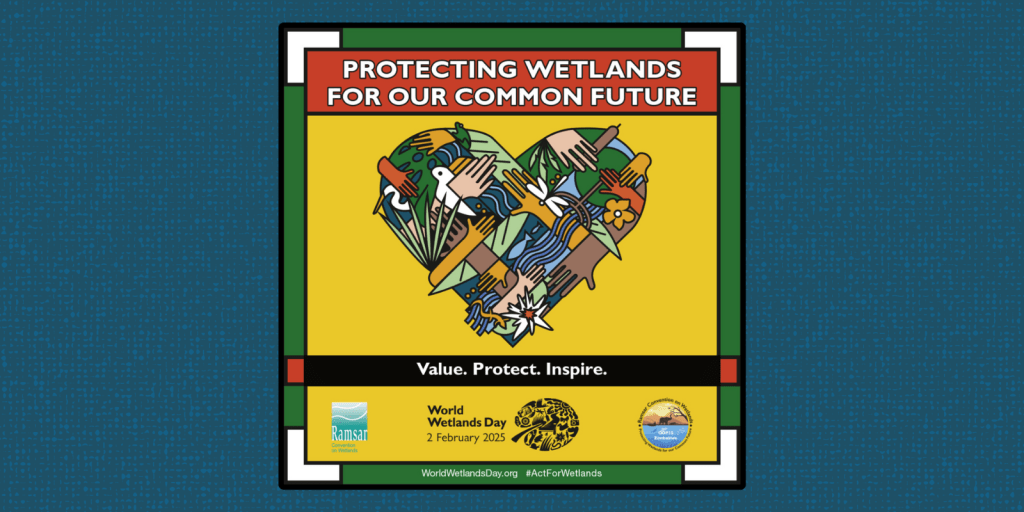
World Wetlands Day 2025 — Protecting Wetlands for Our Common Future
Today’s youth play a crucial role in what must be a collective effort to protect, restore, and sustainably manage wetlands across B.C., Canada, and the world. On World Wetlands Day 2025, the B.C. Wildlife Federation is embracing the theme Protecting Wetlands for Our Common Future, emphasizing the importance of collaborating with young people to value…
-
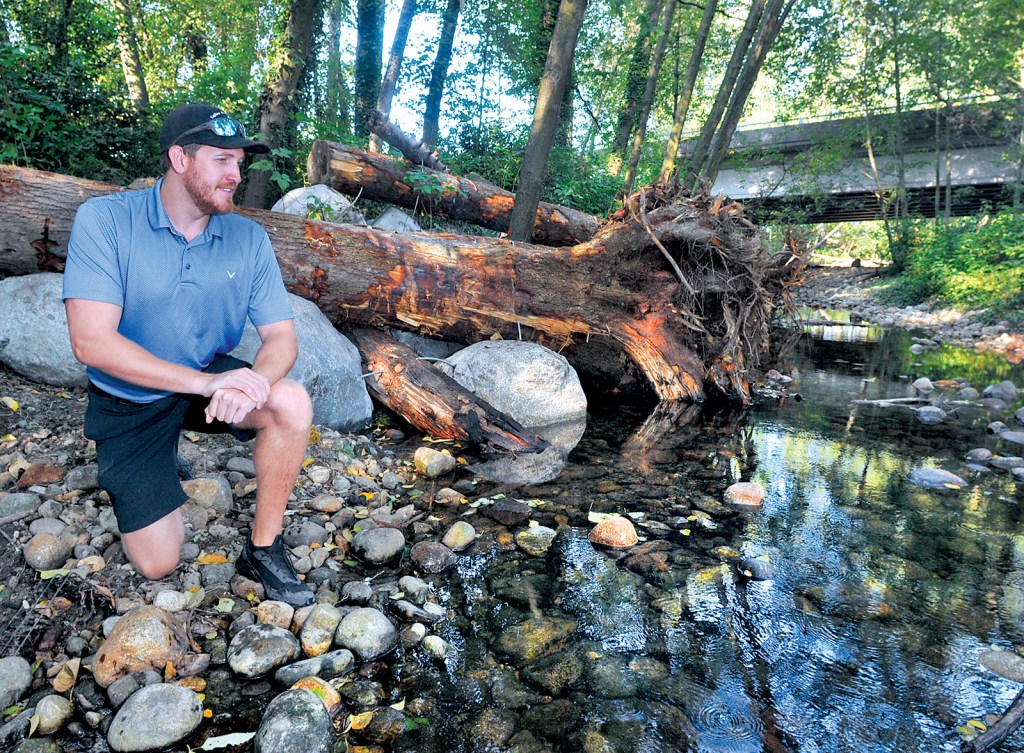
Bringing Back the Chum — Mosquito Creek Restoration
Mosquito Creek in North Vancouver was once a thriving salmon-bearing stream, but decades of urbanization, channelization, and flood control measures dramatically changed its course—both literally and ecologically. Since the 1960s, human impacts have degraded the creek’s natural habitat, making the return of salmon a rare sight. Recognizing the urgent need for restoration, the North Shore…
-
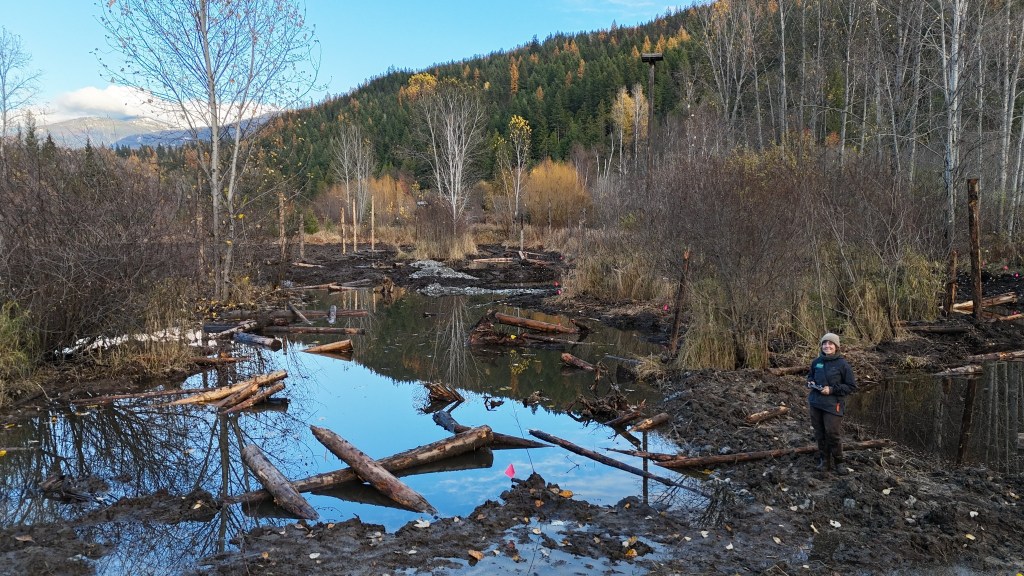
Restoring Balance — Wetland Renewal at Crooked Horn Farm
In the heart of Winlaw, B.C., Crooked Horn Farm has transformed a portion of its farmland into a vibrant wetland habitat through a partnership with the Slocan River Streamkeepers, the B.C. Wildlife Federation, and two organic farm owners. This initial project, introduced in 2016 and carried into 2017 by local conservationist and Program Manager for…
-
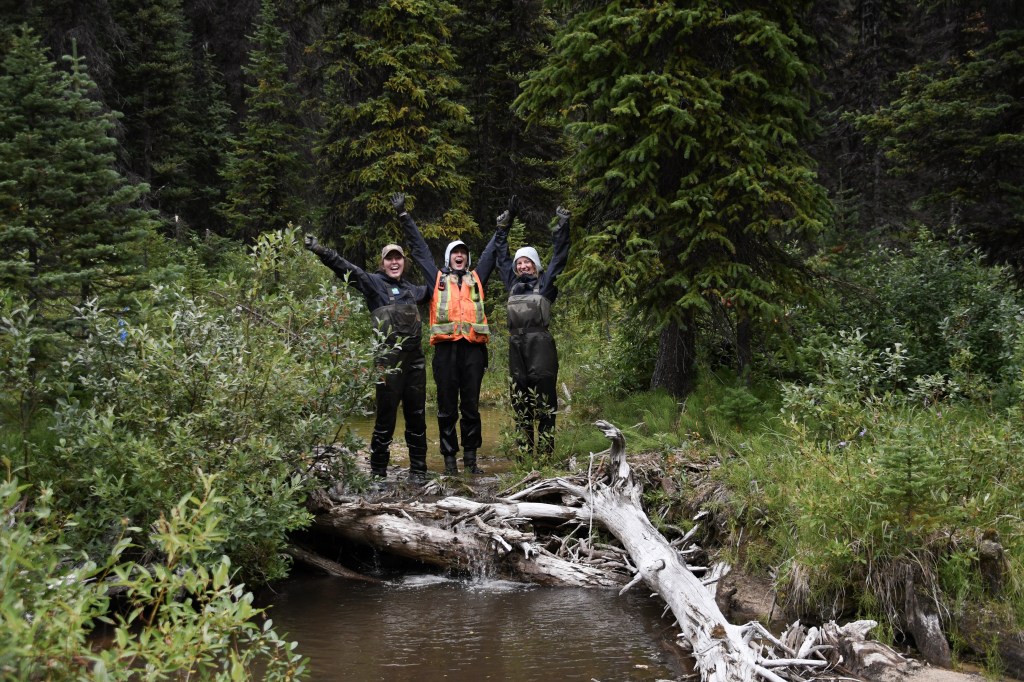
Building Like Beavers — BCWF’s 10,000 Wetlands Project Update
BCWF’s 10,000 Wetlands Project Aims to Restore British Columbia’s Watersheds After centuries of beaver exploitation and loss of productive beaver habitat, the B.C. Wildlife Federation is transforming ecosystem restoration in British Columbia through its innovative 10,000 Wetlands project. This initiative leverages low-tech process-based restoration (LTPBR) techniques, inspired by beavers’ tenacious dam-building tendencies, to address pressing…
-
Advancing Wetland Conservation — 2024 End of Season WESP Update
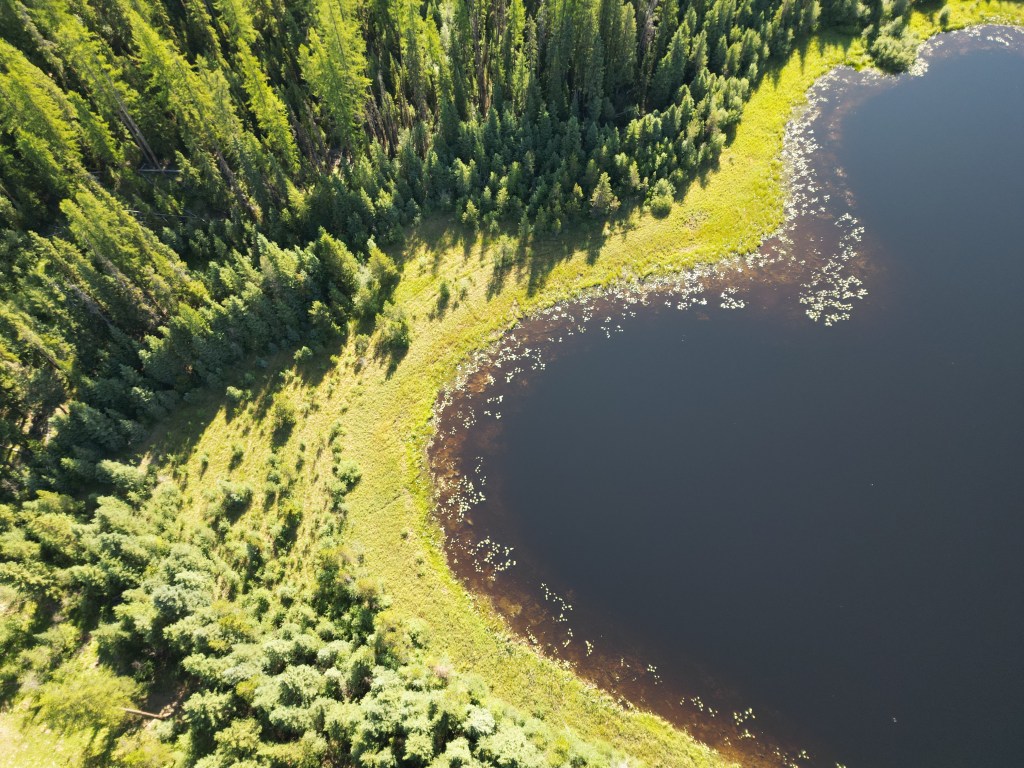
Over the past three years, the B.C. Wildlife Federation’s Wetland Ecosystem Services Protocol (WESP) initiative has achieved remarkable milestones, setting the groundwork for a standardized approach to conserving wetlands in British Columbia. The WESP tool, originally developed by Dr. Paul Adamus, aims to provide a standardized method for assessing the critical functions and values of…
-
The Secret World of Wetland Fungi
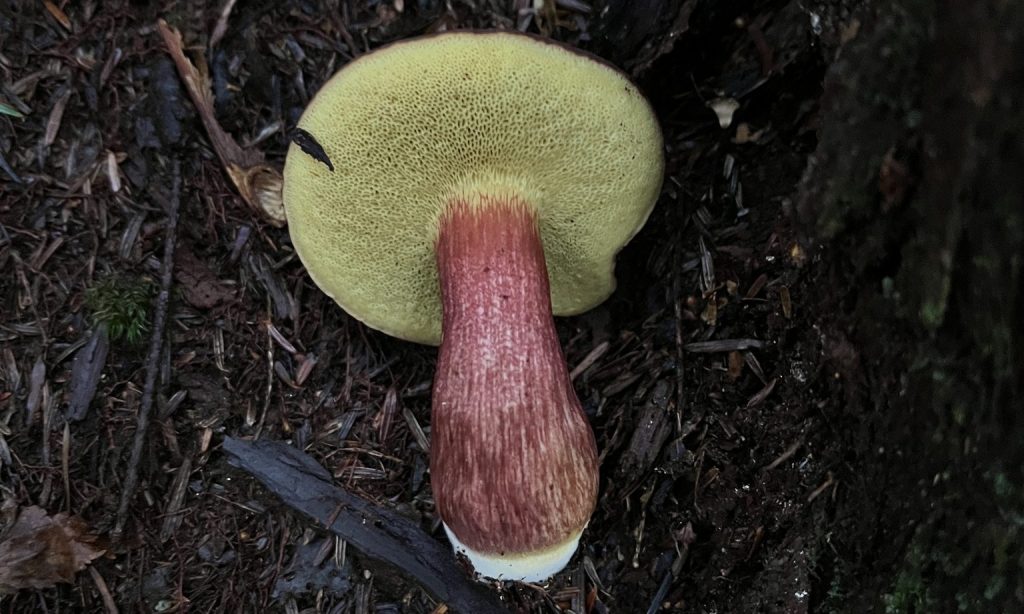
Wetland fungi play a vital role in shaping wetland ecosystems and habitat for a huge variety of fish and wildlife, according to the B.C. Wildlife Federation’s resident “fun guy,” amateur mycologist, Todd Huang. These humble mushrooms form partnerships with plants, increase soil fertility, and even clean the water of pollutants, all without drawing much attention…
-
From Forage to Foe — The Environmental Impact of Reed Canarygrass Invasion
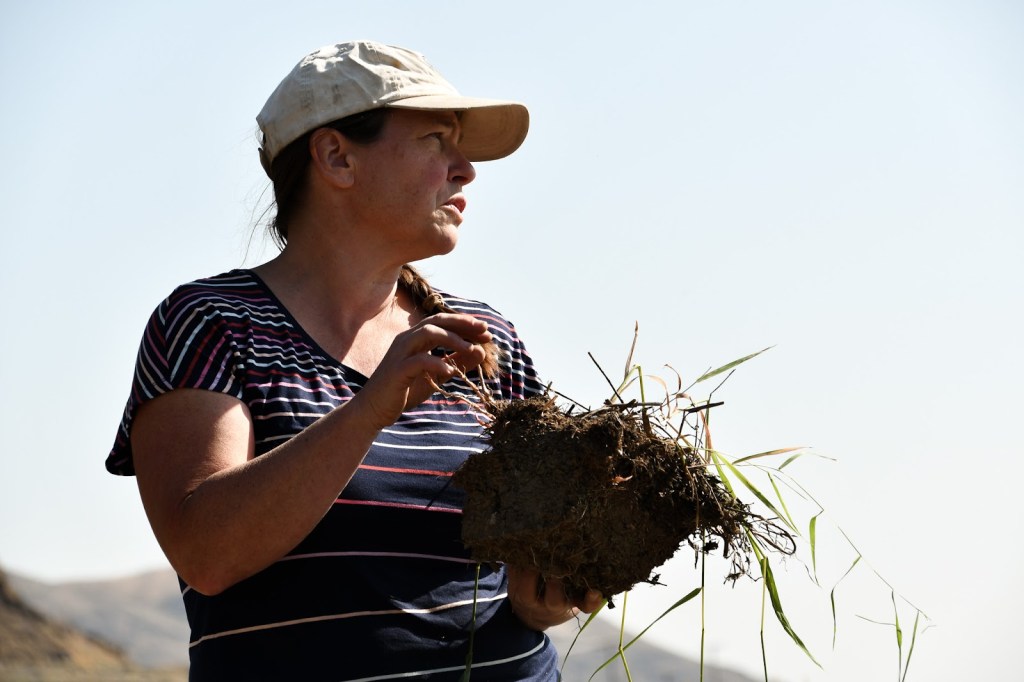
For over a decade, Dr. Catherine Tarasoff has been working to mitigate the impacts of invasive species in British Columbia. Equipped with a PhD in Weed Science (otherwise known as Crop Science) from Oregon State University, Dr. Tarasoff’s expertise highlights the necessity of knowledge-driven management strategies to combat these ecological threats. One particular focus has…
 BCWF Watershed Team