This September, the B.C. Wildlife Federation held its 22nd annual Wetlands Institute in Creston and Salmo, B.C., on the traditional and unceded territories of the Ktunaxa and Sinixt Nations.
Since its inception in 2002, the Wetlands Institute—an immersive, educational wetland conservation program—has brought together ecological professionals and environmental stewards from across British Columbia to learn and apply restoration and conservation techniques related to wetlands.
Each year, participants come to the Institute with their own projects, ready to gain new knowledge from BCWF staff and local experts.
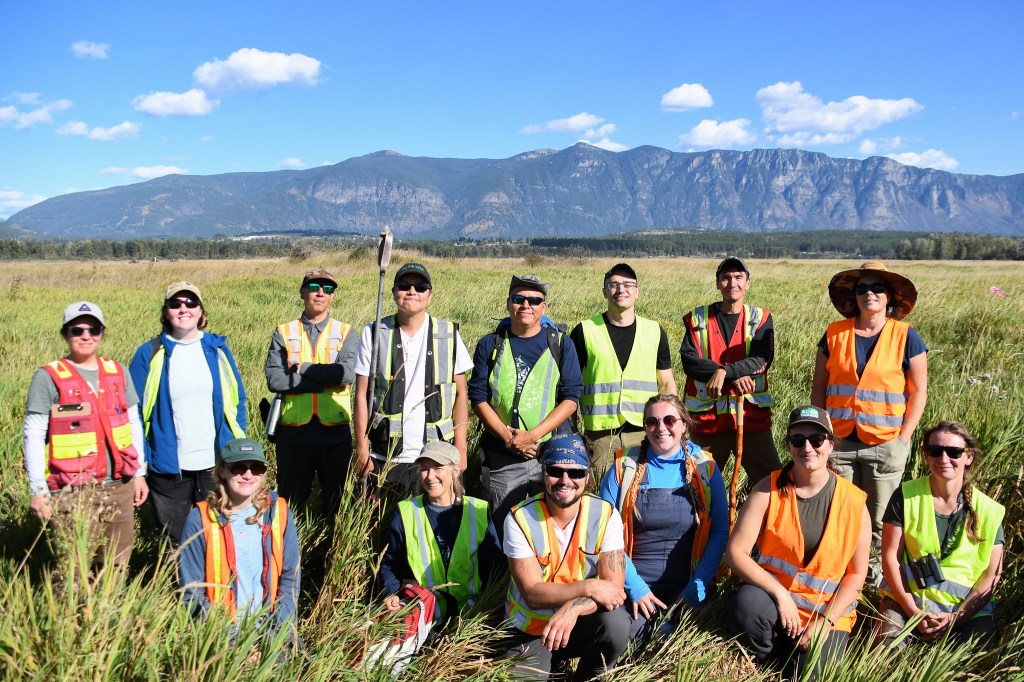
By sharing knowledge, providing hands-on learning opportunities, and fostering networking, the Wetlands Institute has had a significant impact on wetland ecosystems throughout the province. Through its grassroots, community-driven approach, the Institute has contributed to dozens of successful wetland restoration projects, resulting in heightened biodiversity, improved habitat for fish and wildlife, and the mitigation of environmental challenges such as flooding, wildfires, and drought.
The 2024 Wetlands Institute provided participants with seven days of intensive, applied learning. Uniquely, this year’s Institute also allowed participants to participate directly in an active wetland restoration project on Yaqan Nukiy territory.
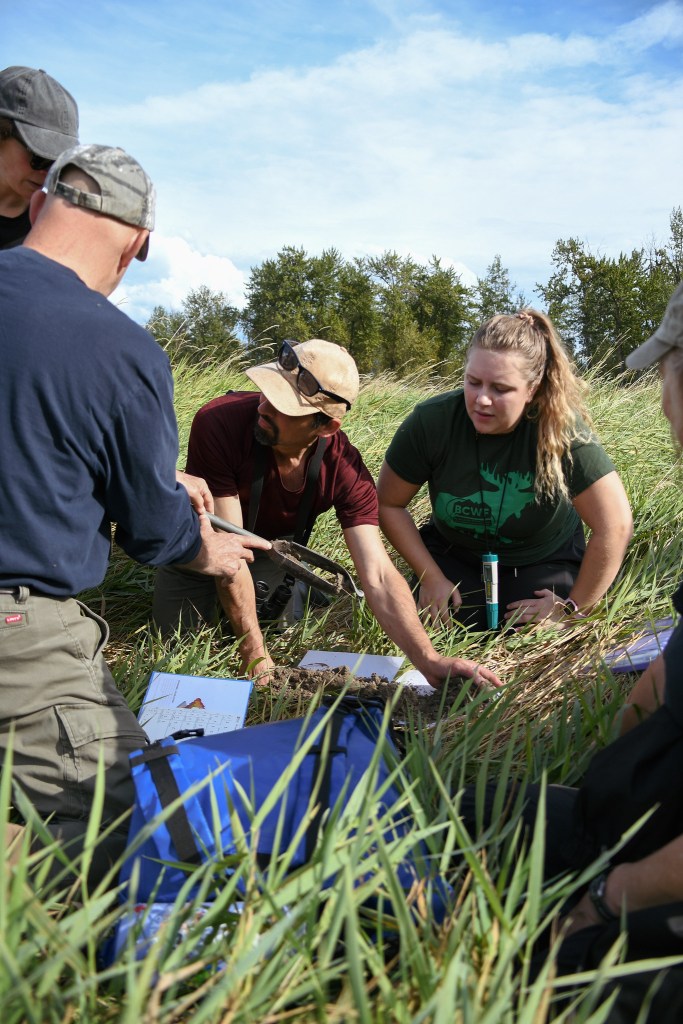
To kick off the Institute, participants had the opportunity to share their projects with the group. The program then began with an introduction to wetlands and wetland classification before the group headed into the field at the Creston Valley Wildlife Management Area (CVWMA) to apply what they had learned about the soil, plants and water of wetlands.
The following day, under the guidance of Neil Fletcher, BCWF’s Director of Conservation Stewardship, participants delved into restoration theory, a crucial foundation for the week’s field activities. Later in the week, Fletcher also led a session on the importance of grant writing, sharing practical tips on how to secure funding for conservation projects.
Additionally, representatives from the Ministry of Water, Land, and Resource Stewardship (MWLRS) presented on the Water Sustainability Act, equipping participants with the legal tools to support their restoration initiatives. Marcy Mahr from the Kootenay Conservation Program also joined to talk about the importance of landscape connectivity and the Kootenay Connect Priority Places program, providing context for the importance of habitat and wetland connectivity in the Creston Valley.
Participants also had the opportunity to view a real-world example of how wetland restoration efforts can transform long-standing developed areas at the Town of Creston’s Crawford Hill Open Reservoir Restoration Project. There, they observed the positive outcomes of a successful restoration project in which the Town of Creston transformed 4.3 hectares (10 acres) of decommissioned and inaccessible reservoirs, as well as municipal land, into an educational wetland ecosystem and public open space featuring trails, habitat restoration areas, wildlife viewing, and spectacular views of the Creston Valley.
Day three of the 2024 Wetlands Institute began with an interpretive walk led by Marc-André Beaucher, Head of Operations for the CVWMA, where participants learned about the history, management, and maintenance of this critical habitat.
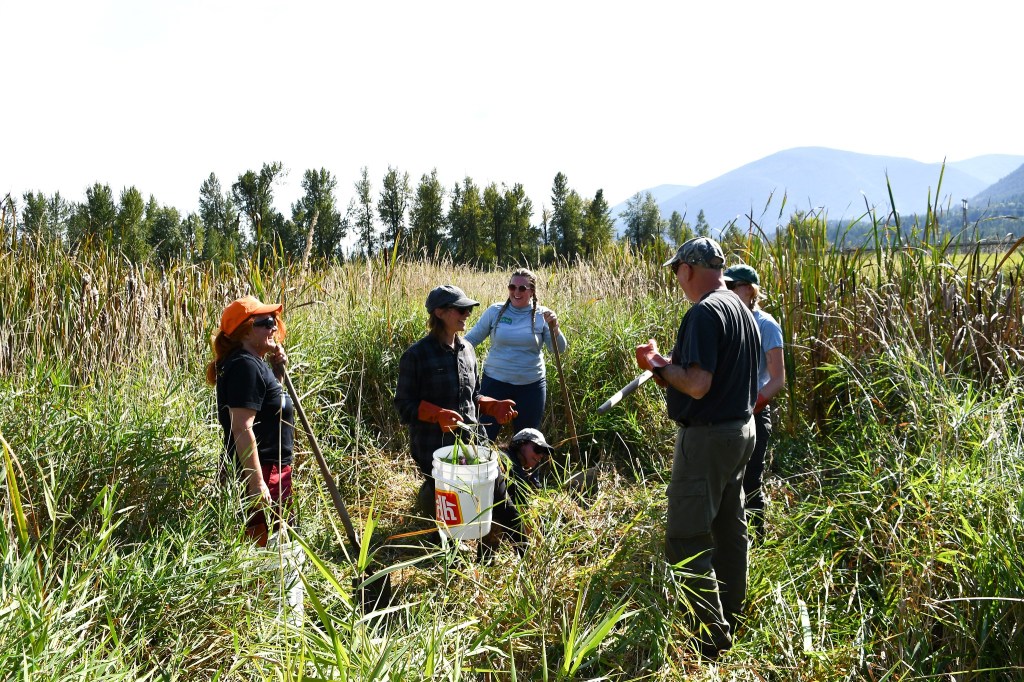
Following the walk, in partnership with Laurie Frankcom of the Central Kootenay Invasive Species Society (CKISS), participants learned about aquatic invasive species, including their risks, spread, and mitigation. Participants also got their hands dirty removing invasive yellow flag iris from the CVWMA, contributing directly to local biodiversity conservation.
With education and resource sharing at the forefront of the Wetlands Institute, Gillian Cooper, a teacher from Erickson Elementary, where BCWF assisted in building an educational wetland on-site, shared strategies for using wetlands as educational resources for students of all ages. Cooper provided valuable insights on engaging younger generations in conservation, offering participants practical ideas for integrating wetlands into educational curriculums.
Participants also traveled to Salmo, B.C., where they learned about community engagement in wetland restoration from Gerry Nellestjin of the Salmo Streamkeepers. This stop emphasized the importance of local involvement and grassroots efforts in the success of long-term wetland conservation.
A standout experience of the week was the visit to the Yaqan Nukiy (Lower Kootenay Band) wetland restoration site, a 517-hectare area located between the Purcell and Selkirk Mountain ranges. Since 2018, BCWF has worked closely with the Lower Kootenay Band to restore wetlands in this area. The project focuses on decommissioning dikes to allow natural flooding by the Kootenay River and creating pools that support a diverse range of species on traditional Yaqan Nukiy territory.
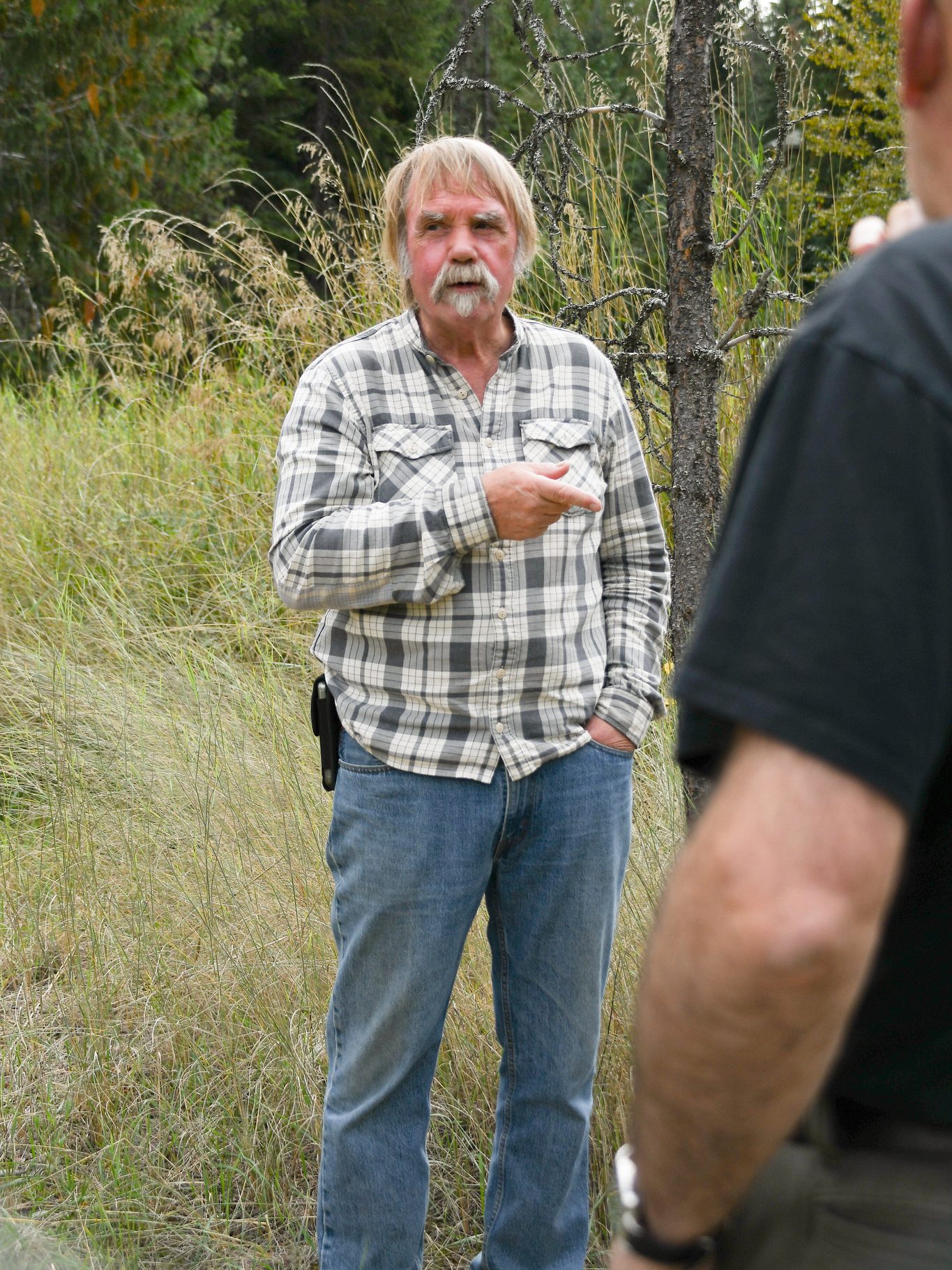
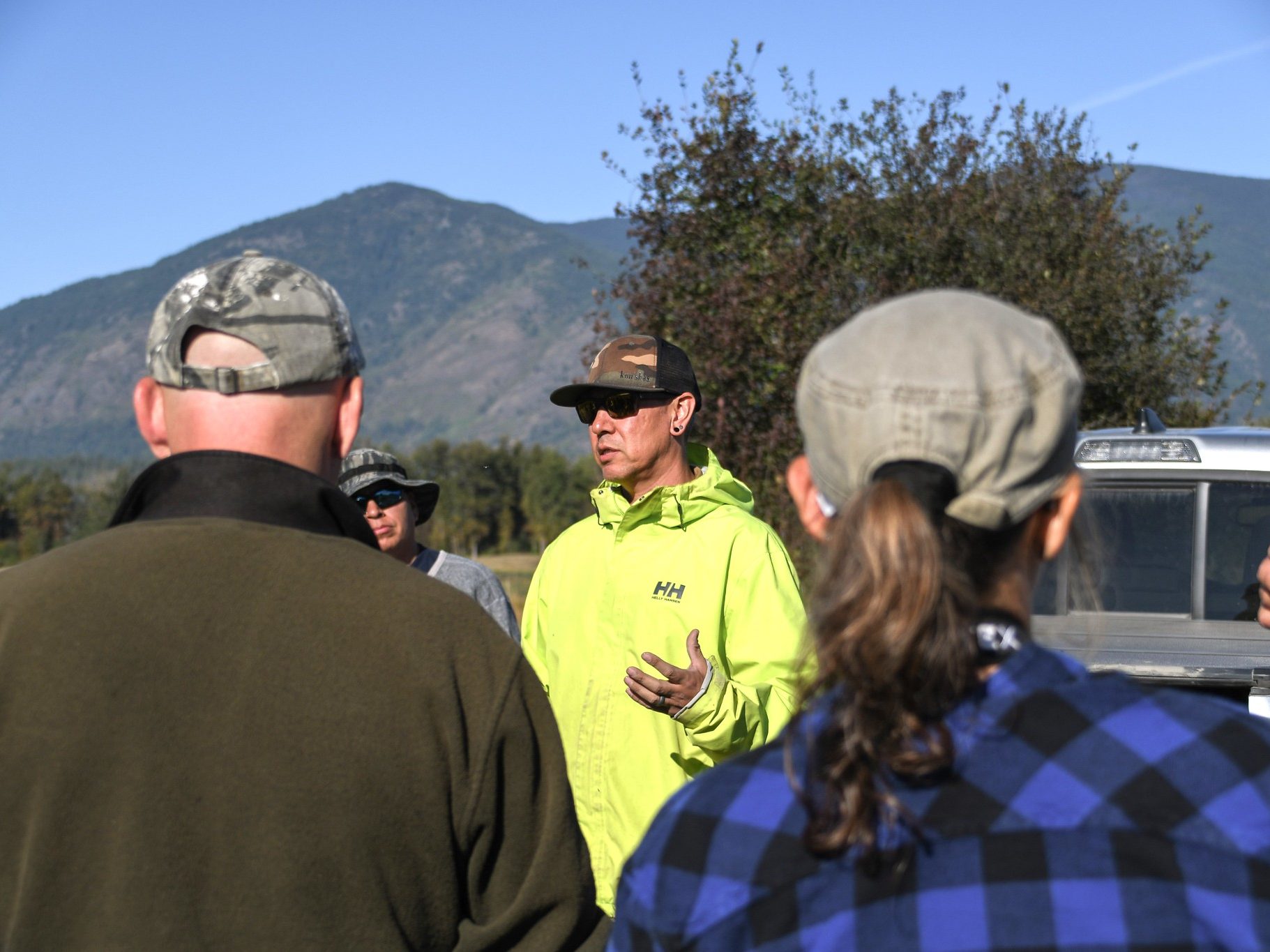
Led by Community Planner Norm Allard, participants explored both completed and active restoration areas. Allard shared Indigenous approaches to wetland restoration, land management, and the cultural connection to the land. Allard also expressed the value of Indigenous-led projects as well as the power of partnerships.
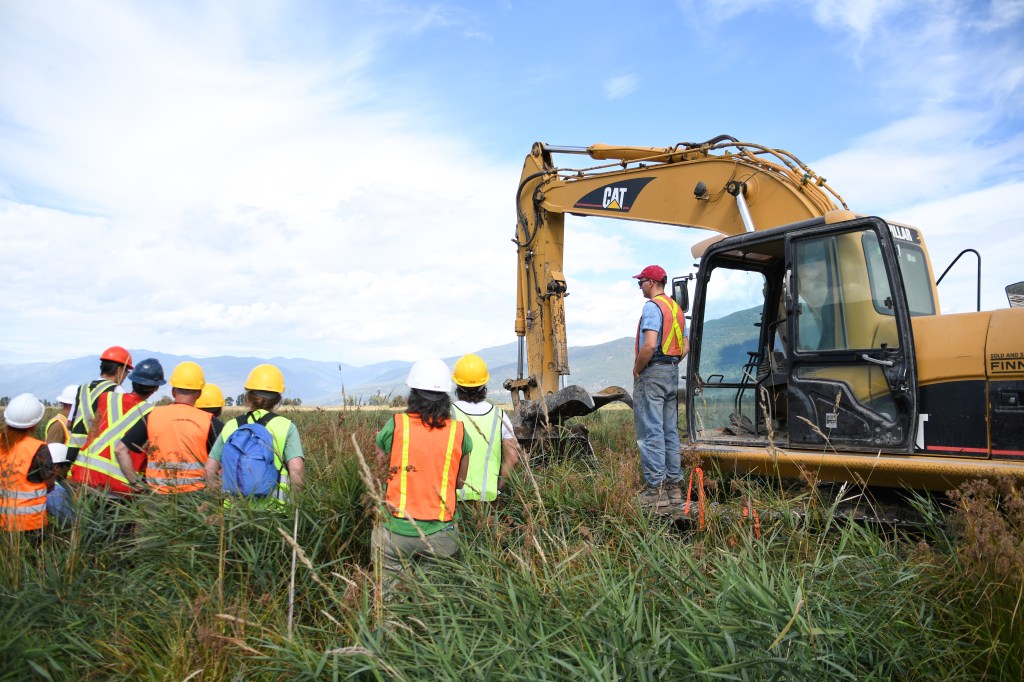
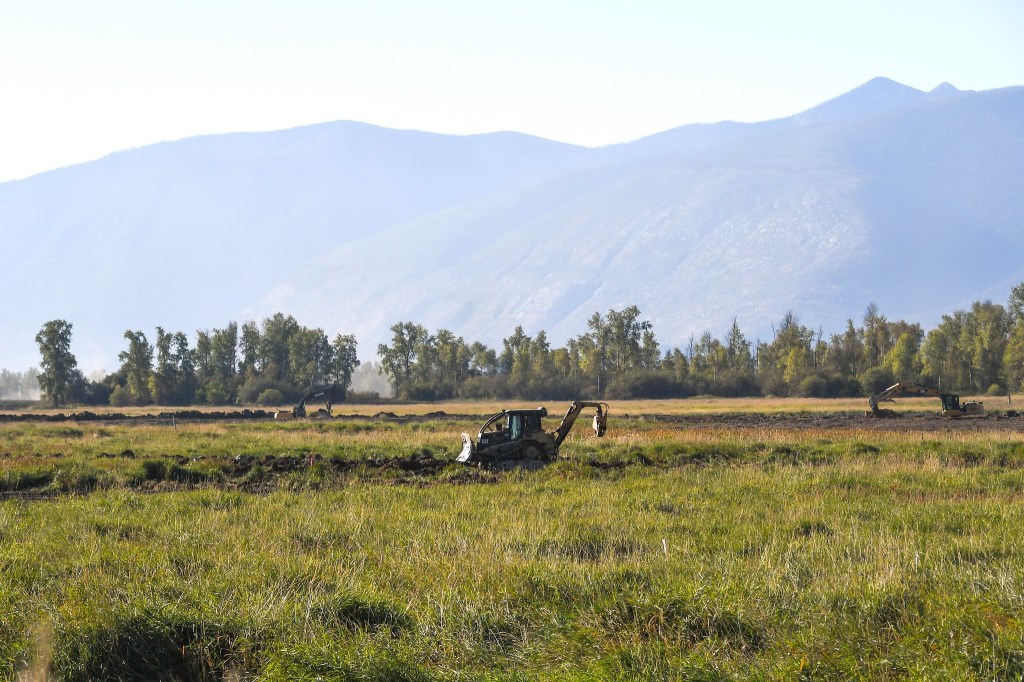
Together, under Allard’s guidance, Wetlands Institute participants flagged a new wetland and collaborated with heavy machinery operators to dig it out, ensuring the appropriate water depth and flow to support a rich diversity of plants and wildlife.
“Nobody can do this alone,” Allard’s advice echoed throughout the week. “Networking is key. Don’t be afraid to talk to people, reach out, ask questions.”
The participants concluded their week with a visit to Duck Lake at the Creston Valley Wildlife Management Area, where they joined Marc-André Beaucher for a Wetland Bird Walk and learned about design considerations for birds in their wetland projects, such as limiting tall trees around the edges as they provide a perch for predators. The group then took part in a Frog Bear Wetland Restoration field tour and attended a presentation on Phase 3 design work with Adrian Leslie of Nature Conservancy Canada. This ongoing project is benefitting landscape connectivity in the Creston Valley by helping create wildlife corridors for species such as the northern leopard frog and grizzly bear. With a continued presence of agriculture on site, this project is creating a space for frogs, bears and food to coexist while exploring ways to balance ecological function and agricultural needs.
The participants concluded their week with a visit to Duck Lake at the Creston Valley Wildlife Management Area, where they joined Marc-André Beaucher for a Wetland Bird Walk and learned about design considerations for birds in their wetland projects, such as limiting tall trees around the edges as they provide a perch for predators. The group then took part in a Frog Bear Wetland Restoration field tour and attended a presentation on Phase 3 design work with Adrian Leslie of Nature Conservancy Canada. This ongoing project is benefitting landscape connectivity in the Creston Valley by helping create wildlife corridors for species such as the northern leopard frog and grizzly bear. With a continued presence of agriculture on site, this project is creating a space for frogs, bears and food to coexist while exploring ways to balance ecological function and agricultural needs.
Gratitude to Our Partners
Thanks to hands-on learning, networking opportunities, and the insights gained from local experts, participants left the 2024 Wetlands Institute prepared and inspired to apply what they learned to their own wetland restoration projects across British Columbia.
We extend our deepest gratitude to our funders and partners: Habitat Conservation Trust Foundation, Wildlife Habitat Canada, the Province of British Columbia, Fortis BC, Creston Valley Wildlife Management Area, Nature Conservancy Canada, Yaqan Nukiy (Lower Kootenay Band), and the Salmo Watershed Streamkeepers Society.
 BCWF Watershed Team
Leave a comment