In 2023, the B.C. Wildlife Federation’s Watershed Team rolled up their sleeves and made big moves for conservation across British Columbia. From restoring wetlands to building meaningful partnerships, it was a year of impact. Read on for some of the standout moments from our team’s work this year.
Maintenance and Monitoring
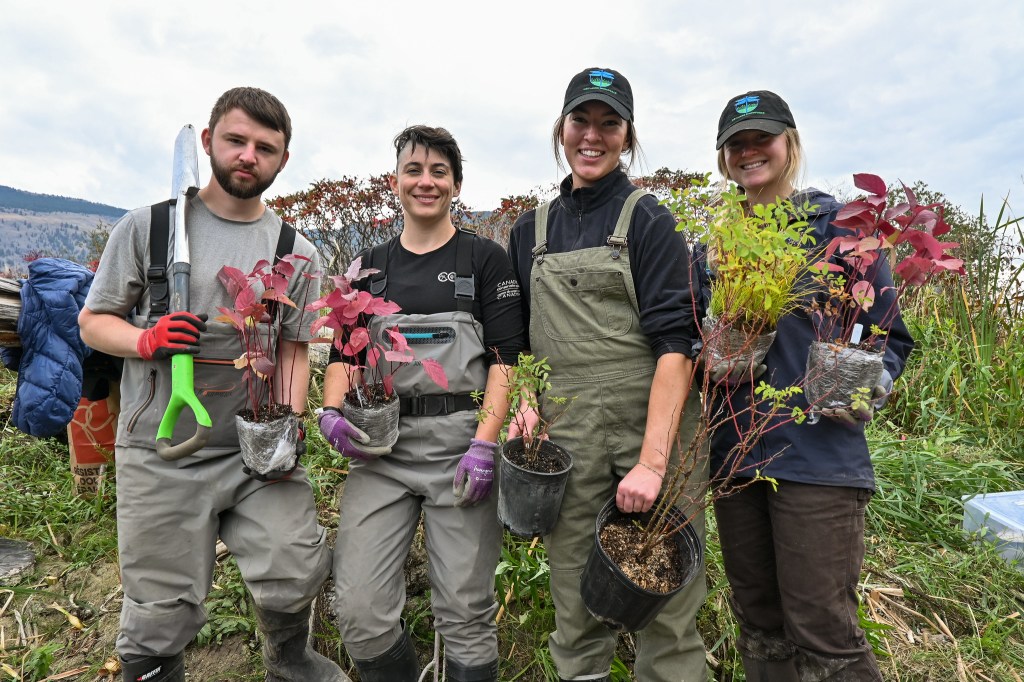
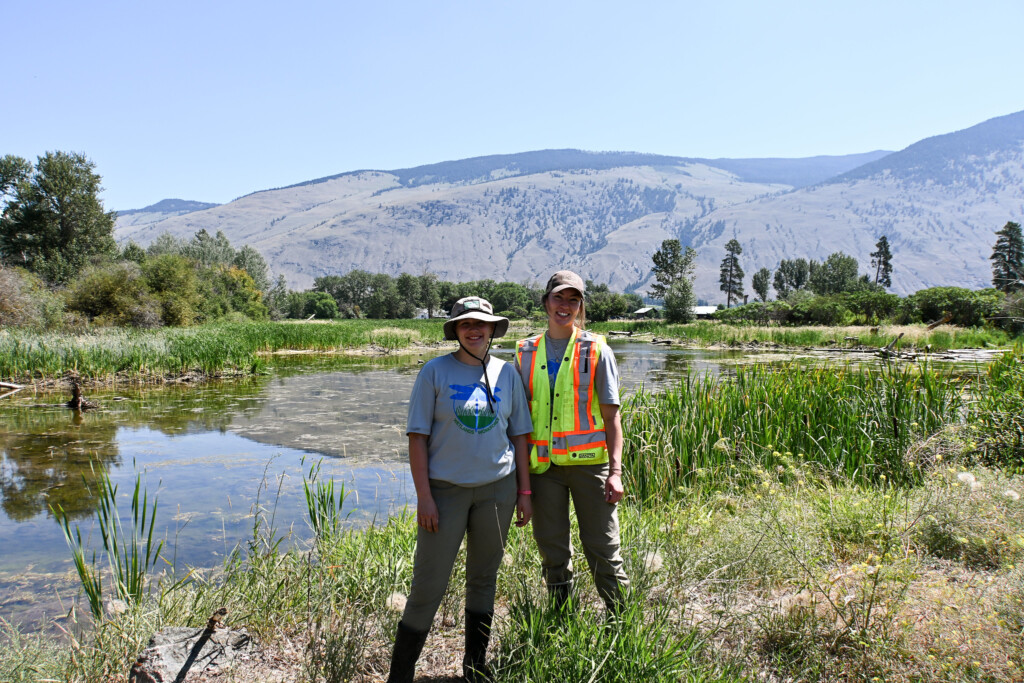
Wetland maintenance and monitoring were front and centre for the BCWF Watershed Team in 2023. By revisiting and assessing past restoration and enhancement sites, the team gathered key information to understand how these projects are performing and how we can make future efforts even more effective. Alongside tracking hydrologic conditions, our staff monitored sites for signs of wildlife use—including waterfowl, amphibians, and other key species. As part of the commissioning phase for many of these projects, crews also carried out hands-on work like invasive species control, installing exclusion fencing, and planting native vegetation. In total, three dedicated field crews supported 23 sites across the province.
New Conservation Tools Leading The Way
Conservation relies on high-quality information—and the B.C. Wildlife Federation is at the forefront of developing tools that support smarter conservation decisions. This includes advancing the Wetland Ecosystem Services Protocol (WESP) and supporting the calibration of the Canadian National Wetland Inventory (CNWI).
WESP is a standardized tool used to assess the function and value of wetland services. Once fully calibrated, it will enable consistent, comparative assessments of wetlands to help better target conservation and restoration efforts. In 2023, the team collected 96 additional WESP calibration sites in the field, contributing to efforts across four eco-provinces: the Georgia Depression, Southern Interior Mountains, Taiga, Sub-Boreal Interior, and Boreal Plains. Each region requires at least 100 calibration sites, making this a multi-year undertaking.
In addition, over 100 field plots were collected to support CNWI—a national initiative led by Environment and Climate Change Canada that uses field data and machine learning to improve wetland mapping products. These field plots help train AI models to identify and validate wetlands based on real-world observations, improving accuracy and coverage across the country.
Collaboration with Indigenous Bands and Nations, as well as provincial government bodies, underscores the importance of these tools and ensures their integration into broader environmental practices. In 2023, more than 50 individuals across B.C. were trained in both WESP and CNWI assessments.
Restoration and Enhancement
Through wetland restoration, invasive species management, native planting and seeding, and shoreline cleanups, the BCWF Watershed Team enhanced and restored over 240 hectares of habitat across the province in 2023. The Fish Habitat Restoration Team also expanded its aquatic restoration efforts, launching two stream restoration projects in the Bonaparte and Coldwater watersheds.
In collaboration with BCIT Master of Ecological Restoration students, the BCWF built the first of 100 Beaver Dam Analogues (BDAs)—human-made structures that mimic the function of natural beaver dams—and assessed over 60 additional sites for future installations. These efforts are part of the 10,000 Wetlands project, which aims to install BDAs province-wide over the next two years. These structures help retain water in the landscape and offer a low-cost, nature-based solution for wetland restoration.
In addition to this on-the-ground work, the BCWF also supported the rehabilitation and release of several beavers back into the wild in 2023, working closely with First Nations, the Interior Wildlife Rehabilitation Society, and Tom Willms from the Nicola Valley Institute of Technology.
Education and Outreach
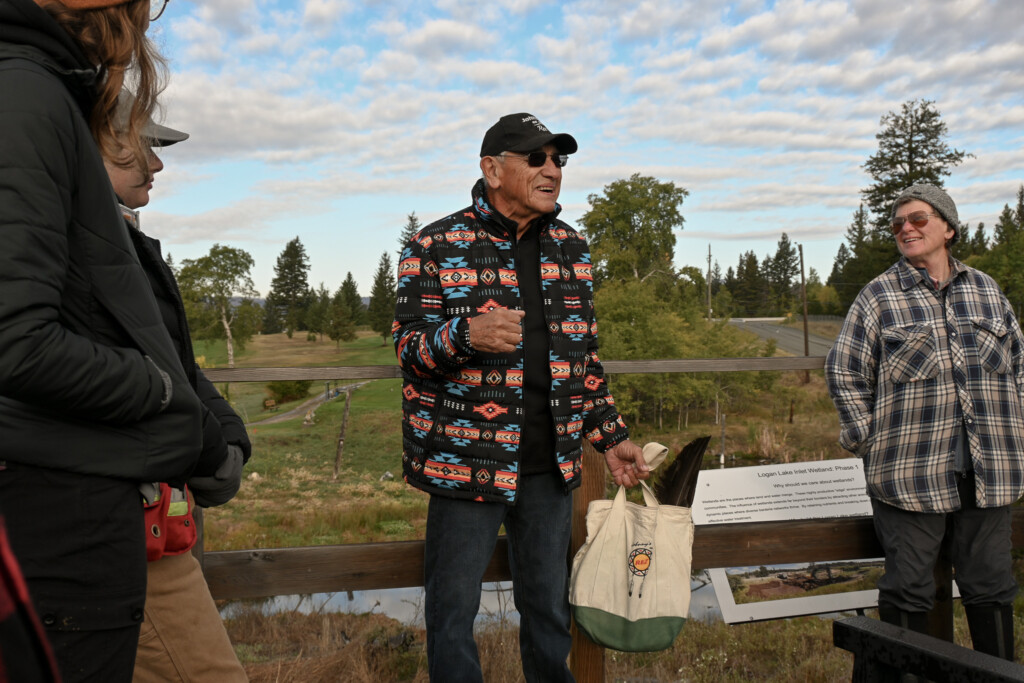
A cornerstone of the BCWF Watershed Team’s mission is public engagement and advocacy for wetland and fish habitat conservation. In 2023, the team hosted 33 workshops and attended 38 outreach events, connecting with over 520 program participants and reaching more than 3,500 members of the public. Restoration and education efforts involved partnerships with over 30 First Nations and engagement with more than 40 communities across B.C.
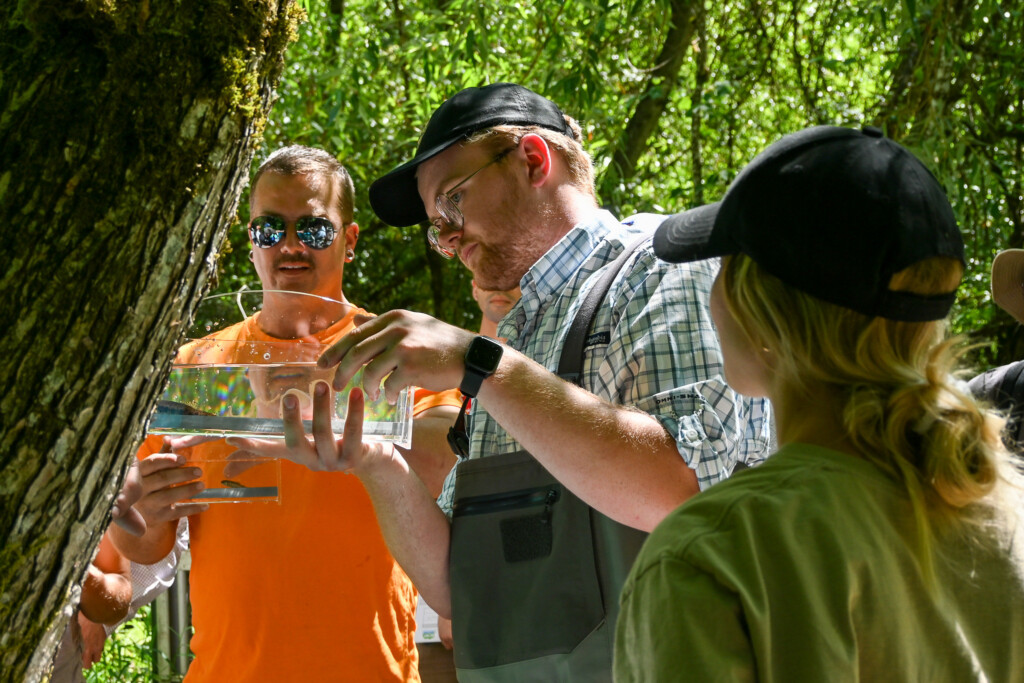
The Wetlands Education Program (WEP) empowers local stewards by offering educational workshops—from online webinars to intensive multi-day field sessions—designed to equip communities with the knowledge and tools needed to launch their own wetland conservation projects. Meanwhile, the Fish Habitat Restoration and Education Program (FHREP) provided 1–2 day workshops focused on fish habitat enhancement and stewardship, giving participants hands-on skills they can apply in their local watersheds.
One of the year’s highlights was the 2023 Wetlands Institute, a week-long immersive workshop held in Barriere, Clearwater, and Kamloops. This intensive training provided more than 15 participants with a deep dive into wetland restoration practices and techniques.
Our education programs welcomed a wide range of participants, including environmental consultants, stewardship groups, First Nations technicians and band members, government staff at all levels, landowners, and community members eager to make a difference in their local wetlands.
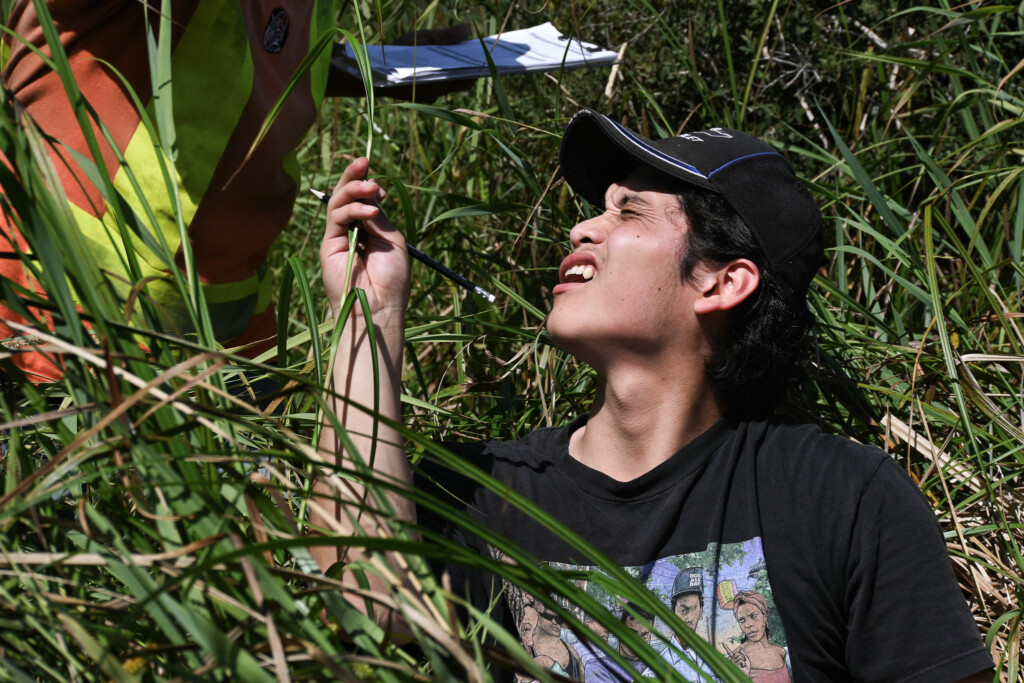
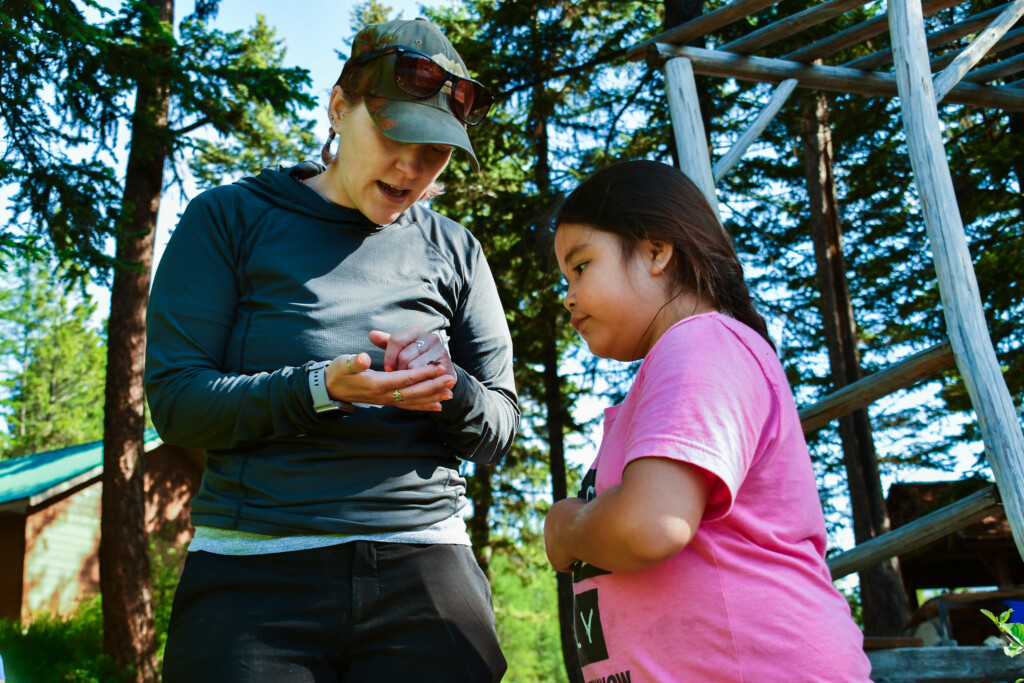
Youth education was also a major focus. In collaboration with the BCWF Youth Team, the Watershed Team co-hosted events like a multi-day Conservation Training Camp with the Shuswap Nation and the Go Wild overnight youth camp. At the Shuswap Youth Camp, participants took part in hands-on workshops that blended scientific knowledge with traditional cultural teachings. Both camps covered topics like wetland and plant identification, fish and lake stewardship, and wildlife monitoring—offering a rich, well-rounded educational experience.
Finally, through the Outdoor Access Improvement Project, the Watershed Team continued efforts to improve access to B.C.’s natural spaces. In 2023, this initiative made 15 lakes and outdoor spaces more accessible—ensuring more people, including those using wheelchairs, can enjoy the outdoors.
Conservation Illustrations
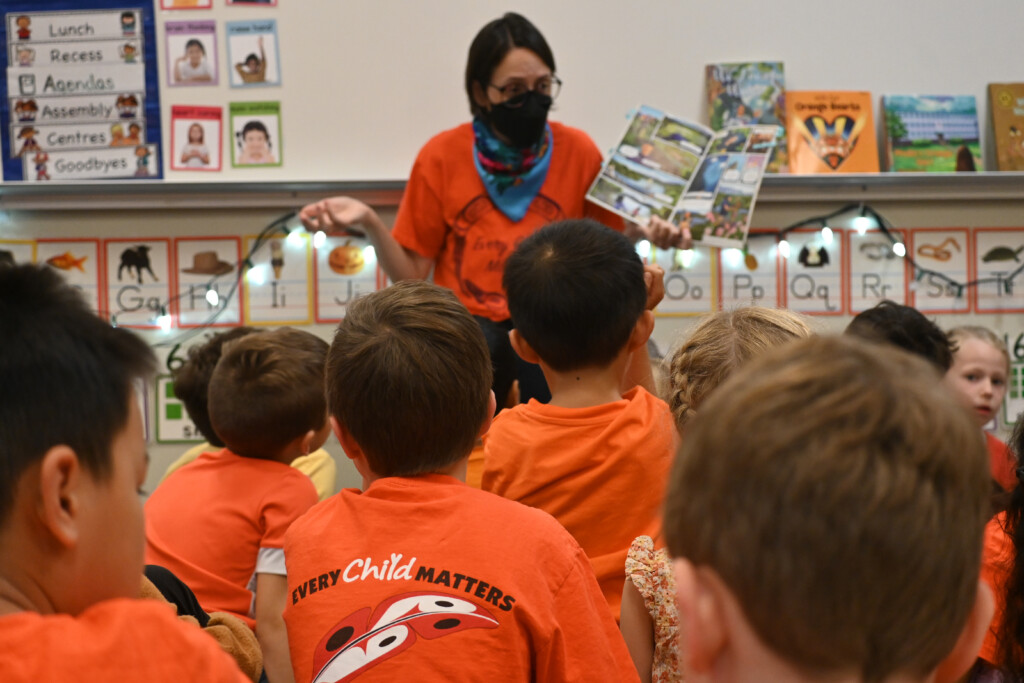
Our Conservation Illustrator, Chenoa Gao, published her graphic novel, We Are of Water this year. The novel provides visuals connected to voices and knowledge shared by Indigenous Elders, youth, and community members through Healthy Watersheds Initiative projects, emphasizing the significance of watersheds and water. Chenoa presented her work to over 500 students across the Lower Mainland.
Looking back, 2023 was a year of incredible momentum for the BCWF Watershed Team. None of this progress would have been possible without the dedicated support of our project partners and funders—your collaboration continues to drive meaningful change for B.C.’s watersheds. Thank you for being part of it.
As a team, we would like to extend our heartfelt gratitude to the following funders for making our 2023 work possible:
Province of British Columbia, Government of Canada, Disability Alliance of BC, Pacific Salmon Foundation, Columbia Valley Community Foundation, Columbia Valley Local Conservation Fund, Fish and Wildlife Compensation Program, Freshwater Fisheries Society of BC, Wildlife Habitat Canada, iA Financial Group, Habitat Conservation Trust Foundation, TELUS, BC Conservation and Biodiversity Awards, ECO Canada, The McLean Foundation, G&F Financial Group, Clean Foundation, Community Services Recovery Fund, BC Interior Community Foundation, and all others who have contributed to our efforts. Your support has been instrumental in helping us achieve our conservation goals and has enabled impactful changes in the communities we serve.
 BCWF Watershed Team
Leave a comment