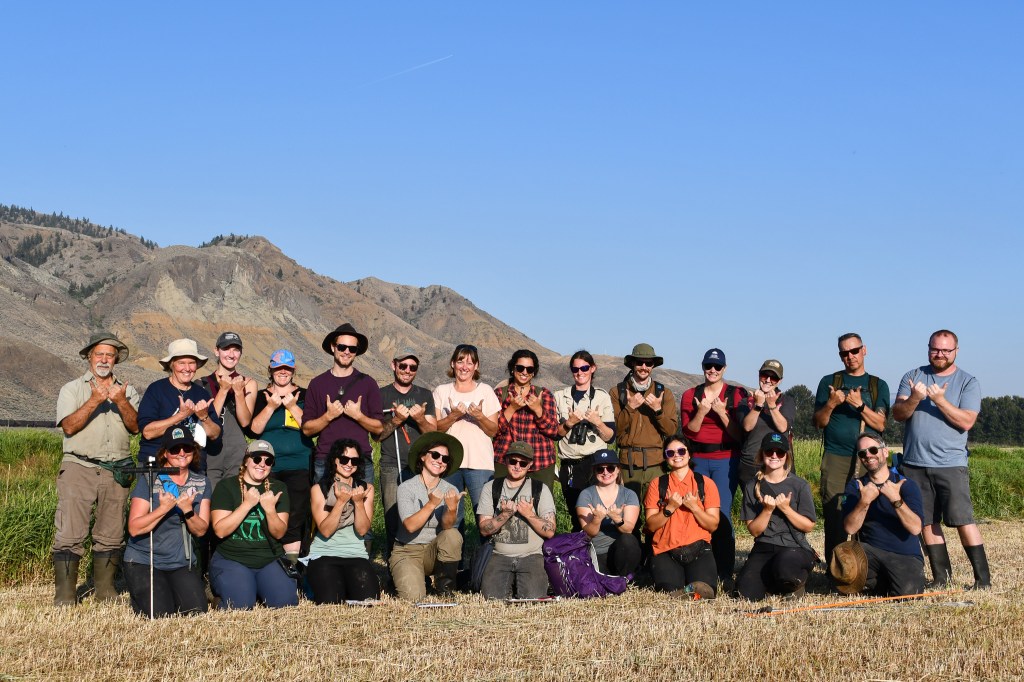
For over two decades, the B.C. Wildlife Federation’s Wetlands Institute has been essential in empowering participants with the skills necessary to lead watershed projects across BC. In 2023, the Wetlands Institute, facilitated by the BCWF’s Wetlands Education Program, provided a lively foundation for the exchange of knowledge among industry professionals and participants, alike.
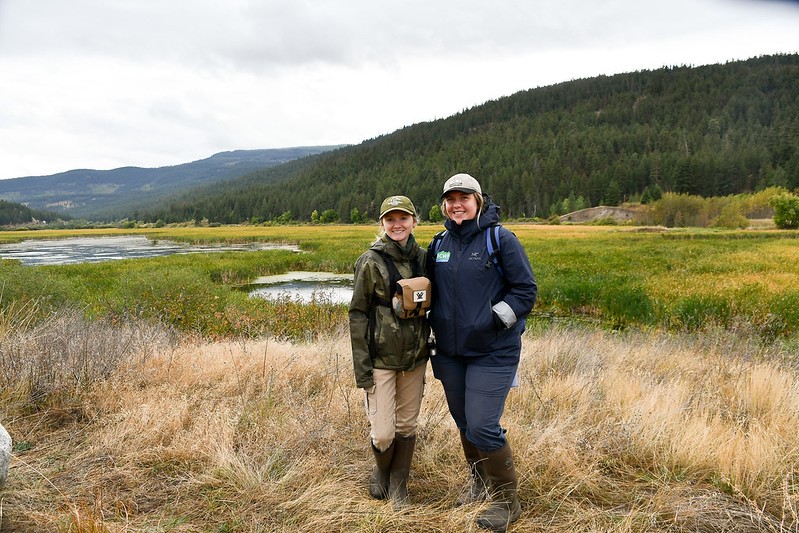
Held in Barriere, Kamloops, and surrounding areas, the 2023 Institute was centered on crucial wetland restoration and stewardship aspects including classification, mapping, health assessments, maintenance, and monitoring. Attracting a diverse group of professionals, ranging from consultants and biologists to landowners and government staff, it created a unique environment where shared dedication to environmental restoration flourished. Notably, this 7-day workshop stood out for its dynamic and interactive expertise exchange, significantly enhancing the collaborative learning experience for everyone involved.
Participants gained valuable insights from Norm Allard, Community Planner for the Lower Kootenay Band, and Neil Fletcher, BCWF’s Director of Conservation Stewardship. Norm spoke about the importance of weaving First Nations consultation into restoration work, drawing from his leadership on the Yaqan Nukiy Wetland Restoration project near Creston. Neil shared practical knowledge on restoration techniques and offered helpful tips on grant writing—an essential skill for anyone working in non-profit wetland restoration. Evening sessions gave participants a chance to connect more informally with Norm and Neil, ask questions, and dive into conversations about their own projects.
Equally engaging was the presentation by Trevor Goward, and The Land Conservancy of BC (TLC), who shared their work in the Clearwater River Valley on a property they’ve named Edgewood Blue. Their project is all about protecting and creating wildlife corridors connected to Wells Gray Provincial Park—showing a strong commitment to both habitat conservation and wildlife research. After the tour, participants got hands-on with wetland ID, learning how to classify all five wetland types—bog, fen, marsh, swamp, and shallow water—all of which can be found at Edgewood Blue and throughout the surrounding TLC-protected area.
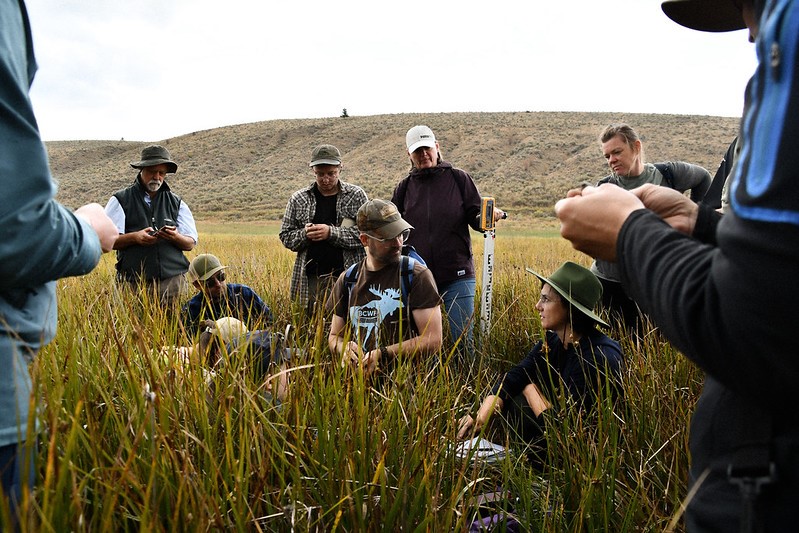
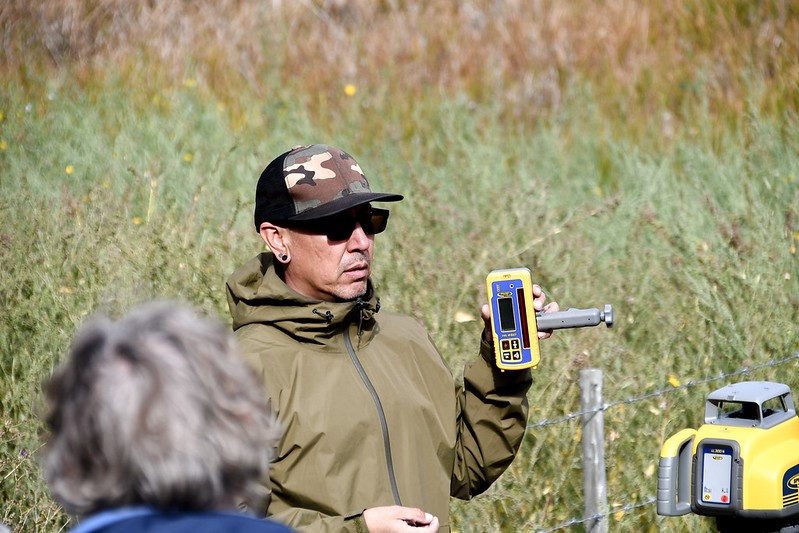
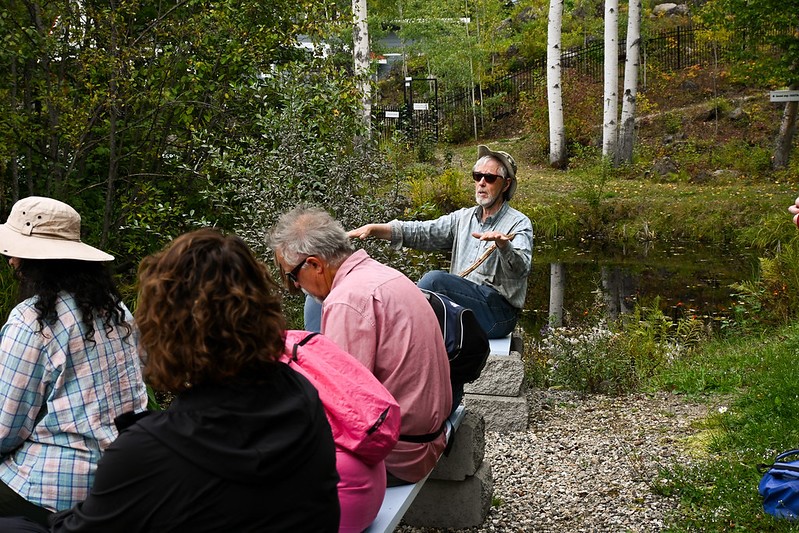
To further instill local knowledge, Don Bowser, an Elder and Knowledge Keeper from the Simpcw First Nation, led a wetland tour on the Nation’s Boardwalk Wetland, a community-centered wetland featuring a newly installed boardwalk. This wetland holds special significance for the community due to its accessibility, heightened by the recent boardwalk addition. It serves as an outdoor classroom for the local school, Neqweyqwelsten School, integrating wetland-based activities such as pond dips into their science curriculum and fostering hands-on learning experiences about the area’s flora and fauna.
Don’s insights, enriched with local Indigenous knowledge, included the traditional uses of plants found in the wetland and stories about the resident beavers. He emphasized the wetland’s importance to the Nation for resources like food and medicinal plants and highlighted its role in facilitating knowledge transfer between the youth and Elders. The accessibility of this particular wetland is especially valuable, as it allows Elders, who may not be able to visit other wetlands in the territory, to share their wisdom and experience with younger generations in a meaningful, engaging setting.
Adding to this local insight, Stephanie Russell and Melany Leontowich with BC Parks conducted a tour of the Lac du Bois Grasslands Protected Area, offering a deeper understanding of the region’s environmental challenges, primarily drought and wildfires. In their discussion, Russell and Leontowich explored potential solutions, including restoring spawning channels, adding Beaver Dam Analogues (BDAs), or restoring ephemeral or shallow wetland basins to mitigate drought and maintain moisture in the wetland areas of the protected region.
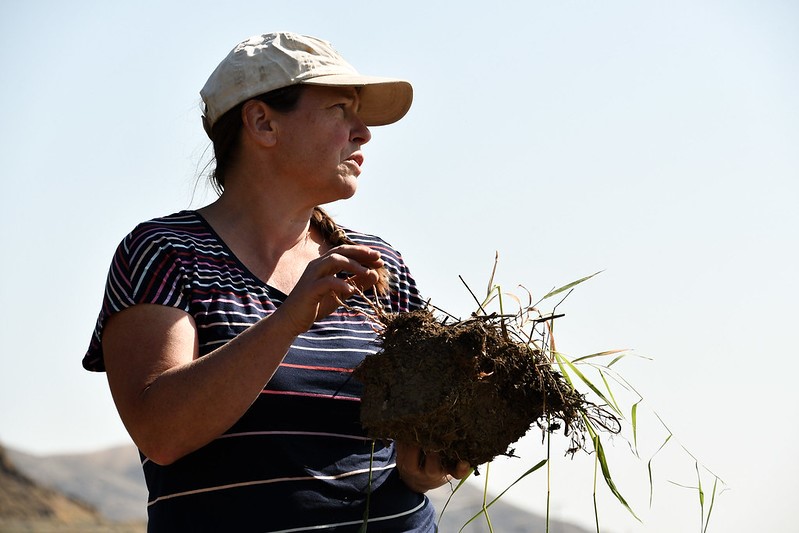
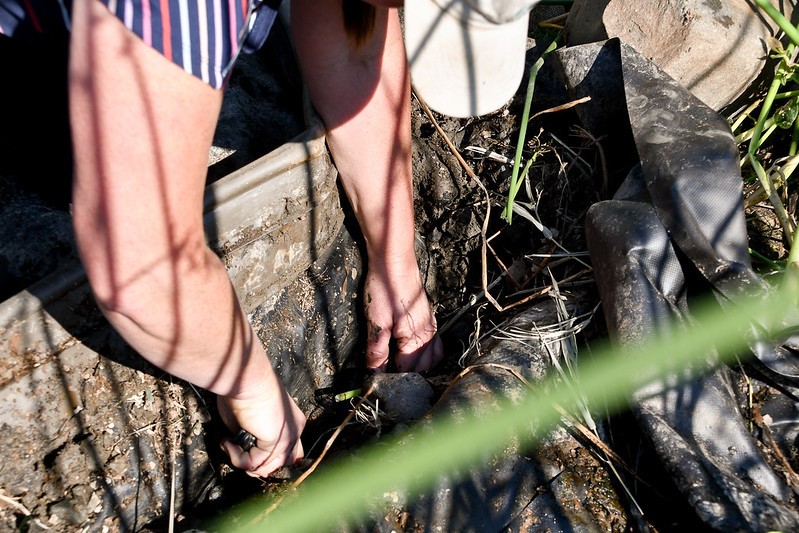
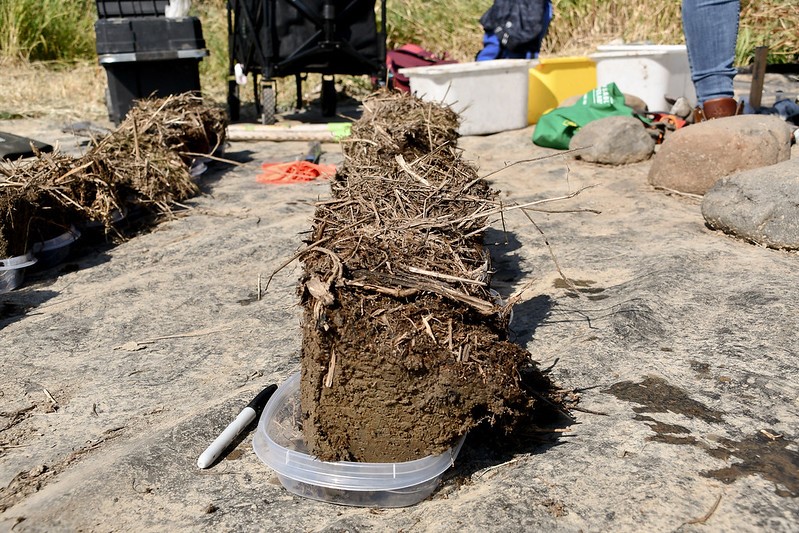
Additionally, at the Tranquille Wetland site in Kamloops, Dr. Catherine Tarasoff from Agrowest Consulting highlighted the management of Reed Canary Grass (RCG) spread. She stressed the importance of knowledge-based strategies and understanding plant biology to properly manage a species. Collaborating with the Kamloops Naturalist Club, they implemented an experimental benthic barrier to smother and hopefully control RCG, with participants actively engaged in the process. The club is also working towards the reintroduction of native plant species to enhance biodiversity and ecosystem resilience, and building a viewing platform for the wetland to expand the quality of wildlife education for the community.
The Institute also featured informative sessions led by experts in their fields. Kyla Rushton from the B.C. Wildlife Federation (BCWF) introduced participants to Rapid Wetland Health Assessments, essential for maintaining ecosystem balance. Ducks Unlimited Canada‘s Kasey shared the journey of a significant wetland project, offering perspectives on its challenges and milestones. Moreover, Erin Roberts from the Canadian Wildlife Service added a technological dimension by showcasing the Canadian National Wetland Inventory tool. This tool in the making will improve mapping available for wetlands in BC, a key piece of conserving and protecting these invaluable ecosystems.
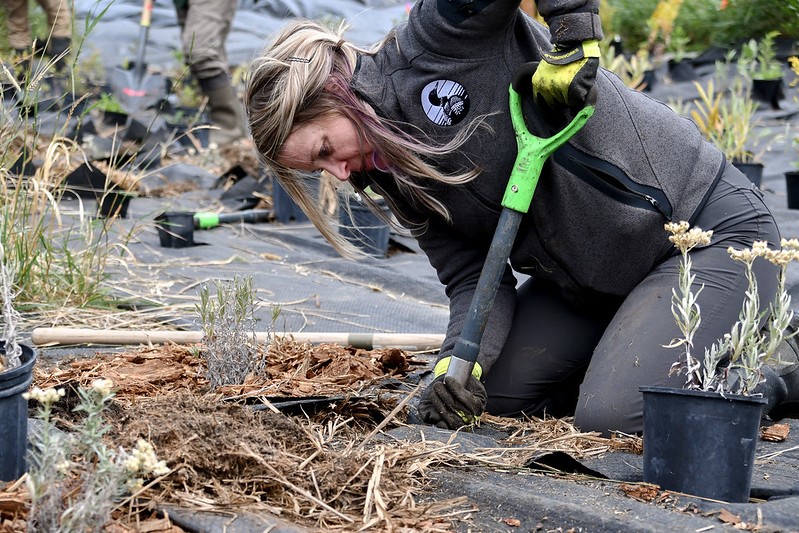
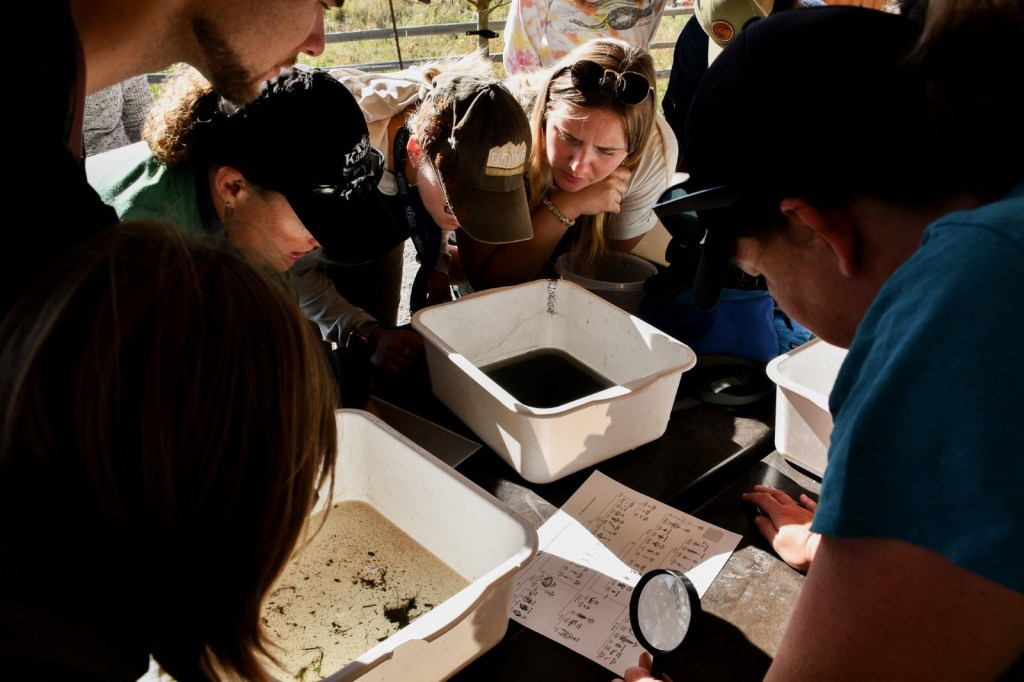
Beyond these insightful presentations, the Institute emphasized practical, hands-on learning. Participants delved into real-world applications, including a planting activity at a wetland restoration project, demonstrating the effective use of solarization for invasive species control with wetland planting plans and enhancement work led by members of BCWF’s Wetlands Workforce crew. Pond dips at the Dufferin Wetlands allowed participants to channel their inner child and investigate the hard-to-see species that live in wetlands, learning about the important role macroinvertebrates play in the food chain, control of mosquito populations, and how they can be indicators of the health of wetlands.
Overall, the 2023 Wetlands Institute showed just how valuable it is to learn together. Participants left with new skills, helpful resources, and strong connections, which we hope will continue driving future restoration projects forward!
All photos by Jamie Long.
The 2023 Wetlands Institute was undertaken with the financial support of Habitat Conservation Trust Foundation, BC Interior Community Foundation, the Province of BC, Wildlife Habitat Canada, and EcoCanada. Without their generous support, this workshop would not have been possible. Thank you!
 BCWF Watershed Team
Leave a comment